
Notre-Dame-de-Prospérité church in Montferrand
Clermont-Ferrand


Built from the 14th century onwards in response to growing insecurity, the Church of Notre-Dame-de-Prospérité is a fine example of Languedoc Gothic architecture. It houses a valuable collection of furnishings from Montferrand’s former convents.
This church was built on the site of the former chapel of the castle of the Counts of Auvergne. In the 12th and 13th centuries, the people of Montferrand had to leave the fortified enclosure to attend services at the Saint-Robert monastery, outside the city walls to the south of(…)
Opening hours
All year round daily between 8 am and 6 pm.
(including Sundays and public holidays).
Prices and payment methods
- Free of charge.
Downloadable :
Comfort, facilities and services
- Parking nearby
Location
Environnements
Close to a public transportation, Tram station < 500 m
Accès
By streetcar : Montferrand La Fontaine or Musée d’art Roger Quilliot stop, line A
You might also like…
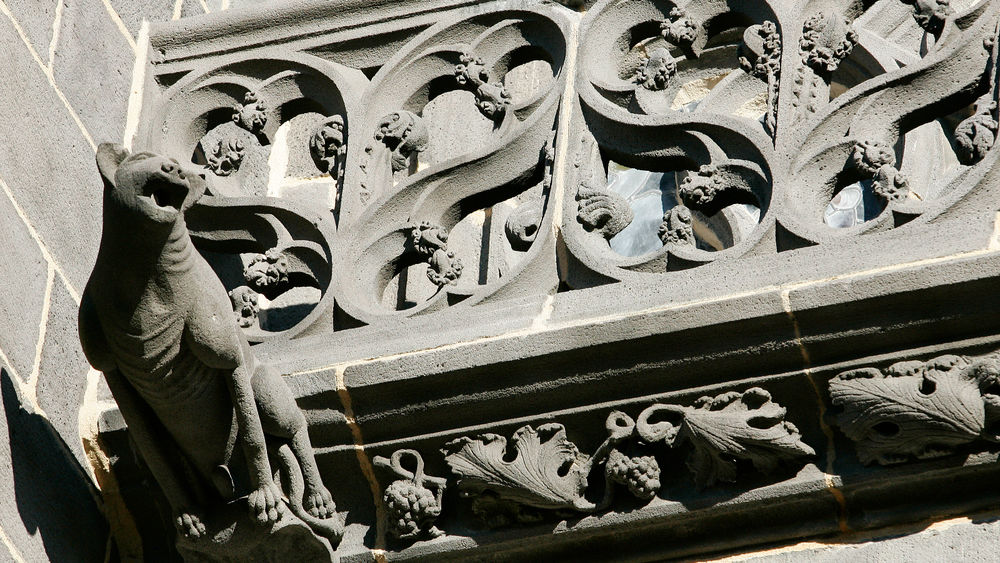
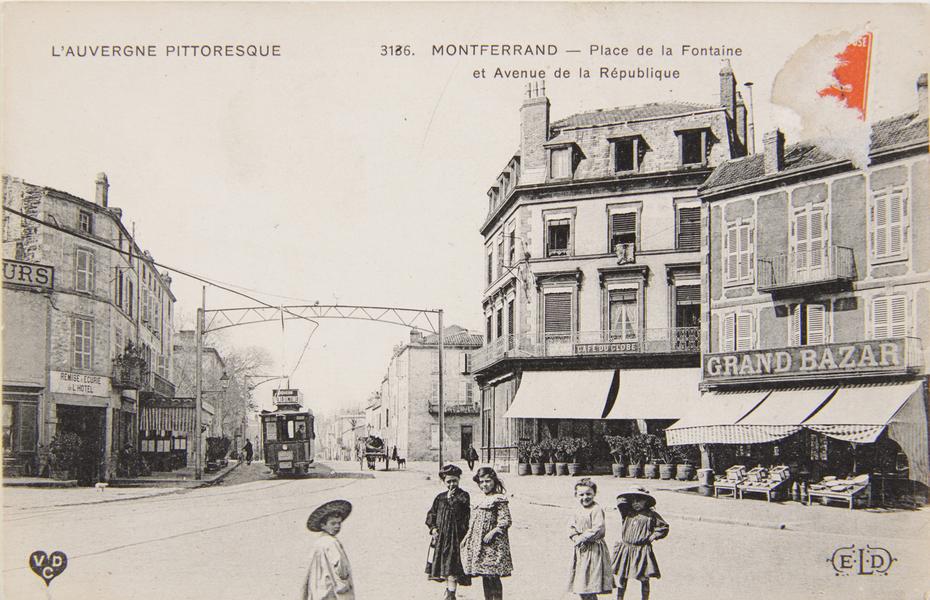
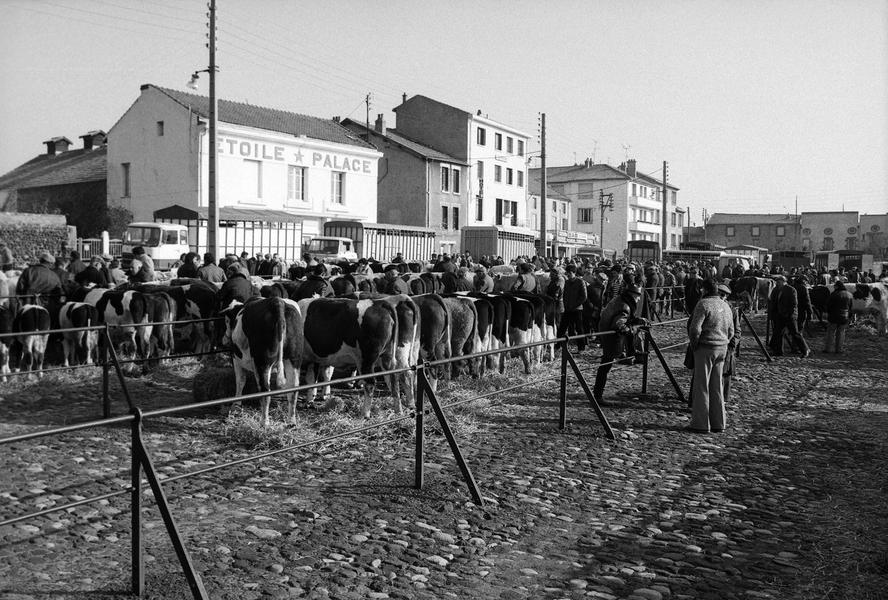
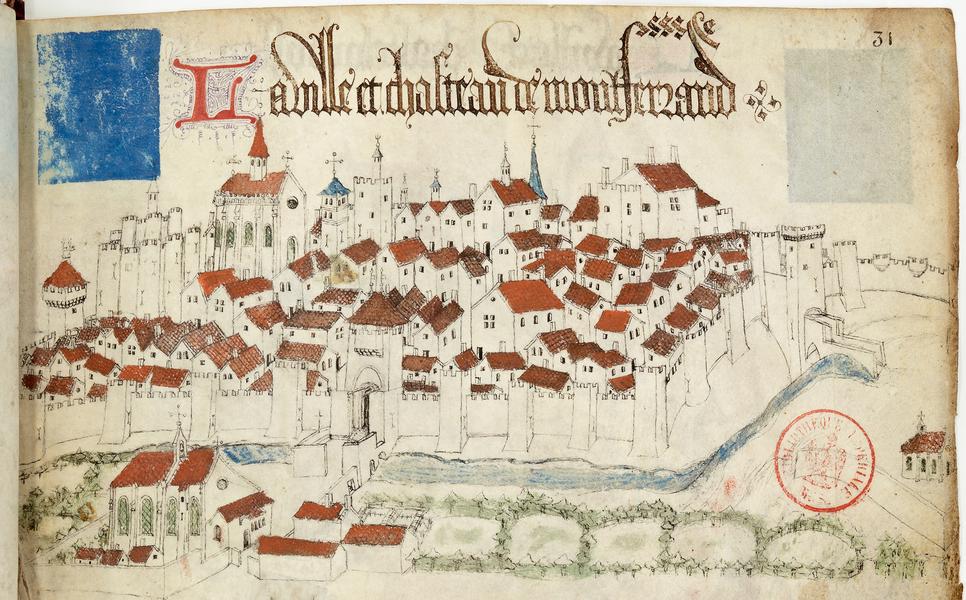
Photo credits : Ville de Clermont, Bibliothèque du Patrimoine de Clermont Auvergne Métropole. Licence Ouverte, Clermont Auvergne Métropole
 Updated on 5 October 2026 by Clermont Auvergne Volcans