Puy-de-Dôme, Land of Archaeology : A Journey through History
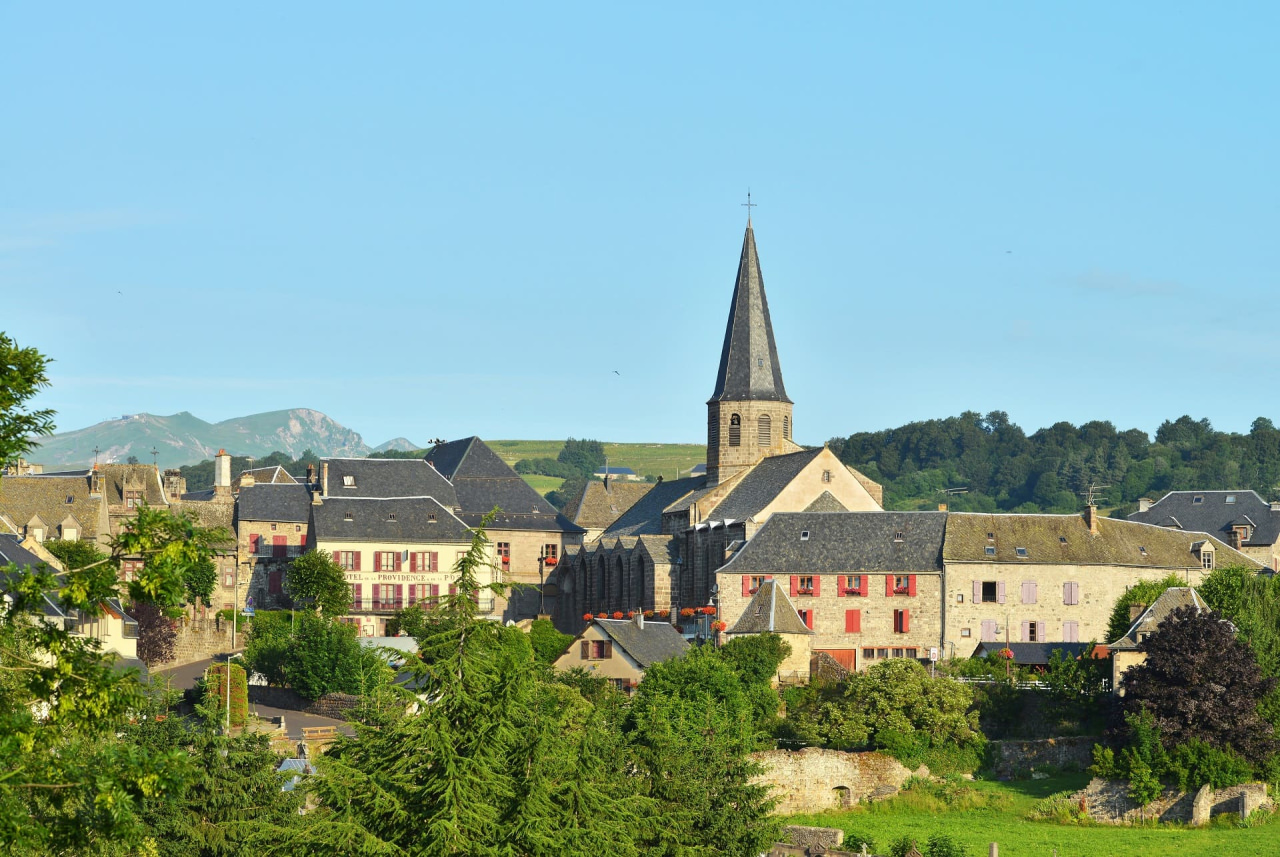
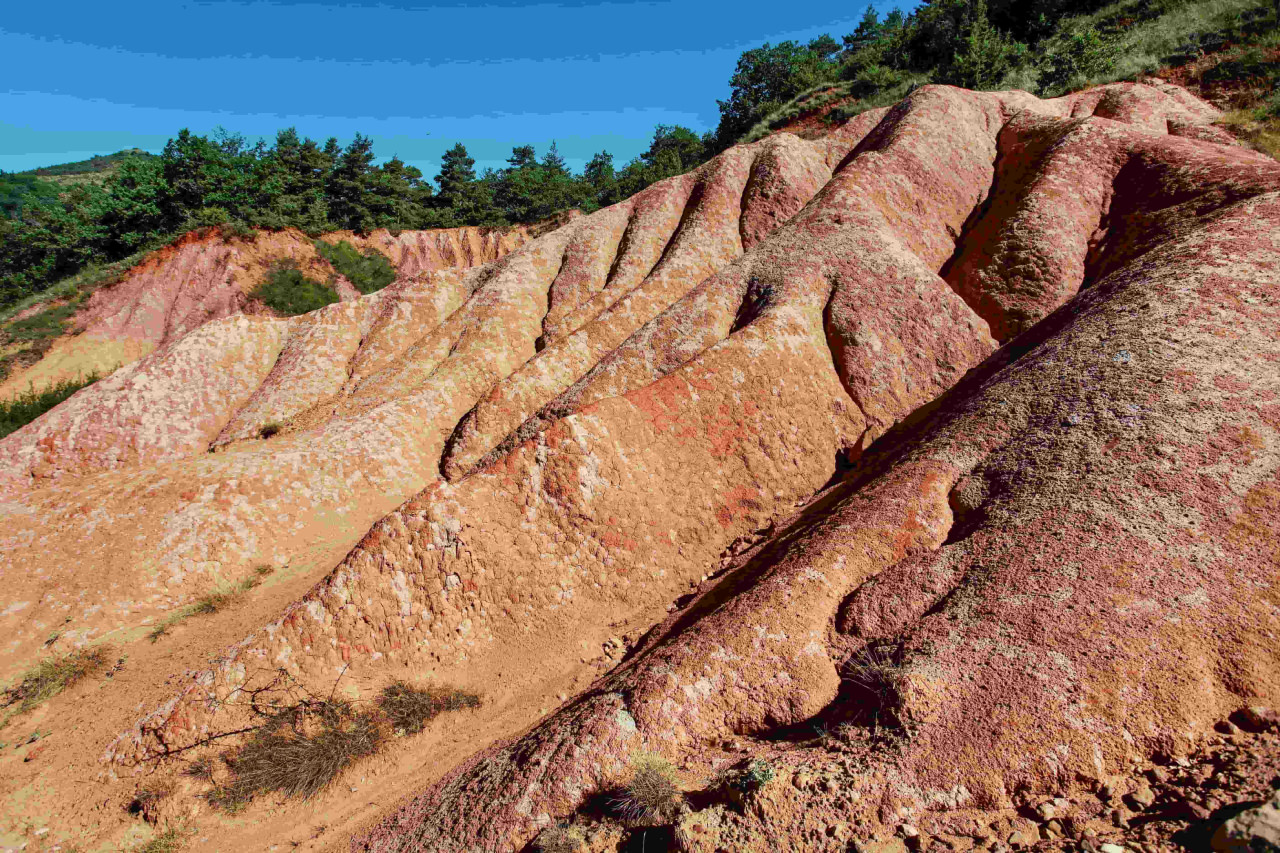
The Puy-de-Dôme, a land of mountains and volcanoes, is also a treasure trove for history and archaeology enthusiasts. Every year, the department reveals a little more of its fascinating past, thanks to the many excavations and the research that accompanies them. From Mercury's temple to the oppidum at Corent, via the Gergovie plateau and the Musée départemental de la céramique at Lezoux, visitors can plunge back into antiquity, following in the footsteps of the Gauls and Romans.
The Temple of Mercury : an exceptional monumental sanctuary in Roman Gaul
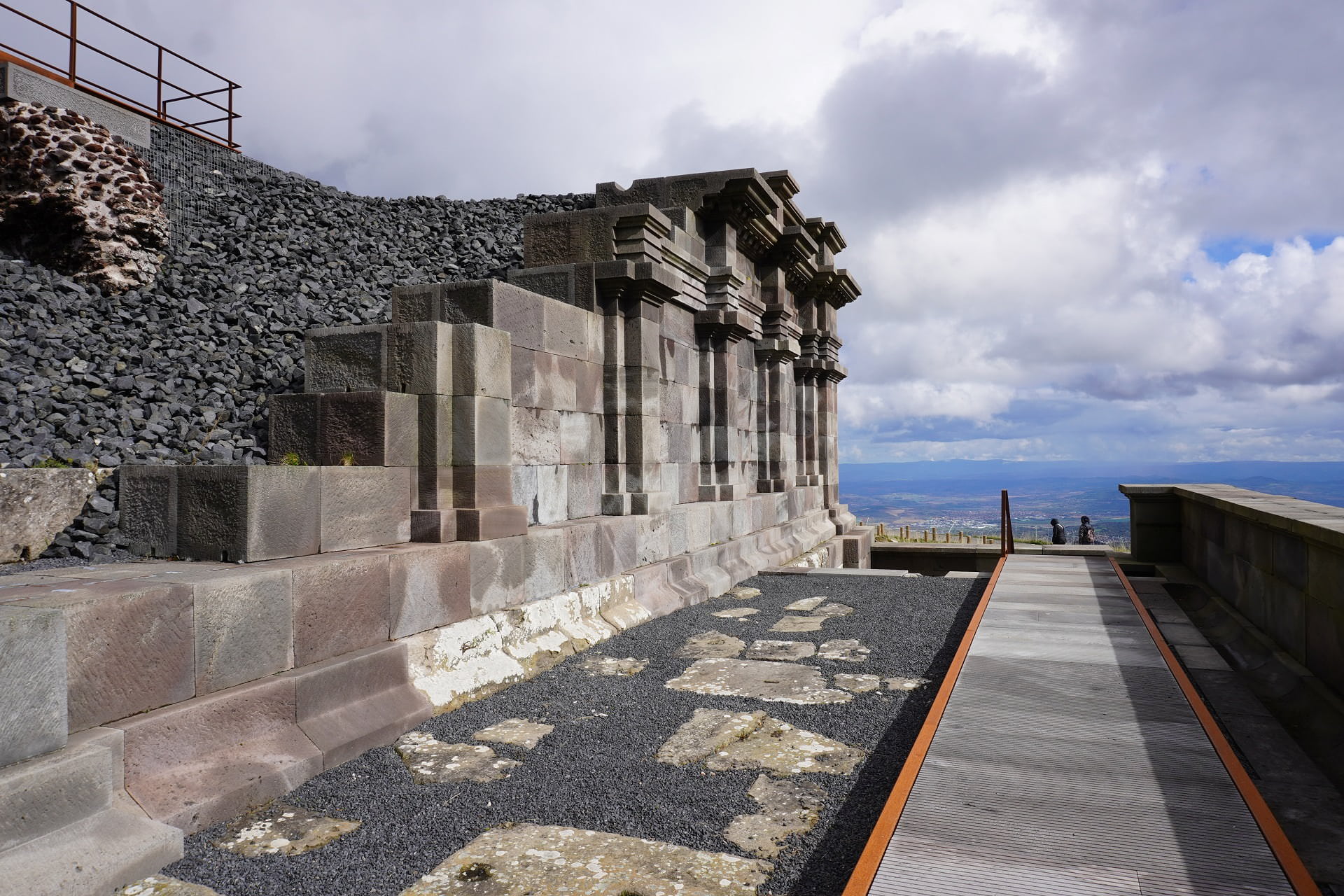
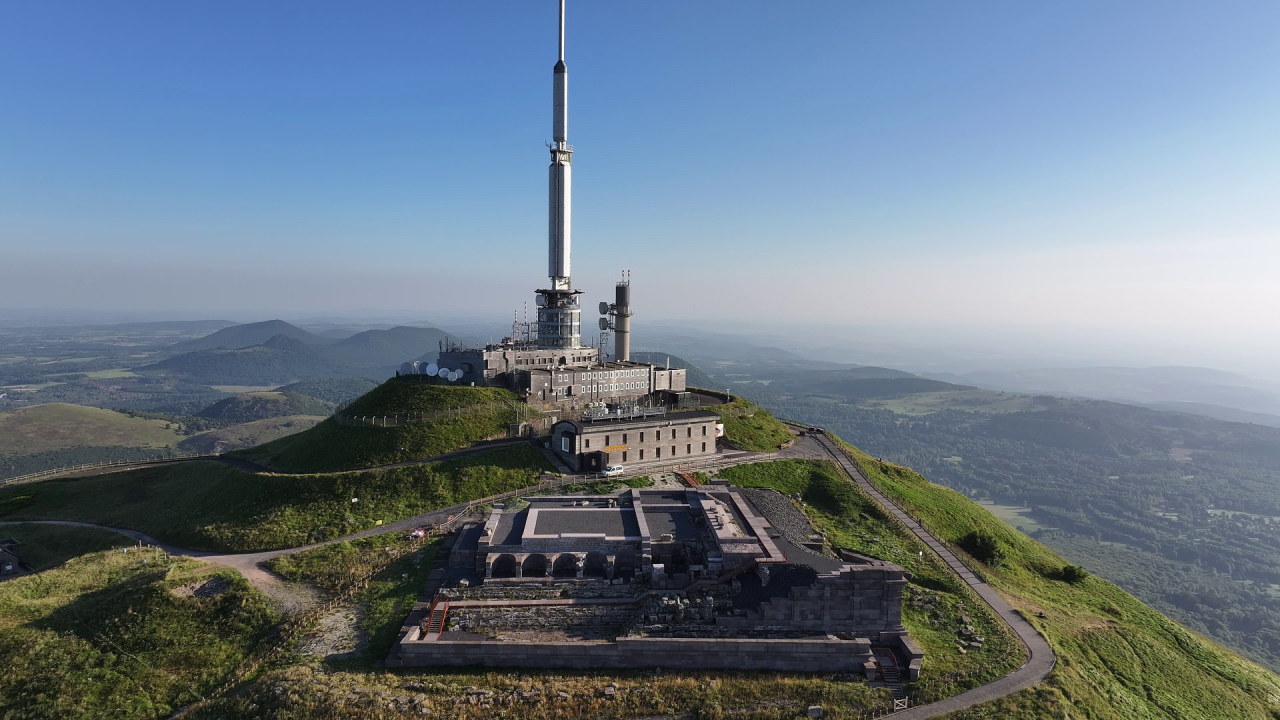
The remains of the largest mountain temple in Roman Gaul can be seen at the summit of the Puy de Dôme .
Mainly dedicated to Mercury, this large terraced sanctuary was built in the 2nd century AD and was accessible from the town of Col de Ceyssat, located at the highest point of Agrippa's road linking Lyon to Saintes.
Its strategic location, with an uninterrupted view over Clermont-Ferrand, made it an essential landmark and one of the most important pilgrimage sanctuaries in the Western Roman Empire.
The Musée Départemental de la Céramique in Lezoux : An Immersion in the History of Gallo-Roman Art
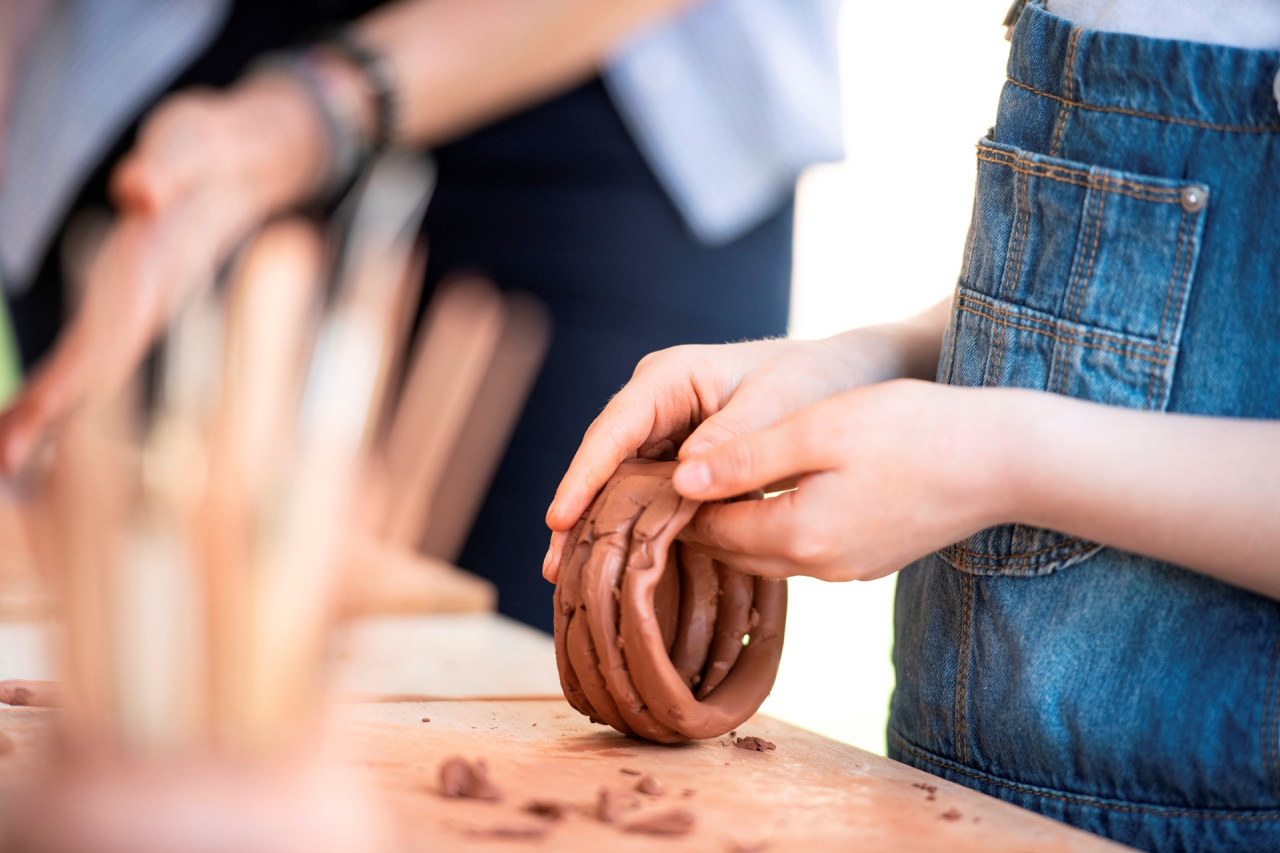
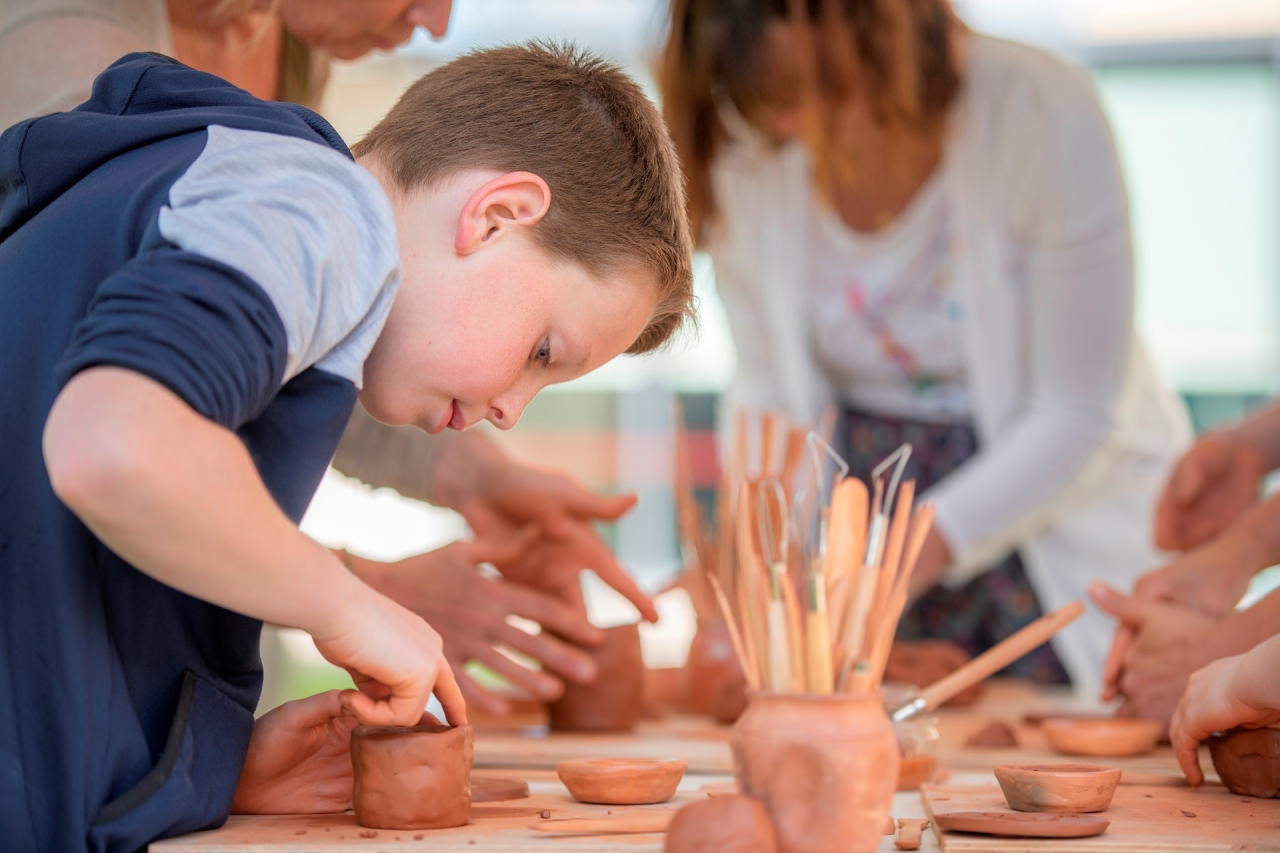
The Musée de la Céramique in Lezoux plunges visitors into the fascinating world of ancient ceramic production. A former pottery factory dating back to the 19th century, the museum houses exceptional collections from archaeological excavations at Lezoux, a major centre of ceramic production under the Roman Empire.
The site produced hundreds of millions of vases, including the famous sigillated ware, a symbol of the commercial boom and Roman influence across Europe.
Good to know
The museum offers tours tailored to different audiences, for individuals, groups and children.
Gergovie : a place of memory and battle
Gergovie is a not-to-be-missed site in the Puy-de-Dôme region, famous for Vercingetorix's victory over Julius Caesar's armies in 52 B.C. This place, marked by the history of Gallic resistance, offers an exceptional panoramic view of the surrounding countryside.
Recent archaeological excavations have pinpointed the exact location of the battlefield and the Roman camps, making Gergovie a historic site of vital importance.
Corent : a leading Gallic oppidum
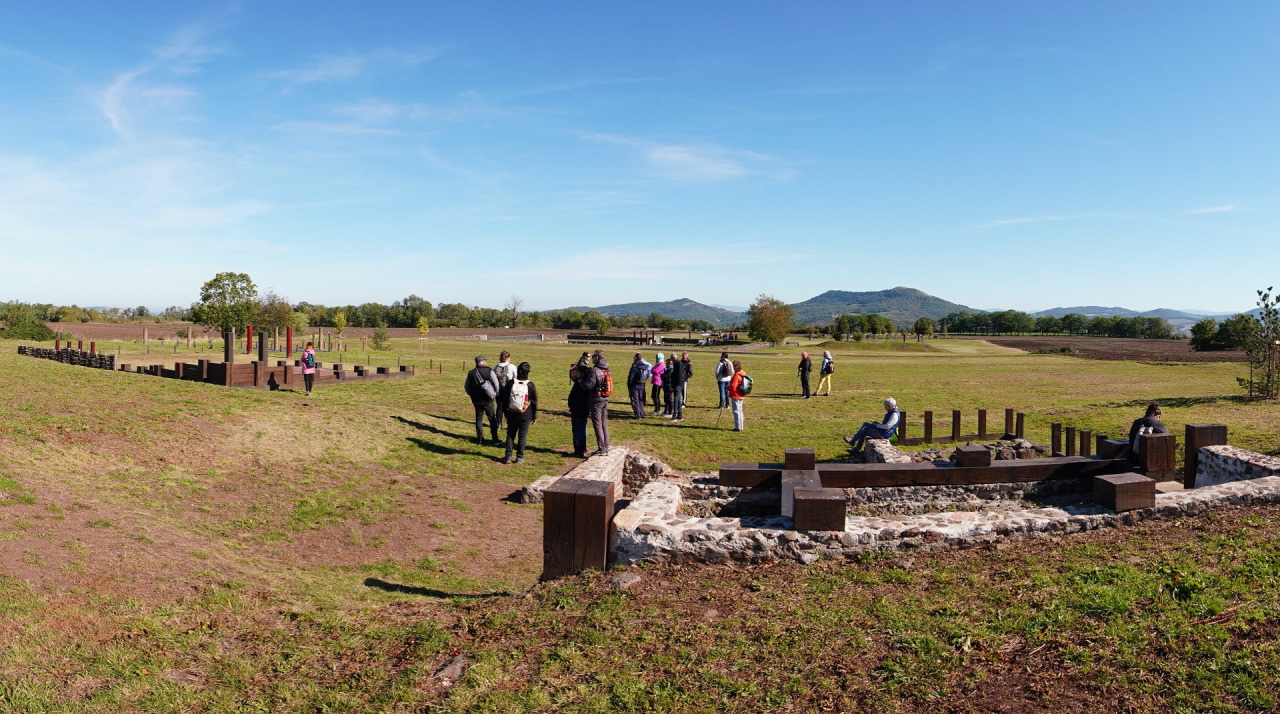
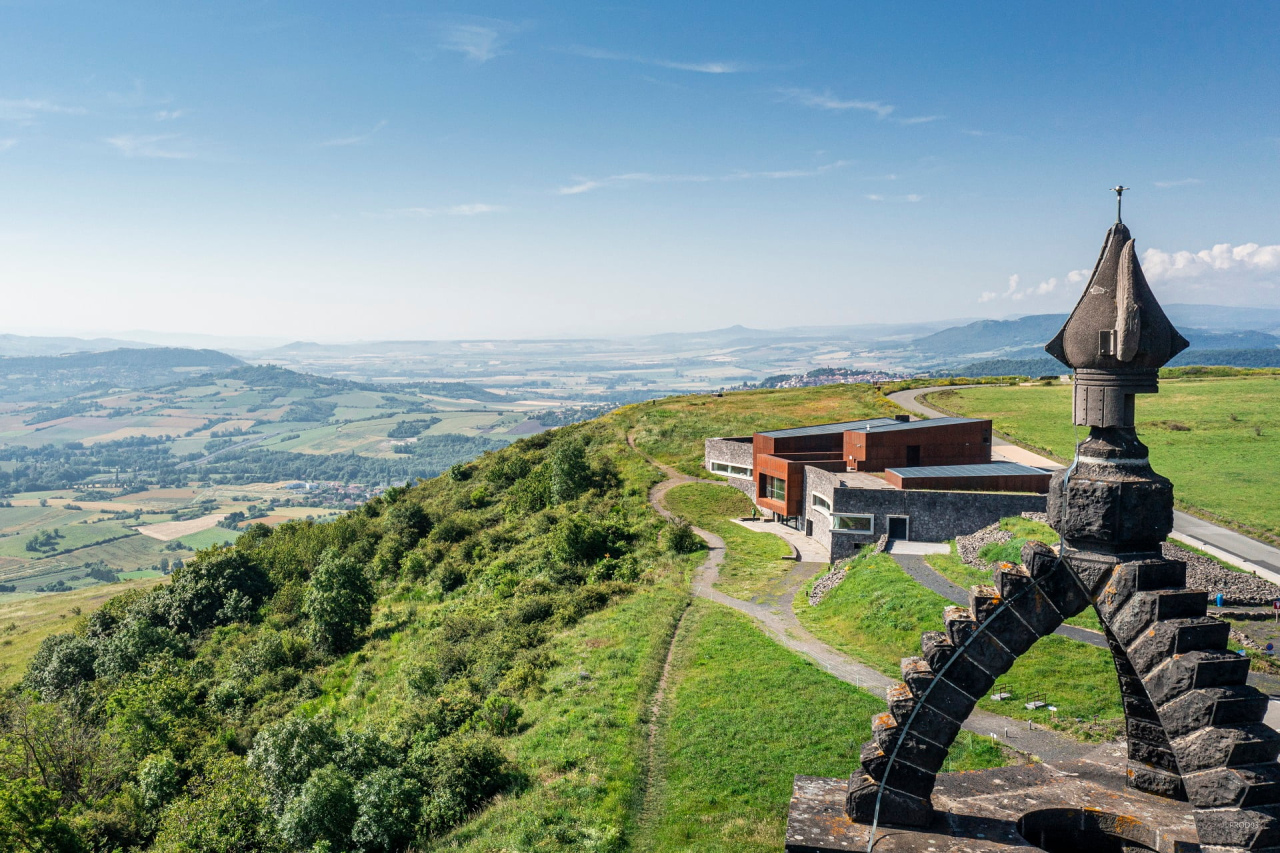
Corent, another major oppidum of the Arvernes, is considered to be one of the Gallic capitals before the Roman Conquest.
The excavations that take place there every summer have identified the remains of a sophisticated Gallic town, with a vast sanctuary and an assembly hemicycle, bearing witness to the social and political organisation of the Arvernes.