
L’Opéra-Théâtre
Clermont-Ferrand

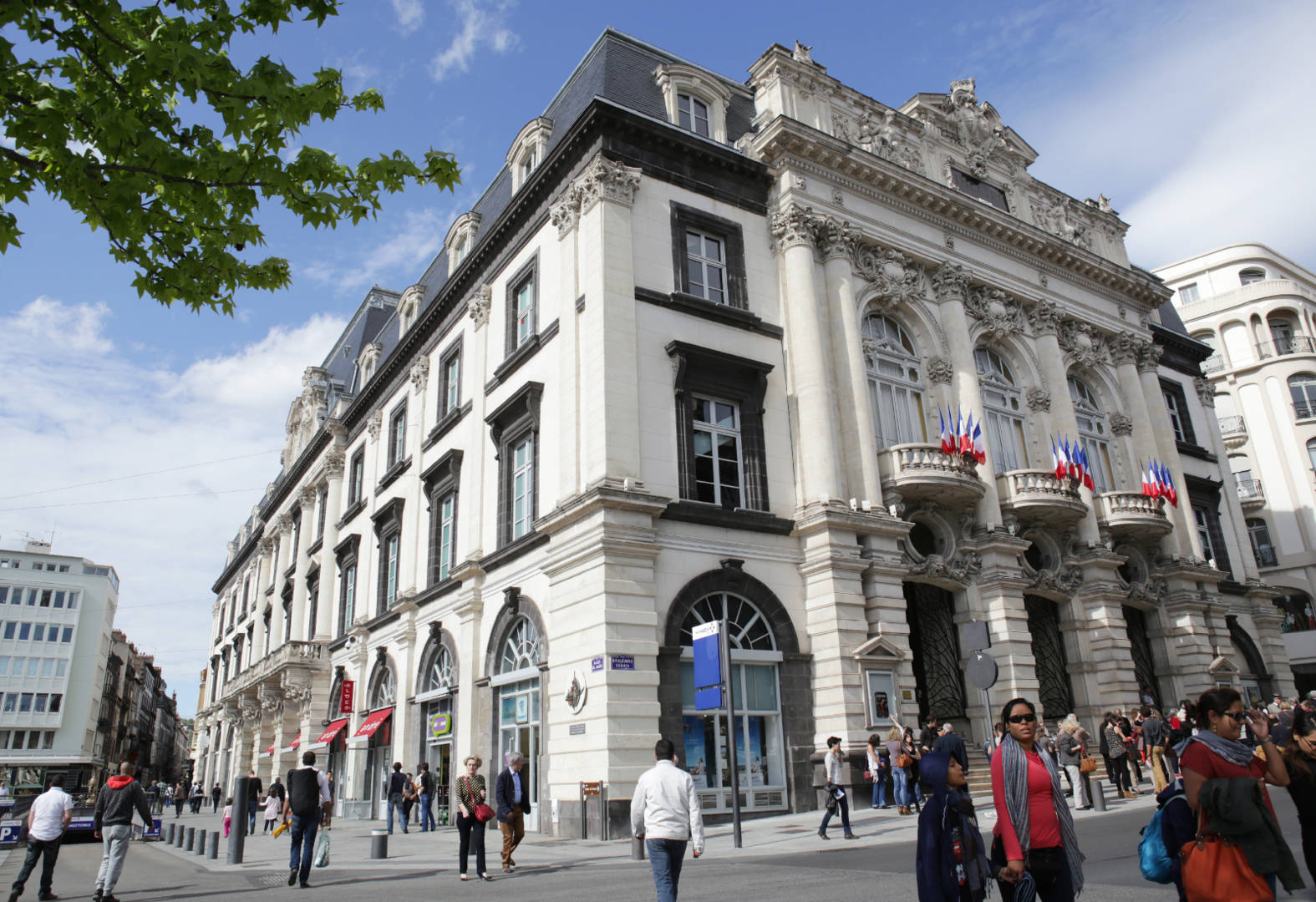
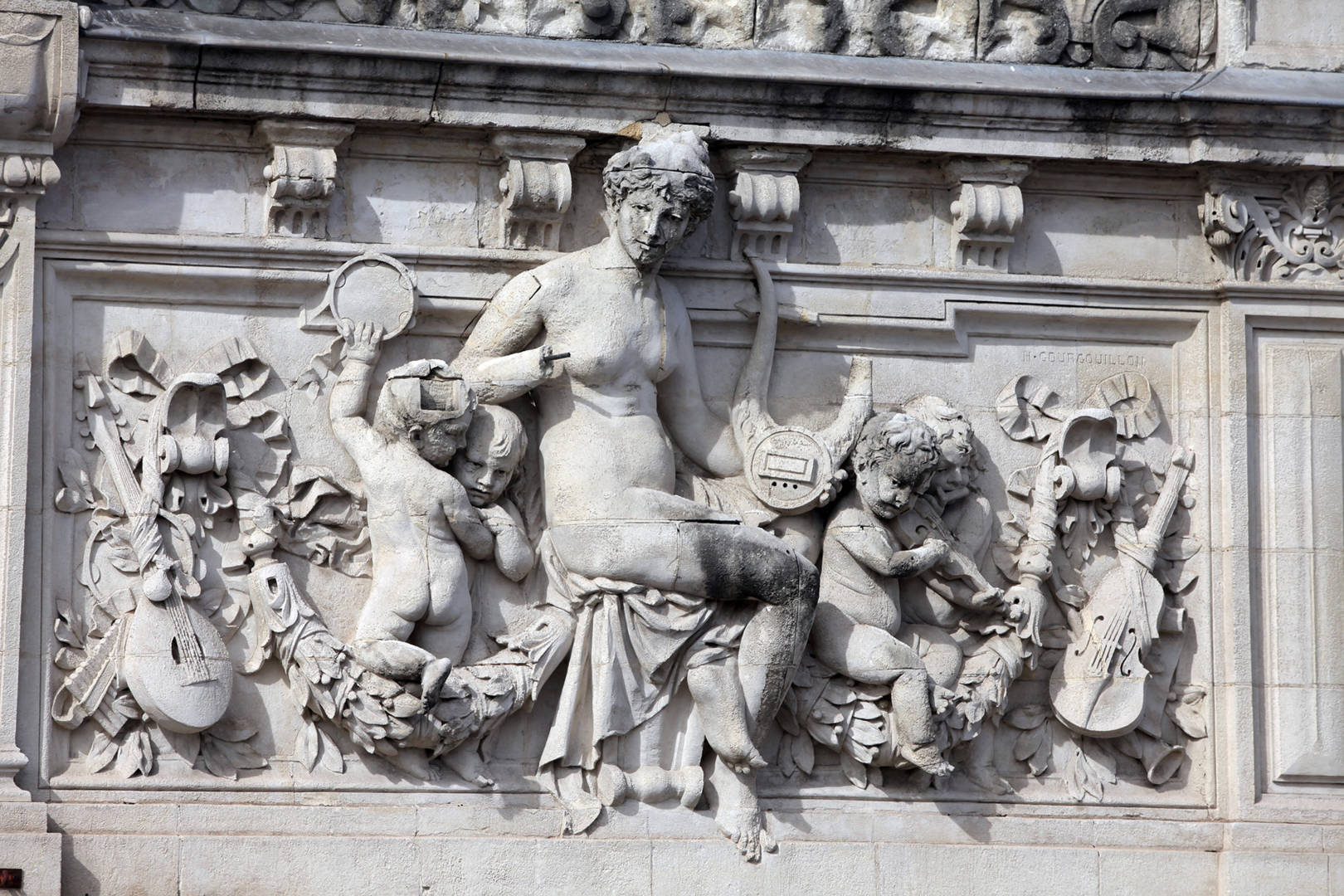
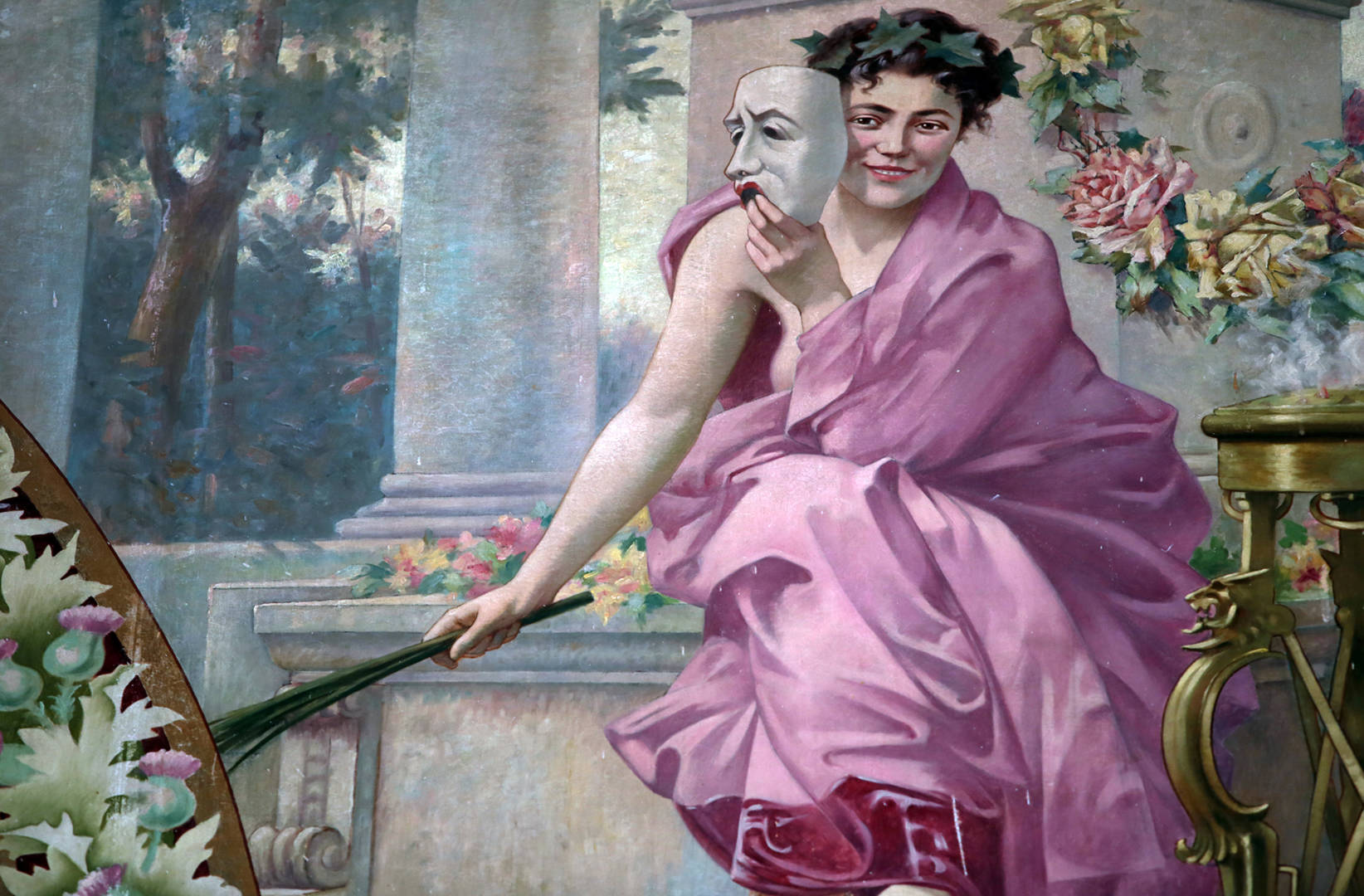
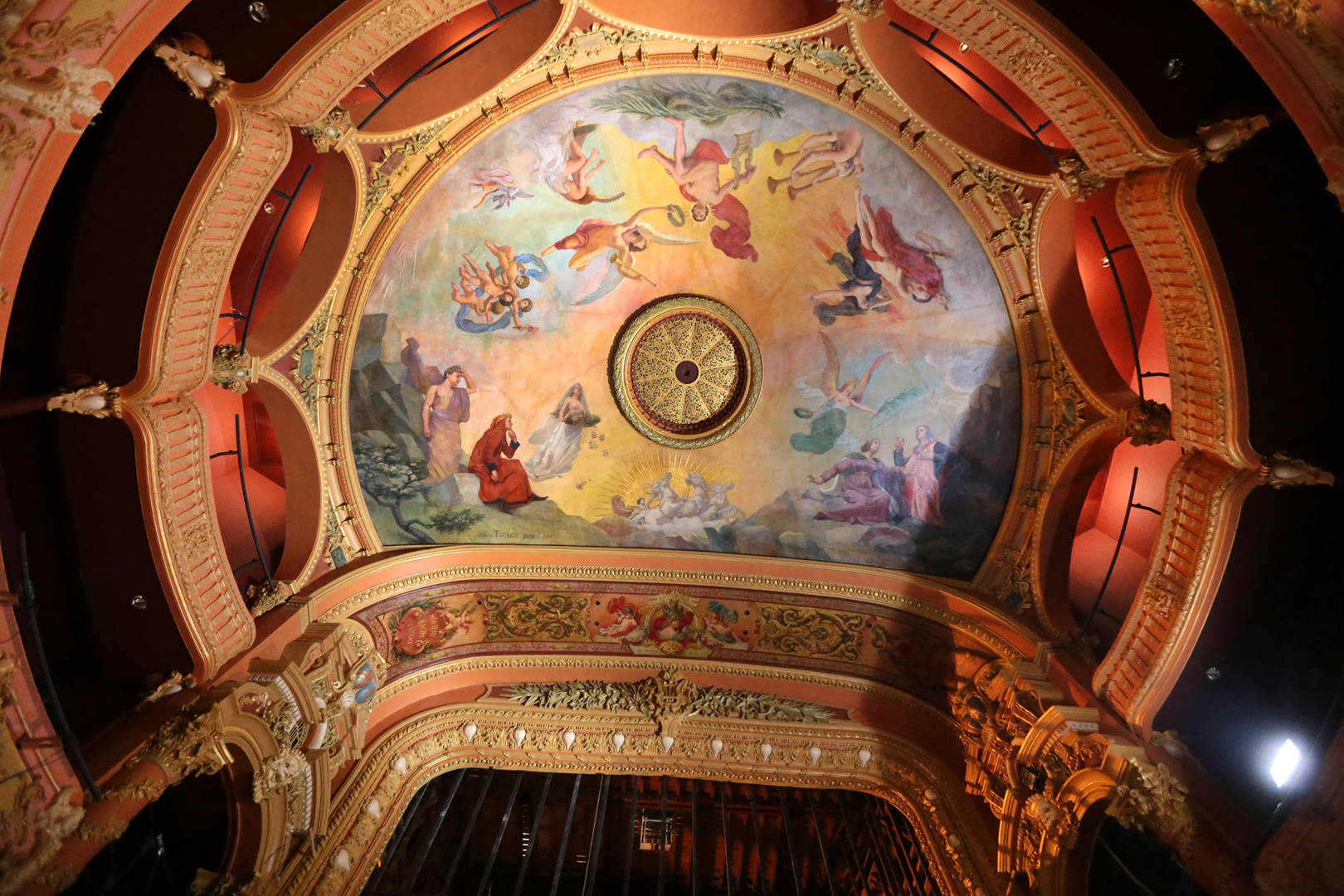
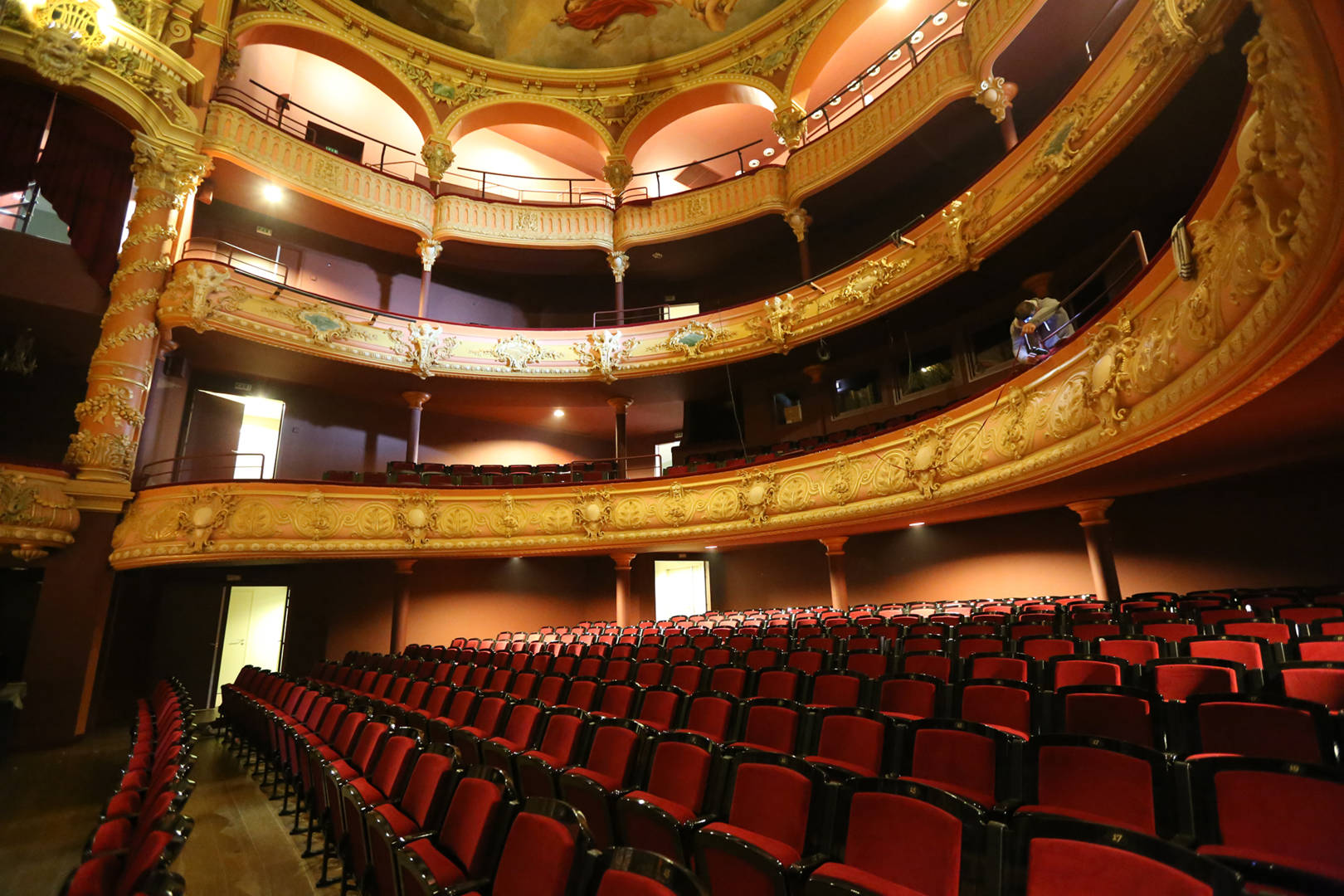
Since 1759, Clermont-Ferrand has seen several successive theatres, culminating in the present building on Place de Jaude, inaugurated in the 19th century with its monumental façade and Baroque decoration.
In 1759, Intendant Ballainvilliers commissioned the construction of Clermont’s first theatre, near what is now Place Thomas. The auditorium soon proved too small, and in 1807 a new building was inaugurated on the site of the Bishop’s gardens, on what is now Place de la Victoire. Criticised for its acoustics(…)
Spoken languages
Opening hours
All year round daily.
Downloadable :
Comfort, facilities and services
- Parking nearby
- Shows
- Theatre
Location
Environnements
Close to a public transportation, Bus stop < 500 m, Tram station < 500 m
You might also like…
-

-

The Vercingétorix statue
-
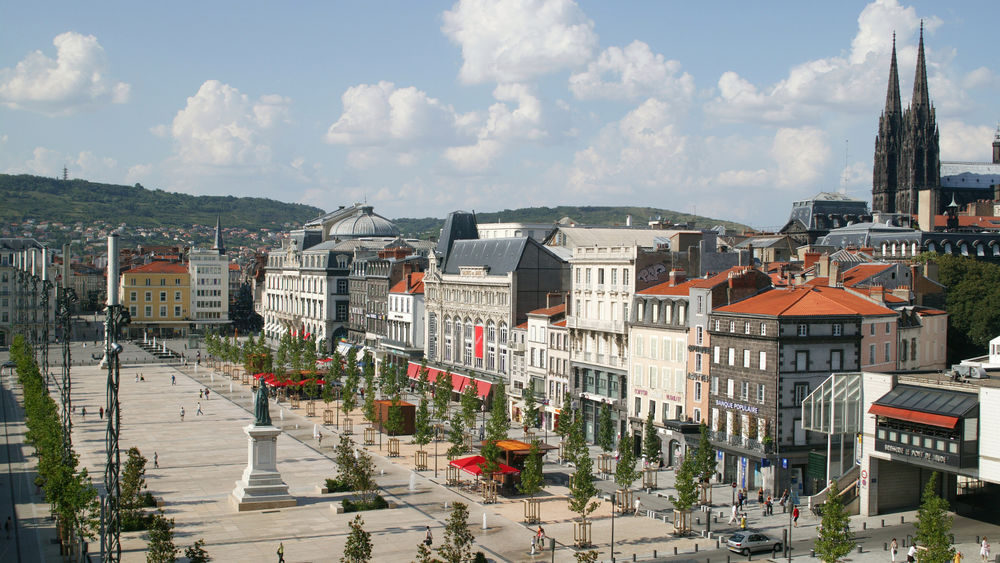
Place de Jaude
-

Les Amis de la Musique : Trio Éclipse
-

Les Amis de la Musique : Sextet
-

Les Amis de la Musique : Duo de harpes
-

PV | Opéra-Théâtre
-

Djamal B “Les Dernières” | Opéra-Théâtre
-

Les Aventurières de l’Oasis règlent leurs contes | Opéra-Théâtre
-

Vaslav | La Comédie de Clermont
-

La Chica & El Duende Orchestra | Clermont Auvergne Opéra
-

Concours Voix Nouvelles – Sélection régionale | Clermont Auvergne Opéra
-

Cendrillon | Clermont Auvergne Opéra
-

Ivresse Impériale | Clermont Auvergne Opéra
-

Best Offenbach | Clermont Auvergne Opéra
-

Fidelio | Clermont Auvergne Opéra
-

L’Orfeo | Clermont Auvergne Opéra
-

DIVA Syndicat | Clermont Auvergne Opéra
-

imagOri | Clermont Auvergne Opéra
-

Rêveries lyriques | Clermont Auvergne Opéra
-

Opera Fantasia | Clermont Auvergne Opéra
Photo credits : Ville de Clermont, Ville de Clermont-Ferrand, Ville de Clermont-Ferrand, Ville de Clermont-Ferrand, Ville de Clermont-Ferrand
 Updated on 3 November 2026 by Clermont Auvergne Volcans