
On the trail of wild mammals
Sallèdes
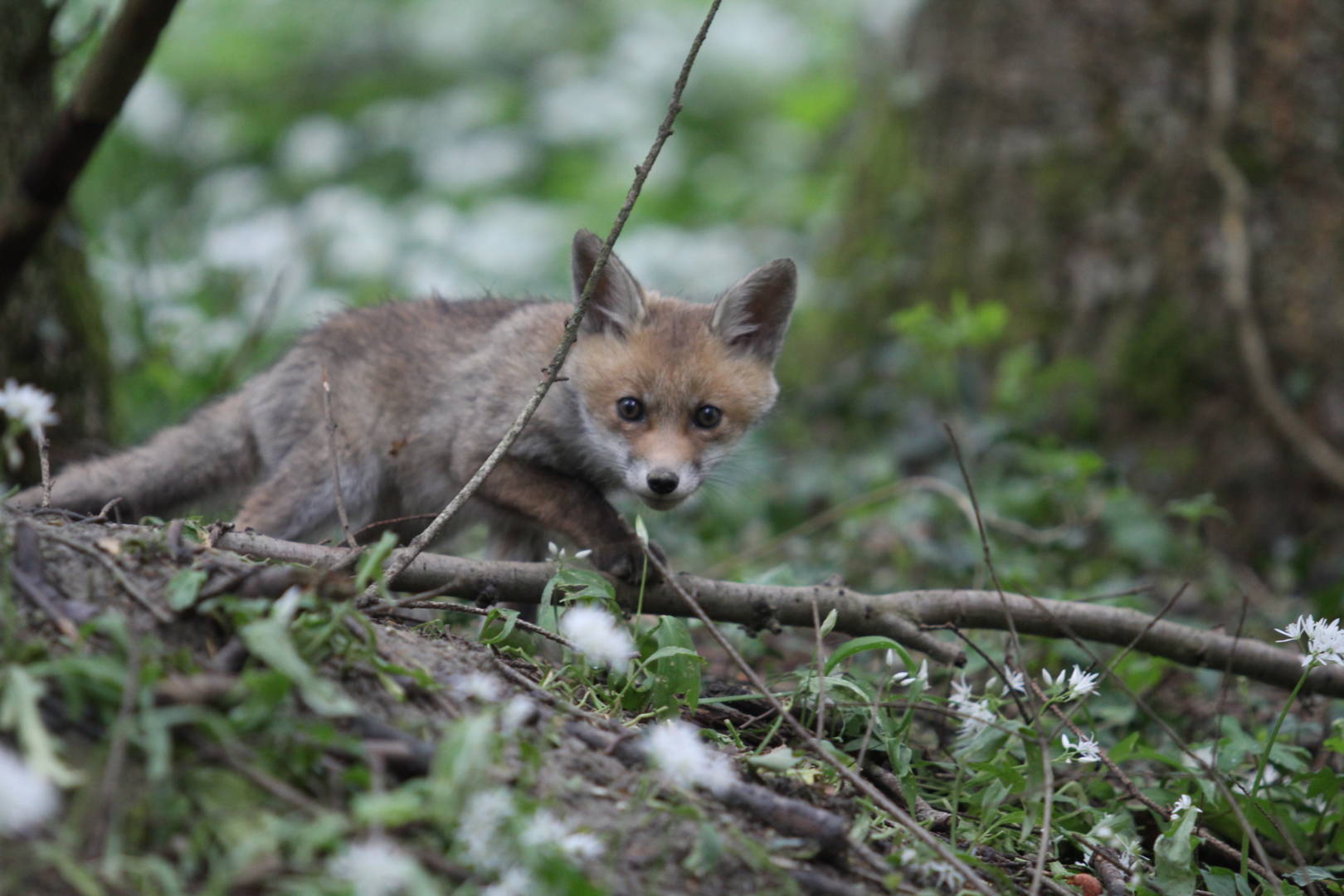
A walk in search of signs of the forest’s wild mammals, followed by a footprint-molding workshop.
How can we detect the presence of these discreet yet very present animals?
Simplified identification keys and clues (skulls, antlers, hair, fur, epreuves, nests, meal remains, etc.) will help you in your search. Through observations and questions, learn more about the biology and ecology of these mammals.
After(…)
Spoken languages
Availability and booking
Opening hours
Wednesday 29 July 2026 between 2 pm and 5 pm.
Prices and payment methods
- Free of charge. Reservations required.
Pets welcome
 No dogs allowed
Additional information
Equipment required: weather-appropriate clothing and closed-toe shoes.
Location
Photos: ©C. Tournadre
 Updated on 28 April 2026 by Conseil départemental du Puy-de-Dôme