
Architecture Thermale et Belle Epoque – Le Mont-Dore
Mont-Dore
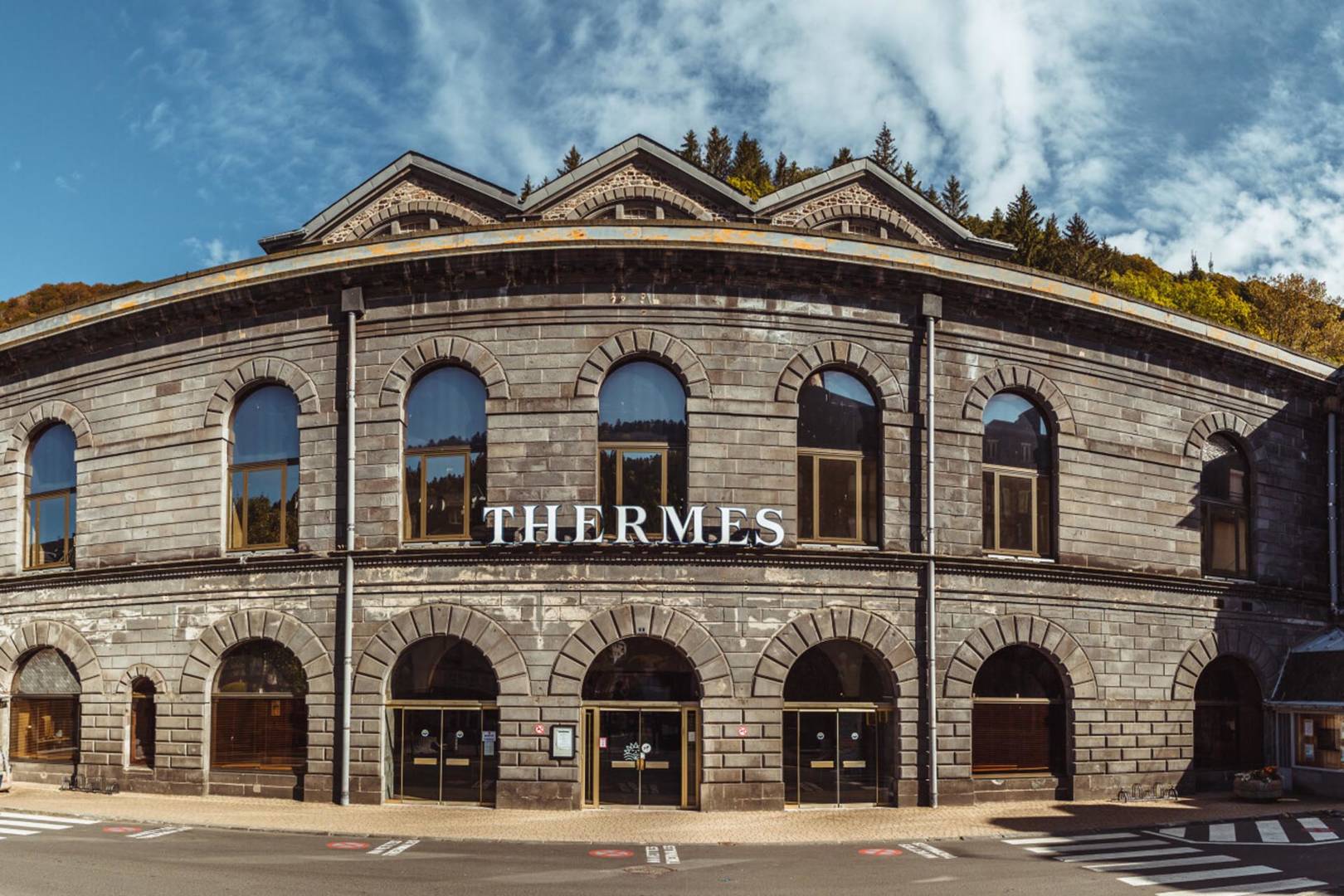
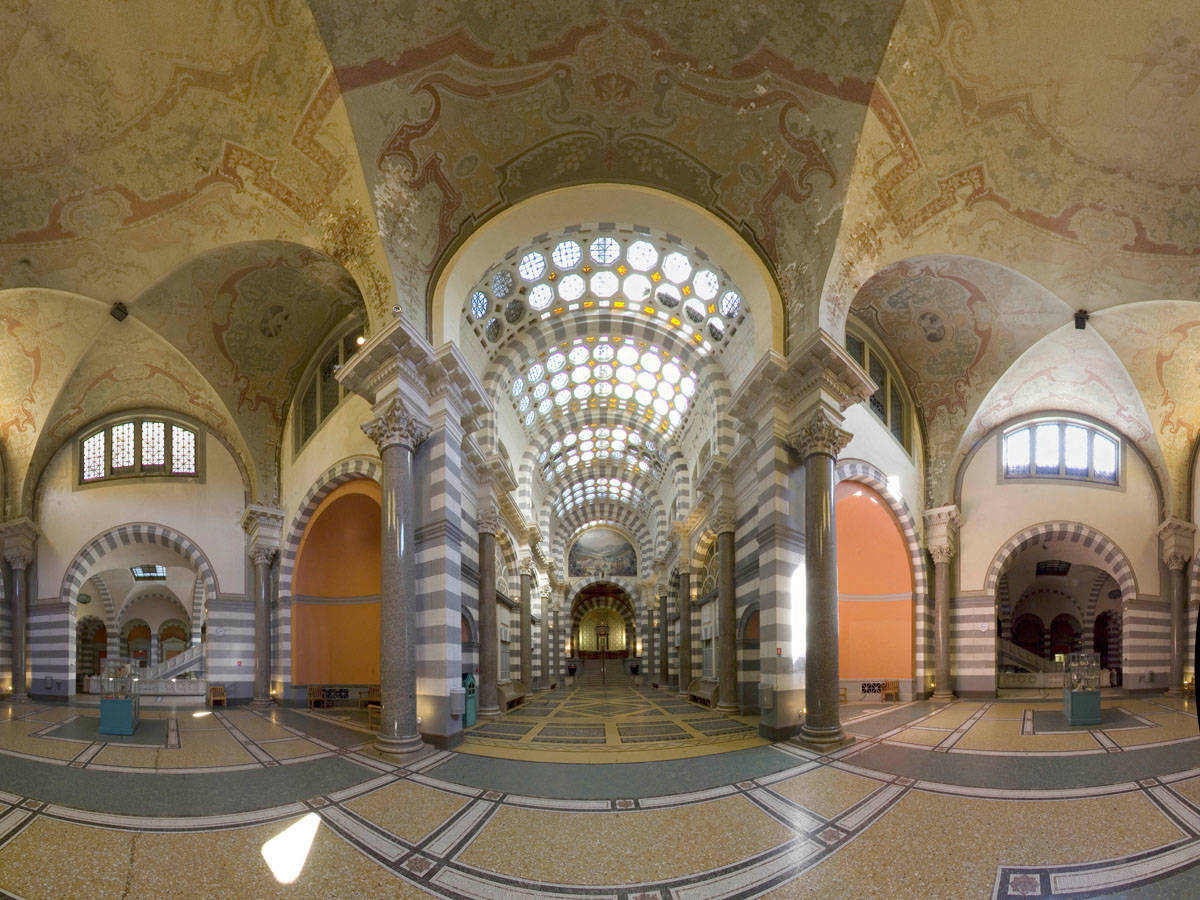
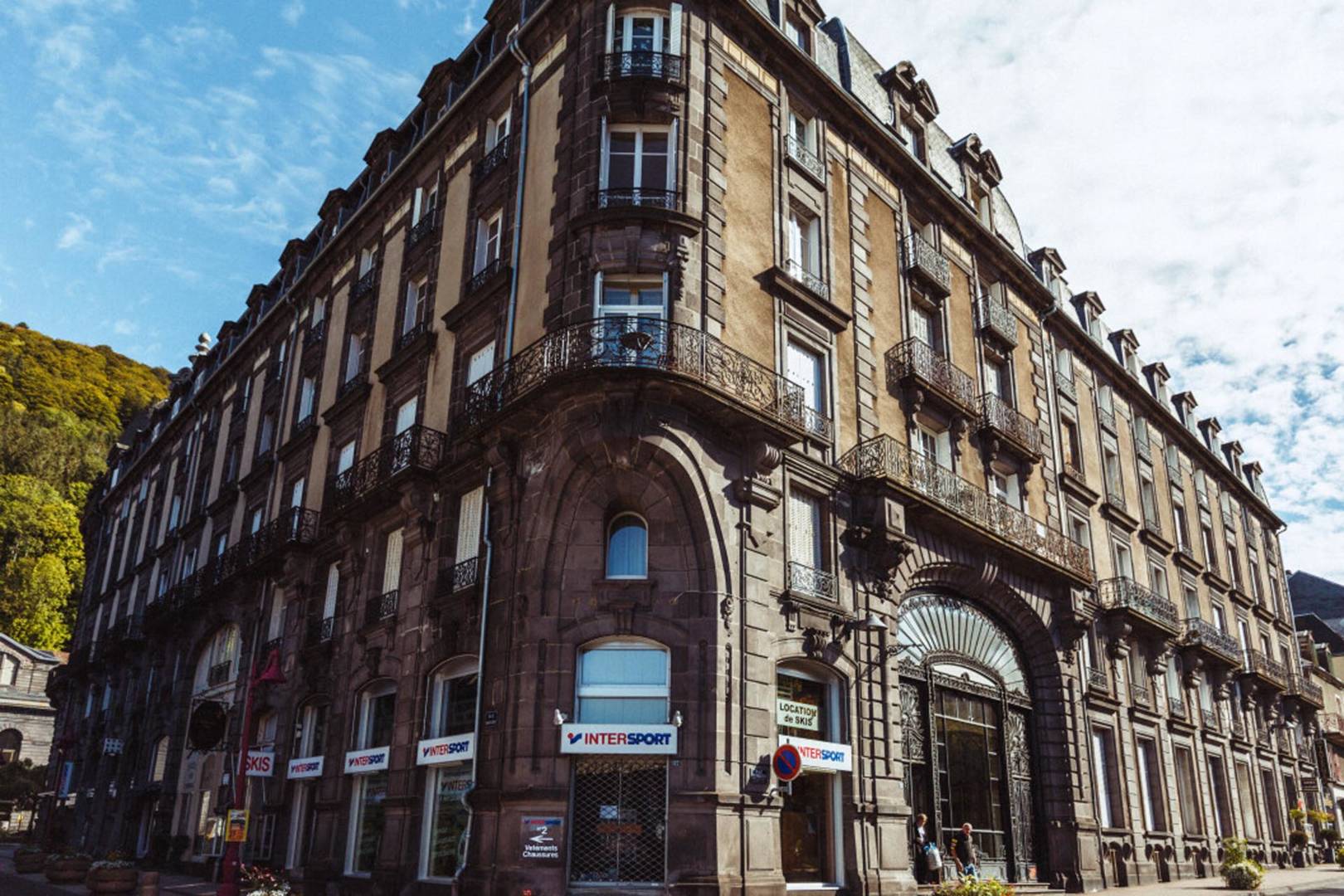
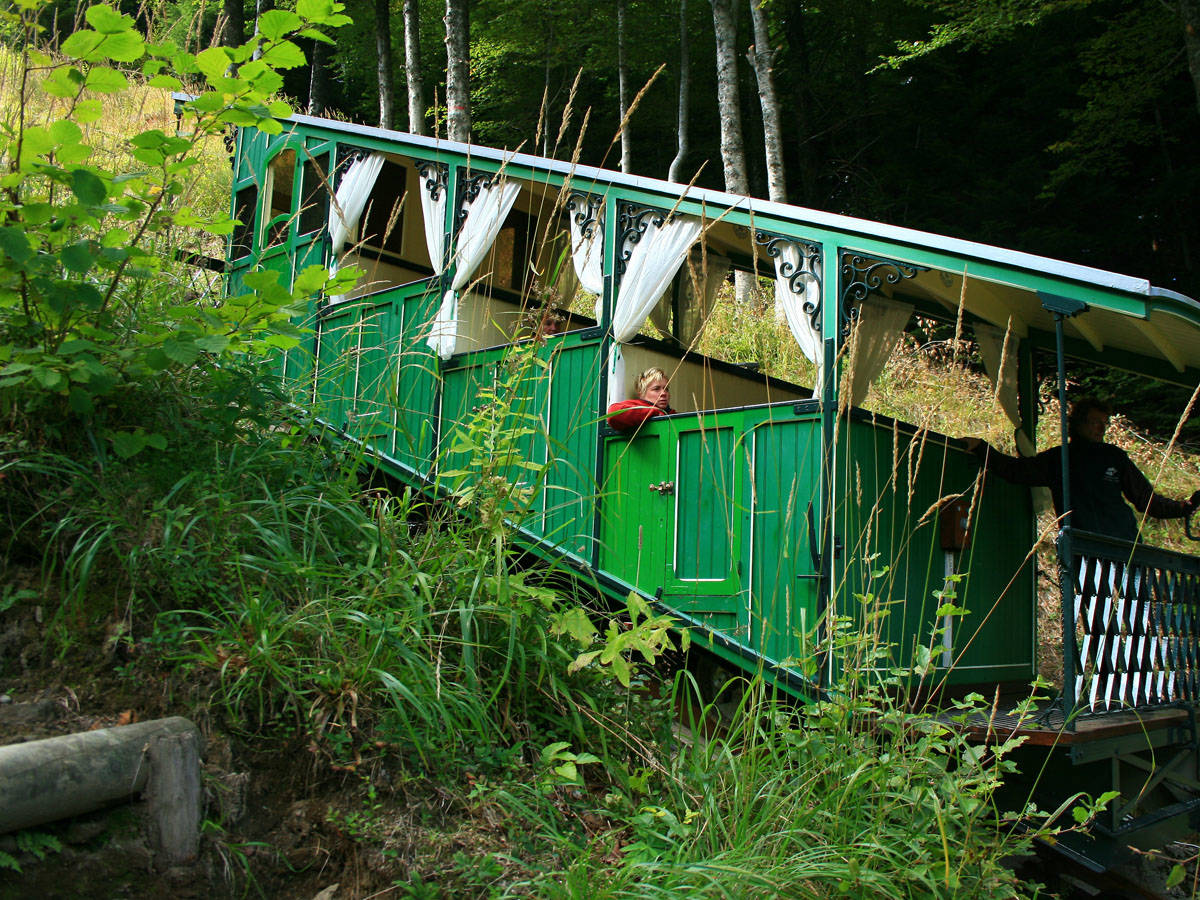
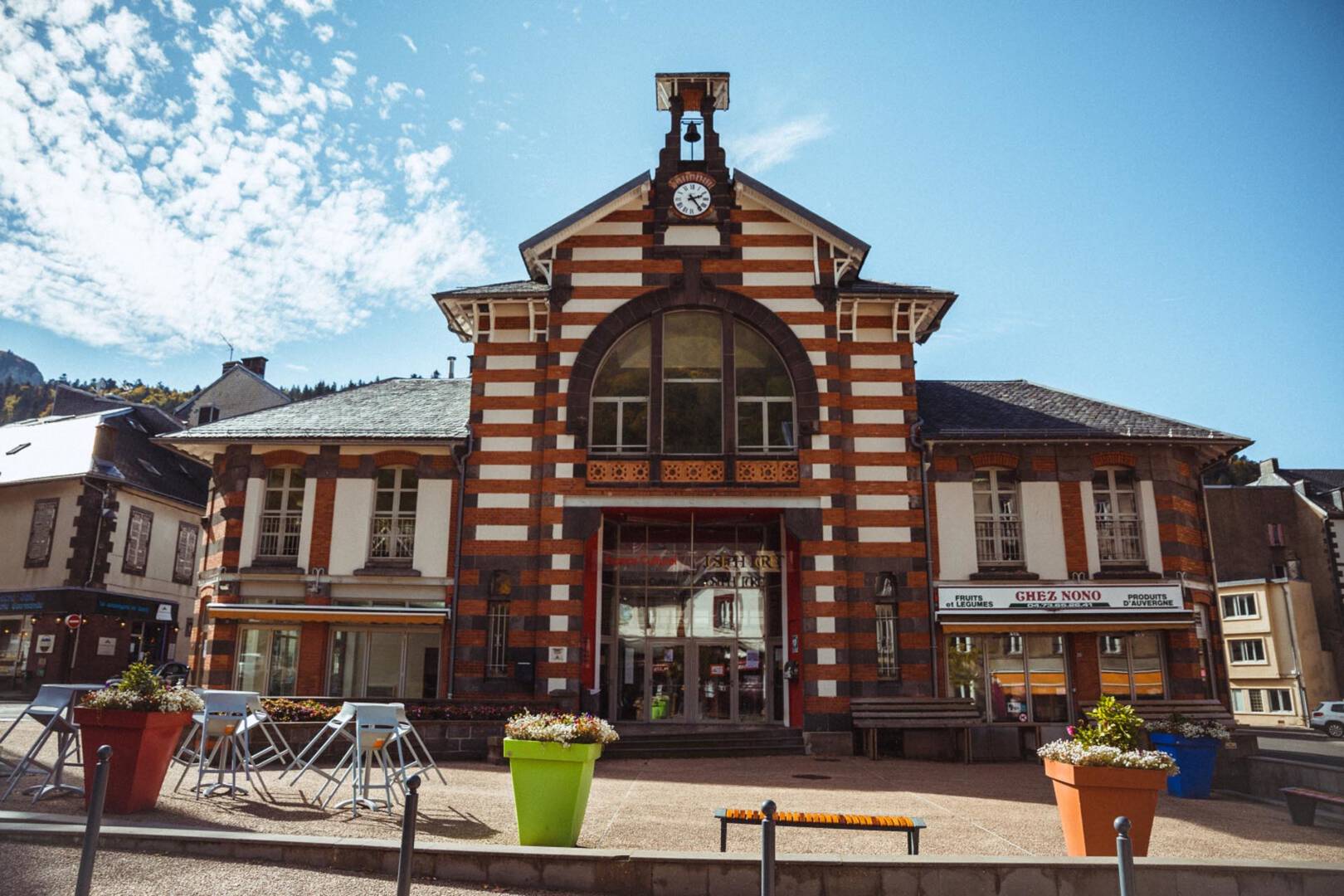
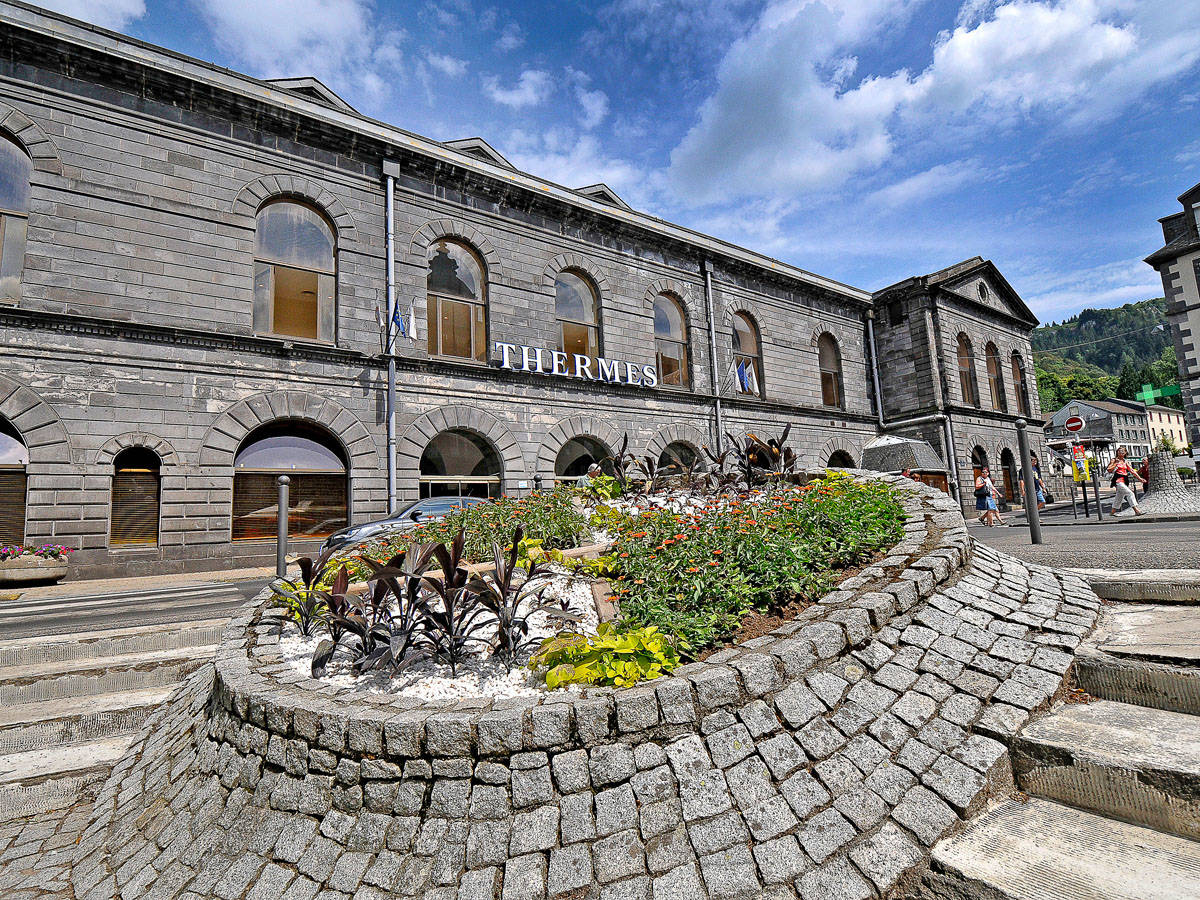
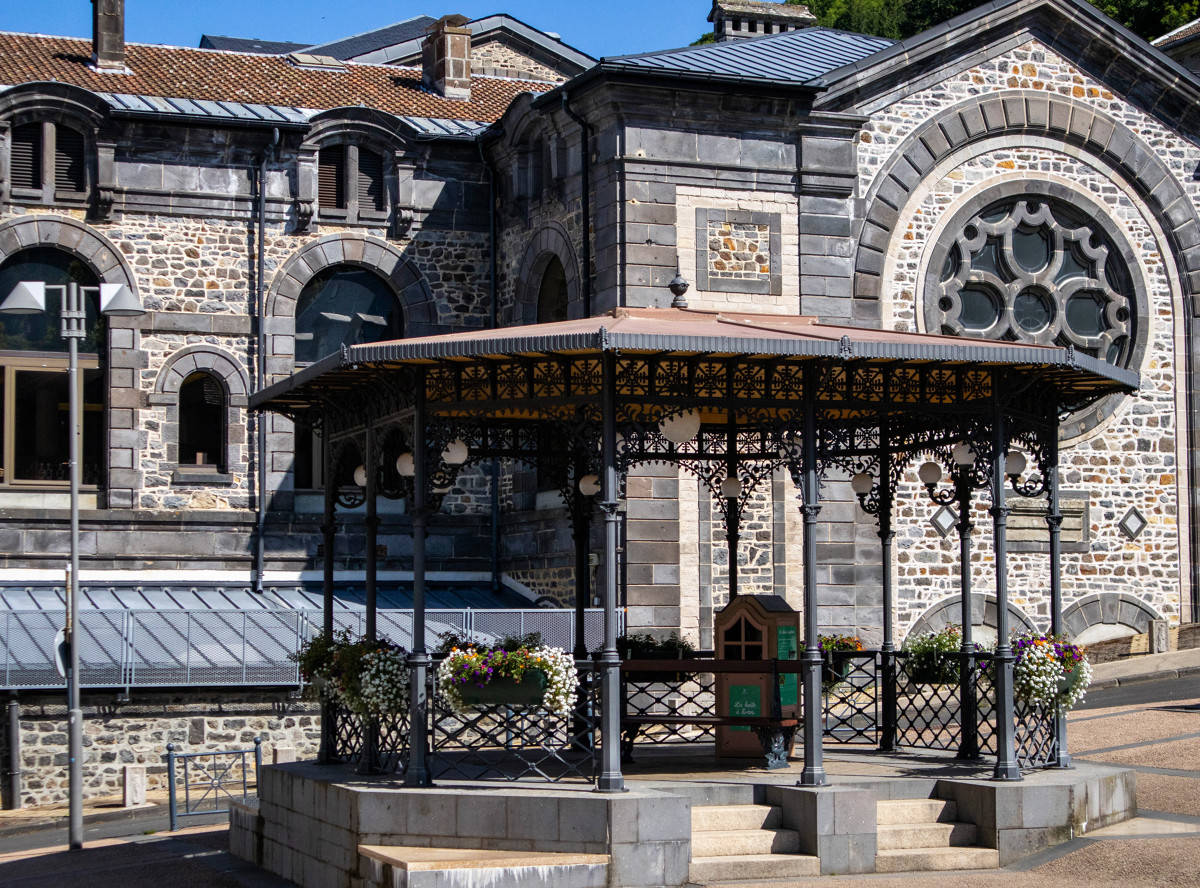
In addition to the exceptional architecture of the thermal baths, the town has a number of hotels and villas dating from the 19th century as well as a funicular railway dating from the same period, which allows you to become a socialite of the last century during your journey.
Here you can discover the current Le Mont-Dore thermal baths, the successor to the ancient Gallo-Roman buildings. Sumptuous and luxurious, this new temple of water dedicated to health was built by architect Charles Ledru in 1817, at the instigation of Préfet Ramond and the département.
Do you know why(…)
Spoken languages
Opening hours
All year round daily.
Prices and payment methods
- Free access.
Comfort, facilities and services
- Pets welcome
Pets welcome
 Dogs allowed
Location
Environnements
Town location, Close to GR footpath, In the historic centre
Photo credits : DR Office de tourisme du Sancy, DR Office de tourisme du Sancy, DR Office de tourisme du Sancy, DR Office de tourisme du Sancy, DR Office de tourisme du Sancy, DR Office de tourisme du Sancy, DR Office de tourisme du Sancy
 Updated on 29 May 2026 by Office de Tourisme du Massif du Sancy