
Buron de Bosberty
Anzat-le-Luguet
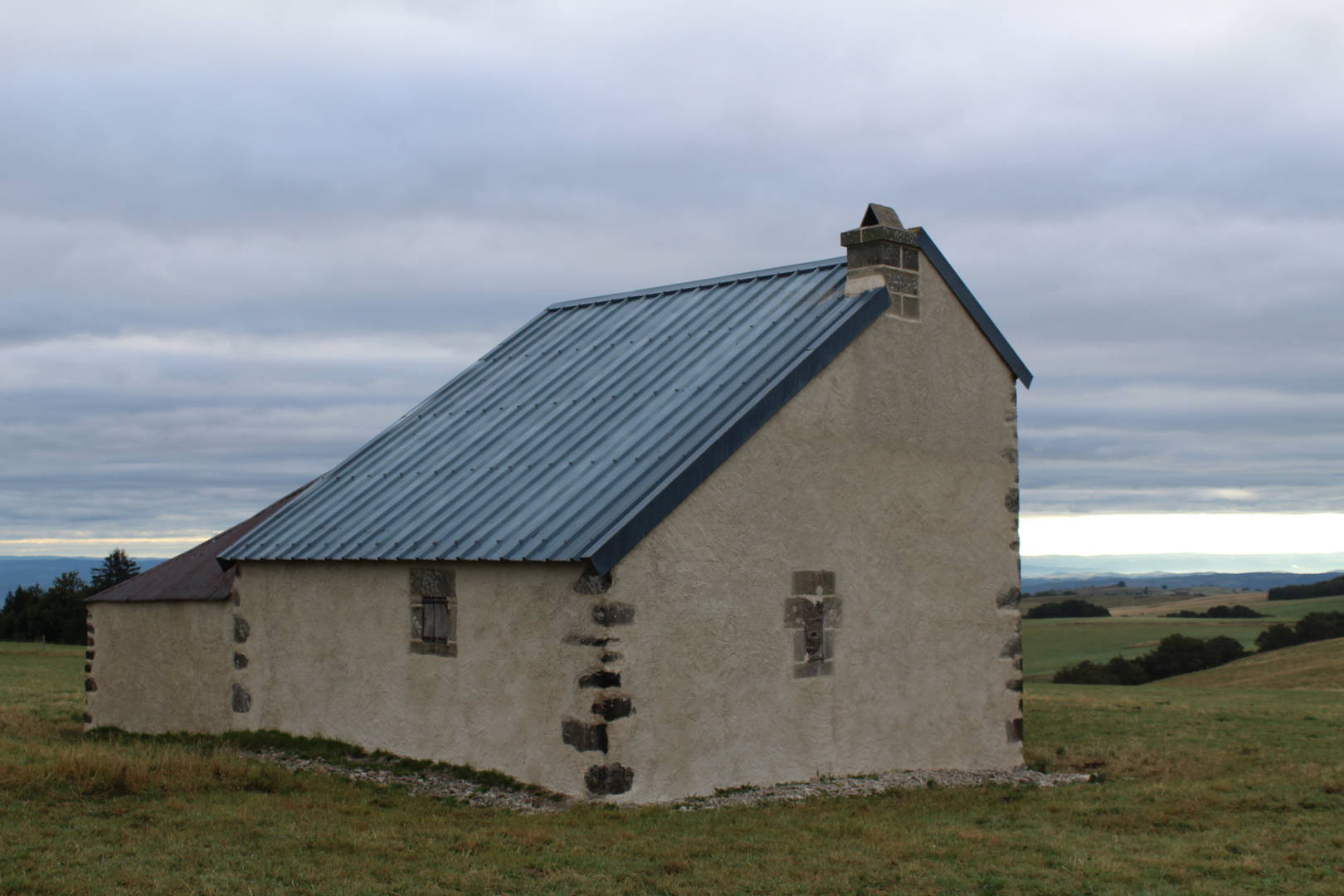
Temporary dwellings at altitude during the summer grazing season. There are still a few burons in the commune, more or less in good condition. The Napoleonic cadastre notes that they were grouped together in the mountains, forming “villages de tras ou burons”.
The 1989 inventory of the Cézallier burons by architects Magentiès and Trink noted the dates inscribed on the burons (from 1782 to 1947). Some of these holes may have been simple shelters built by shepherds to protect themselves from the wind and weather.
Hollows can also be found around(…)
Spoken languages
Opening hours
All year round daily.
Prices and payment methods
- Free access.
Location
Photo credits : iti
 Updated on 10 August 2025 by Auvergne Pays d’Issoire