
Château-Mairie de Pérignat-lès-Sarliève
Pérignat-lès-Sarliève

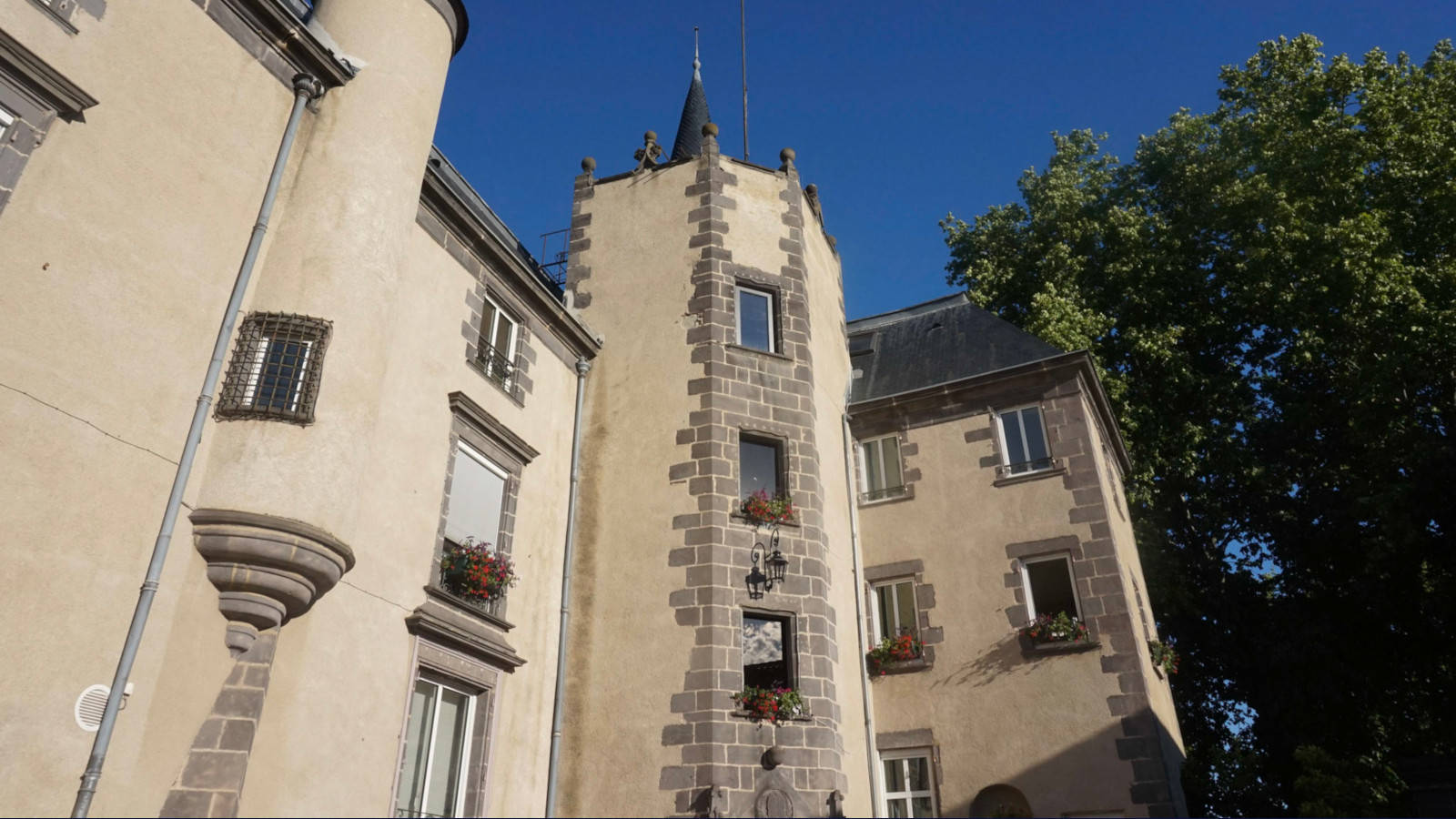
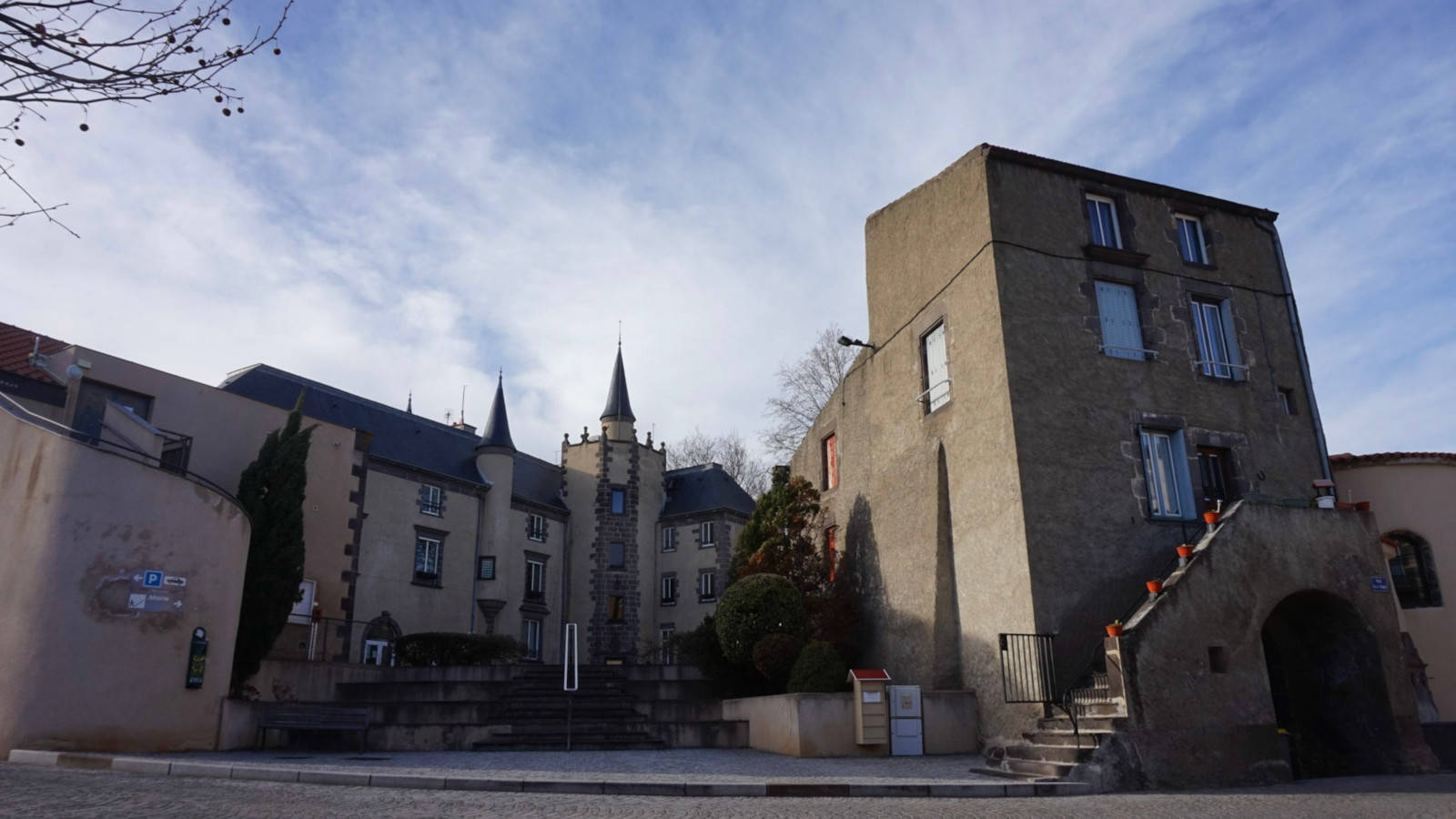
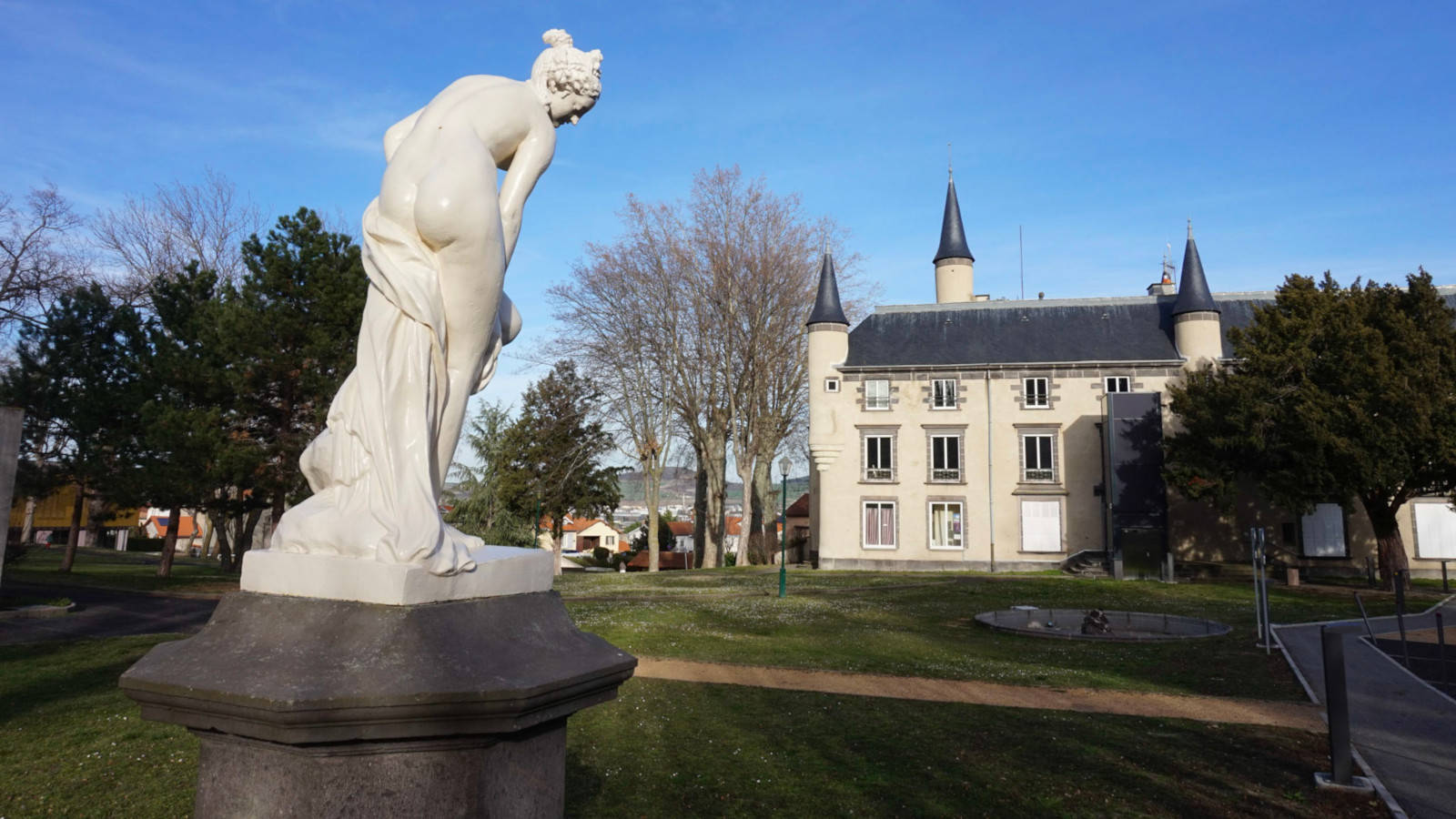
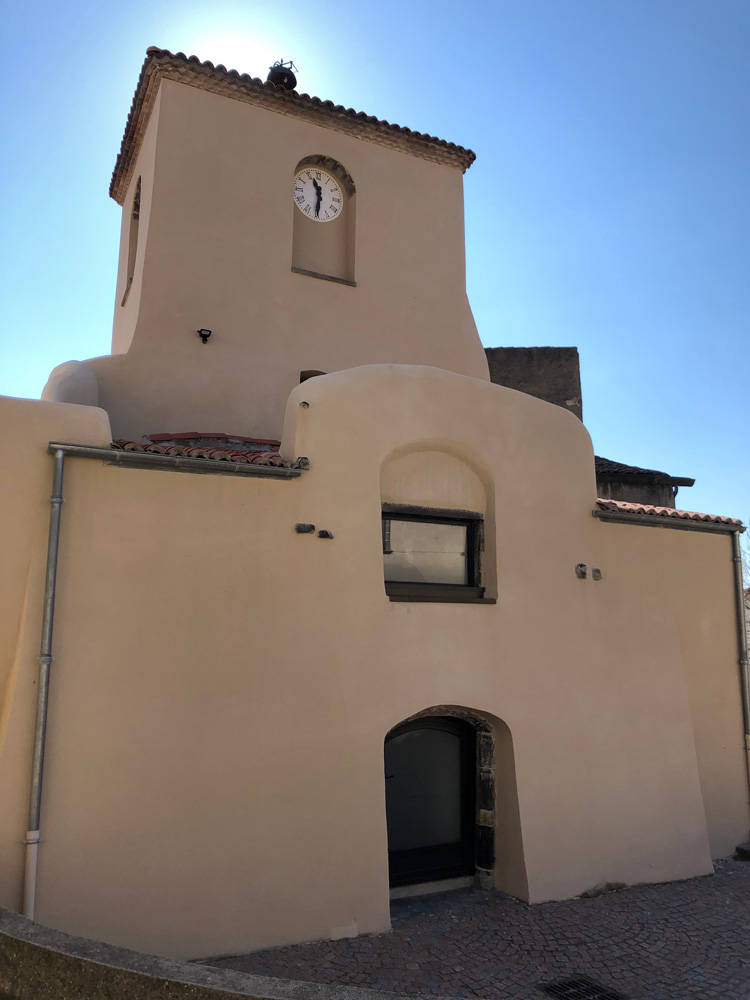
The Pérignat-lès-Sarliève town hall is located in a château whose origins date back to medieval times. Nearby is a former 11th century chapel.
In the Middle Ages, the château was owned by the Lords of Pérignat, but changed hands several times over the centuries, becoming in 1609 the property of Guy Durant, tax collector in Clermont. His coat of arms can be seen above the entrance to the château. His descendants owned the(…)
Opening hours
All year round daily.
Prices and payment methods
- Free access.
Comfort, facilities and services
- Play area
Location
Environnements
Close to a public transportation, Bus stop < 500 m
Accès
Stop at Eglise de Pérignat, line 13.
You might also like…
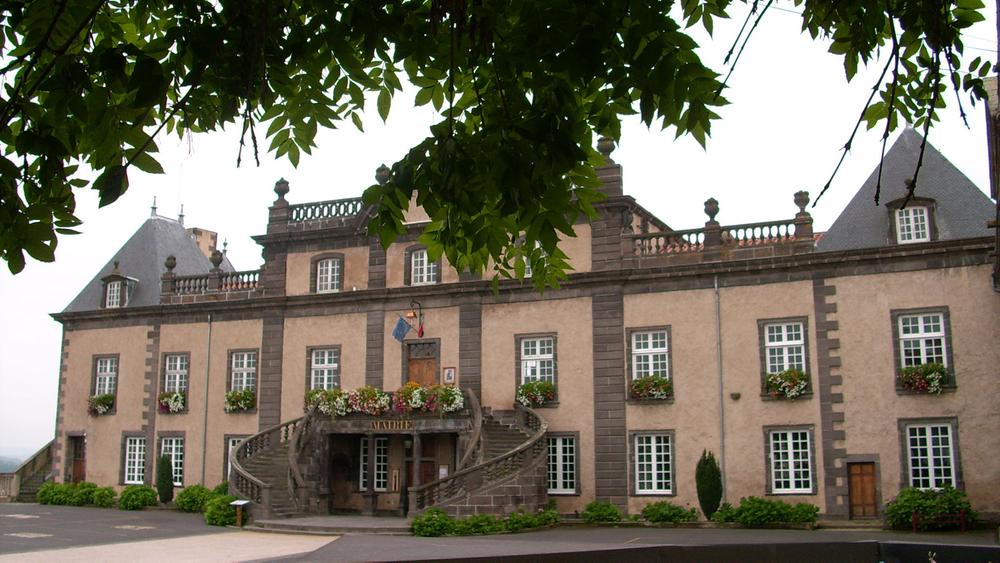


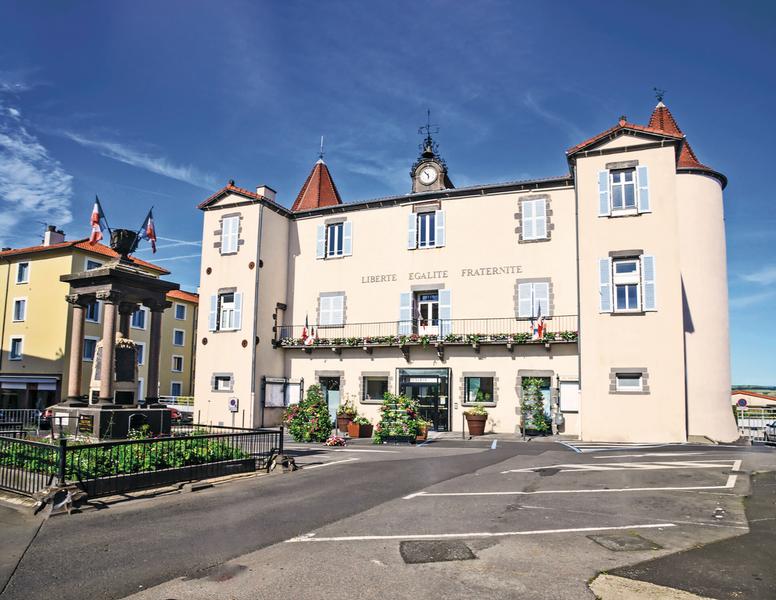
Photo credits : Clermont Auvergne Métropole, MARQ / Photo Florent Giffard, ESM-CAT, ESM-CAT, ESM-CAT, Clermont Auvergne Métropole, MARQ / Photo Florent Giffard
 Updated on 12 May 2026 by Clermont Auvergne Volcans