
Saint-Pardoux church
La Tour-d’Auvergne

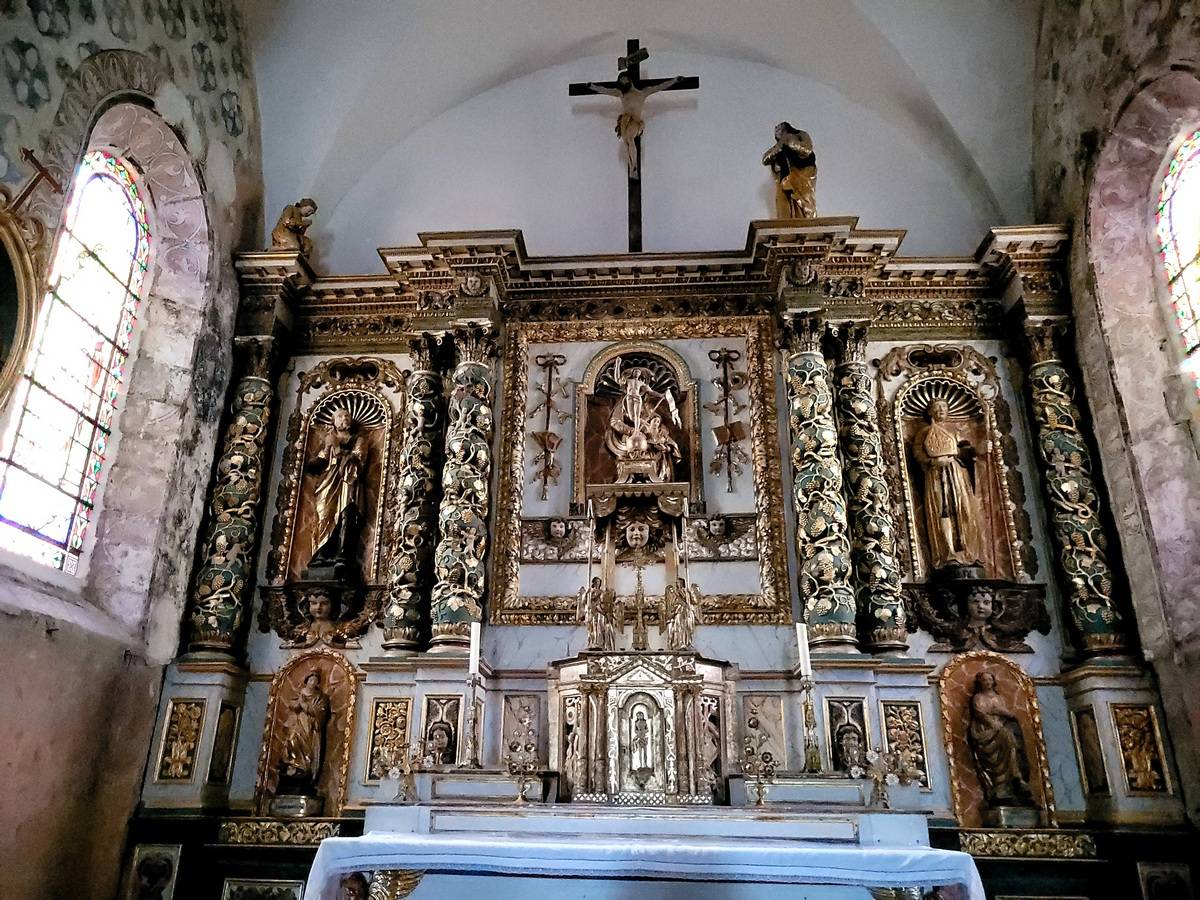
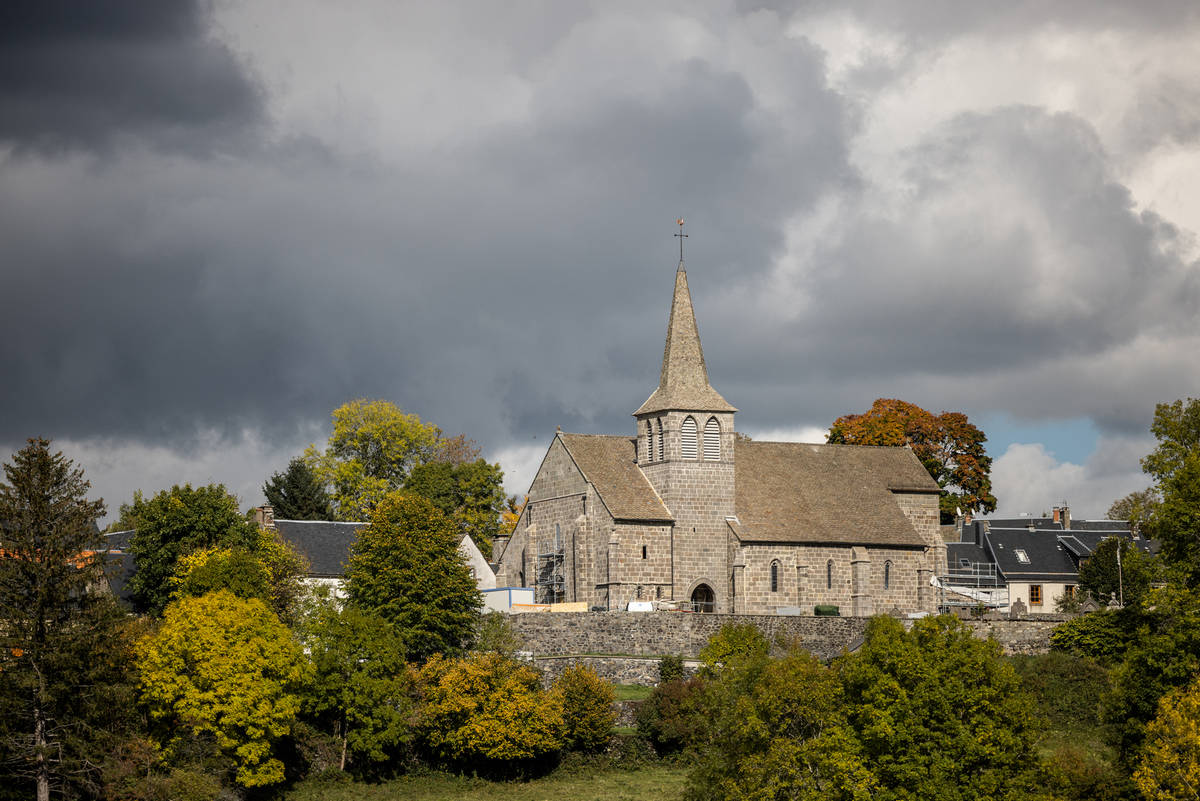
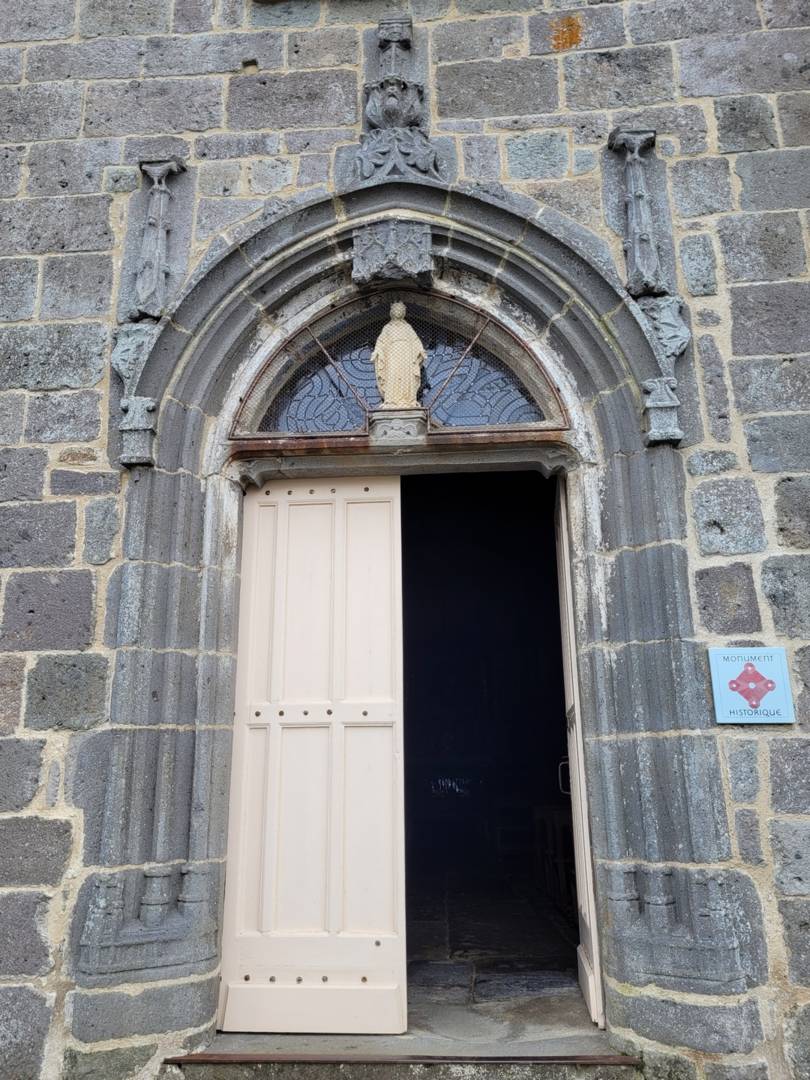
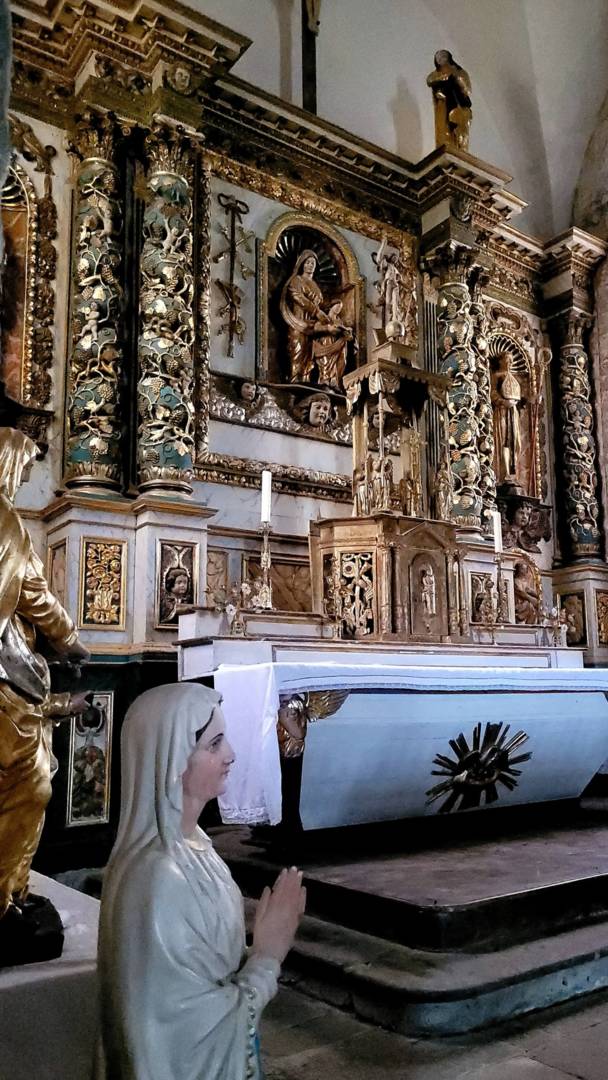
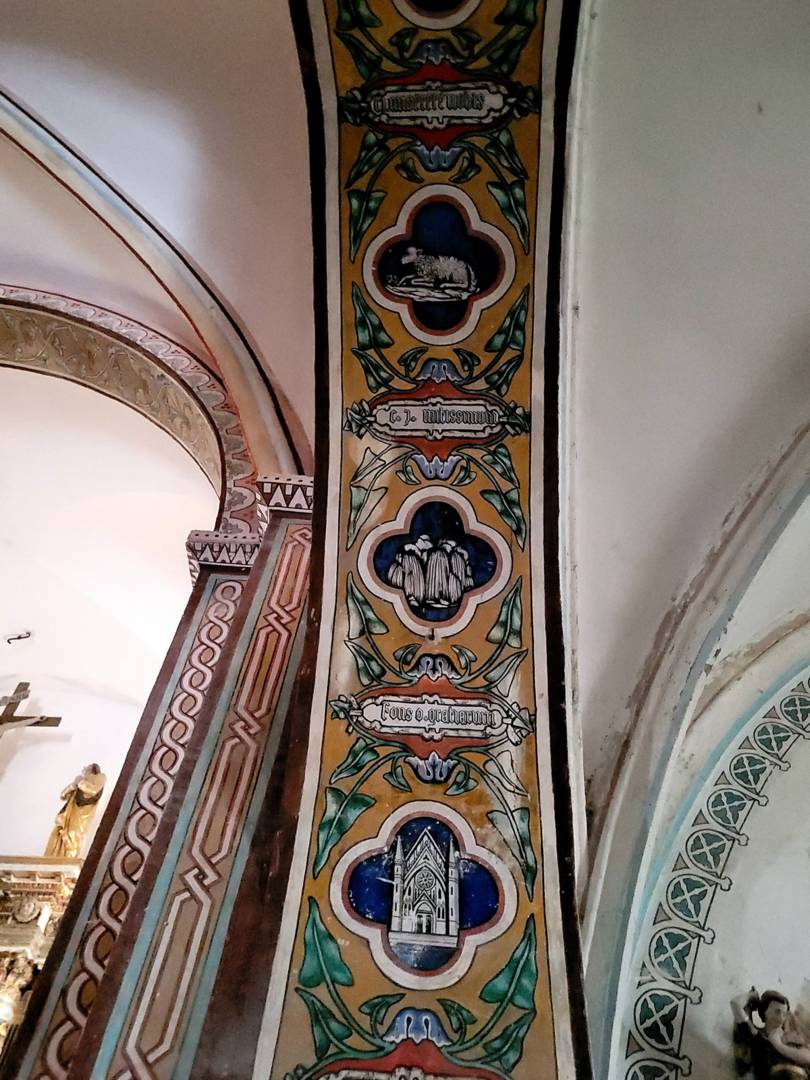
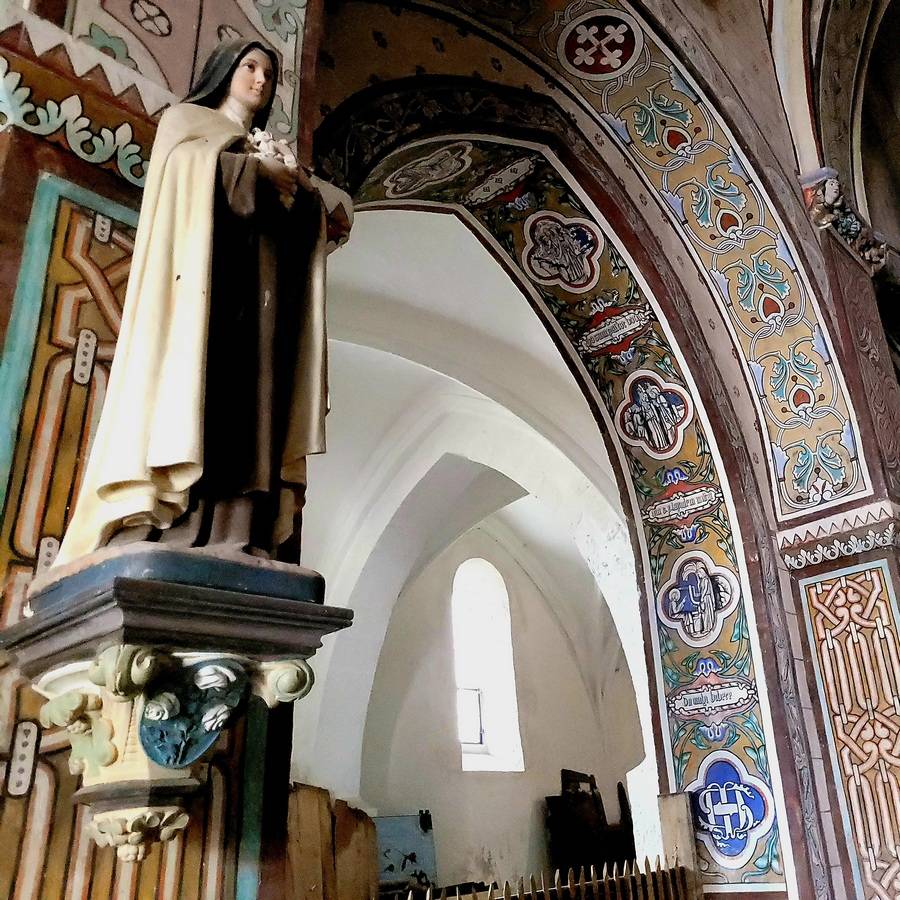
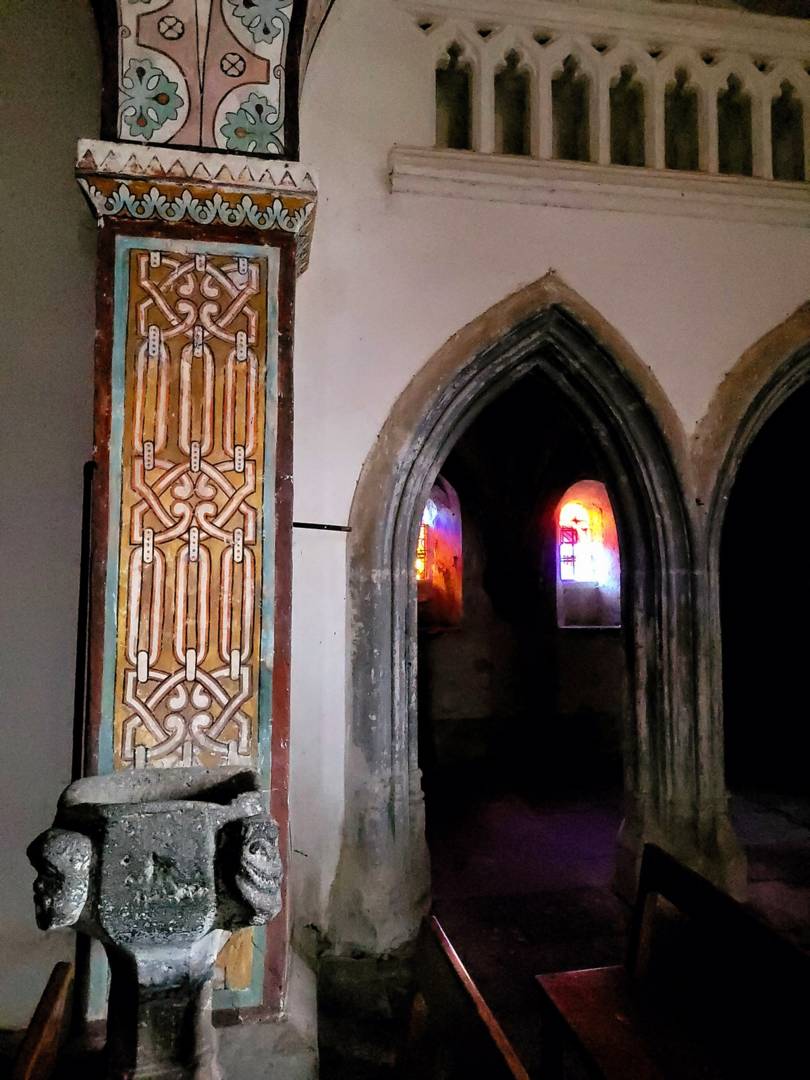
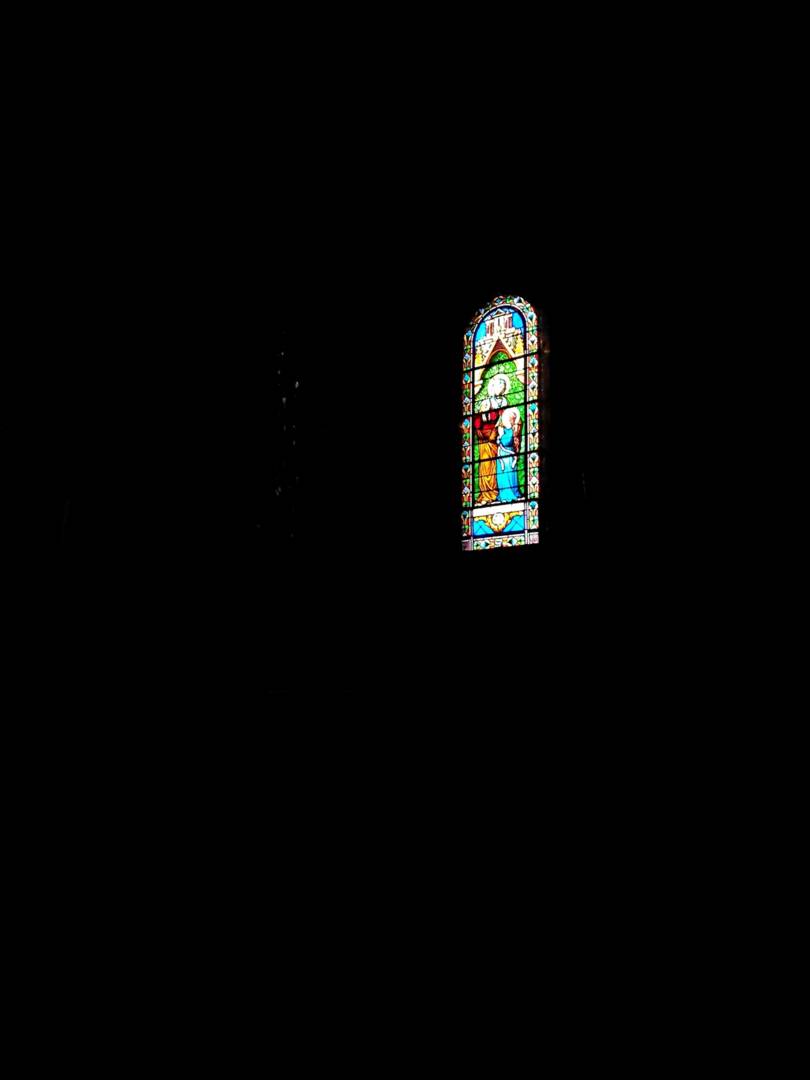
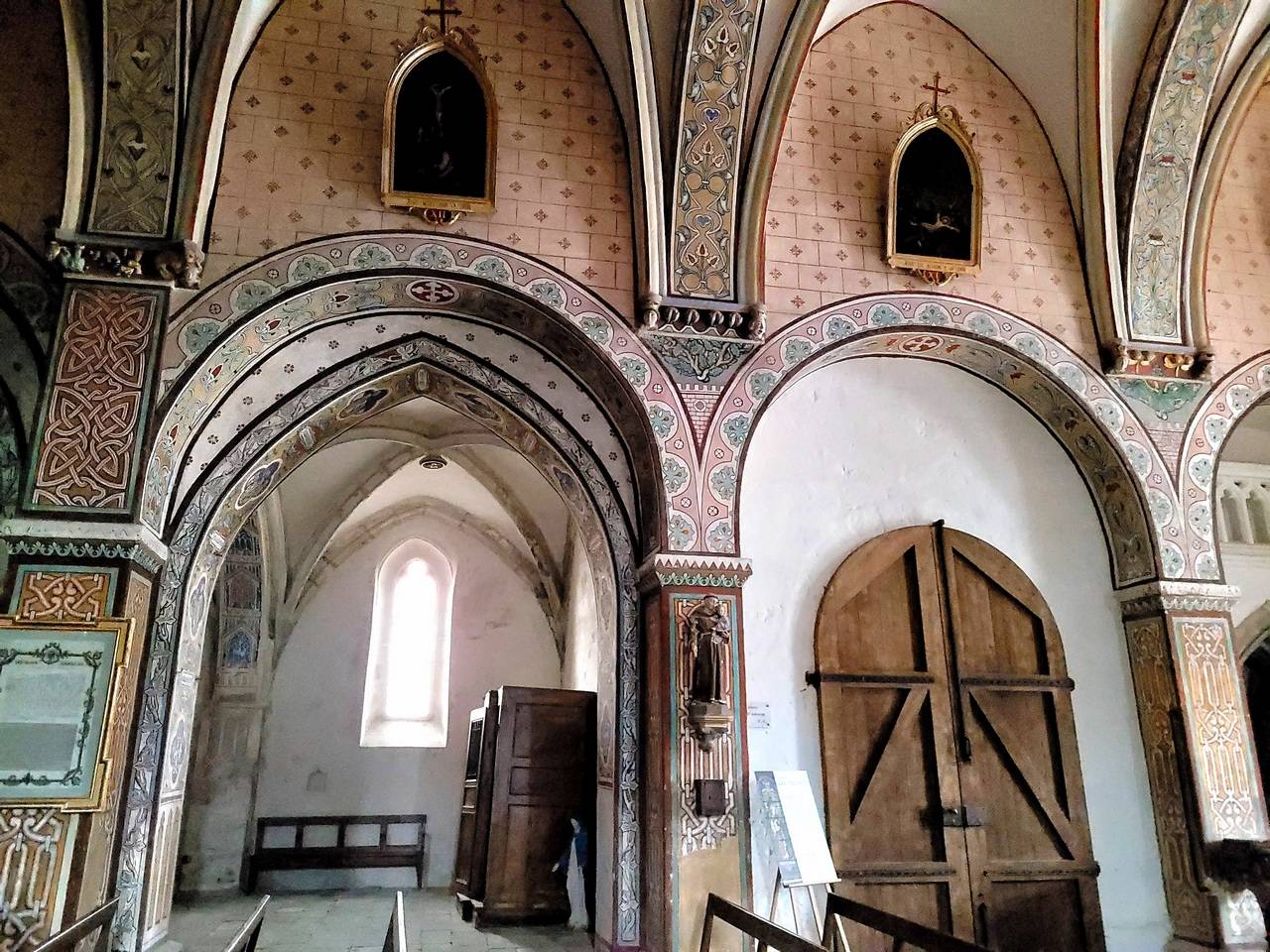
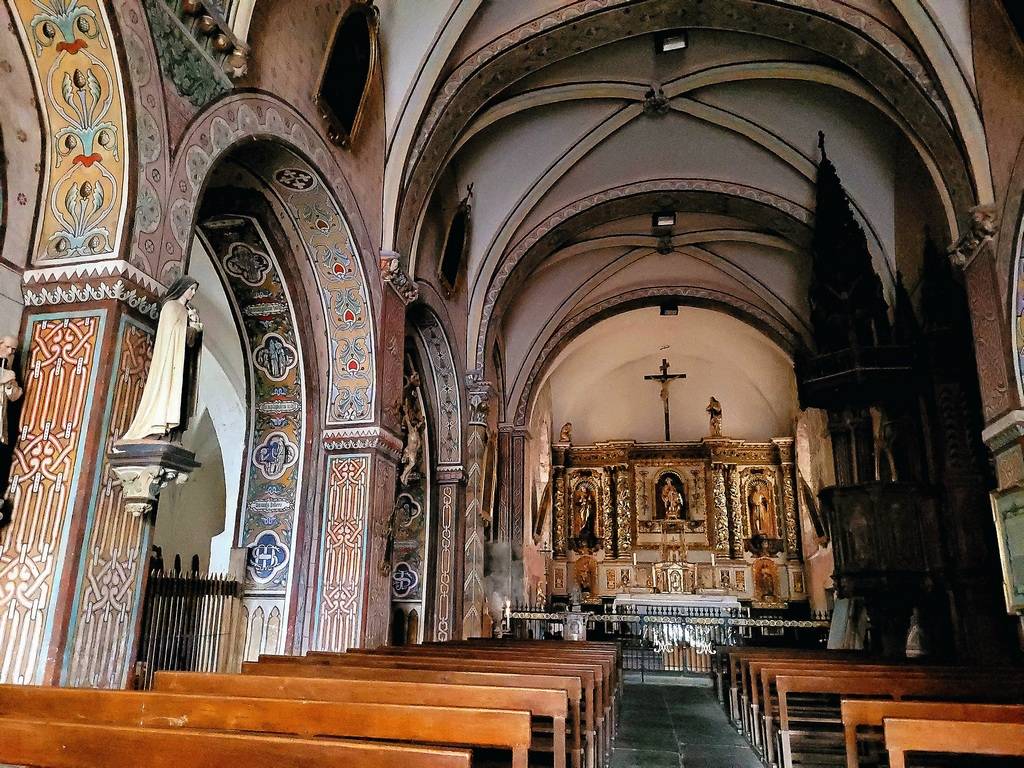
Listed as a Historic Monument, it’s nicknamed the “little cathedral of the fields”. It comprises a Romanesque base, portal and central nave dating from the 12th century, on which a Gothic edifice was erected in the 13th century.
In the 13th century, a Gothic building was erected on the Romanesque foundations. The southern entrance portal remains from this Romanesque edifice (17th-century painting).
The church also features a large triumphal arch (resting on engaged columns surmounted by capitals with plant motifs). According to tradition, this arch marked the(…)
Spoken languages
Opening hours
All year round daily between 10 am and 7 pm.
Downloadable :
Comfort, facilities and services
- Car park
- Parking nearby
Location
Photo credits : A.MONIER, D.GONTHIER, A.MONIER, A.monier, A.MONIER, A.MONIER, A.MONIER, A.MONIER, A.MONIER, A.MONIER
 Updated on 6 July 2026 by Office de Tourisme Auvergne VolcanSancy