
Church of Notre-Dame de l’Assomption
Montpeyroux
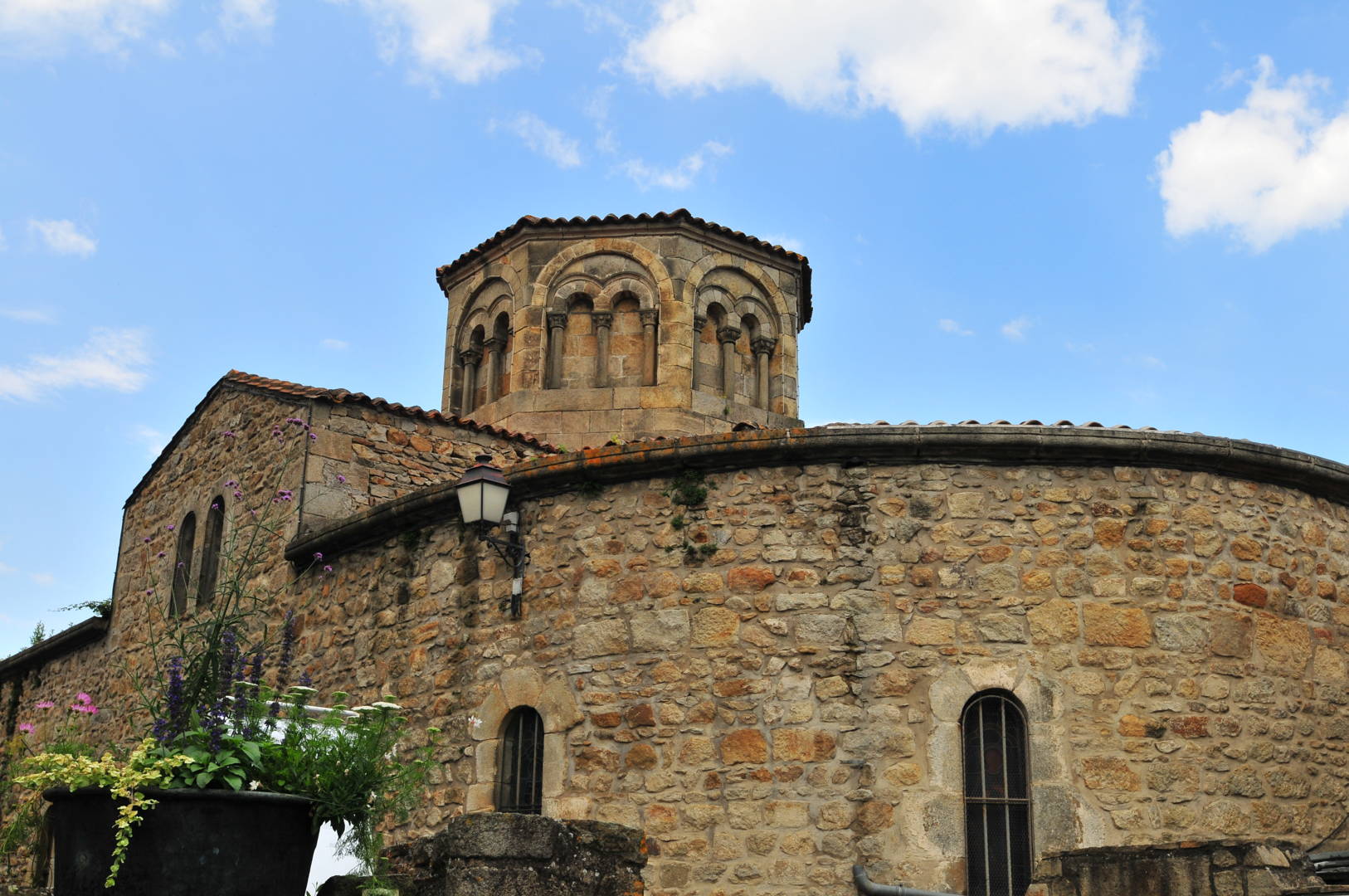
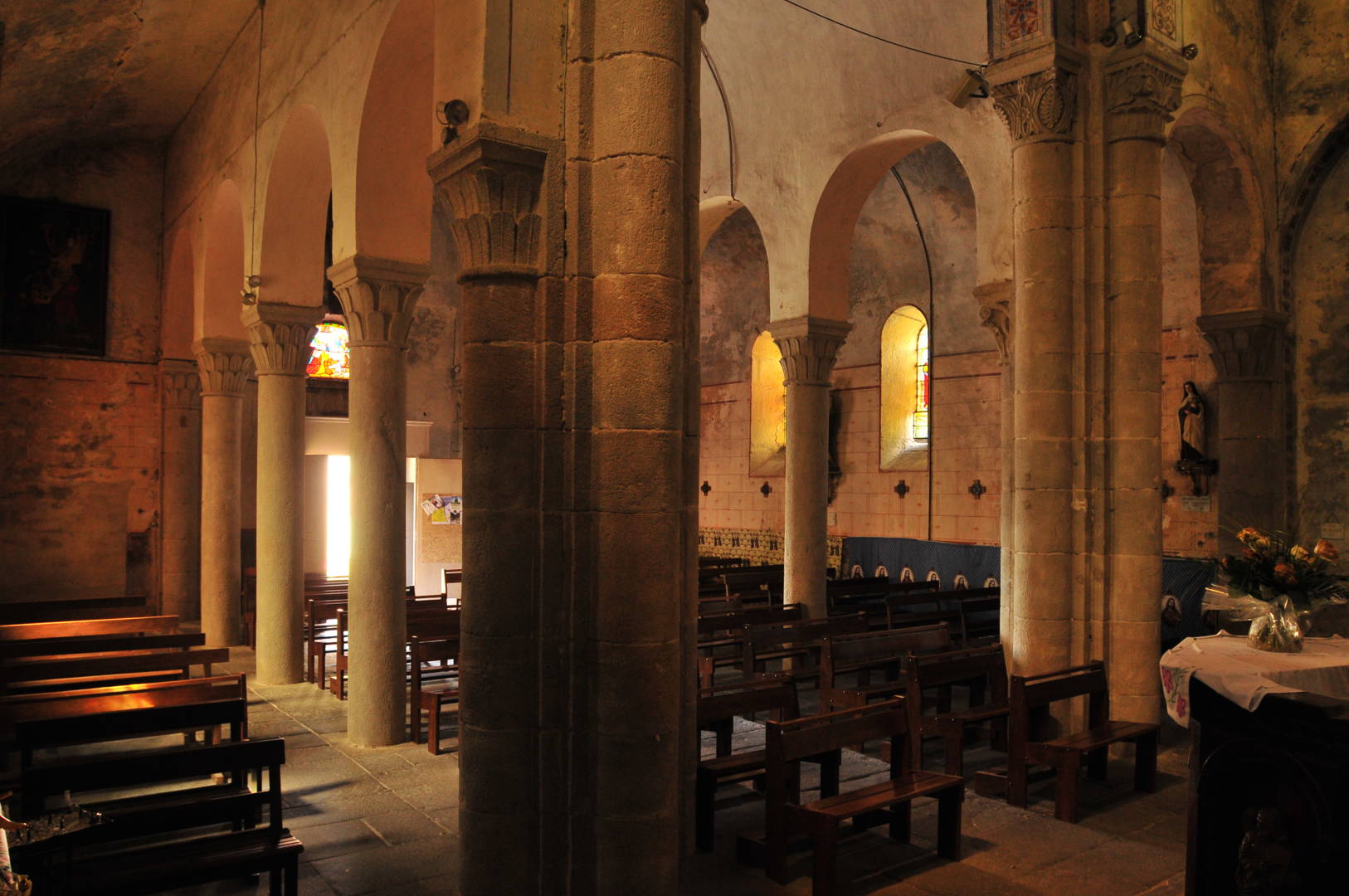
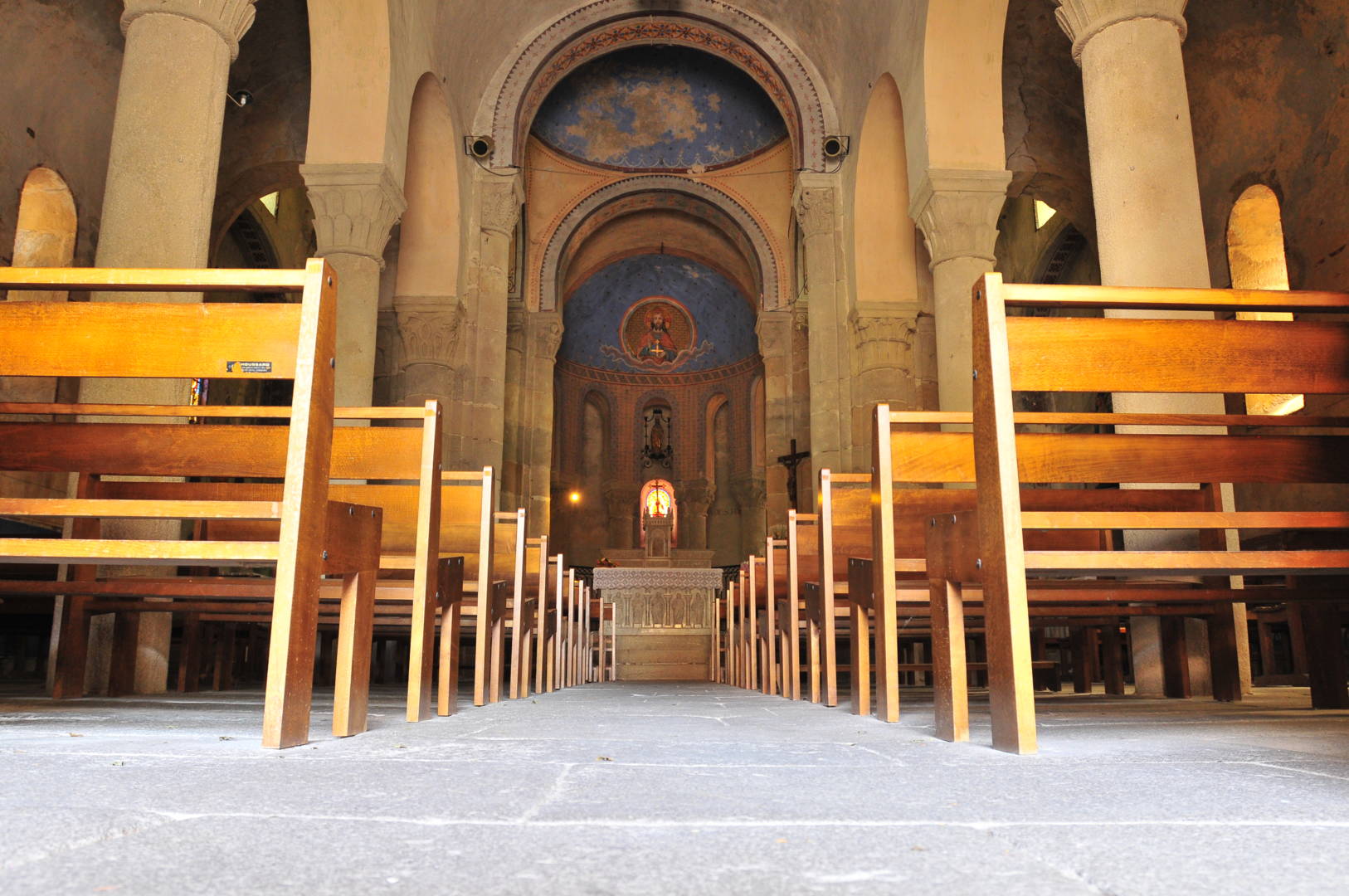
Built in arkose to plans by architect Hugues Imbert, its neo-Romanesque architecture reflects the 19th-century rediscovery of this style, and reproduces the layout of the great pilgrimage churches of Auvergne.
The nave is reinforced by side aisles, extended by an ambulatory surrounding the choir. Monolithic or drum columns support the vault. The choir’s Romanesque capitals illustrate the virtuosity of 19th-century stonemasons. A fine collection of stained glass windows, some dated and signed by Clermont-Ferrand workshops, including Martial Mailhot’s Magi stained(…)
Spoken languages
Opening hours
From 01/01 to 31/12/2026 daily between 9 am and 6 pm.
Prices and payment methods
- Free access.
Location
Photo credits : Norbert Dutranoy, Norbert Dutranoy, Norbert Dutranoy
 Updated on 19 January 2026 by Auvergne Pays d’Issoire