
Saint-Blaise Church
Montaigut-le-Blanc
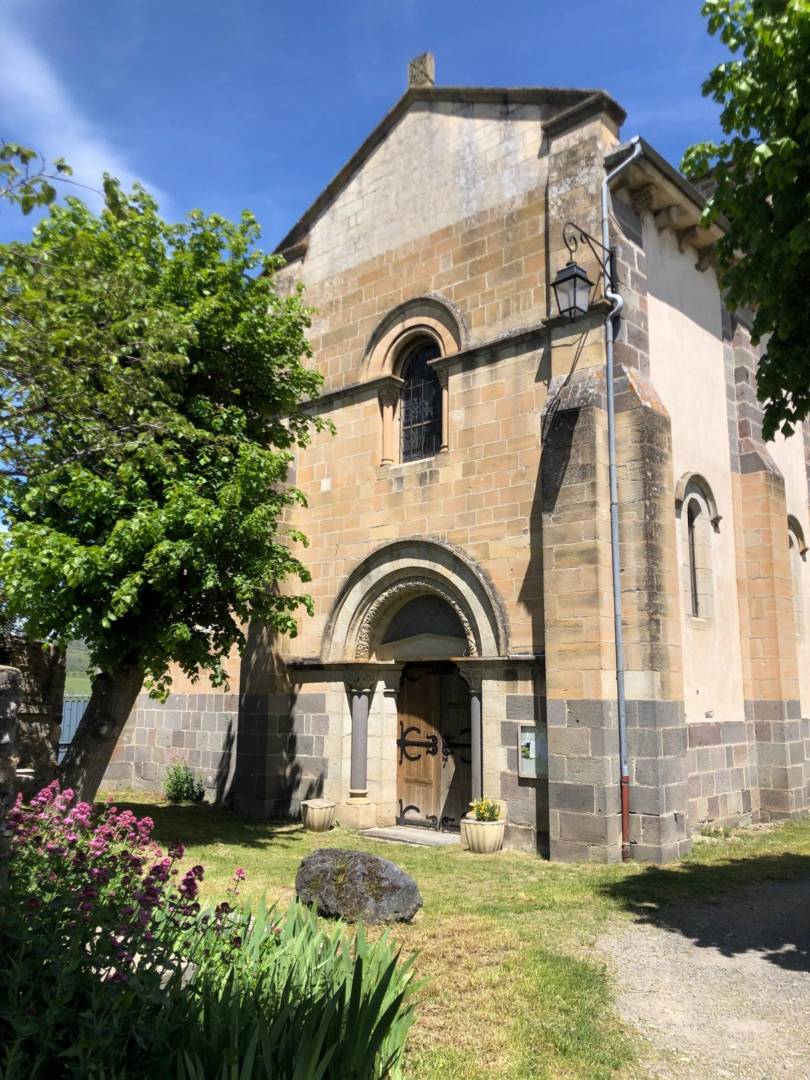
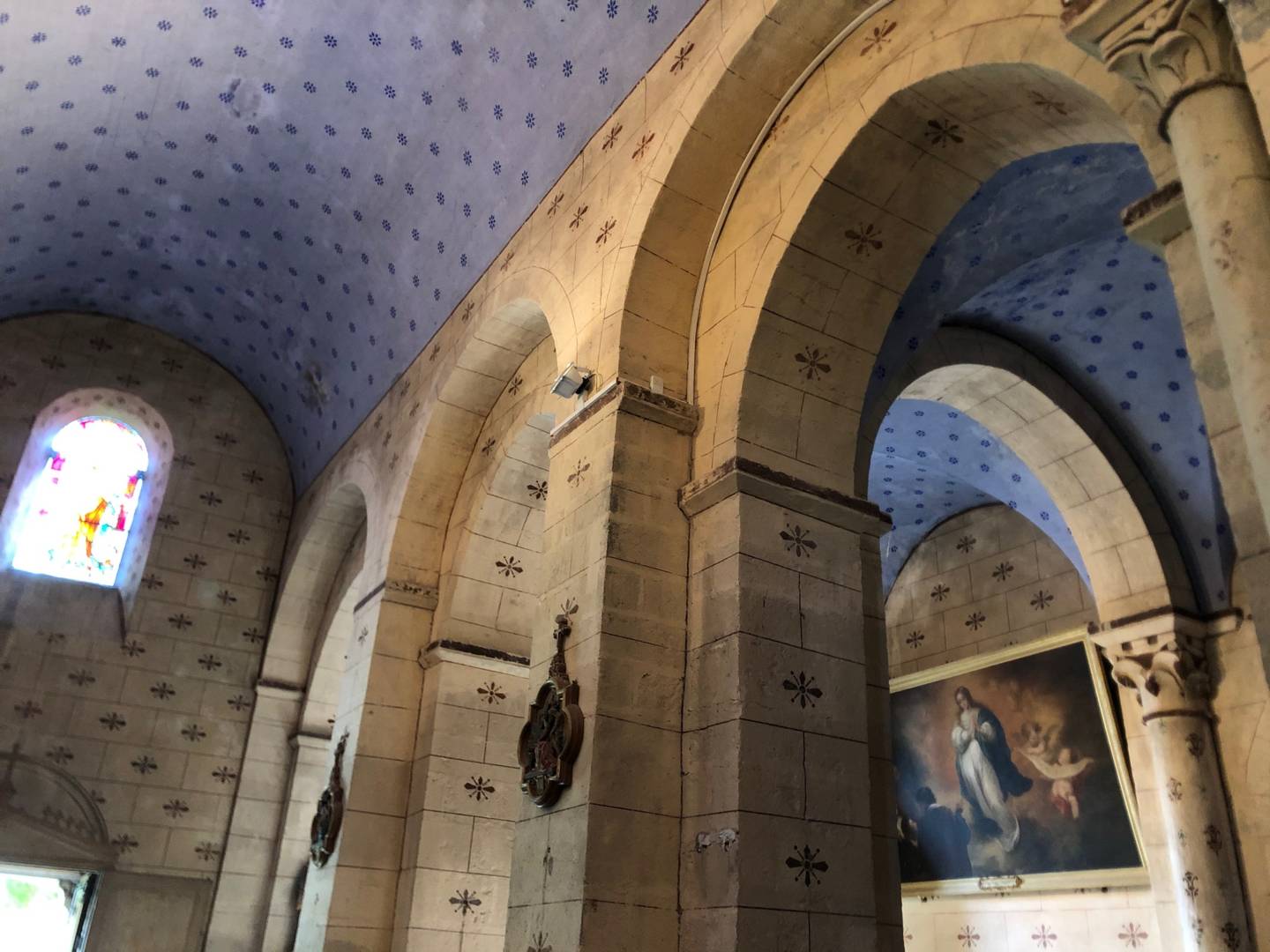
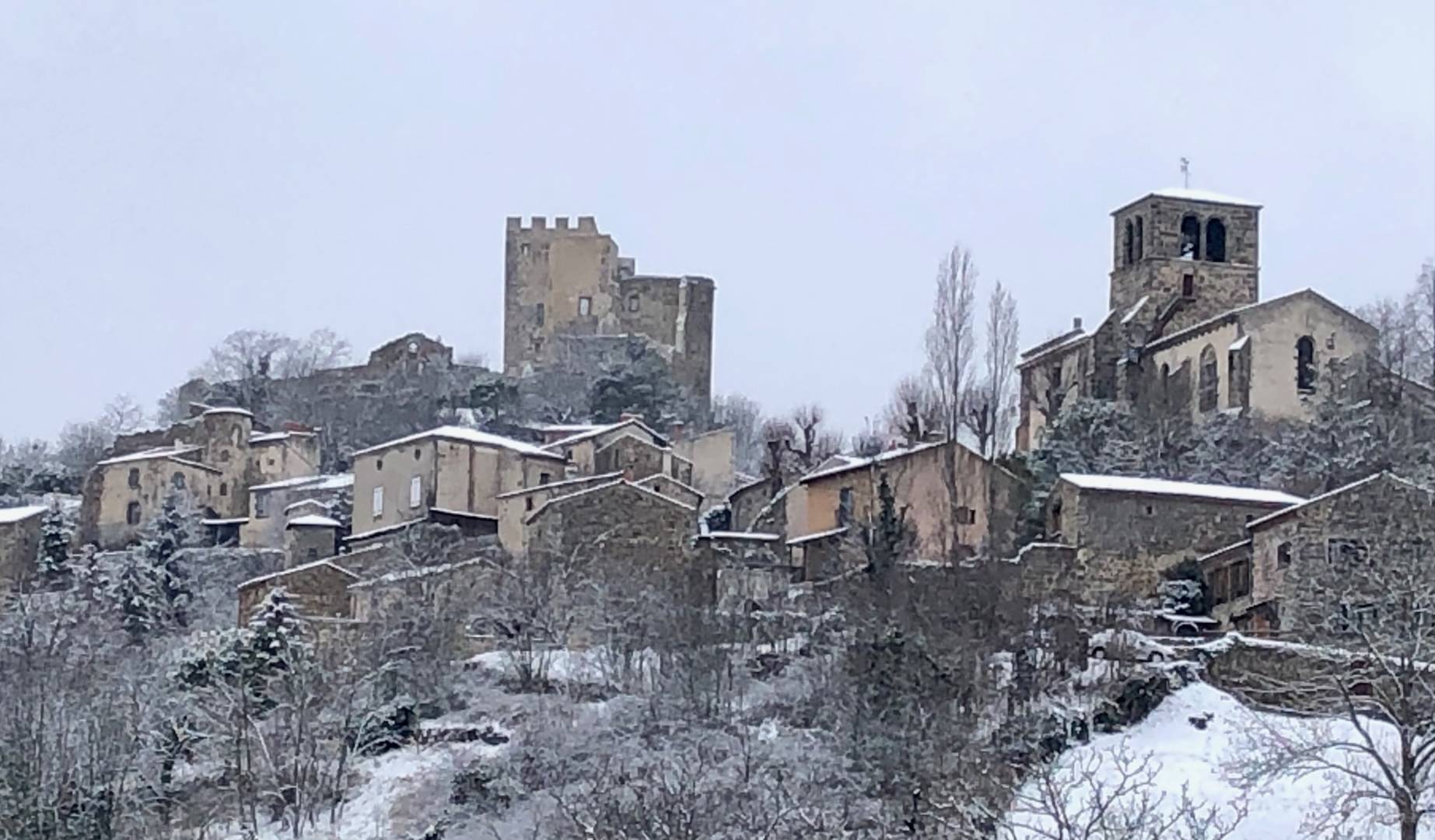
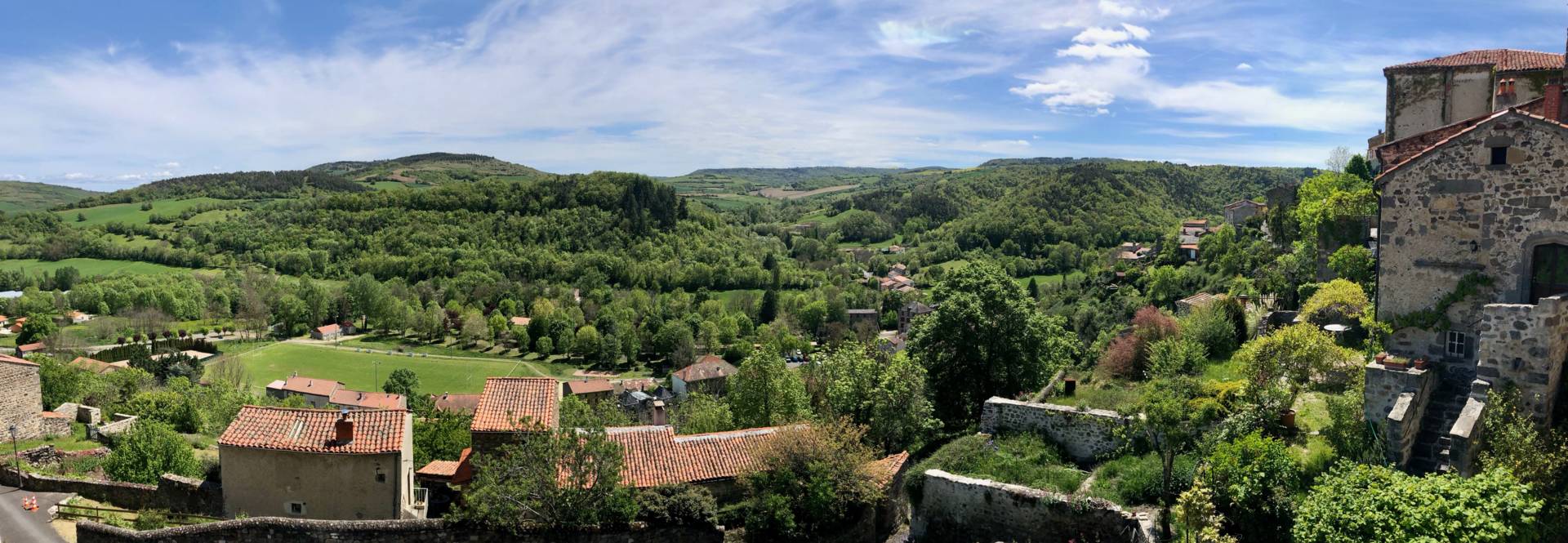
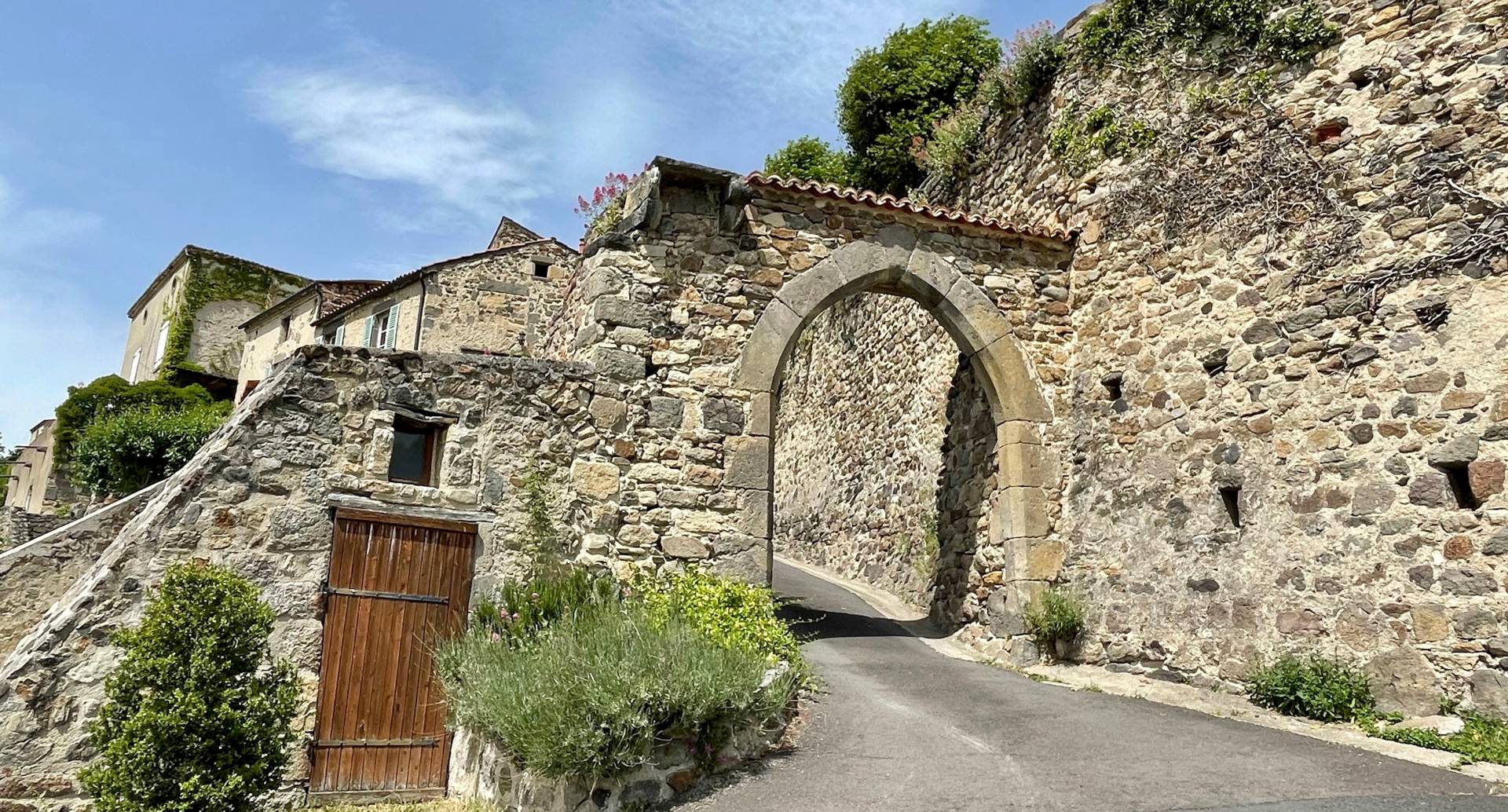
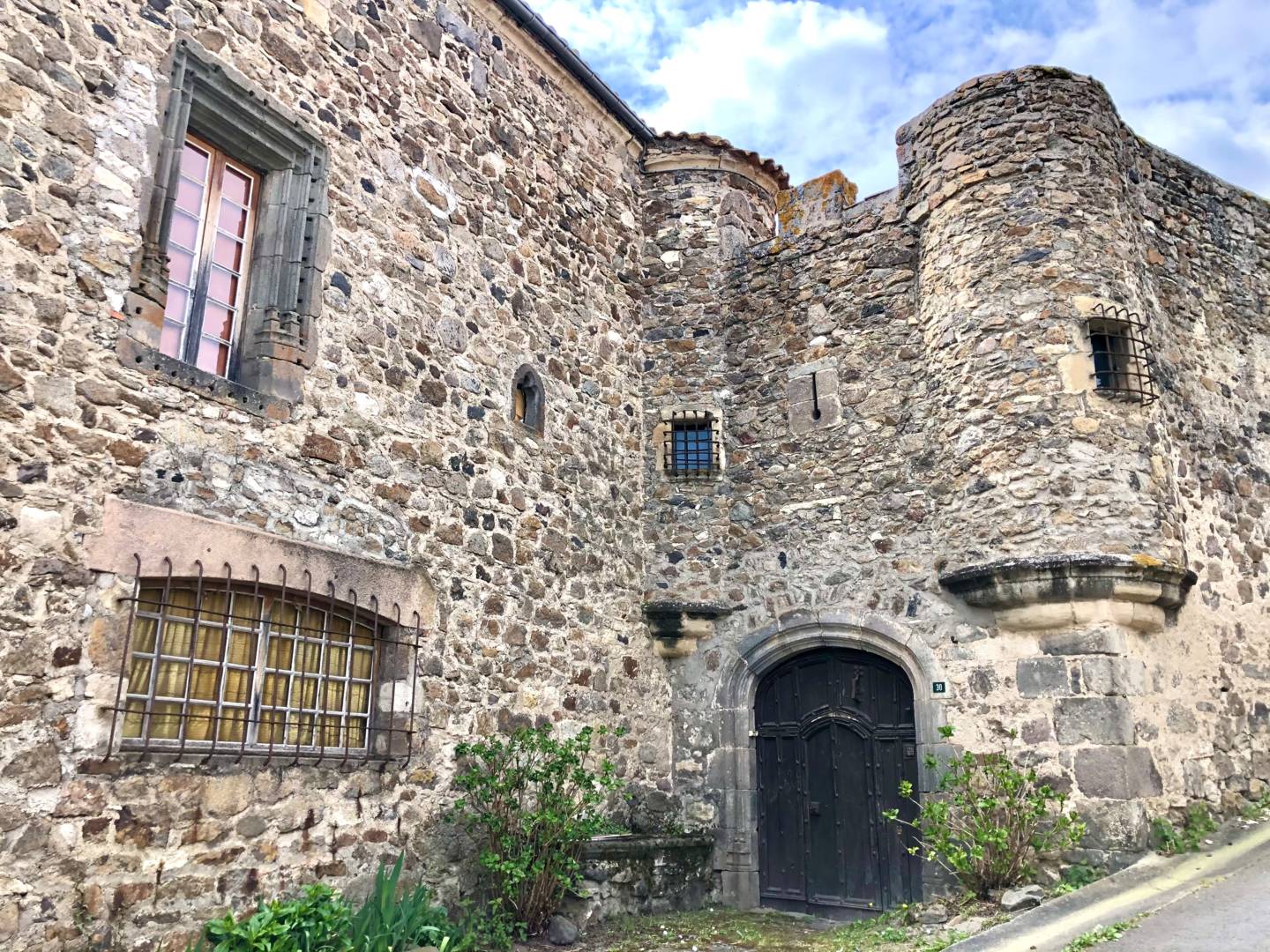
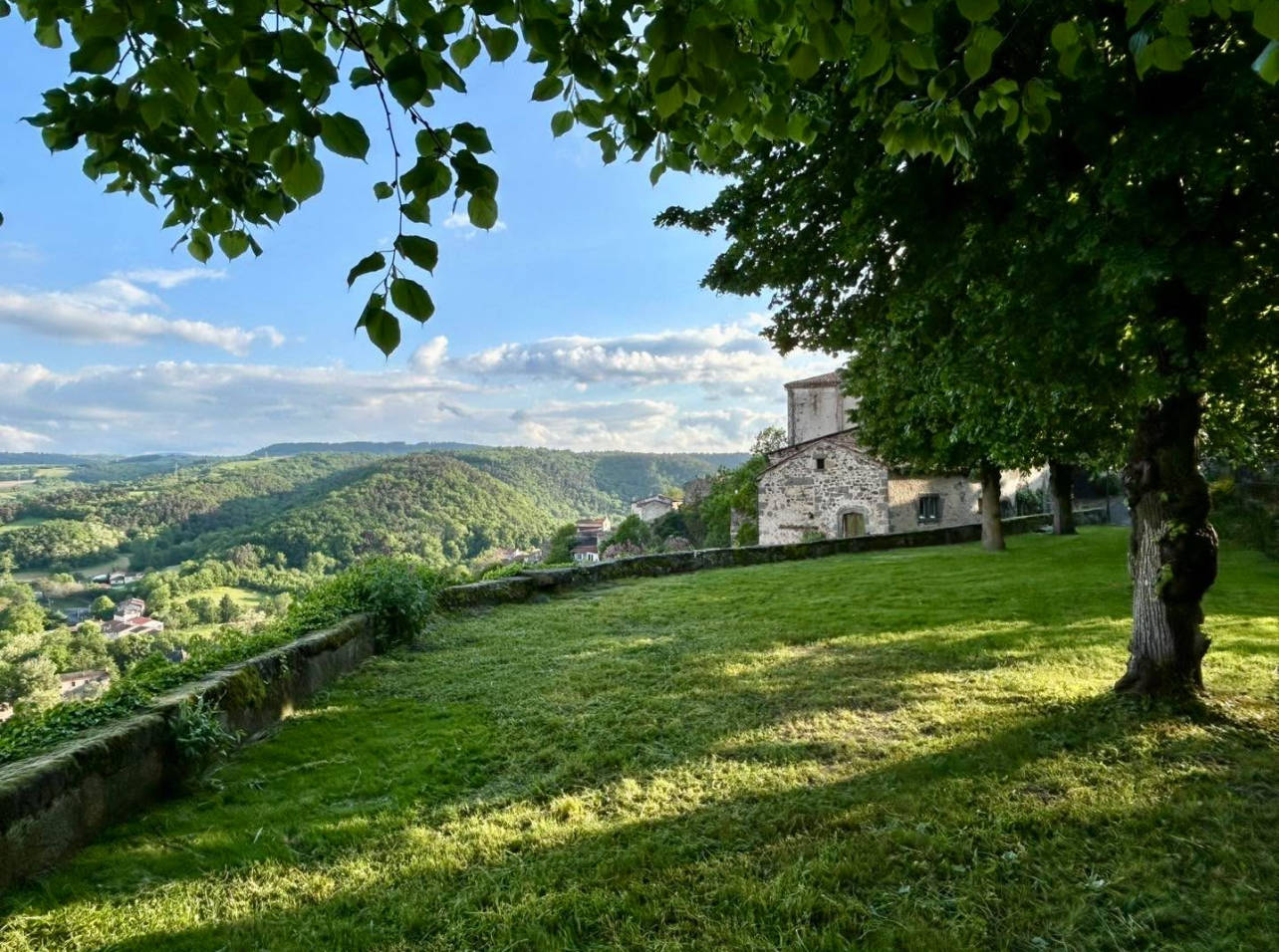
The original Romanesque church, perched at the top of the old village, stands on a fortified esplanade offering magnificent views. The interior, entirely painted, features several Romanesque capitals and numerous protected objects.
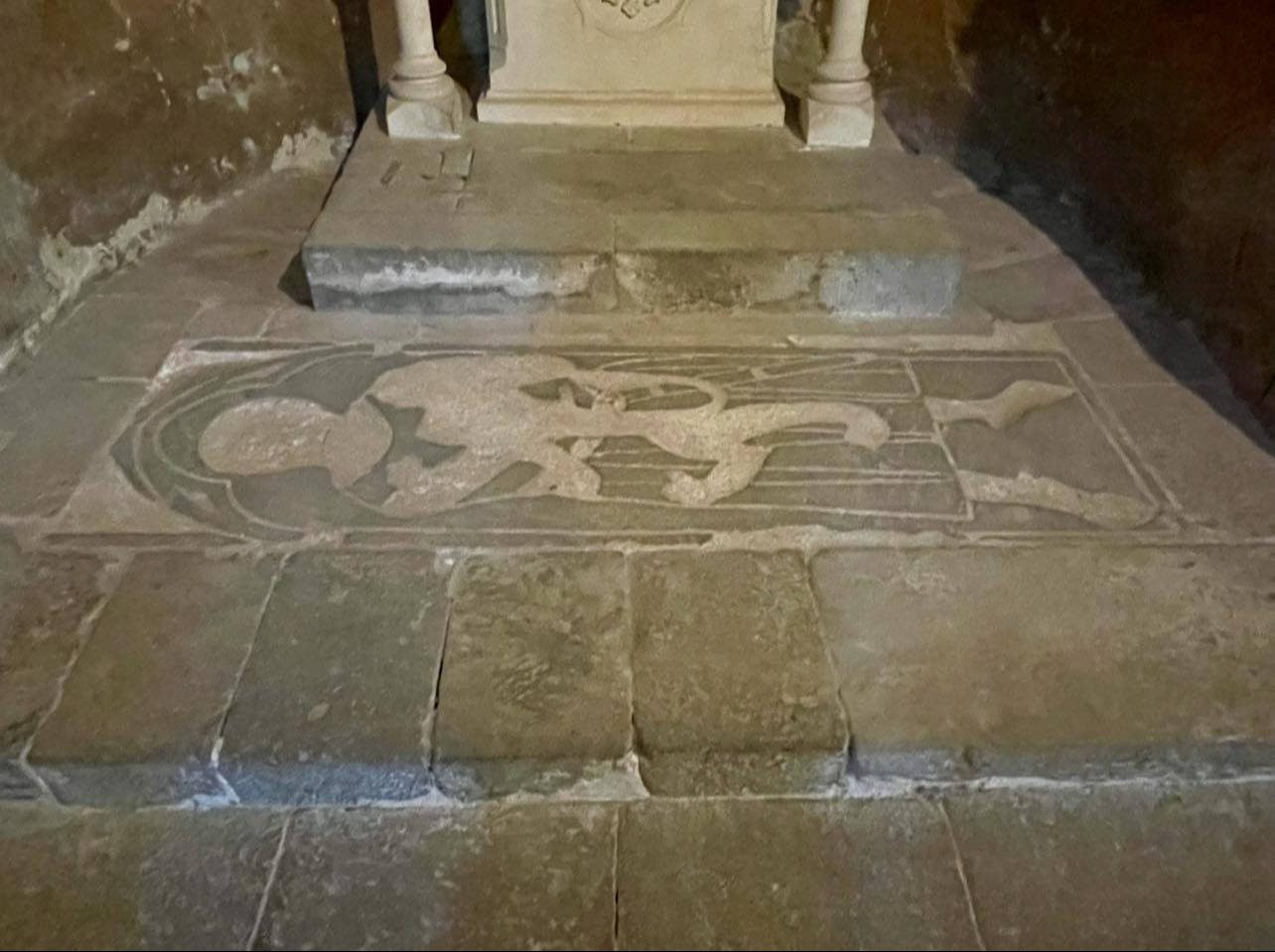
The church of Montaigut-le-Blanc, like the château-fort, is perched at the top of the old village, giving it a striking two-headed silhouette. It was built on a fortified esplanade that offers magnificent views over the surrounding valleys and hills : some old tombstones still lie there.
The church’s facades were rebuilt(…)
Spoken languages
Opening hours
From 05/07 to 29/08/2027 daily between 3 pm and 6.30 pm.
Prices and payment methods
- Free access.
Downloadable :
Location
Environnements
Village centre
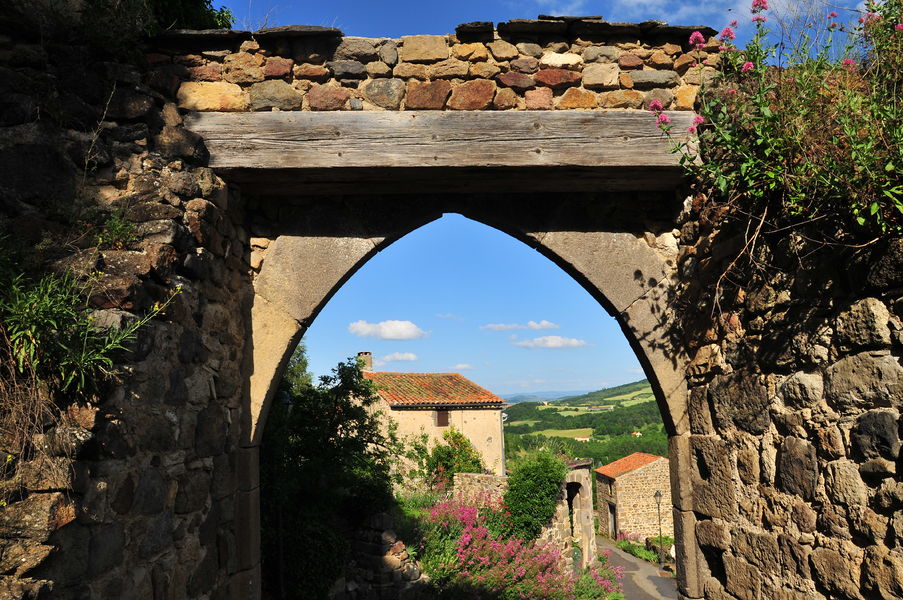
Photo credits : Julien Guillaume, Julien Guillaume, Julien Guillaume, Julien Guillaume, Julien Guillaume, Julien Guillaume, Julien Guillaume, Julien Guillaume
 Updated on 30 September 2026 by Auvergne Pays d’Issoire