The historical context at the start of construction :
In the aftermath of the Hundred Years’ War, France, sorely tried and tested, quickly pulled itself together. The Auvergne was part of this general revival, as was the Livradois region, which had enjoyed relative peace, protected by its mountains. The burghers of Ambert, enriched by trade and boosted by the spread of printing, which gave a new lease of life to their paper mills, decided to thank the heavens for the blessings they had showered on their heritages and businesses.
This honest affluence was the starting point for the extraordinary adventure that was to be the construction of the church of Saint-Jean d’Ambert for three quarters of a century.
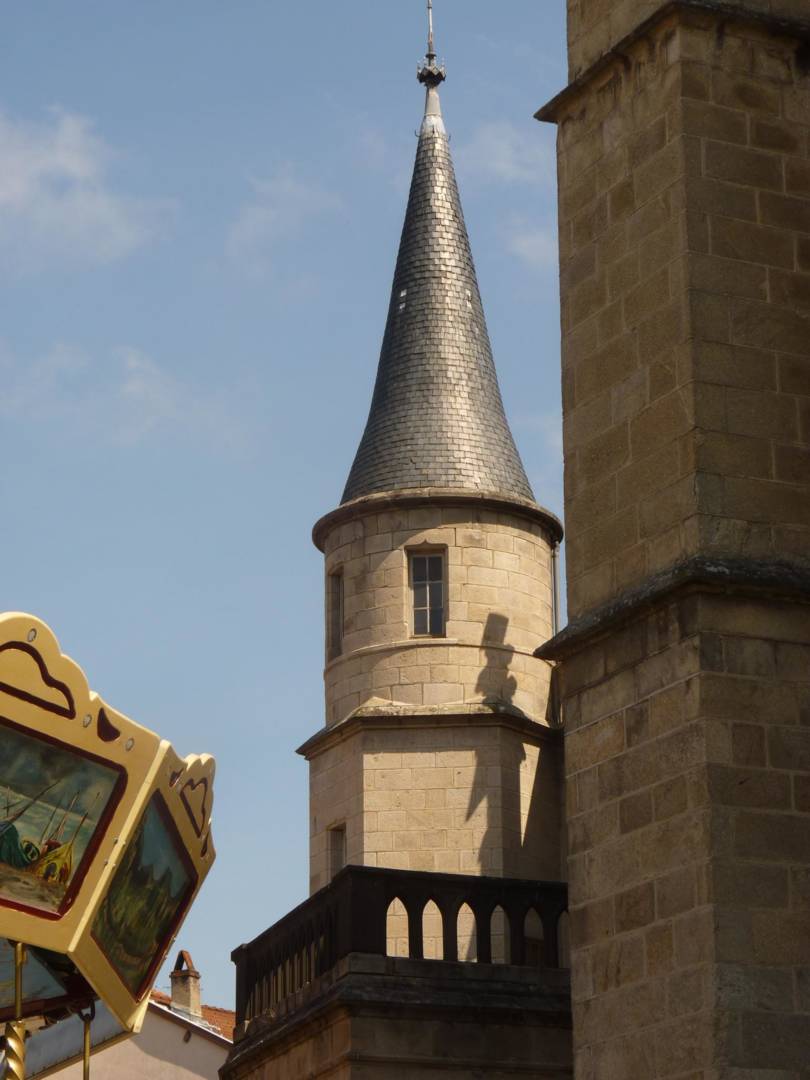
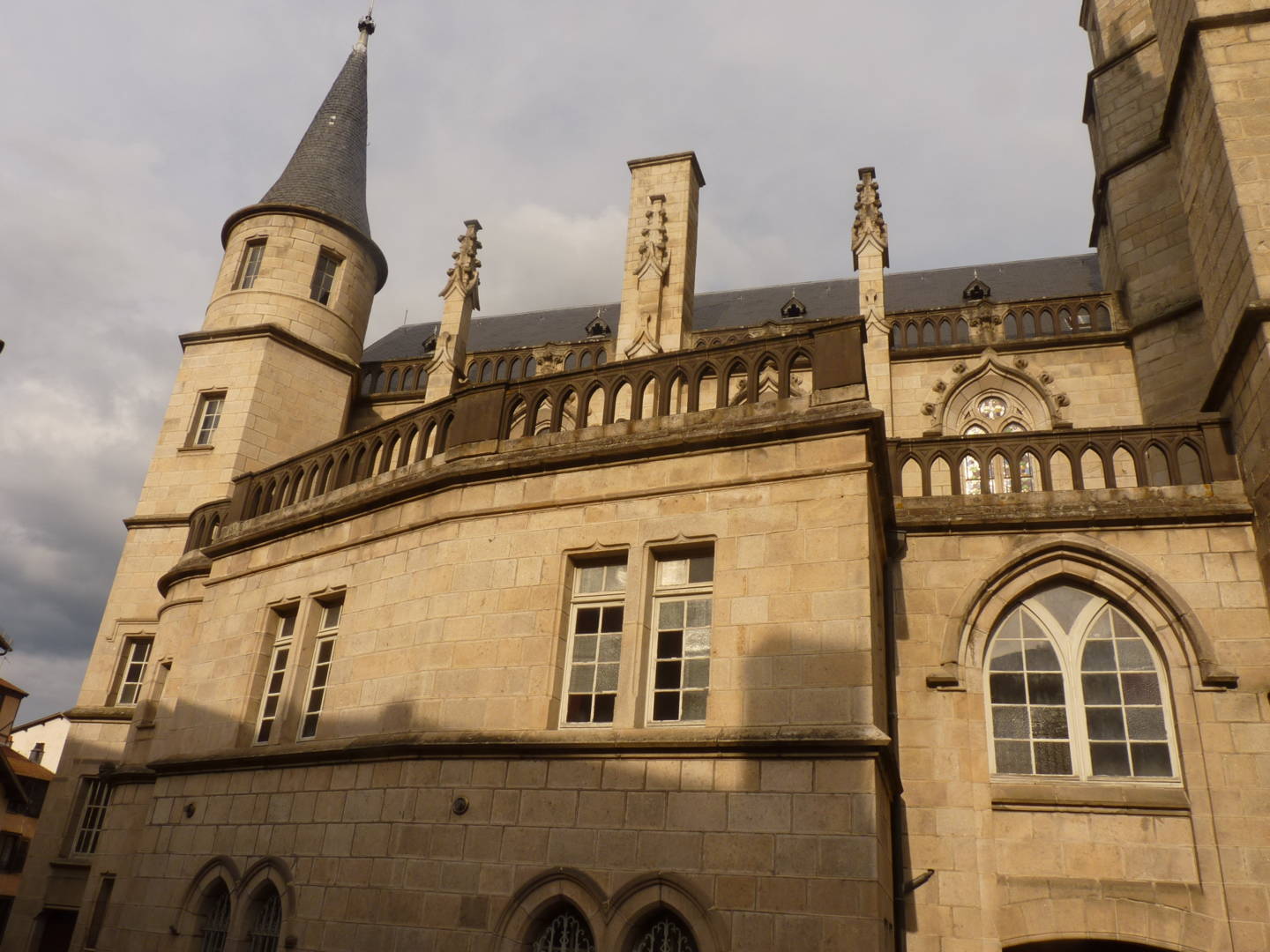
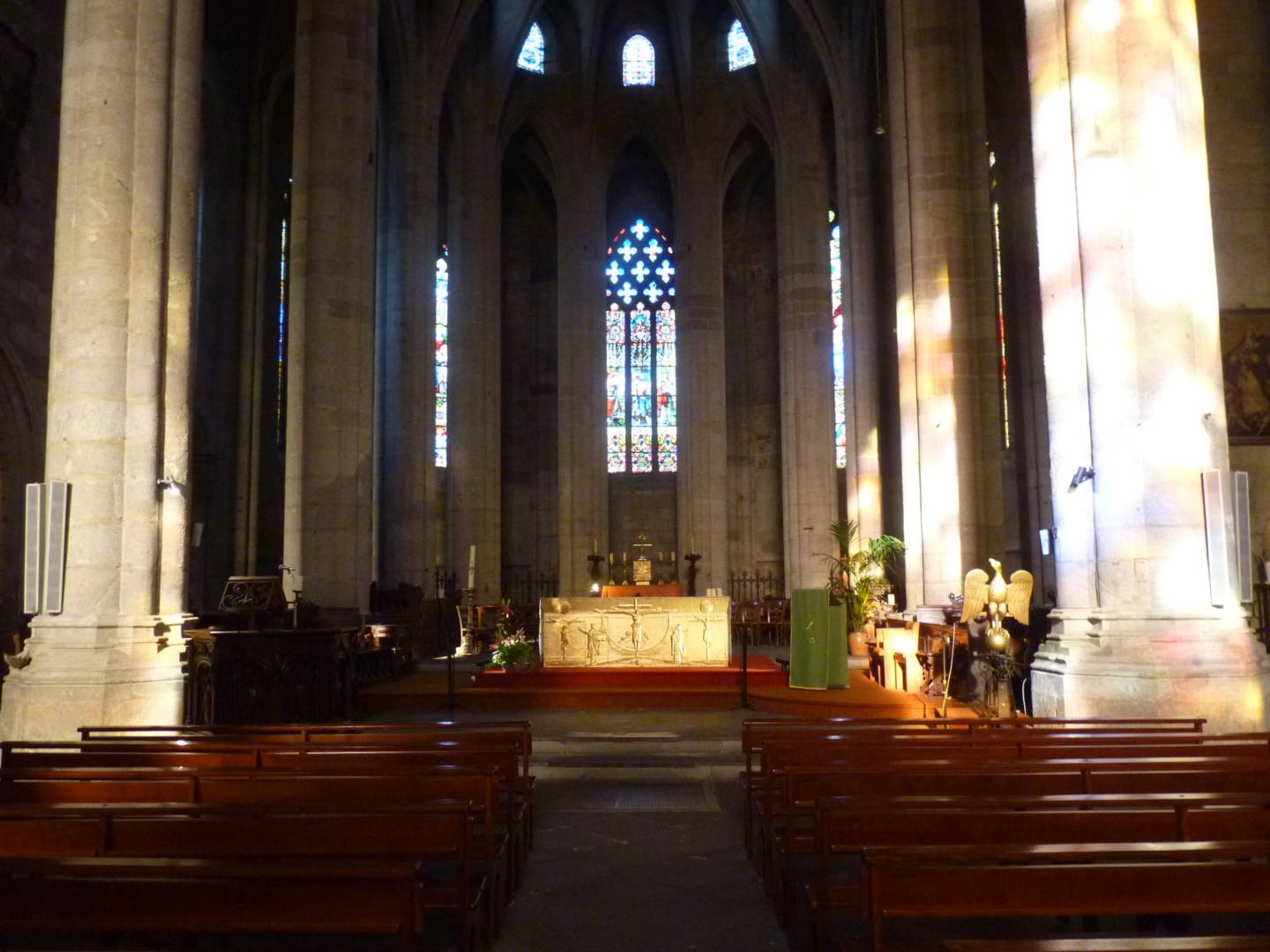
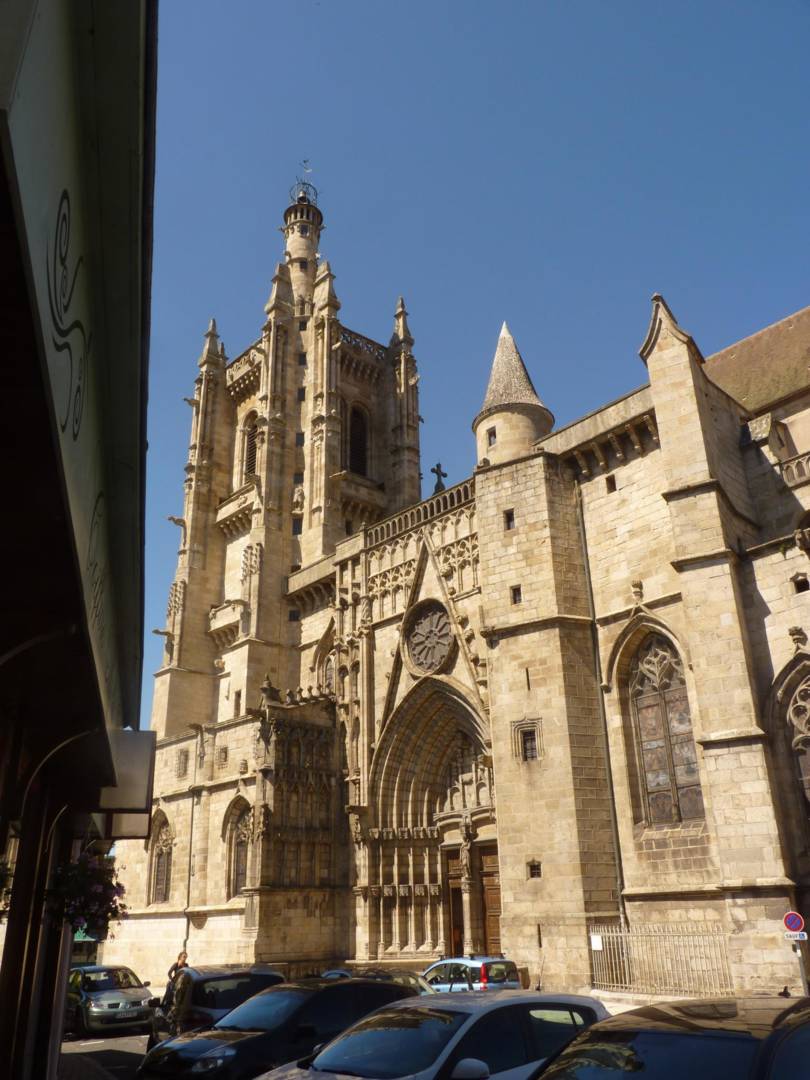
One day in 1470, the town’s inhabitants met and decided to open the construction site from which was to emerge one of the most beautiful Gothic churches in the diocese. The vision was far-reaching, and a preparatory factum for the consulate recalls the grandiose project : “…when this temple is in its perfection, it will become the first, or at least the second, in the province of Auvergne. Inside, there will be four rows of 32 60-foot-high columns, eight chapels on each side… Six of these columns, arranged in a semicircle, will form the sanctuary… Three large bell towers will be built over the church…”. The initial enthusiasm failed to fully realize this magnificent plan : neither the eight chapels nor the three Trinitarian bell towers were completed. If the original project was trimmed along the way, it was due to serious financial difficulties, Ambert having embarked on the venture alone.
Milestones in the project :
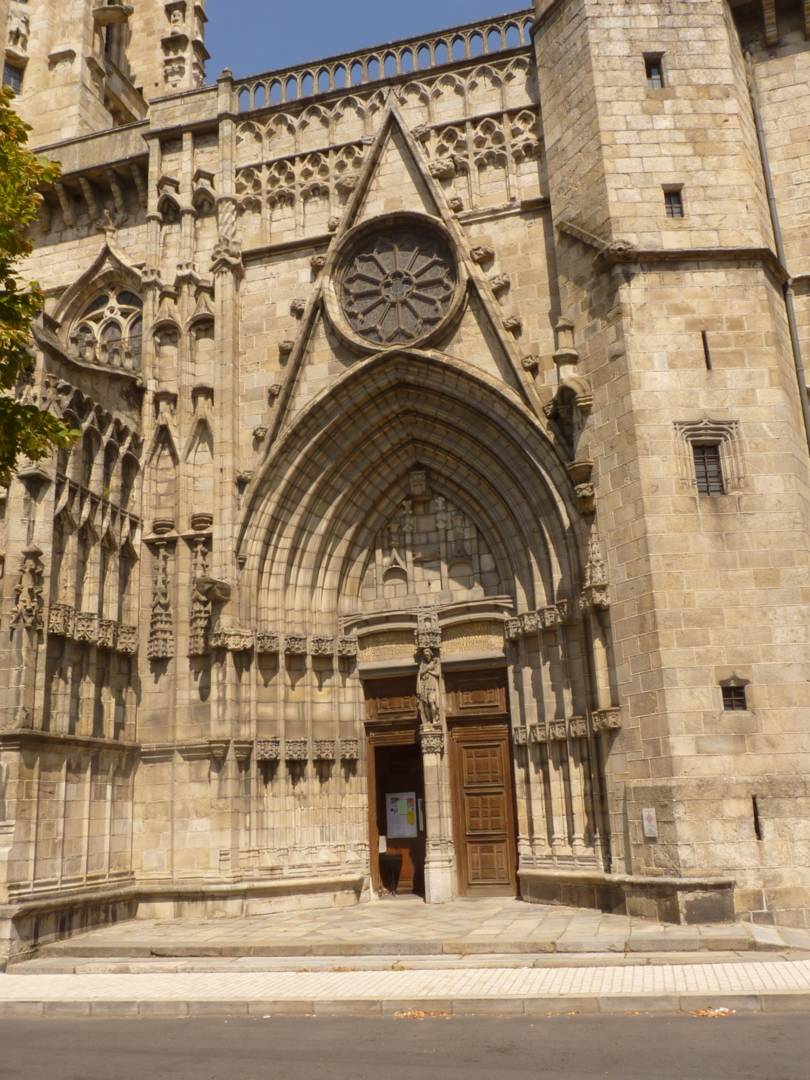
– Construction began on April 9, 1471. Within six years, the foundations had barely been completed, and the portal was rising out of the ground on the very days of the great earthquake of 1477. By August 7, 1518, the vault was complete : only the towers remained to be built. But by 1498, the heart of the church had been consecrated to worship, and by 1506, the prerogatives of each body within the church had been established, as we learn from a protocol drawn up by Dame de Polignac, Dowager Lady and Temporal Lord of Ambert.
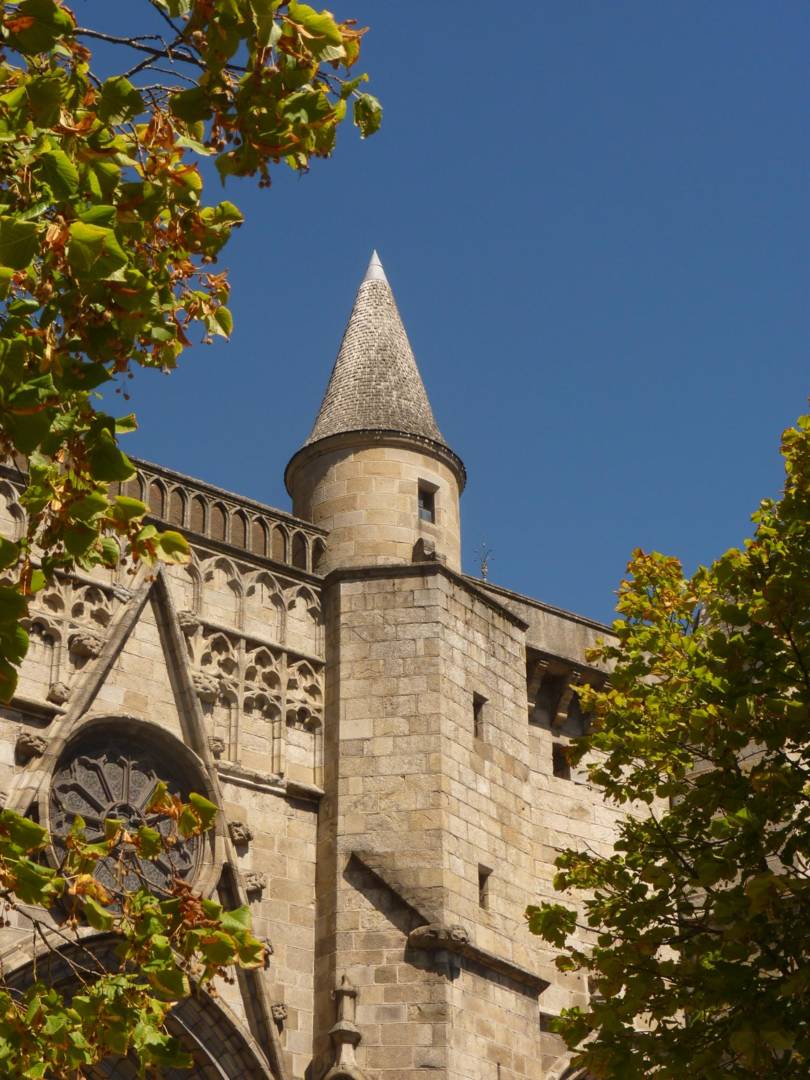
– It seems that work slowed down as finances dried up. The south tower was started, but legend has it that the Comtesse de Polignac, with the town’s agreement, transferred the funds intended for the completion of the church to the royal treasury to help pay the ransom of François 1er’s two eldest sons, François de France and Henri de France (future Henri II), who were prisoners in Spain (1526-1530), thus putting a definitive stop to the work.
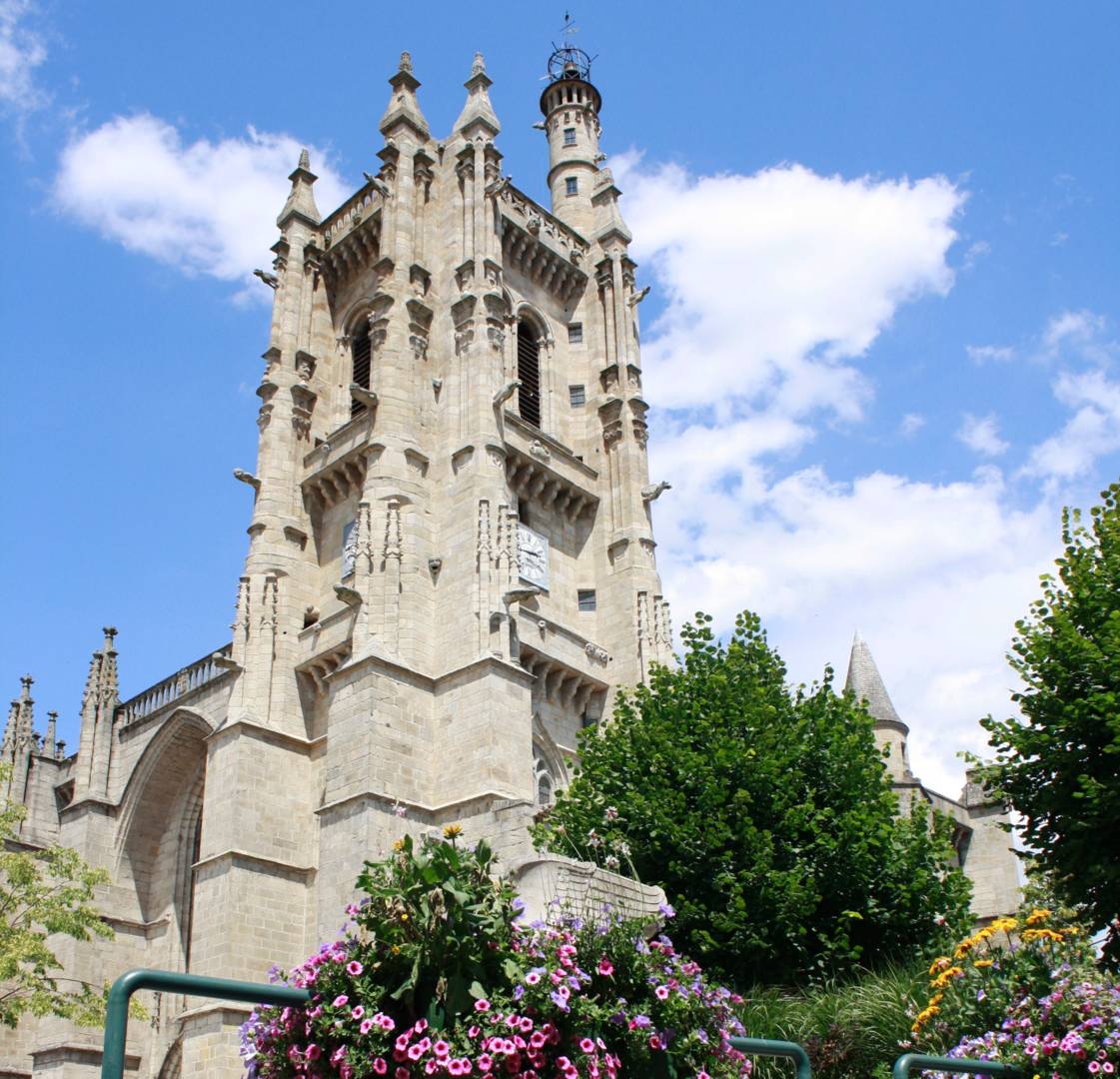
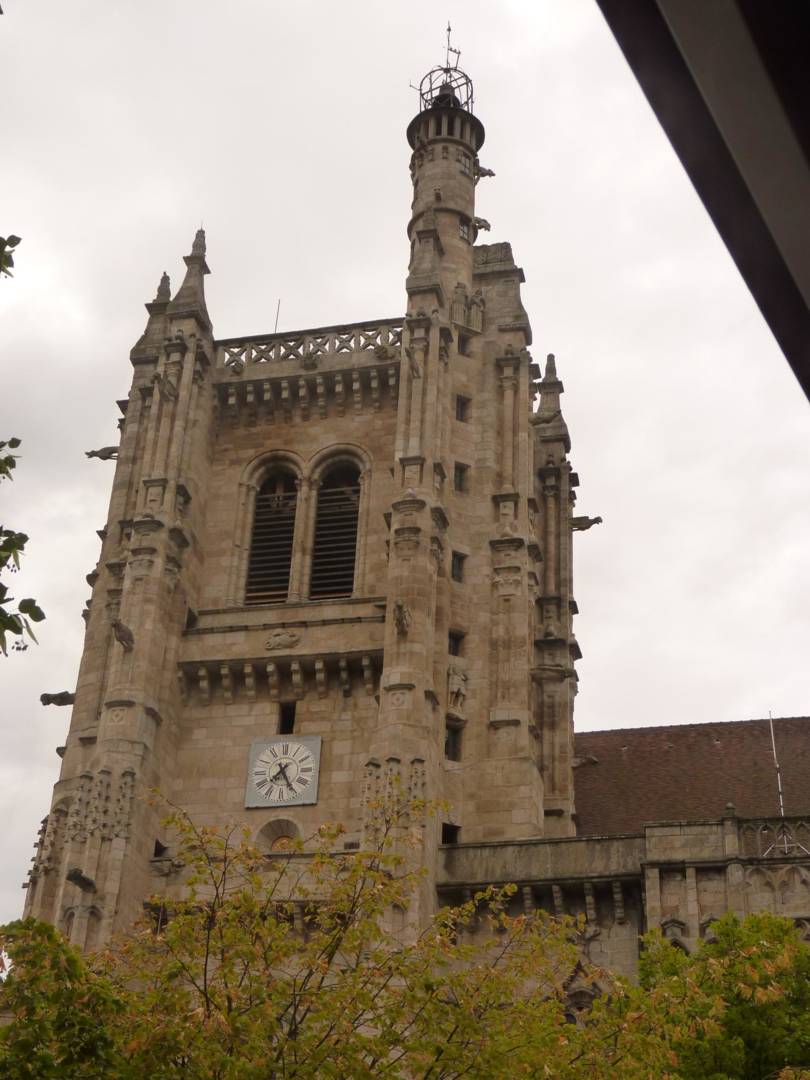
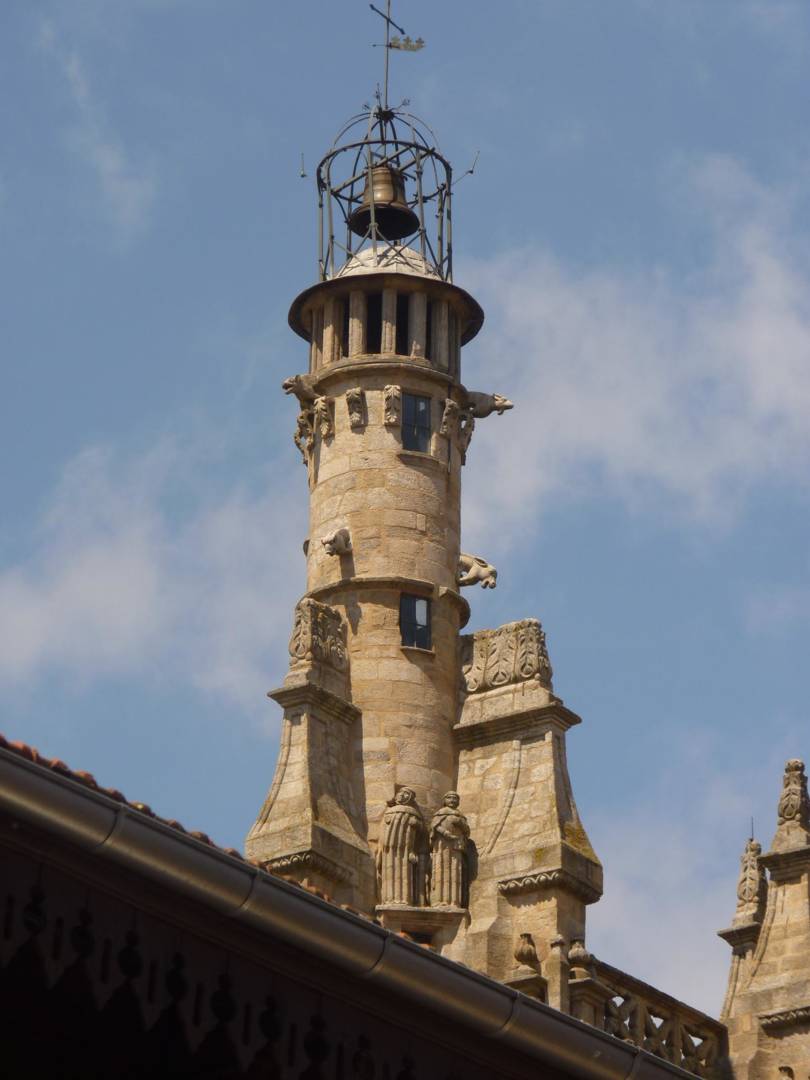
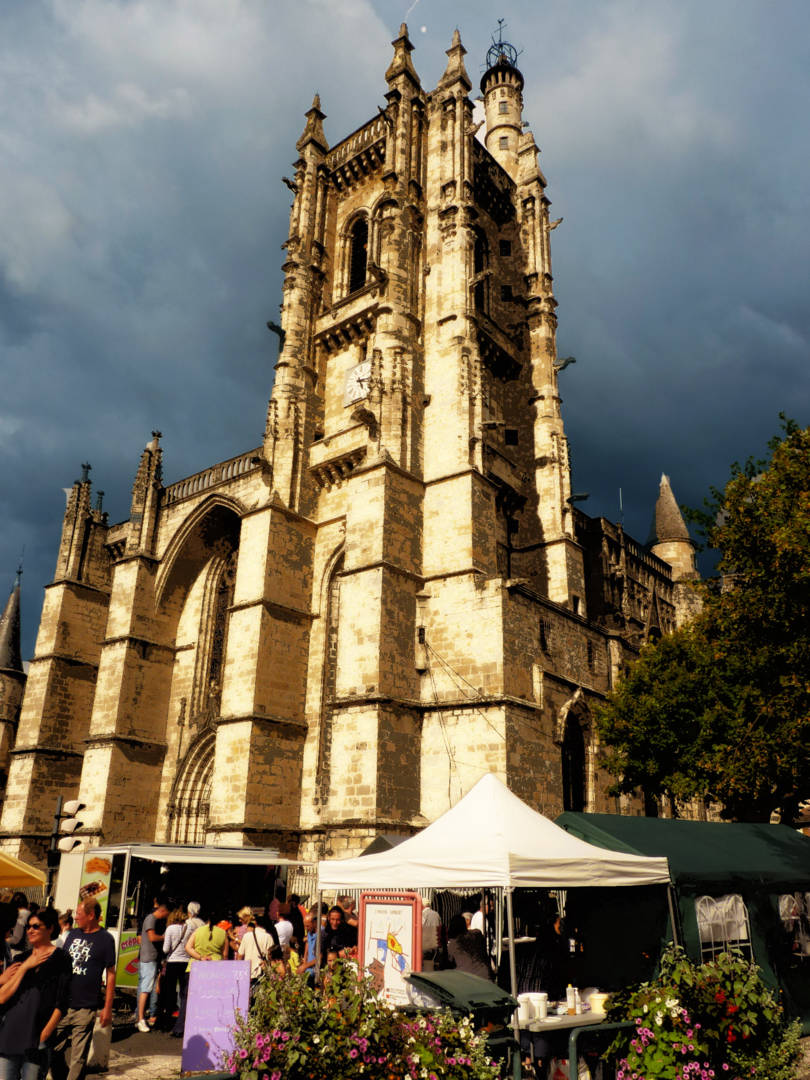
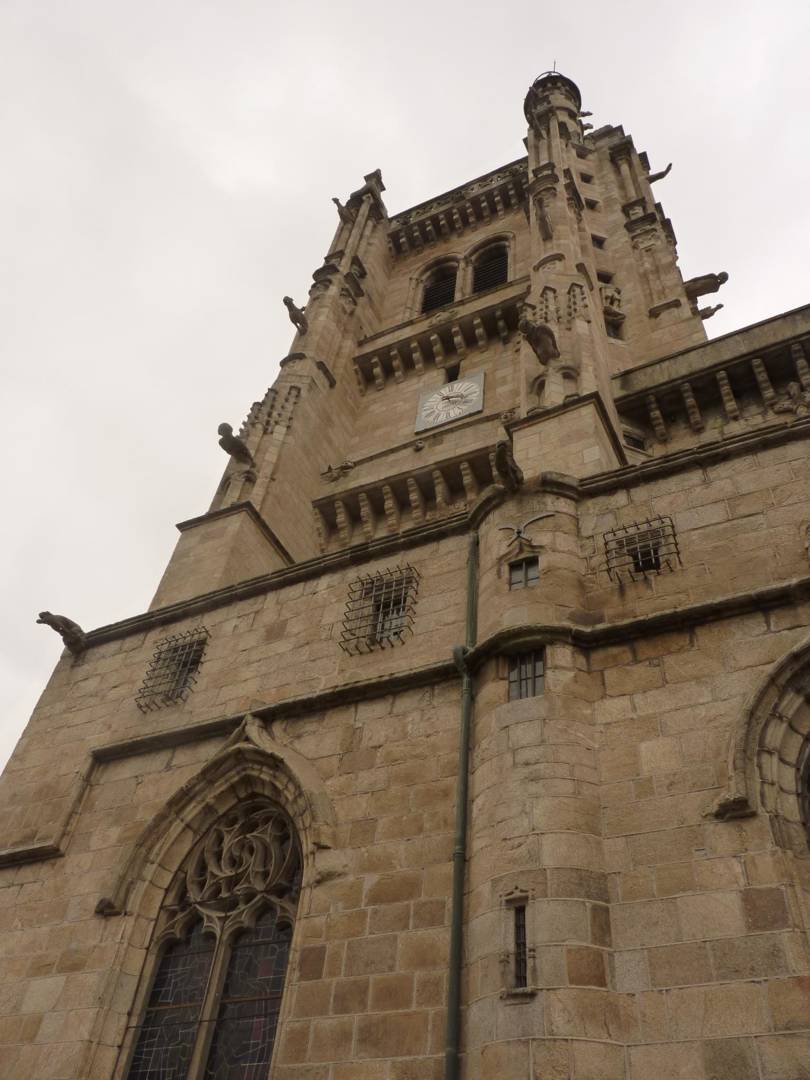
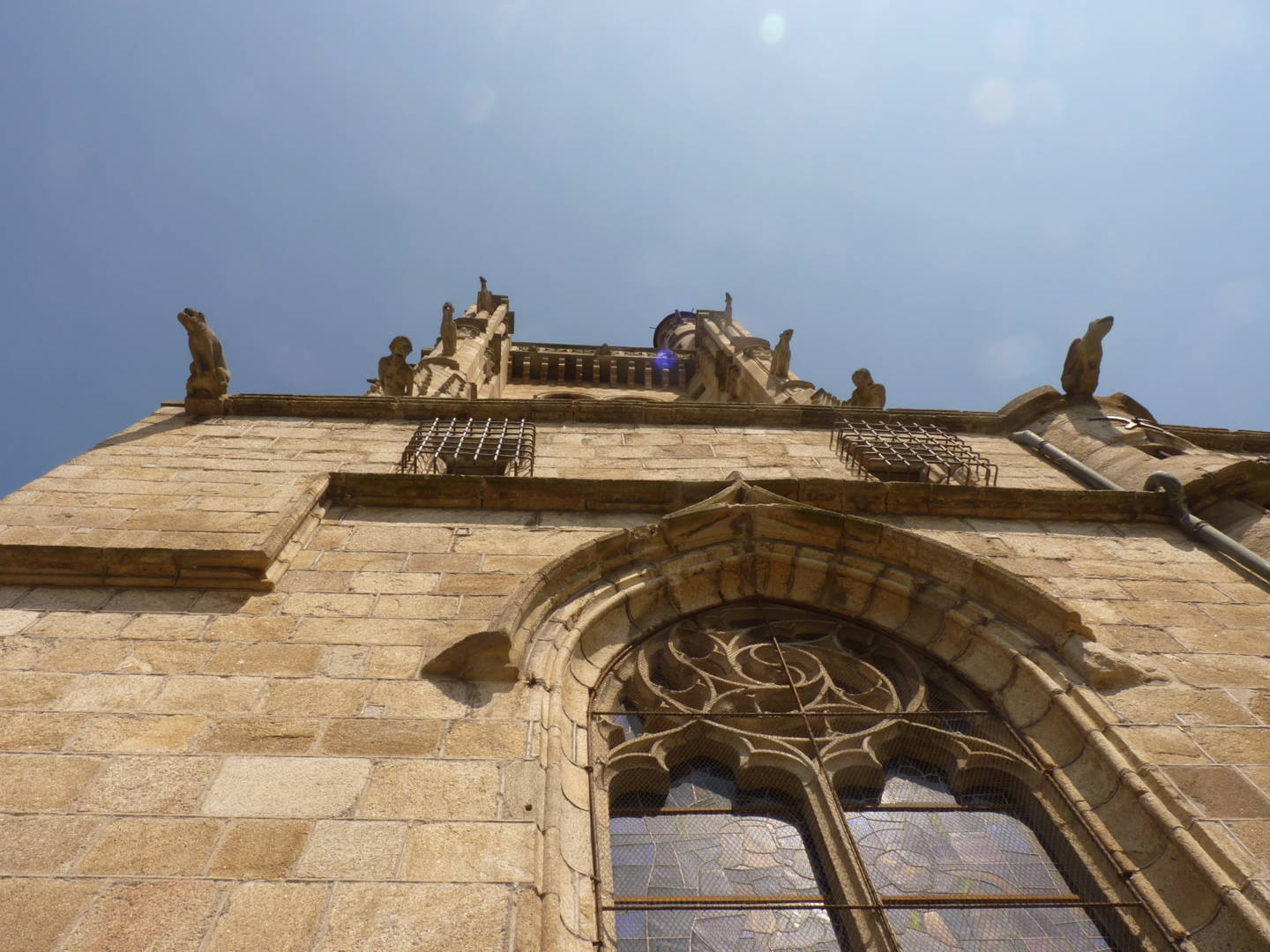
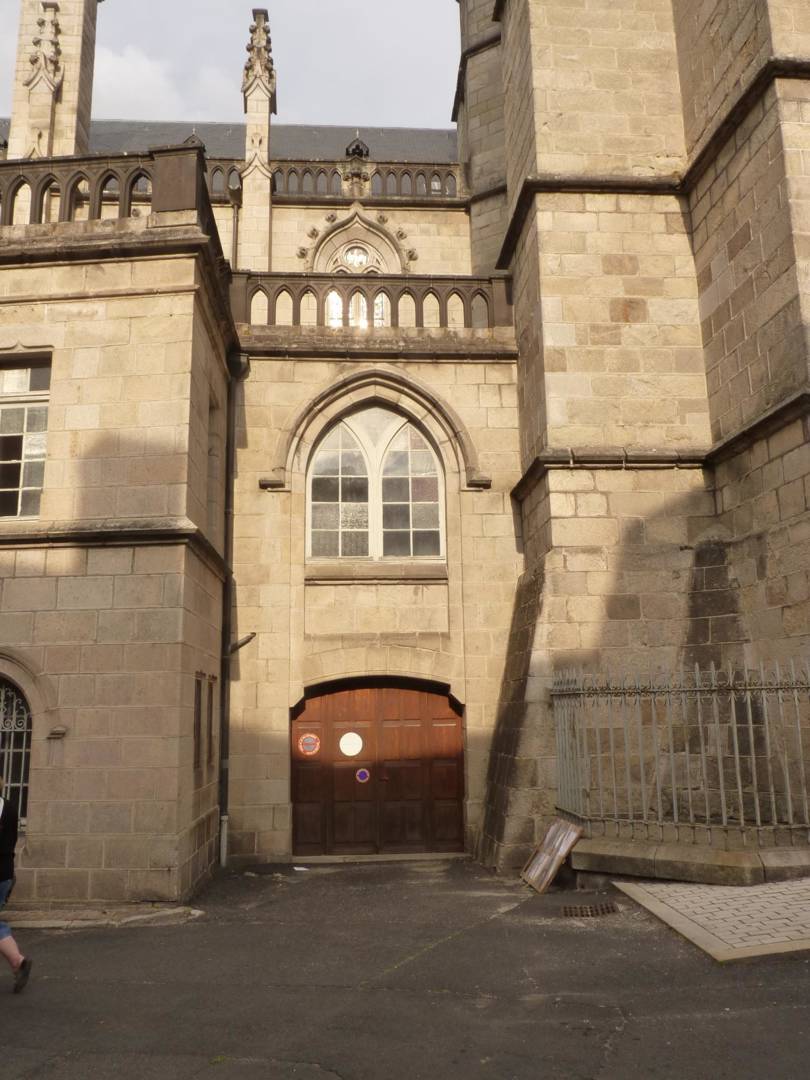
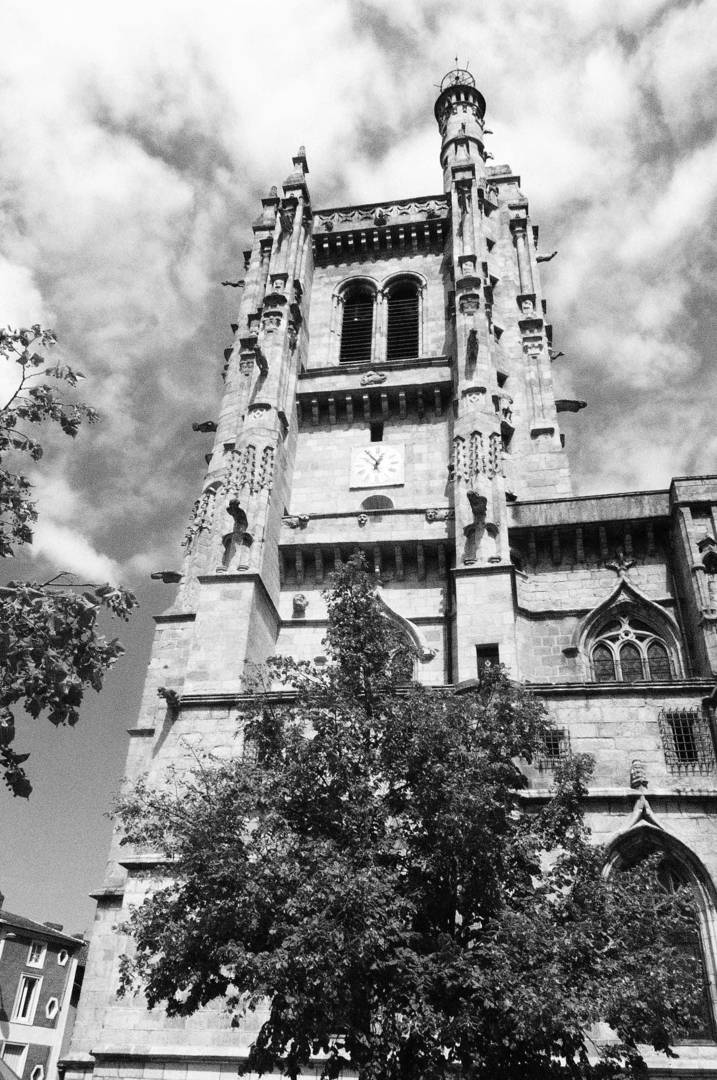
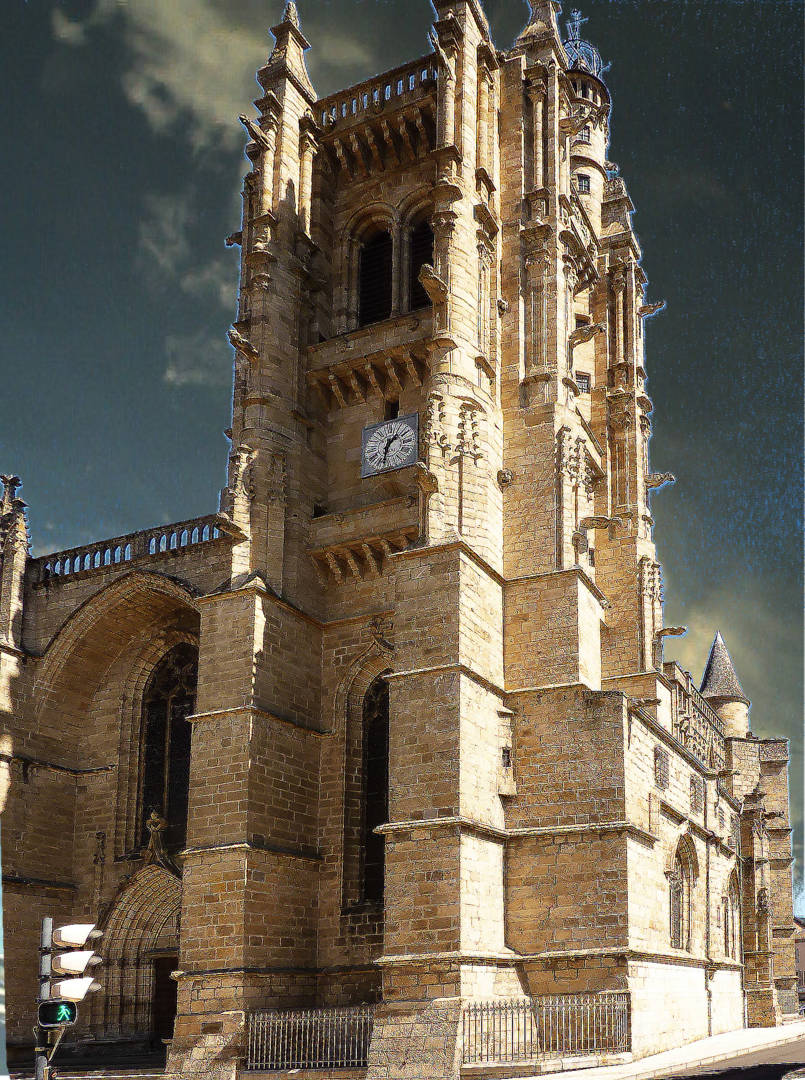
– These interruptions explain the succession of styles : while the church itself, with the exception of a chapel, belongs to the Flamboyant Gothic style, the bell tower is a work of the Renaissance. Although tradition is silent on the names of the architects, it does state that the construction of Saint-Jean church was supervised by the monks of La Chaise-Dieu, which explains its stylistic proximity to the Casadean abbey.
– In 1538, the town’s consuls obtained permission from the ecclesiastical authorities to open a general jubilee. This and other campaigns enabled the bell tower to be completed in 1551, the year in which Guillaume Duprat, Bishop of Clermont, came to consecrate the building with great pomp and ceremony.
The tradition of the herald :
A special feature of the Saint-Jean d’Ambert church, unique in France : on Good Friday and Saturday, when the bells fall silent, a herald – an officer whose duties included the transmission of messages and solemn proclamations – equipped with a long megaphone, and known as the cornaire, announces the services from the four corners of the bell tower terrace, singing a tercet from the Stabat Mater.

 Updated on 25 April 2024 by Maison du Tourisme du Livradois-Forez