
The 140 cellars of Saint-Julien website
Montaigut-le-Blanc
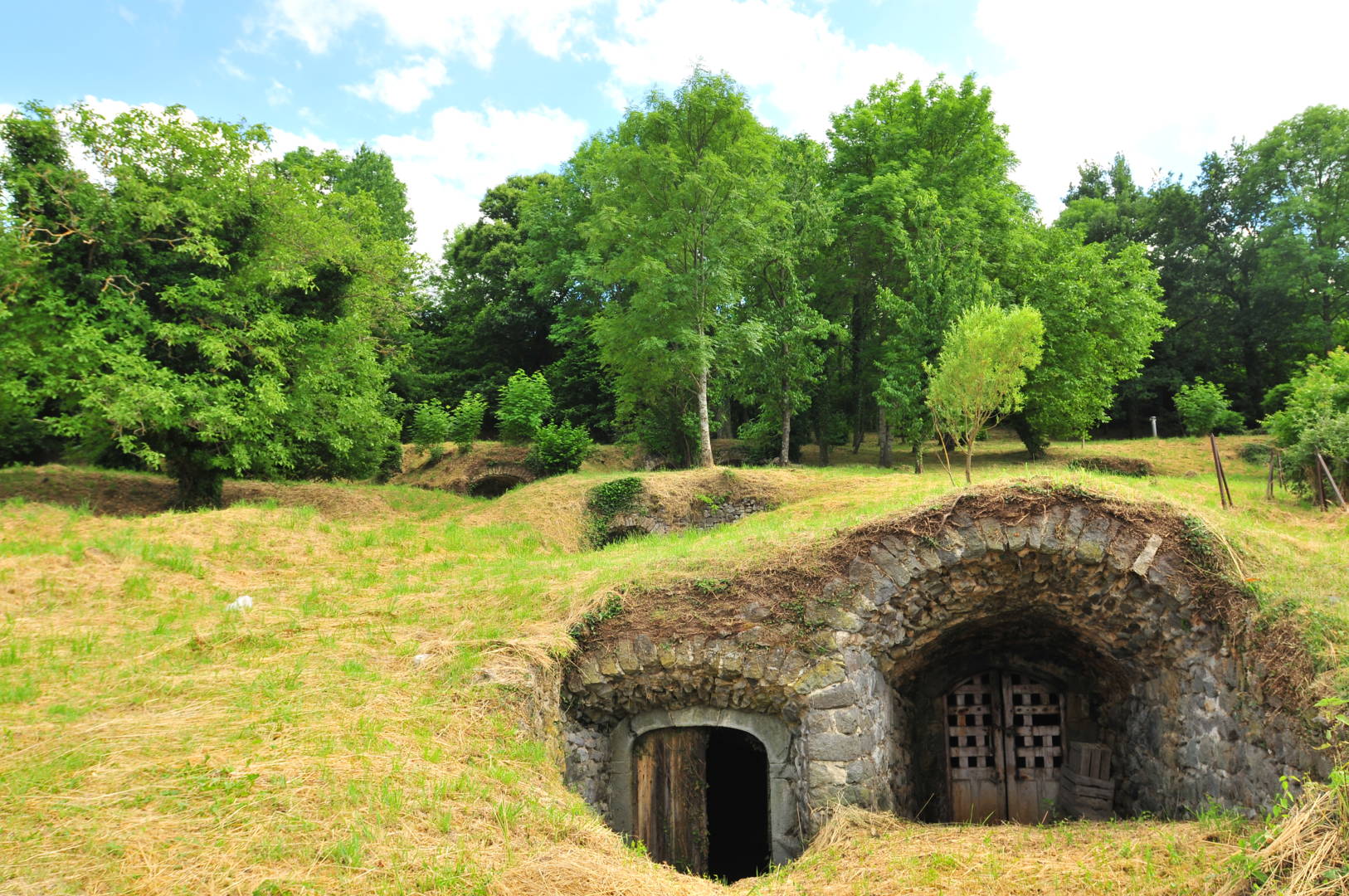
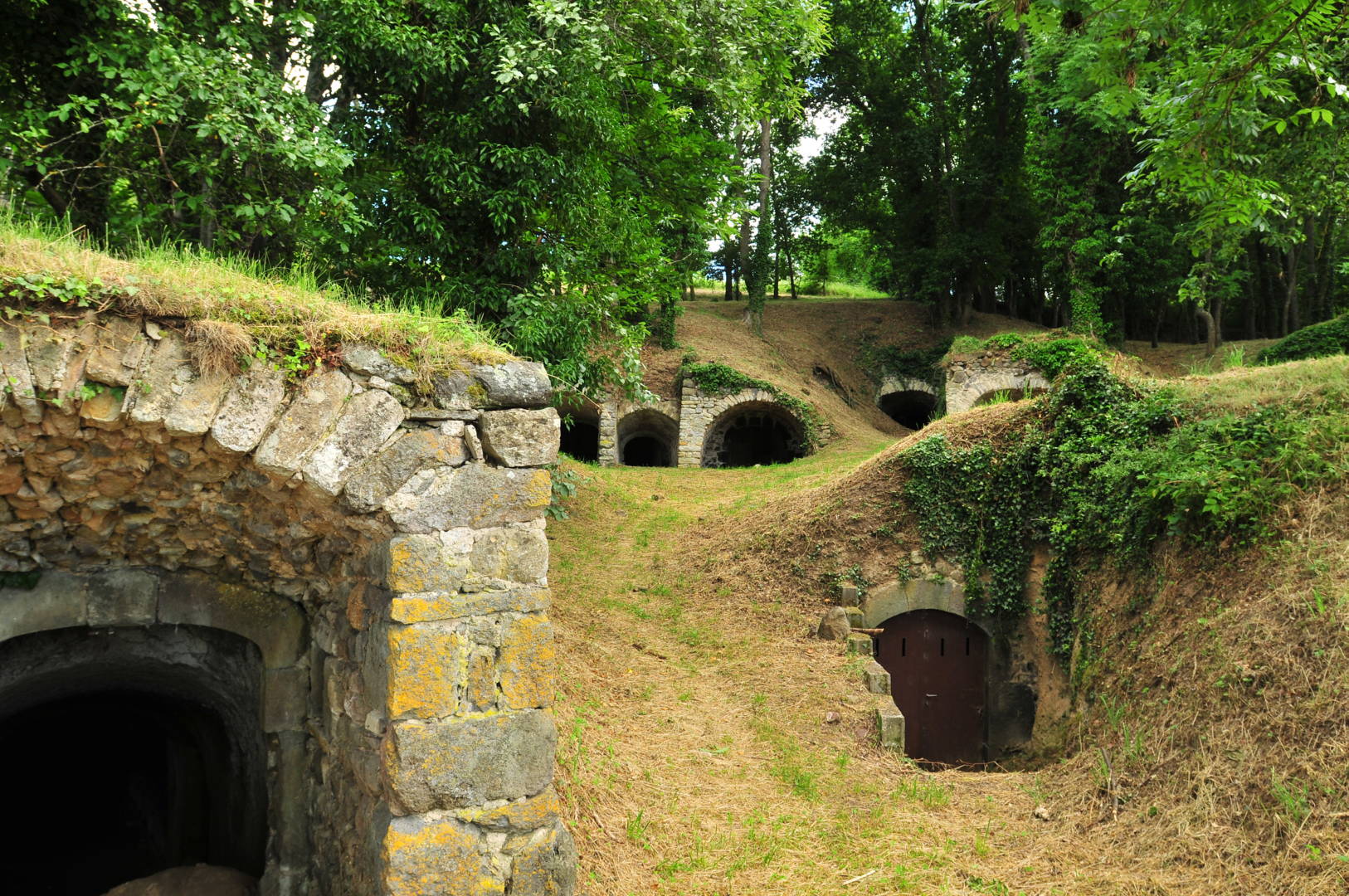
One of Auvergne’s three major wine cellar sites, and the only one in the heart of nature, it’s a stunning landscape to discover from the road !
A real Hobbit village ! These 140 holes dug in an ancient ash flow from the Sancy volcano, which arrived here a million years ago, offer a bewildering and very pretty sight : the entrances to these semi-circular cellars are all built of stone.
The oldest known cellar dates back to 1791,(…)
Spoken languages
Opening hours
From 01/01 to 31/12/2026 daily.
Prices and payment methods
- Free access. The site is freely accessible, but the cellars are private.
Comfort, facilities and services
- Pets welcome
Pets welcome
 Dogs allowed
Location
Environnements
Village -2 km away
You might also like…
Photo credits : @PAH-Norbert-Dutranoy, @PAH-Norbert-Dutranoy
 Updated on 24 September 2026 by Auvergne Pays d’Issoire