
Regional Museum of Auvergne



Riom
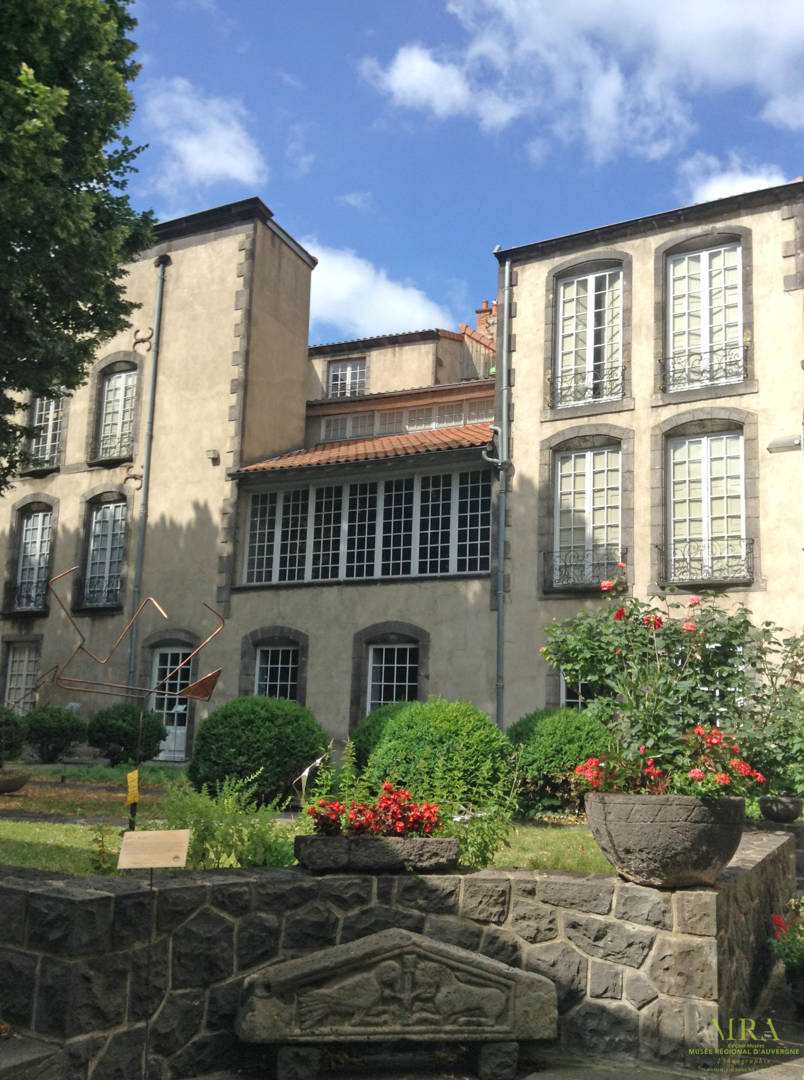
With a collection of over 4,000 objects, the Musée Régional d’Auvergne presents rural Auvergne in the 19th century, but also mirrors the region and its inhabitants today.
Inaugurated in 1969, this museum is one of the last to bear witness to what historians, museographers and ethnologists of the 1930s-40s had imagined in a France in the throes of change.
Preserving in order to pass on was the idea of the museum’s founders, who spent more than 10(…)
Spoken languages
Availability and booking
Opening hours
From 01/09 to 31/10/2026 on Tuesday, Wednesday, Thursday, Friday and weekends between 2 pm and 5.30 pm.
Closed on Saturday November 1st.
Prices and payment methods
- Full price : 3 €
- Reduced price : 2 € (RLV residents, jobseekers, disability card holders, minimum social benefits, CEZAM card holders, over 60s).
- Free entry for children under 18.
- Free admission every 1st weekend of the month.
- Free admission to the following events : Journées Européenne du Patrimoine, Nuit européennne des musées, Fête de la Ville de Riom, Samedis "Culture et Commerce" à Riom, Riom ville d'artisans, Fête de la musique, Journées Européennes de l'Archéologie, Journées Européennes des Métiers d'Arts.
- Free admission for Pass Patrimoine holders, students under 25 and people with reduced mobility (with an accompanying adult).
Payment methods :
- Bank/credit card
- Cash
- Travellers Cheque
Comfort, facilities and services
- Activity
- Children’s entertainment
- Concert
- Educational visits
- Exhibition space
- Guided group tours on request
- Guided individual tours on request
- Guided tours
- Handicrafts workshops
- Parking nearby
- Temporary exhibition
- Themed tour
- Toilets
- Unguided group tours available permanently
- Unguided individual tours available permanently
Pets welcome
 No dogs allowed
Capacité maximale :
Jusqu’à 40 personnes
Location
Environnements
Town location, Close to a motorway, Station district, In centre of town, Close to a public transportation
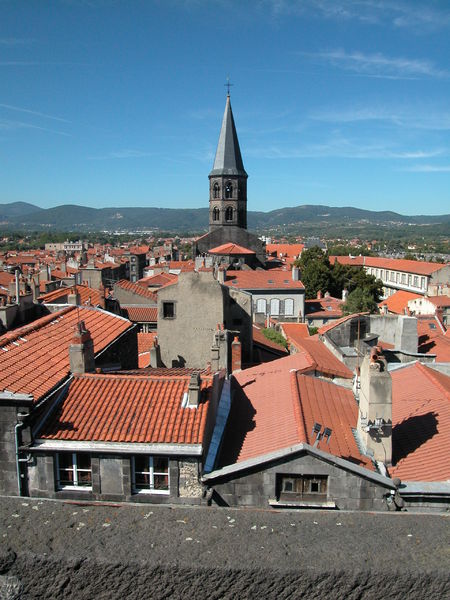
Photo credits : J. Damase
 Updated on 22 September 2026 by Office de Tourisme Terra Volcana, les Pays de Volvic