
Park and gardens of the Domaine Royal de Randan
Randan
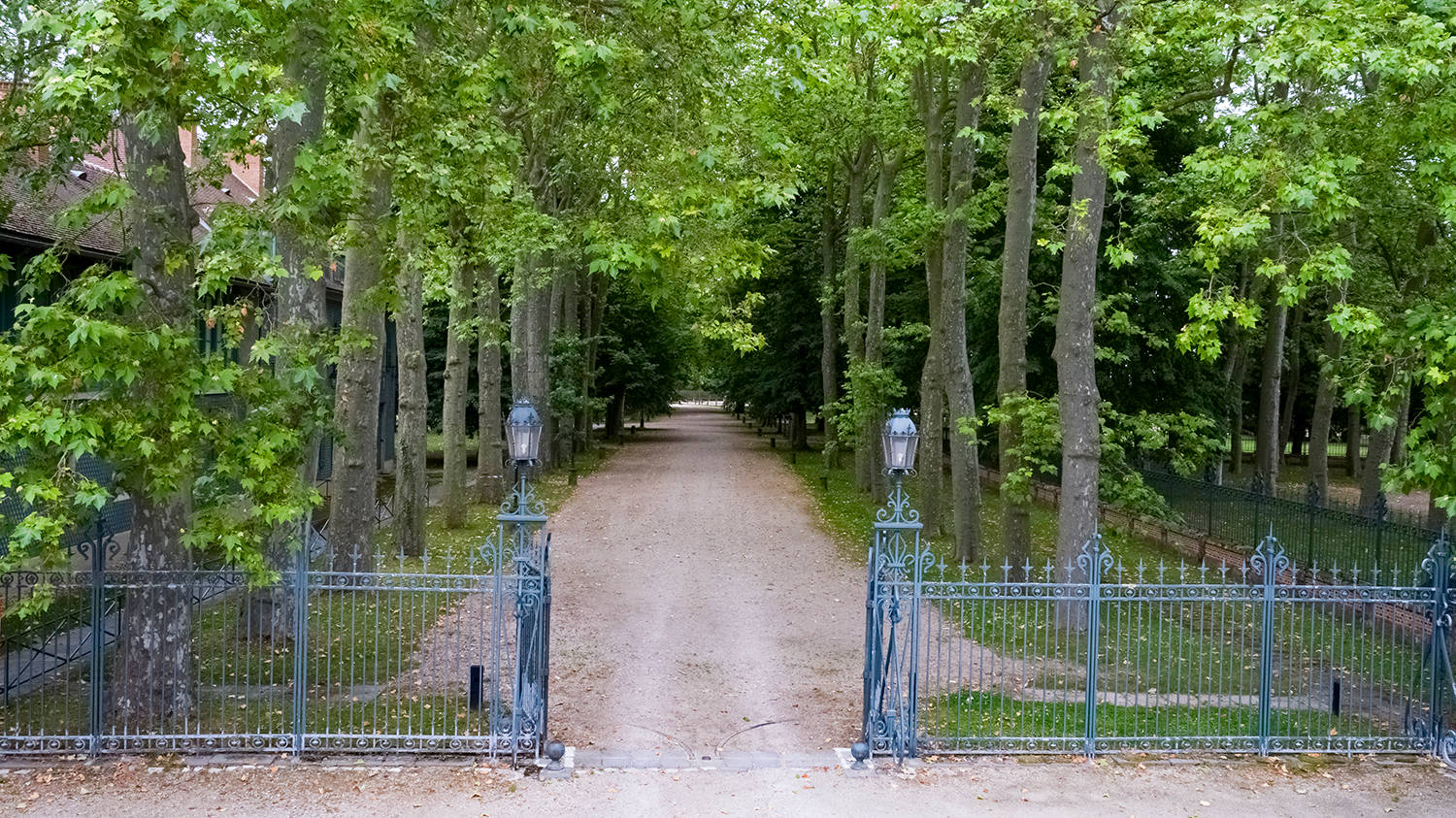
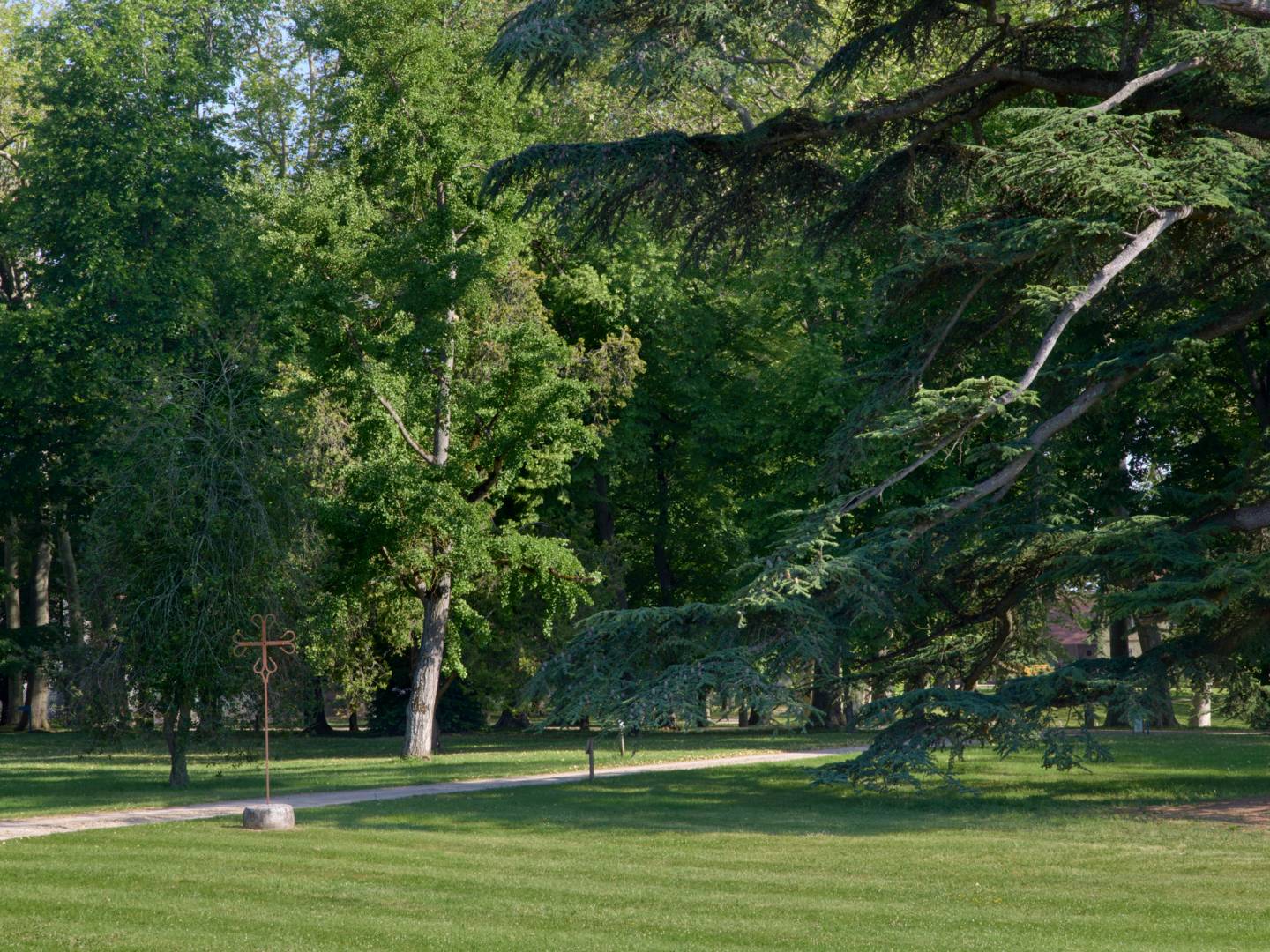
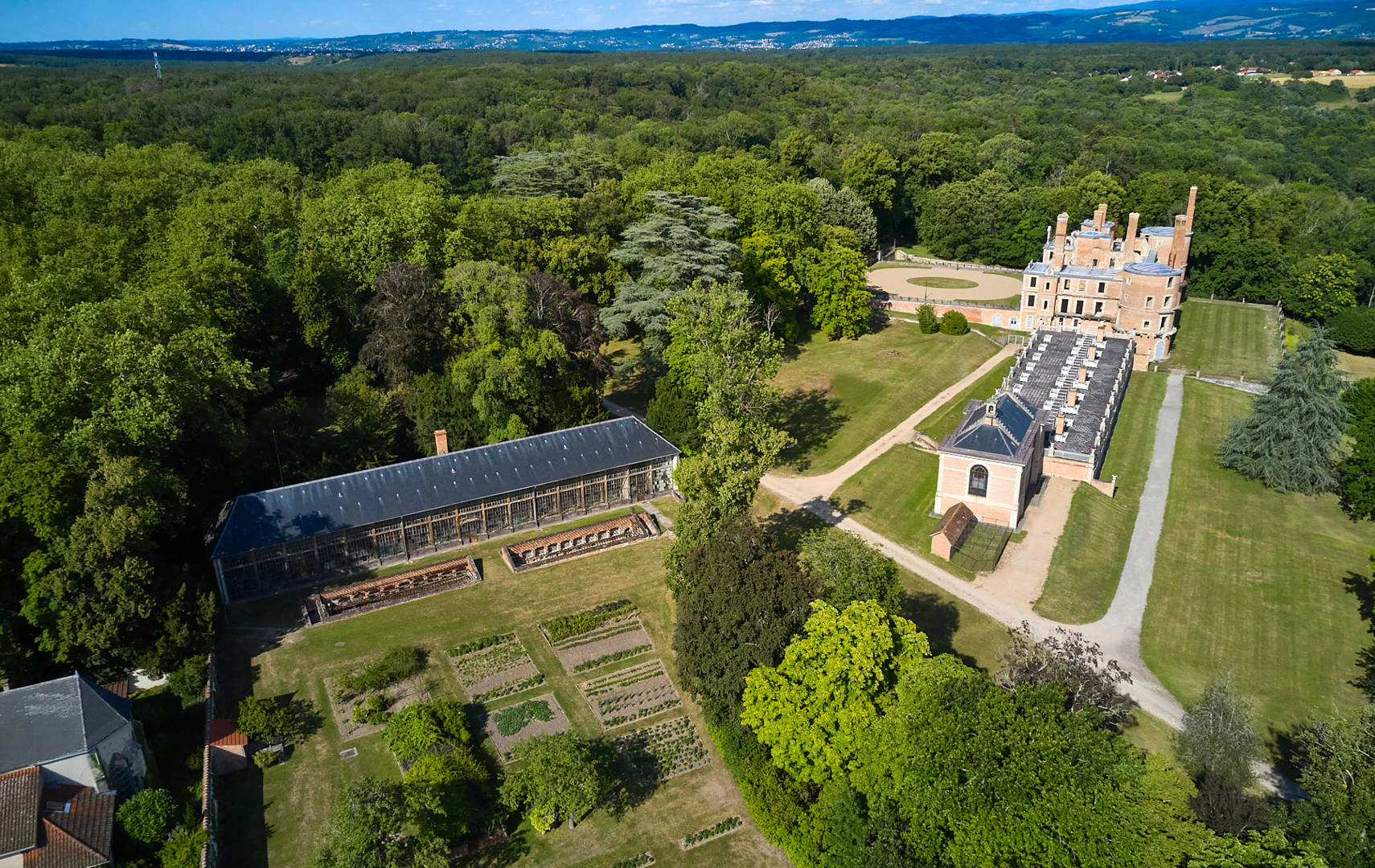
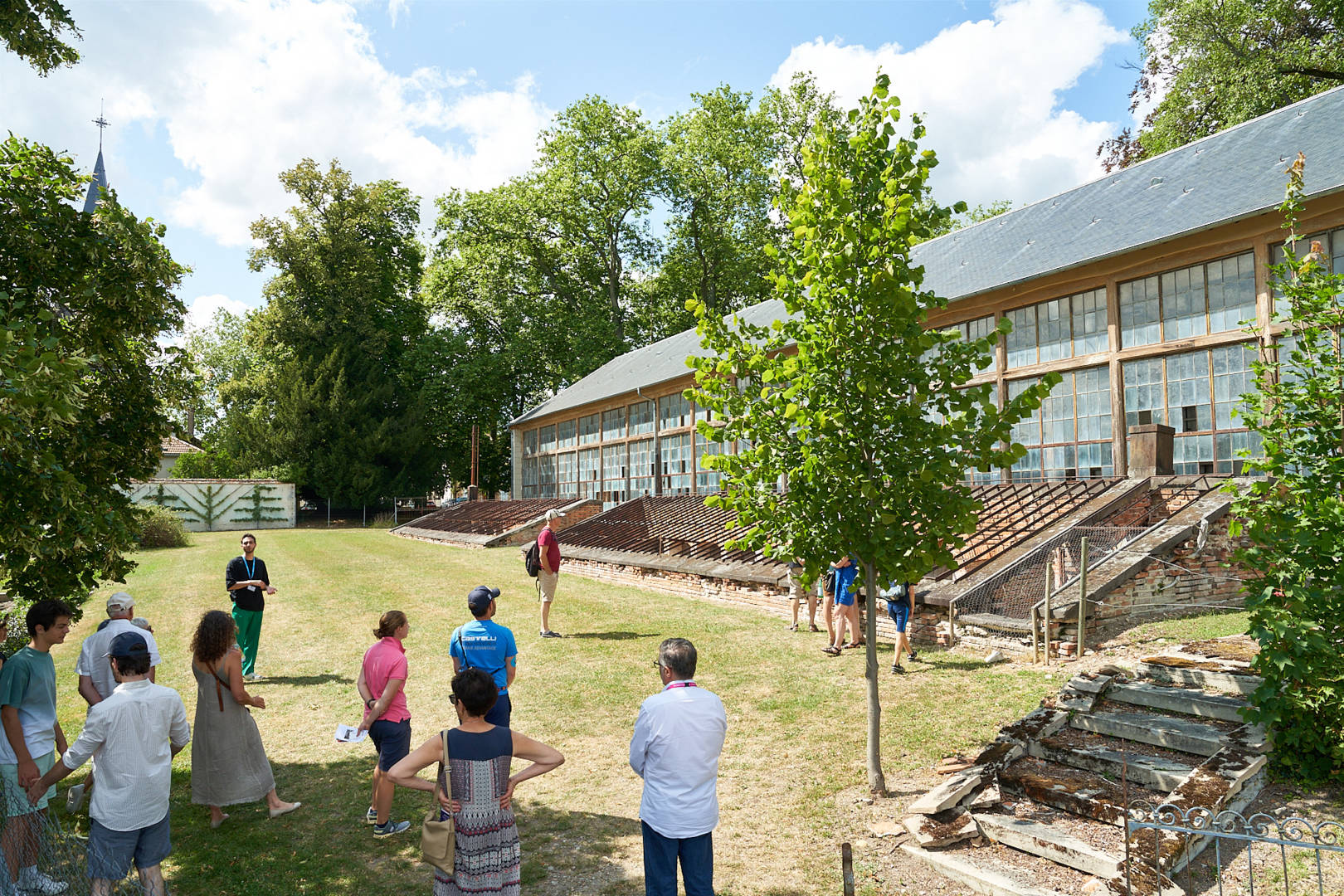
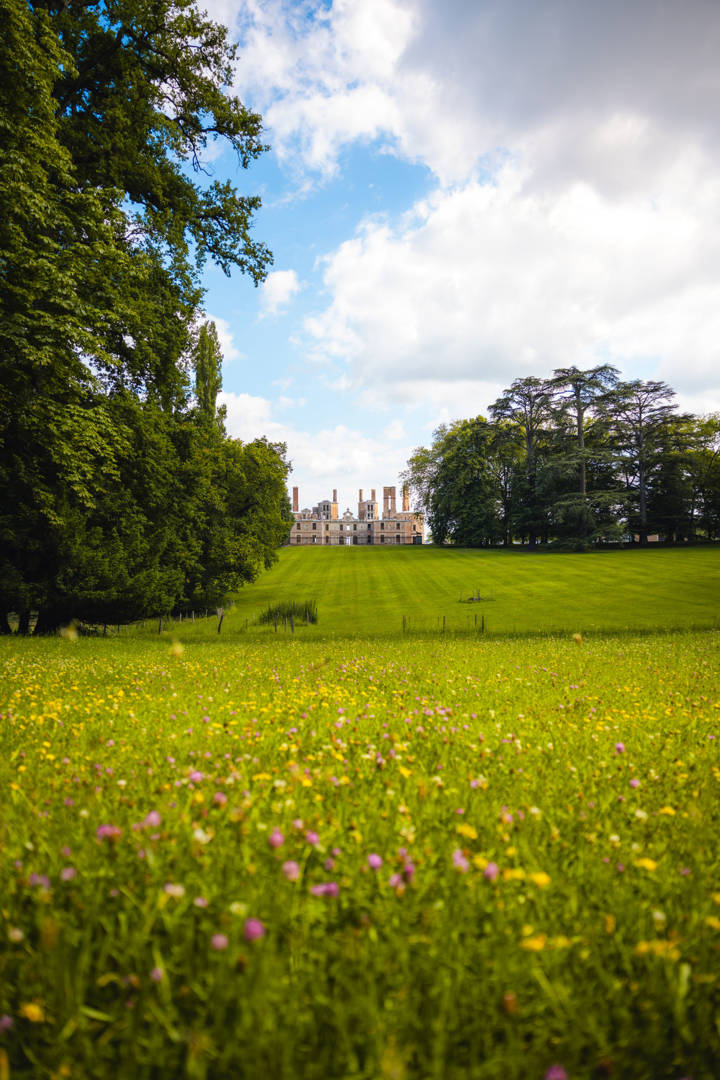
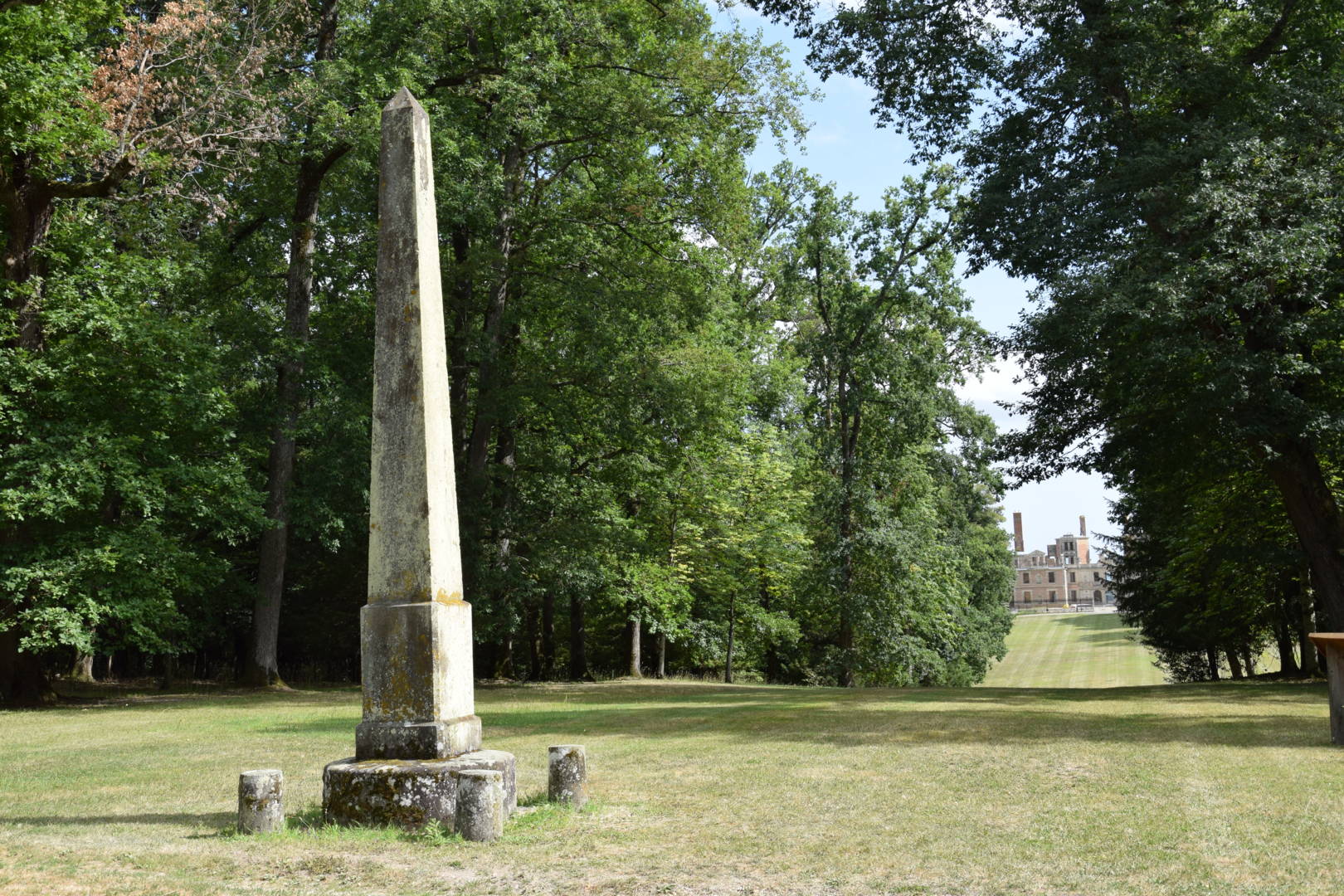
The park and gardens of Château de Randan form one of the most important French landscape creations of the first half of the 19th century.They are listed as historic monuments and have been awarded the “Remarkable Garden” label.
THE CASTLE GROUNDS
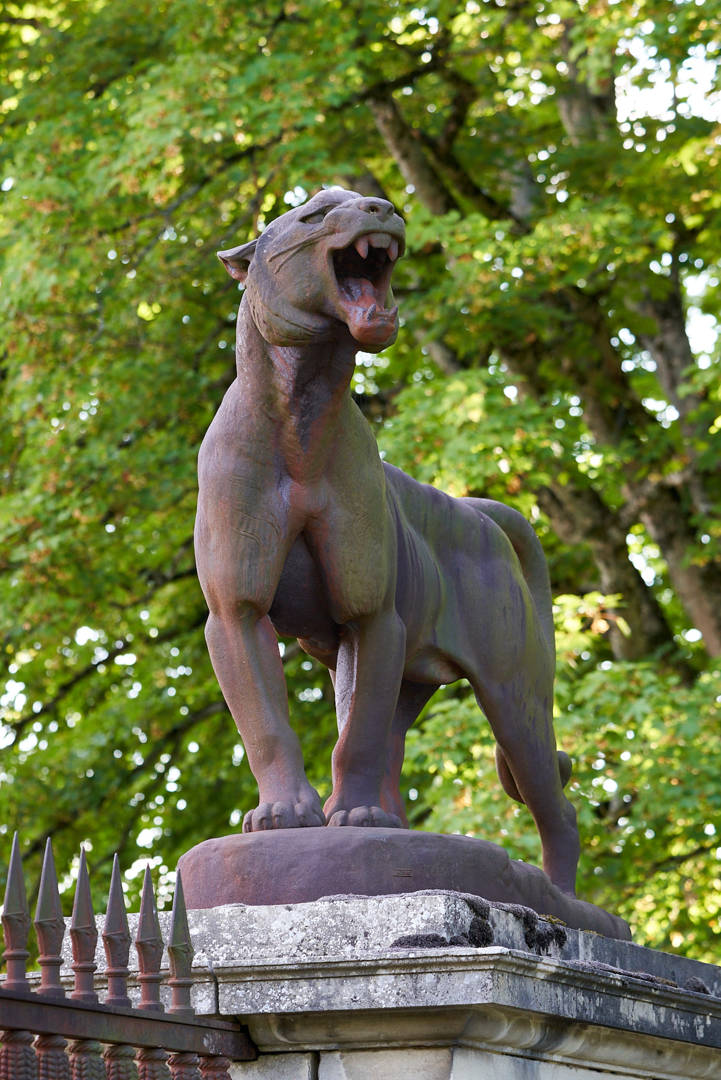
They are characterized by regular spaces. The main courtyard is bounded by the château, the dry moat and an imposing gate set in pedestals topped with cast-iron animal sculptures.
To the south, three levels rise up to the foot of the château :
– the reserved garden :(…)
Spoken languages
Opening hours
From 25/04 to 30/06/2026 on Monday, Wednesday, Thursday, Friday and weekends between 2 pm and 7 pm.
From 01/07 to 31/08/2026 on Monday, Wednesday, Thursday, Friday and weekends between 10 am and 7 pm.
Prices and payment methods
- Free access.
Downloadable :
Comfort, facilities and services
- Car park
- Coach access
- Coach parking
- Concert
- Permanent exhibition
- Pets welcome
- Shows
- Stroller-accessible
- Unguided group tours available permanently
- Unguided individual tours available permanently
Pets welcome
 Dogs allowed : Dogs on a leash are welcome in the park.
Additional information
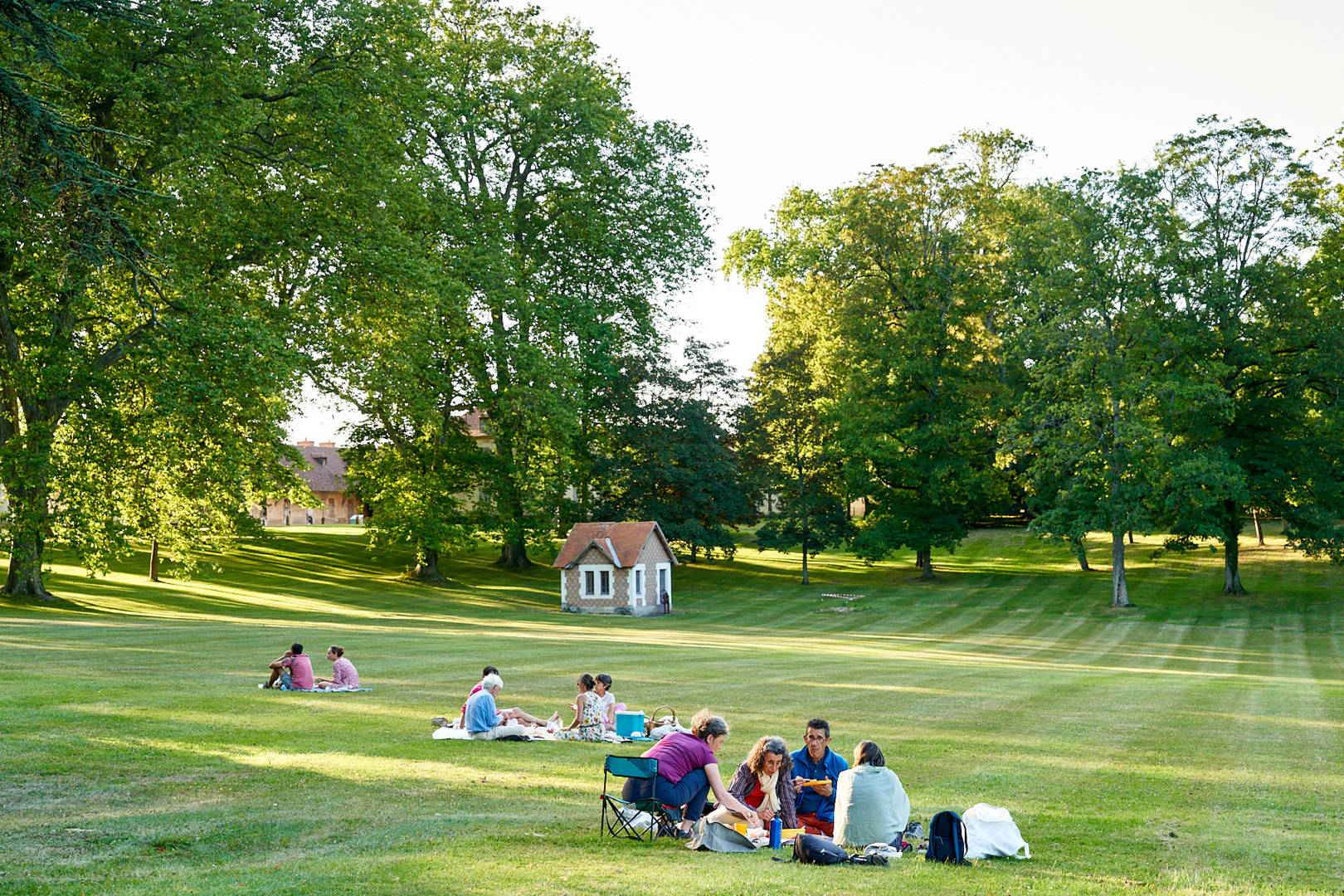
In July and August, lawns and shade provide pleasant picnic areas.
Location
Environnements
In the country, Mountain view, Village centre, 10 – 20 min from a train station by car
Photo credits : (c) Michel Pérès, Région Auvergne-Rhône-Alpes, Inventaire général du patrimoine culturel, 2023, (c) Christian Parisey, Région Auvergne-Rhône-Alpes, Inventaire général du patrimoine culturel, 2023, ©Juan ROBERT, ©Juan ROBERT, ©Juan ROBERT, ©Juan ROBERT, Florian Bompan., ©conseil régional Auvergne Rhône Alpes
 Updated on 17 March 2026 by Office de Tourisme Terra Volcana, les Pays de Volvic