
The village of Ardes
Ardes
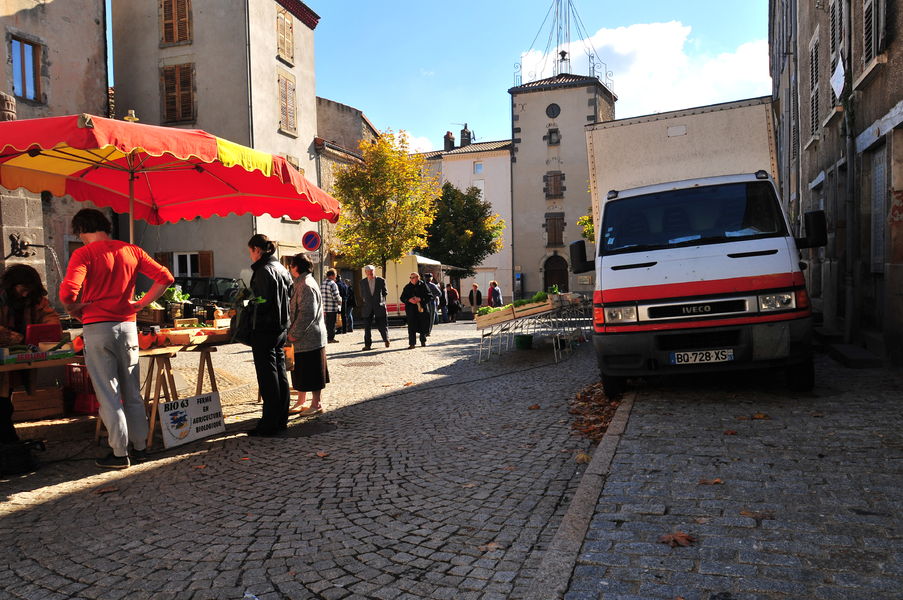
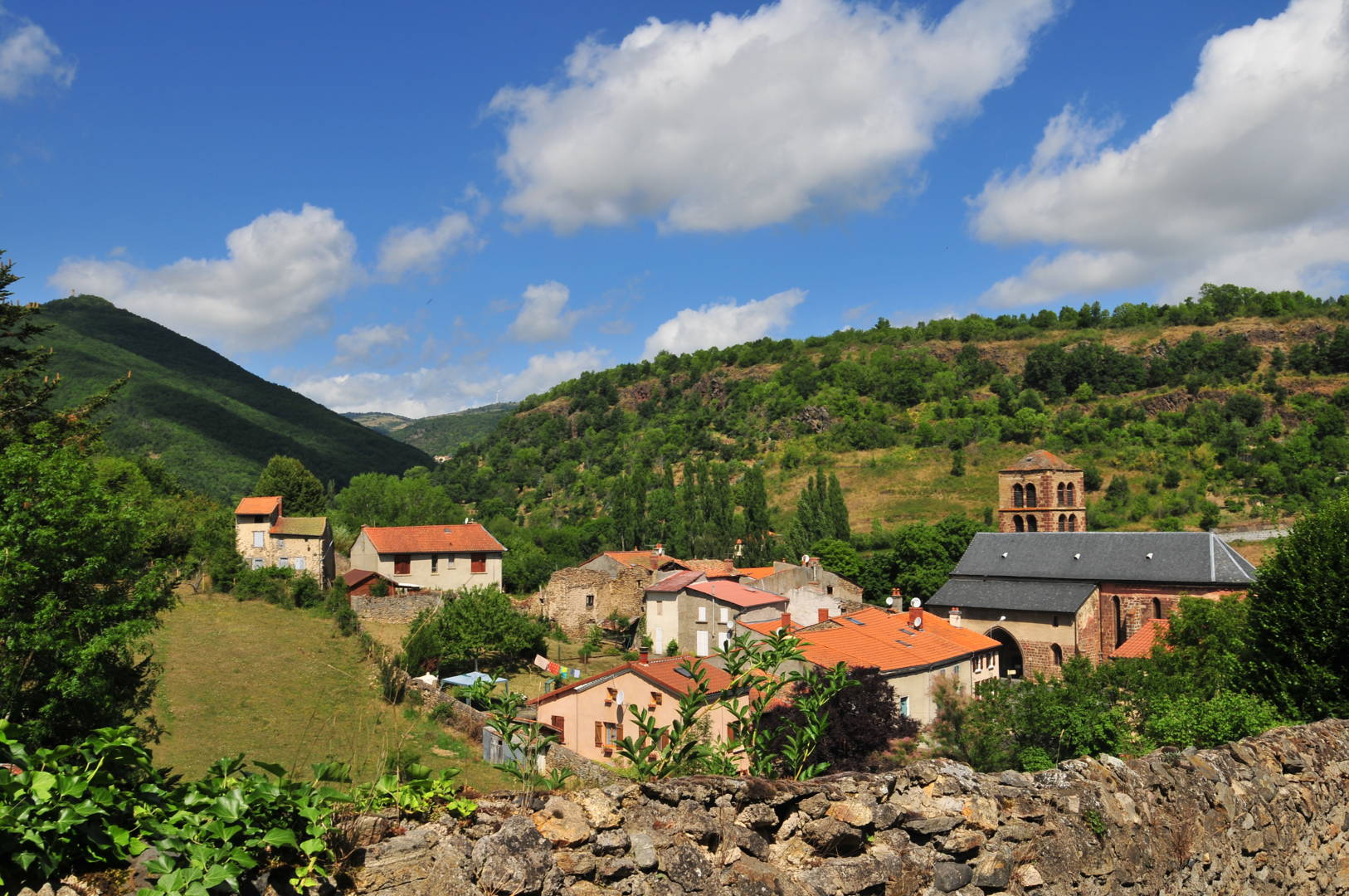
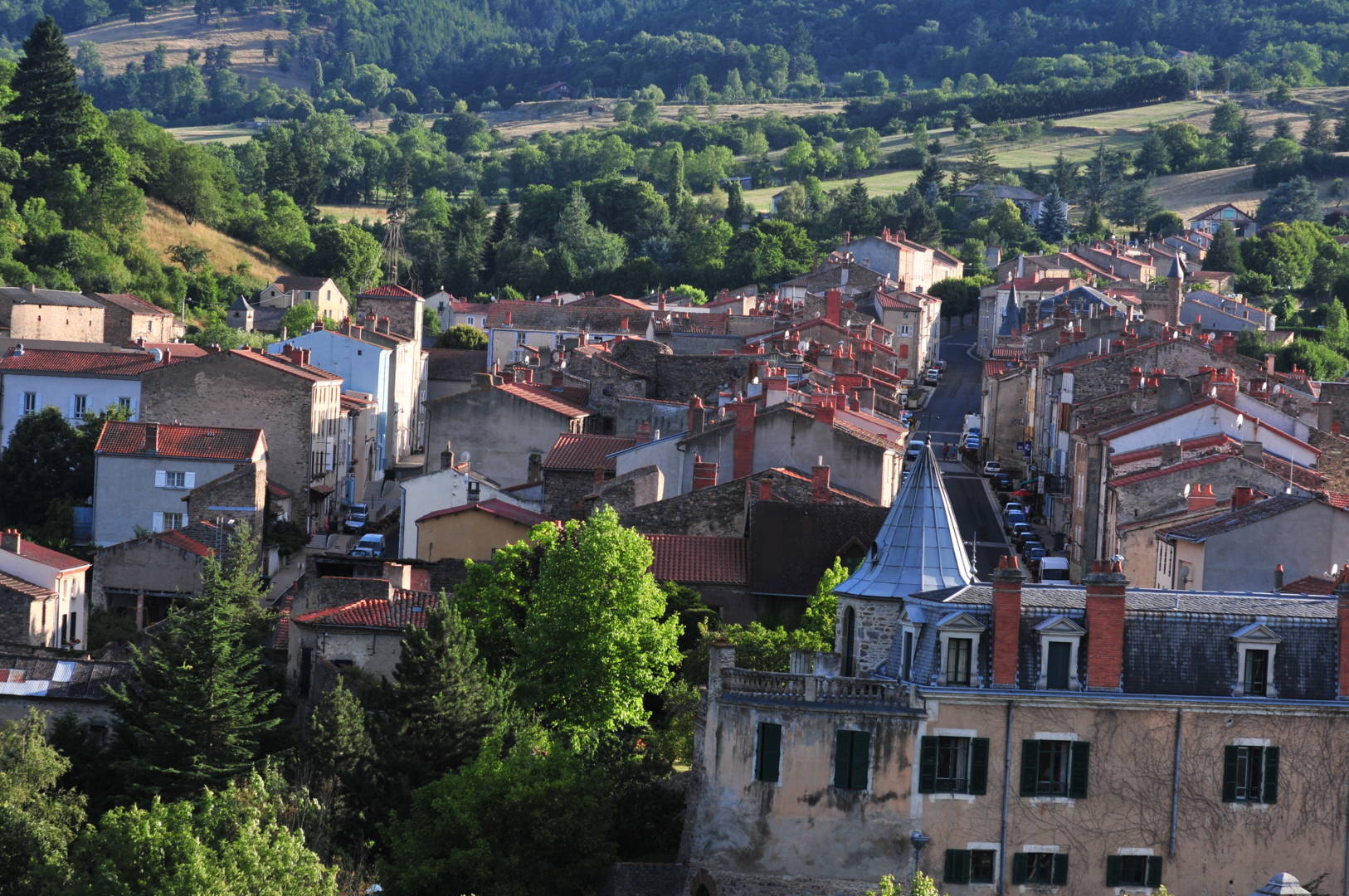
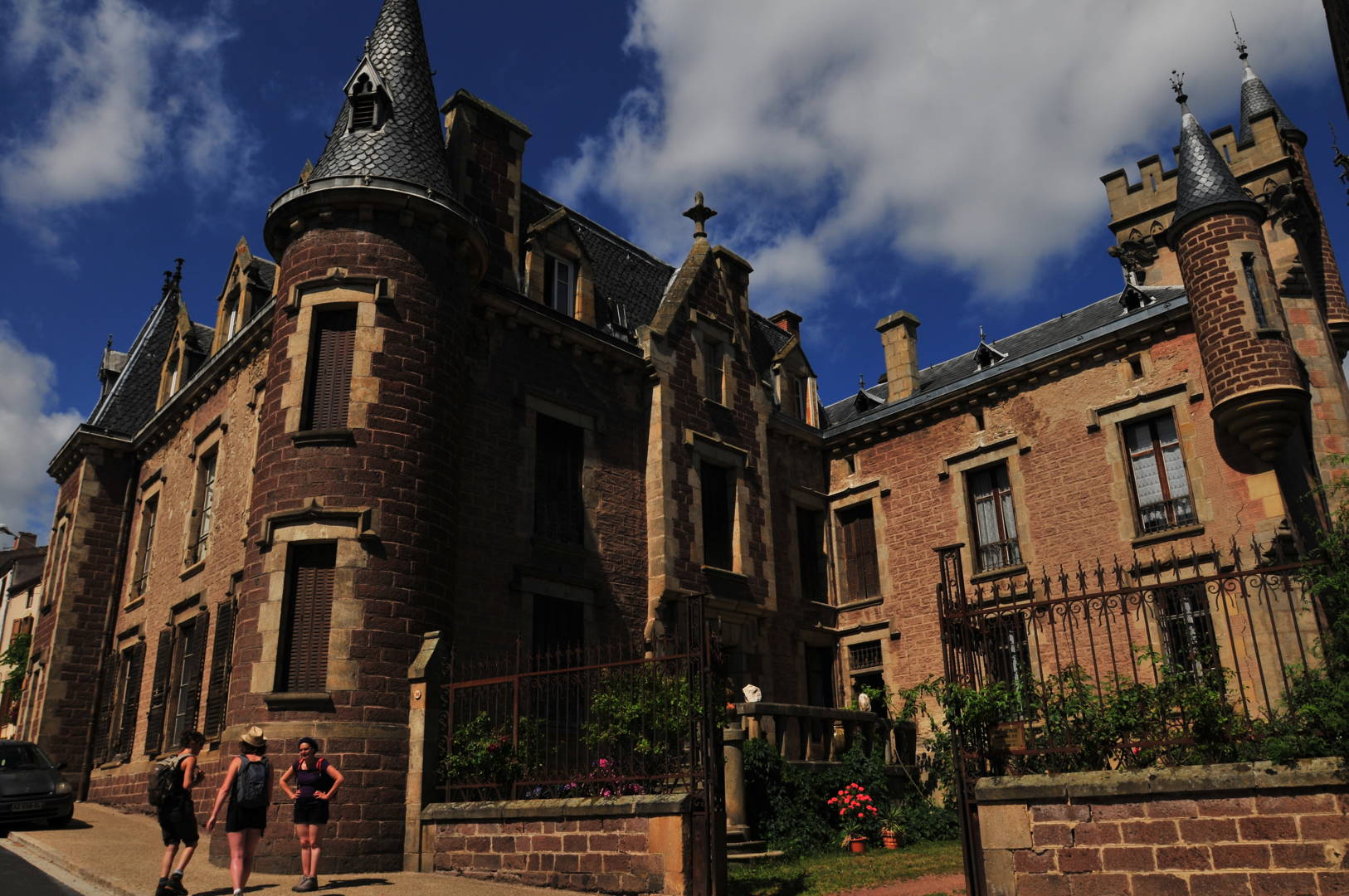
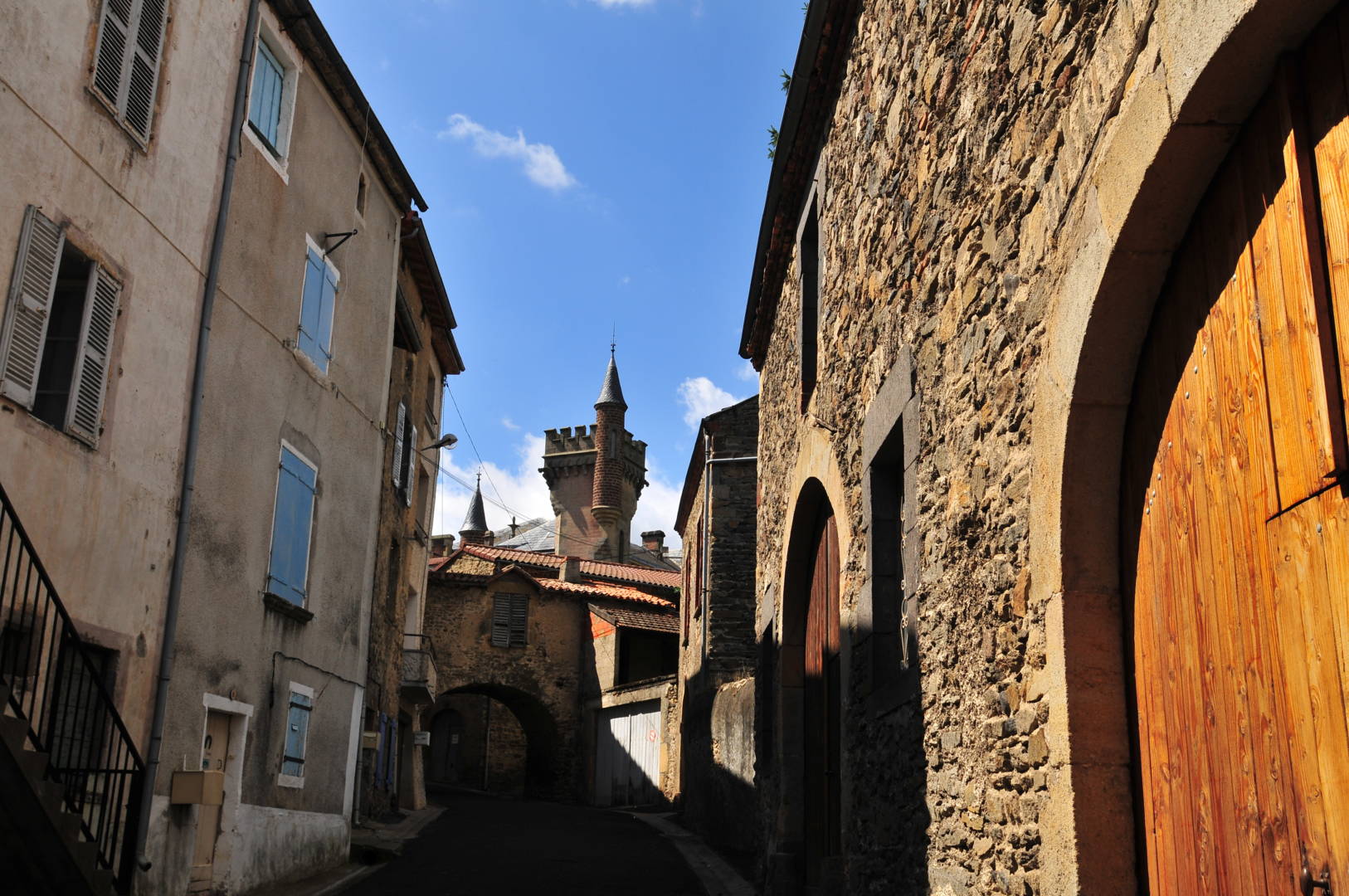
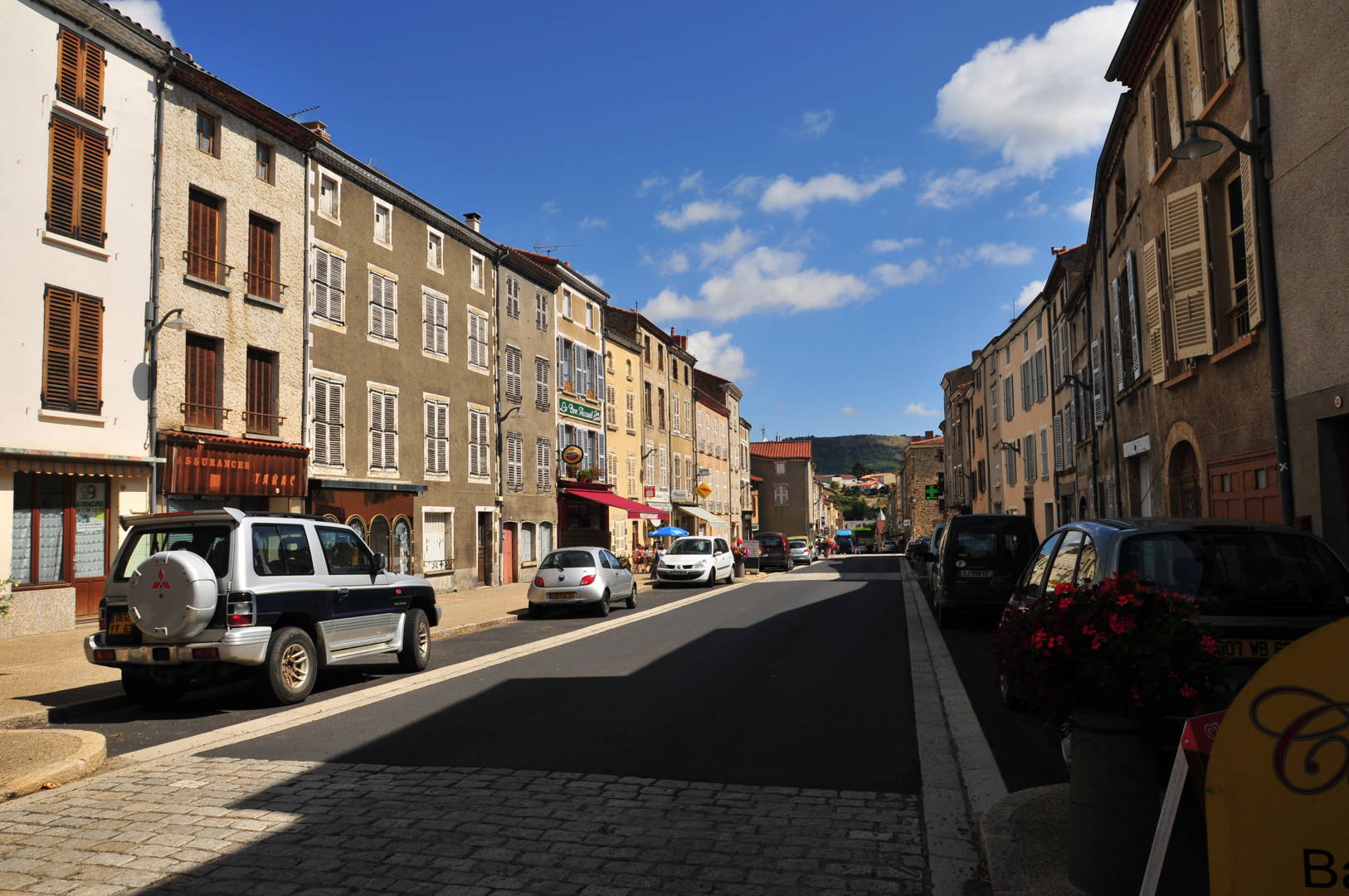
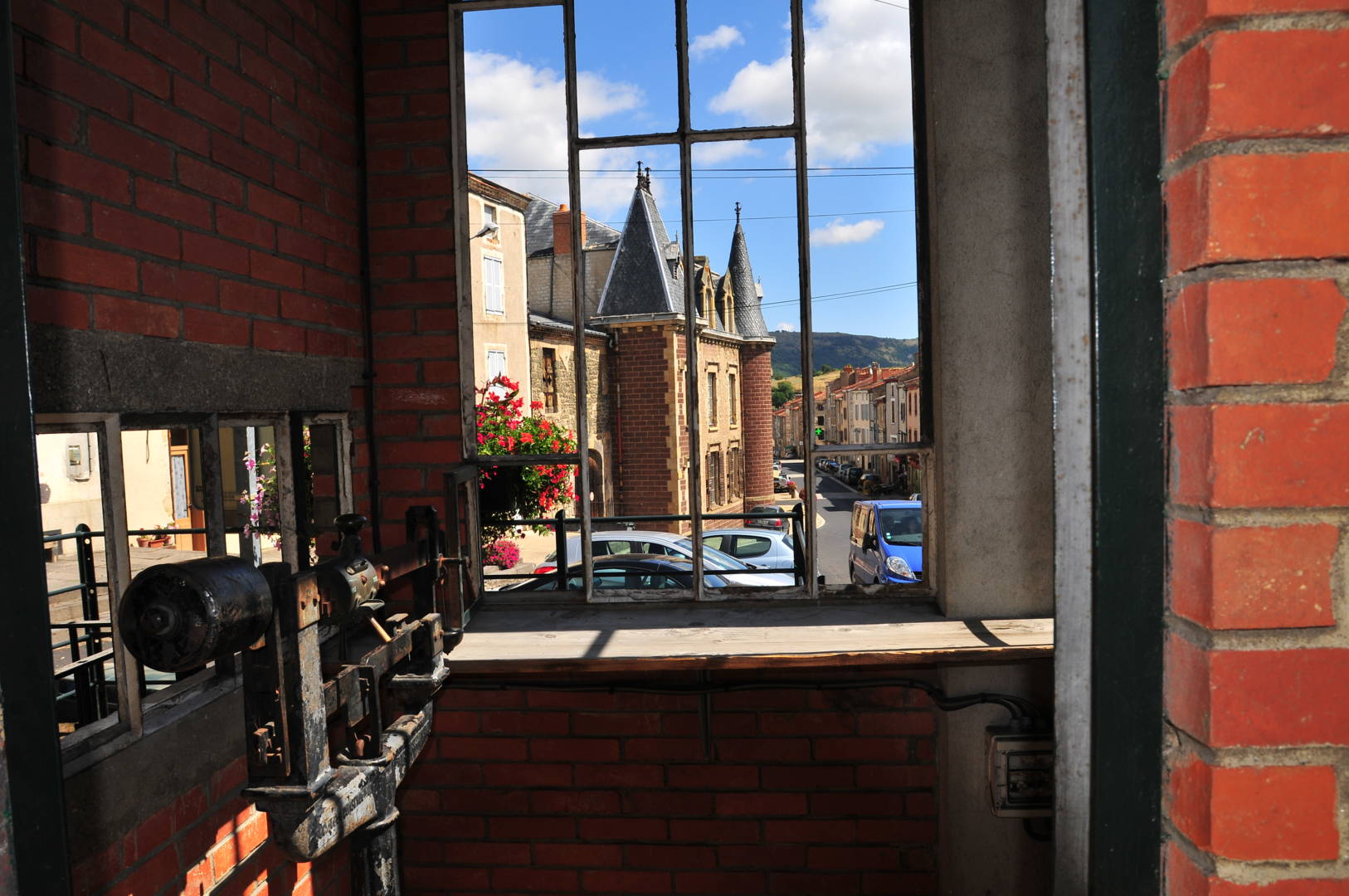
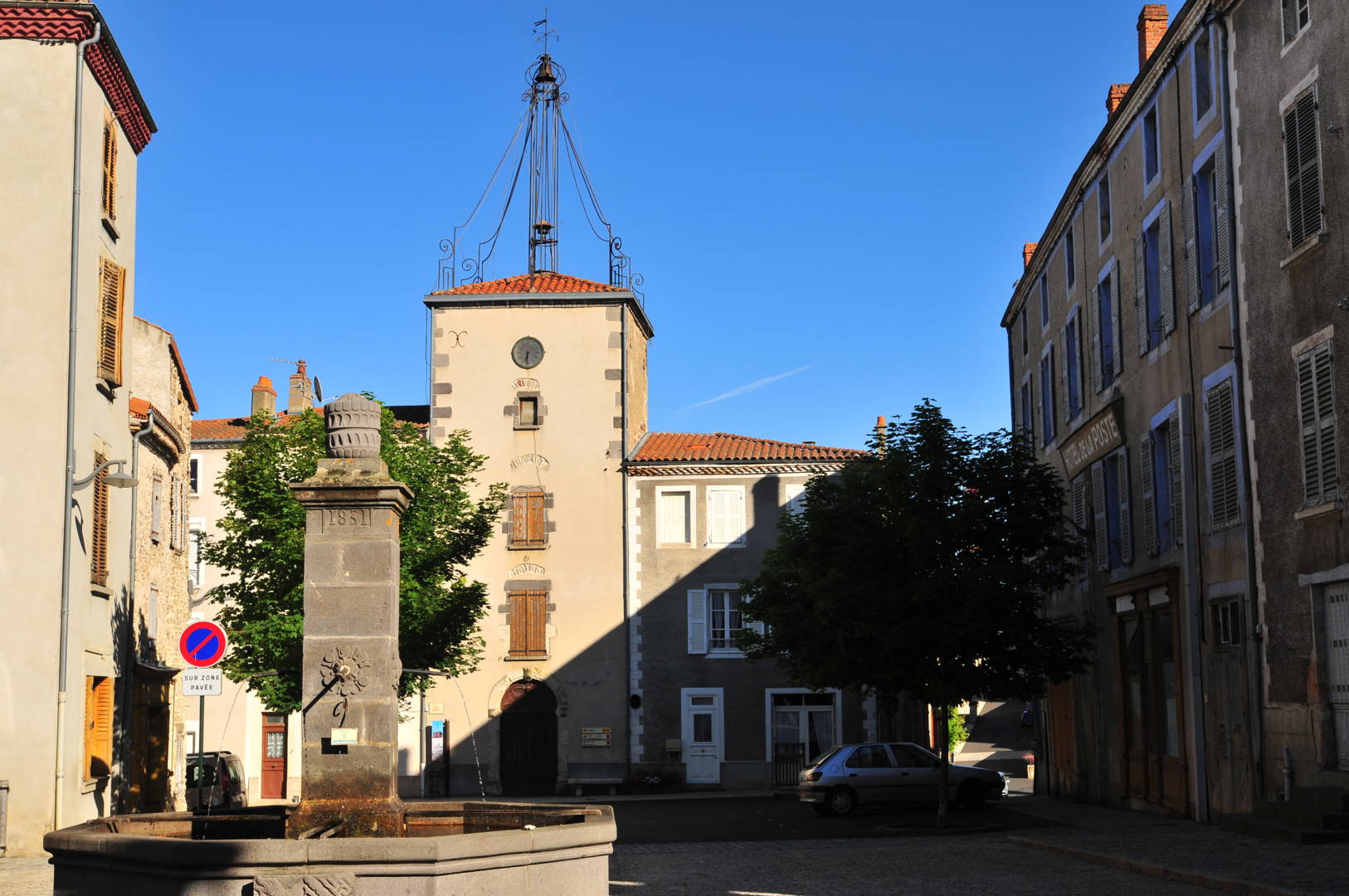
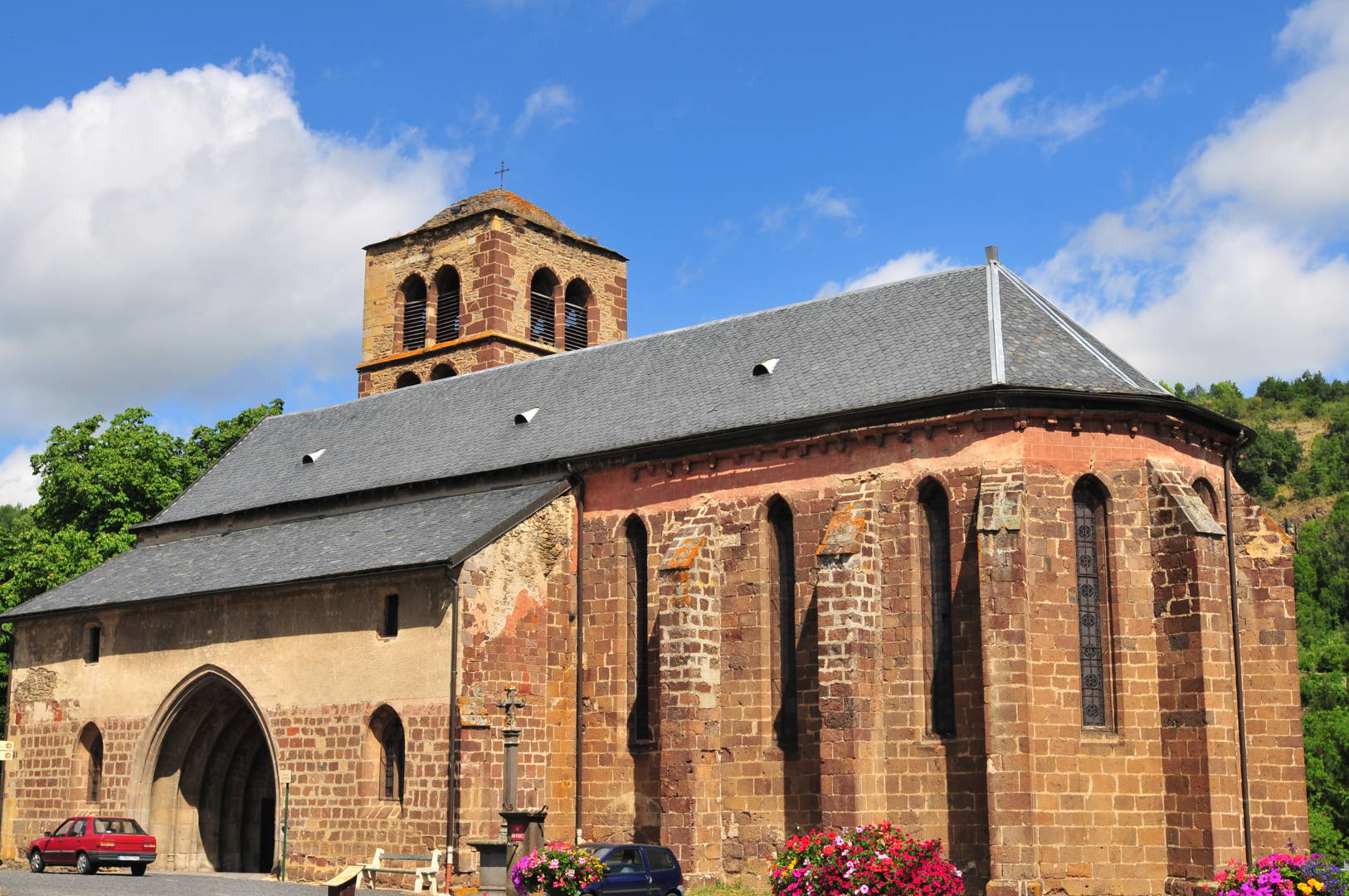
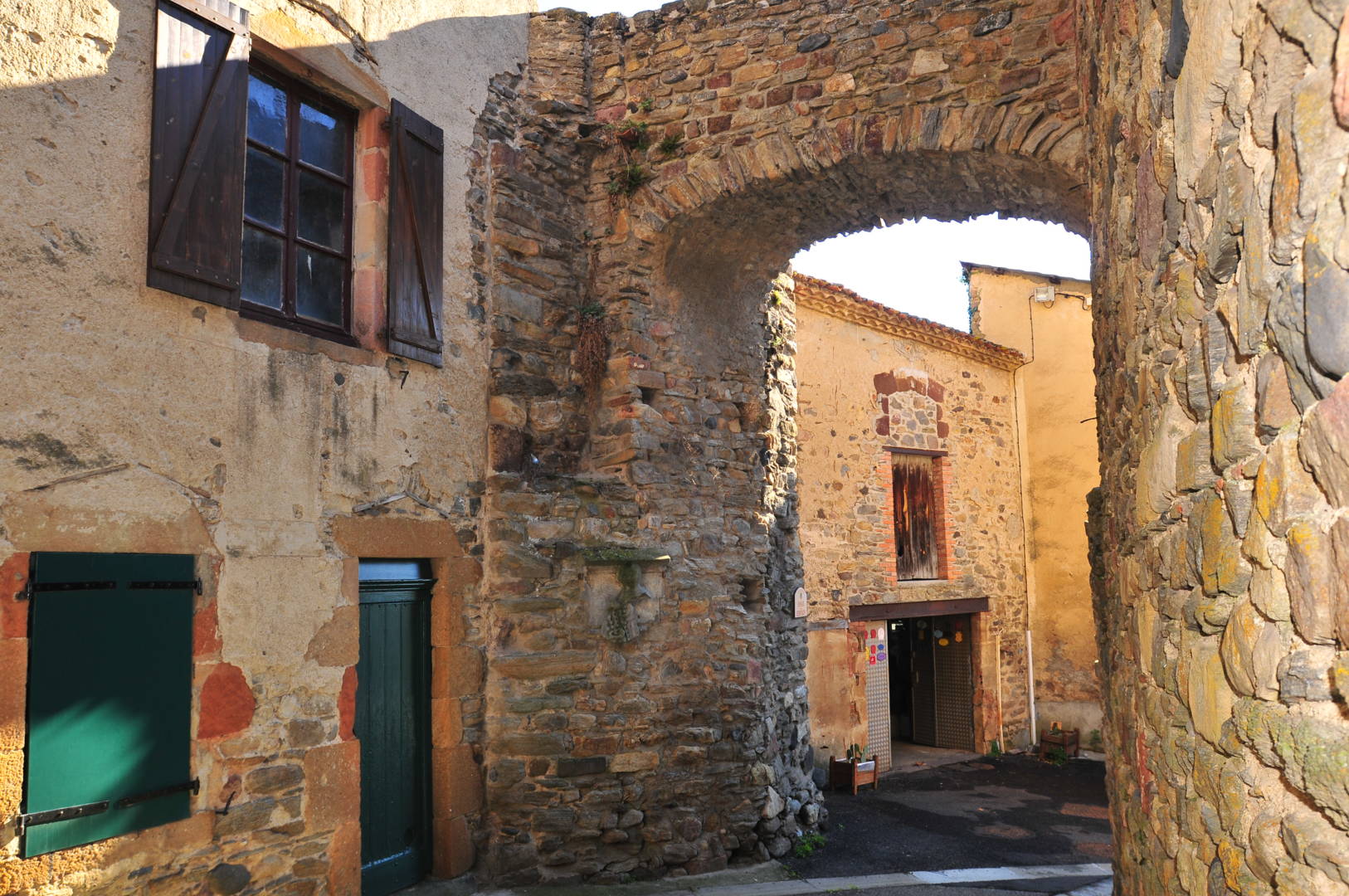
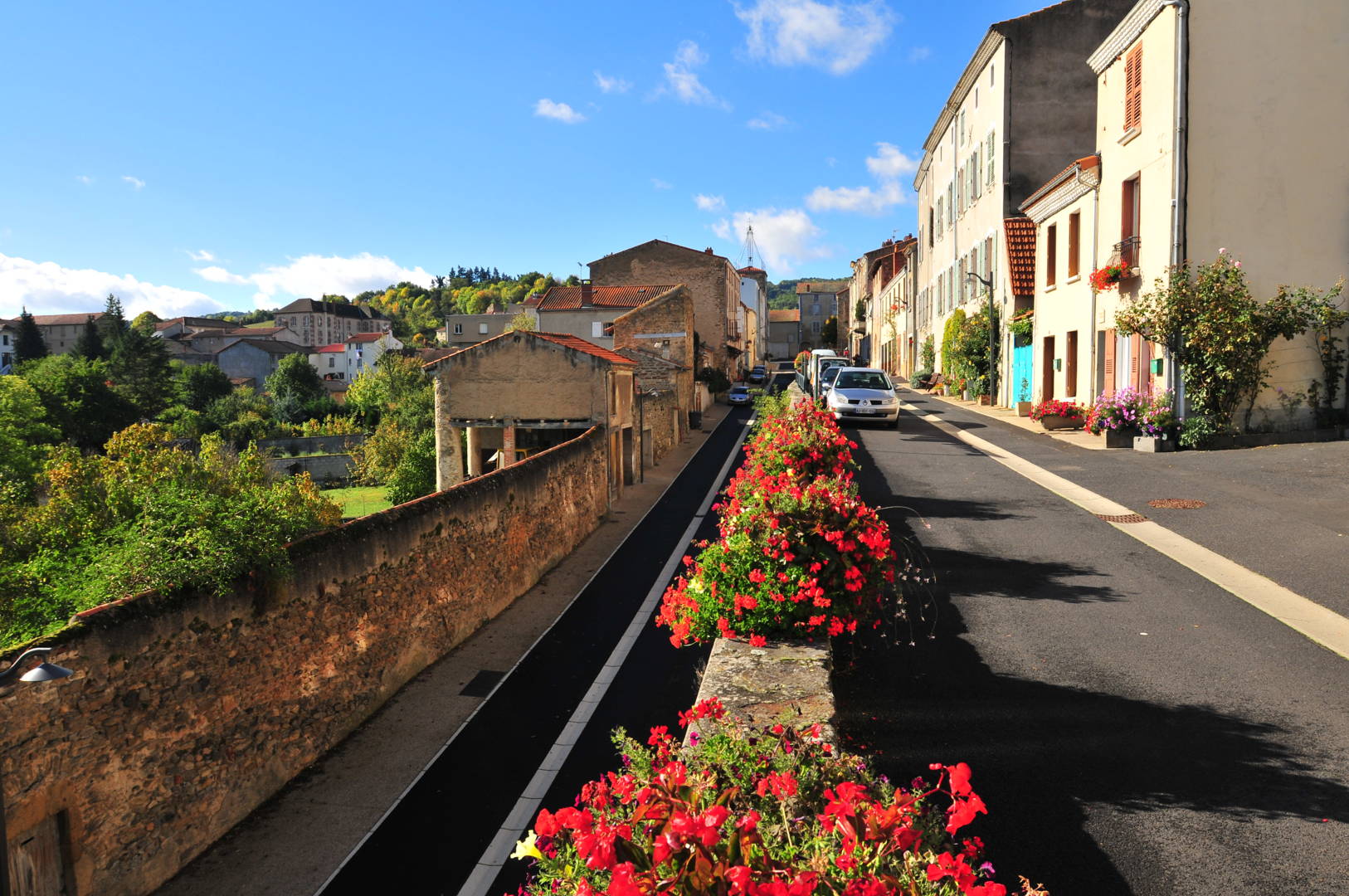
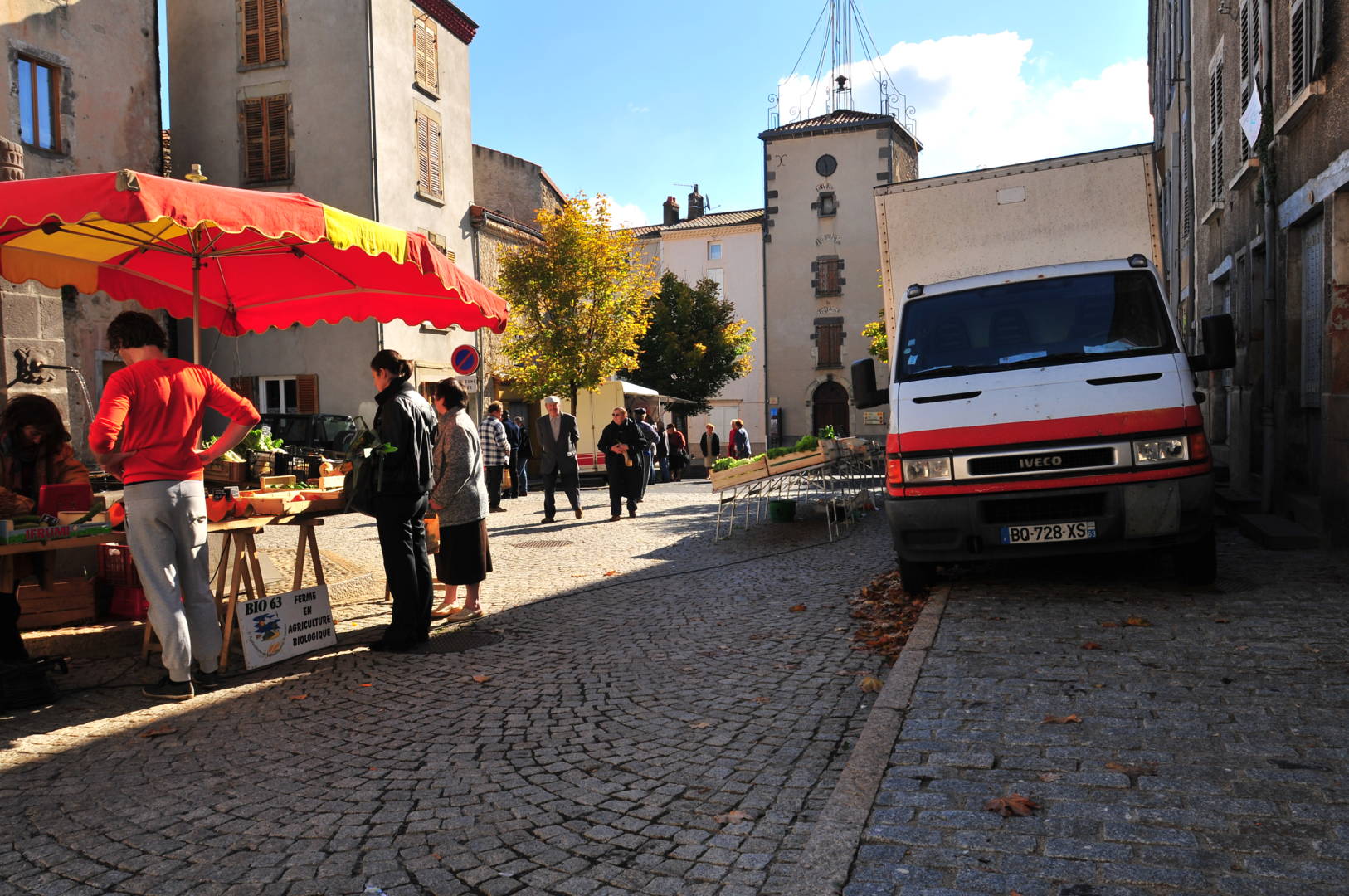
Ardes is the gateway between the golden plains of the Lembron and the grasslands of the volcanic Cézallier plateau. The former capital of the Duchy of Mercoeur terraces its houses above a wooded gorge formed by the couze (river) of Ardes.
Seat of a priory and then of a large community of priests until the 18th century, the lower quarter combined religious and artisanal functions. The church of Saint-Dizain, a tall, pinkish-brown tufa vessel, is easy to spot. This Gothic church was built over 200 years, between the first third of(…)
Spoken languages
Opening hours
All year round daily.
Prices and payment methods
- Free of charge.
Downloadable :
Comfort, facilities and services
- Car park
- Coach parking
- Parking nearby
- Picnic area
- Play area
- Tourist brochures
- Tourist information
Location
Photo credits : @PAH-Norbert-Dutranoy, @PAH-Norbert-Dutranoy, @PAH-Norbert-Dutranoy, @PAH-Norbert-Dutranoy, @PAH-Norbert-Dutranoy, @PAH-Norbert-Dutranoy, @PAH-Norbert-Dutranoy, @PAH-Norbert-Dutranoy, @PAH-Norbert-Dutranoy, @PAH-Norbert-Dutranoy, @PAH-Norbert-Dutranoy
 Updated on 13 May 2026 by Auvergne Pays d’Issoire