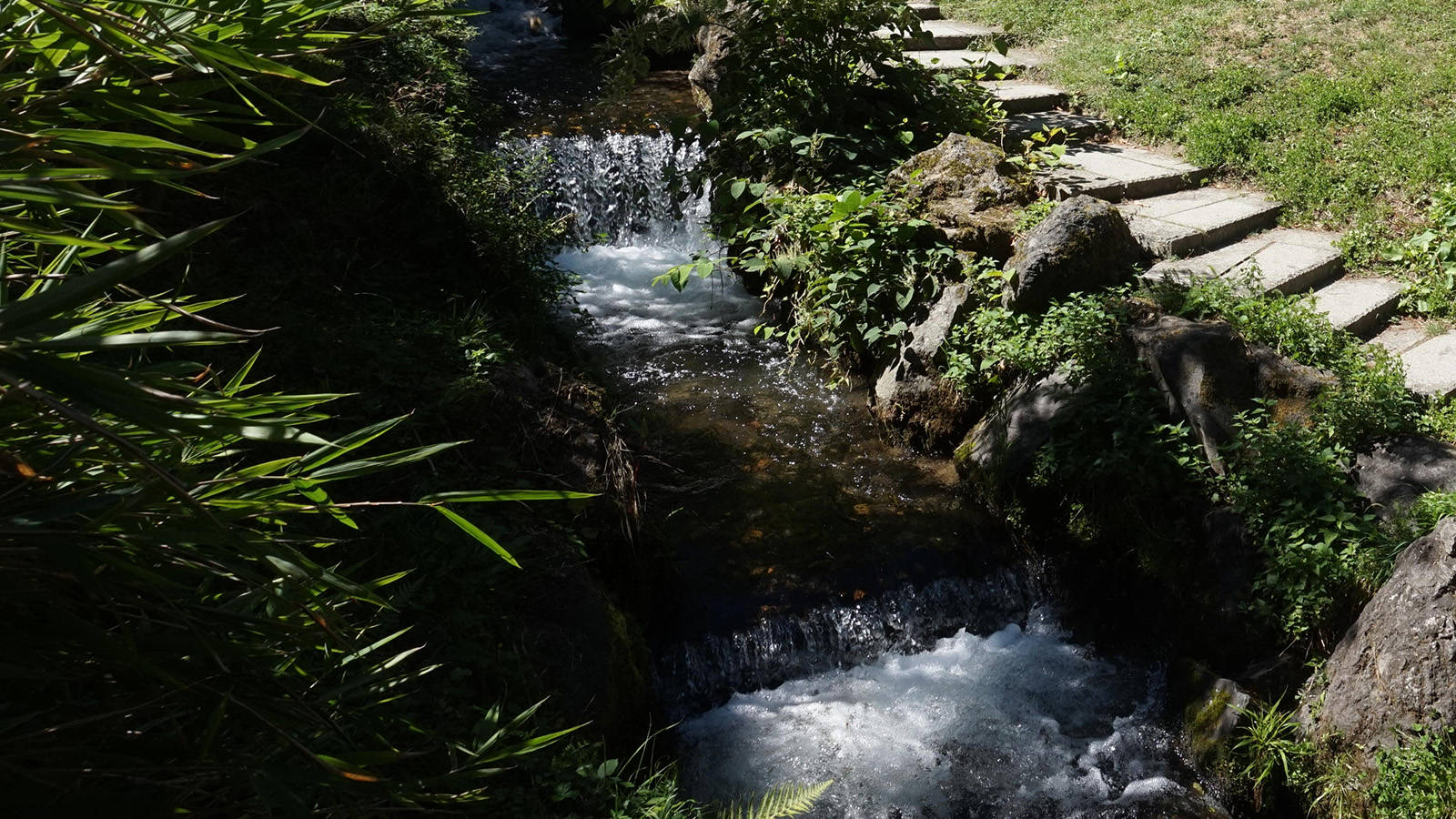
The Tiretaine’s source is at Oricines, close to Font de l’Arbre. It is 16.7 km long. There is a 400 m level difference between the source and Chamalières, which explains the vitality and force of its water. The Tiretaine first winds through a preserved natural environment, then when it arrives(…)
The Tiretaine’s source is at Oricines, close to Font de l’Arbre. It is 16.7 km long. There is a 400 m level difference between the source and Chamalières, which explains the vitality and force of its water. The Tiretaine first winds through a preserved natural environment, then when it arrives in the town, its banks are often covered with concrete and the river even disappears underground at times. In total, 50% of the river bed is covered and this proportion rises to 70% at Chamalières.
Connected to natural areas such as those at the Chaîne des Puys mountain range, and thanks to decent water quality, this river retains its ecological richness. It harbours a wide variety of fishes, even in the town. Up to 354 wild trout were identified in 2024 along the present path : around 2 trout per meter of waterway ! The rare uncovered parts are havens for biodiversity.
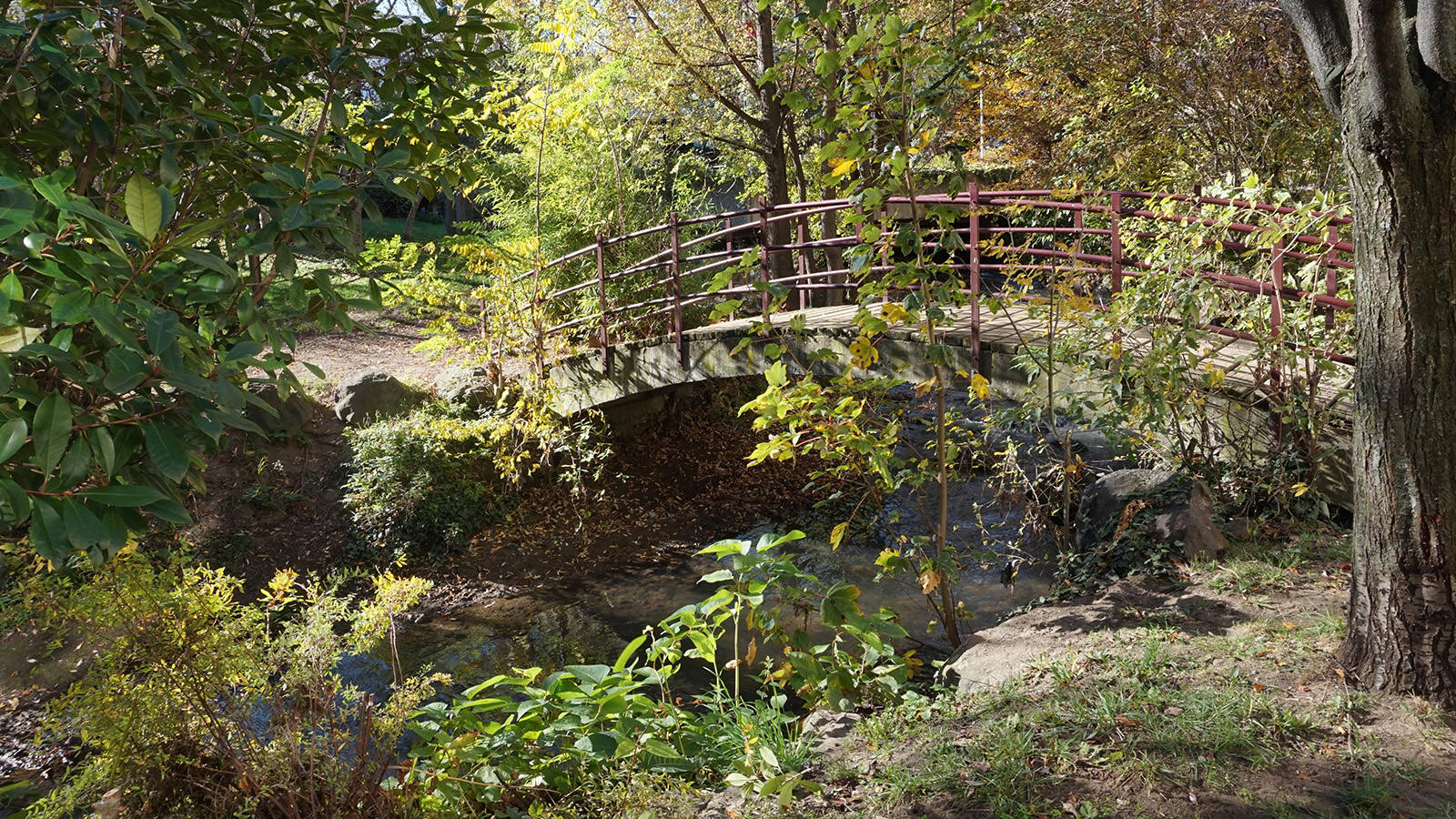
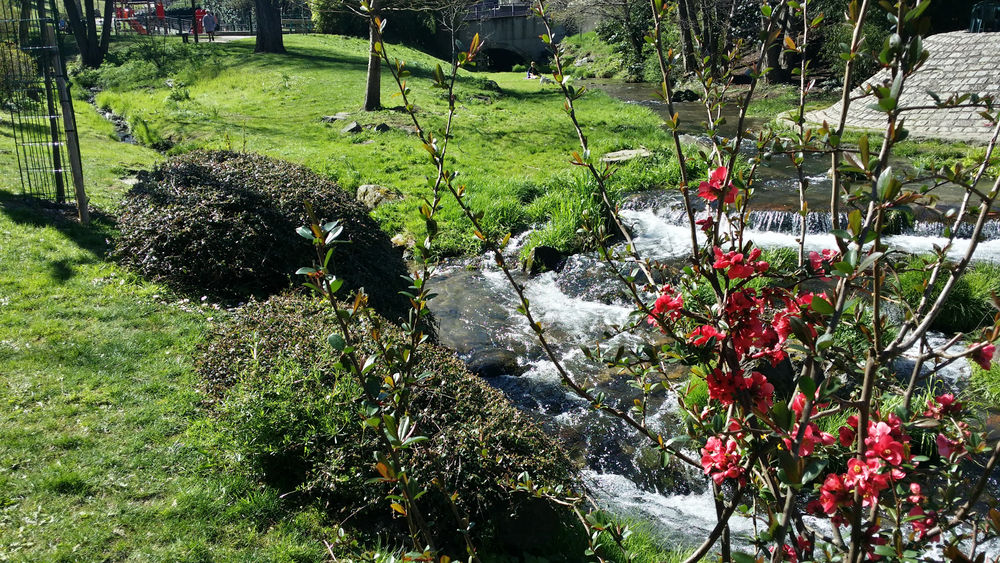
In 2023, renaturation projects were carried out in Beaulieu park, followed in 2024 by new developments, which included the rue de la Papeterie. The city secured the right bank of the Tiretaine and an old industrial dam was also consolidated to prevent risks of collapse during flooding. Now, the gently sloping green banks promote biodiversity, a fishway improves circulation of trout and a foot path allows residents to enjoy the natural environment.
However, these projects have not ruled out the risk of flooding, as the waterway is characterised by rapid and powerful floods.

 Updated on 27 May 2025 by Clermont Auvergne Volcans