
Castle of Pionsat
Pionsat
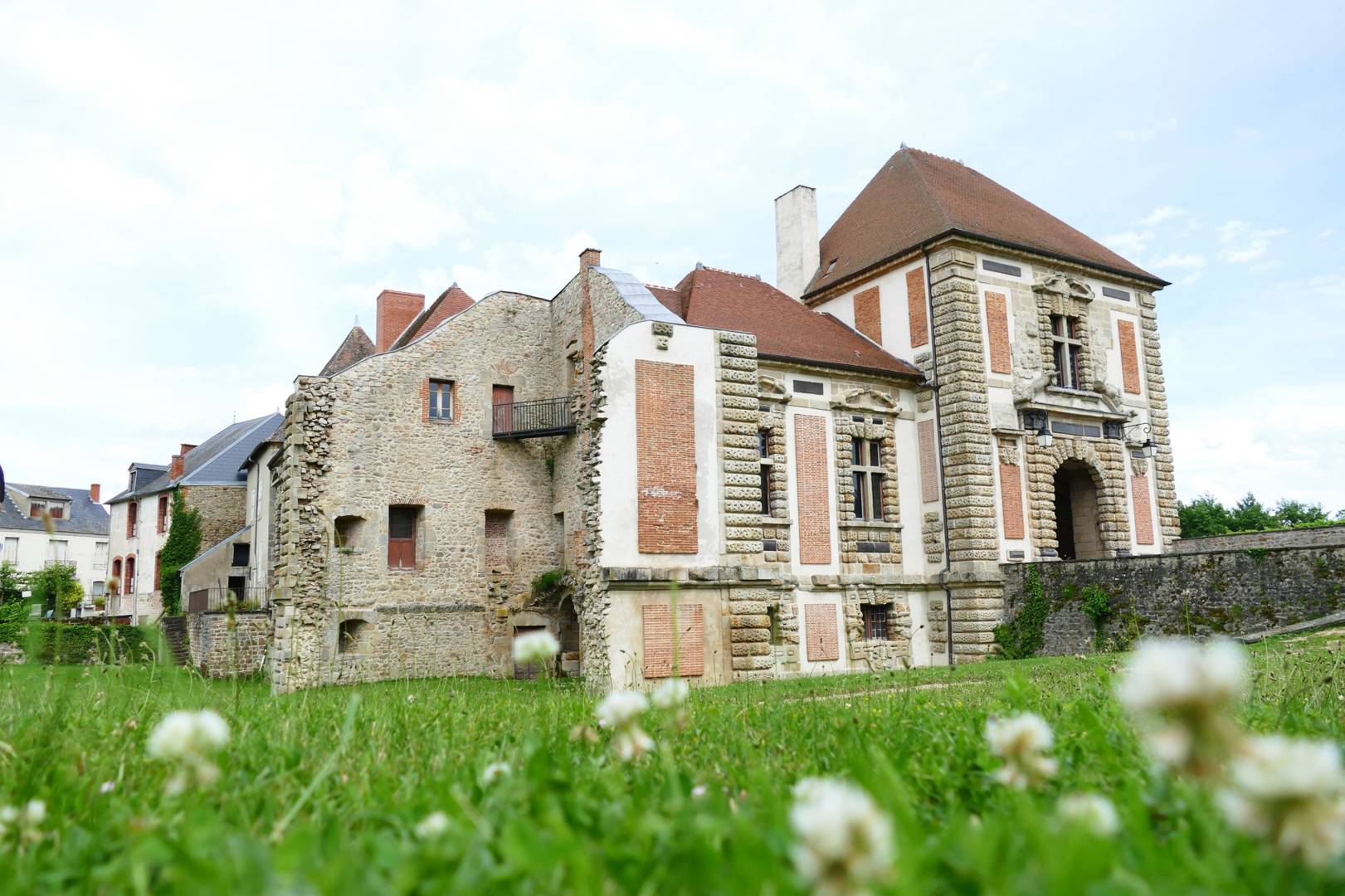
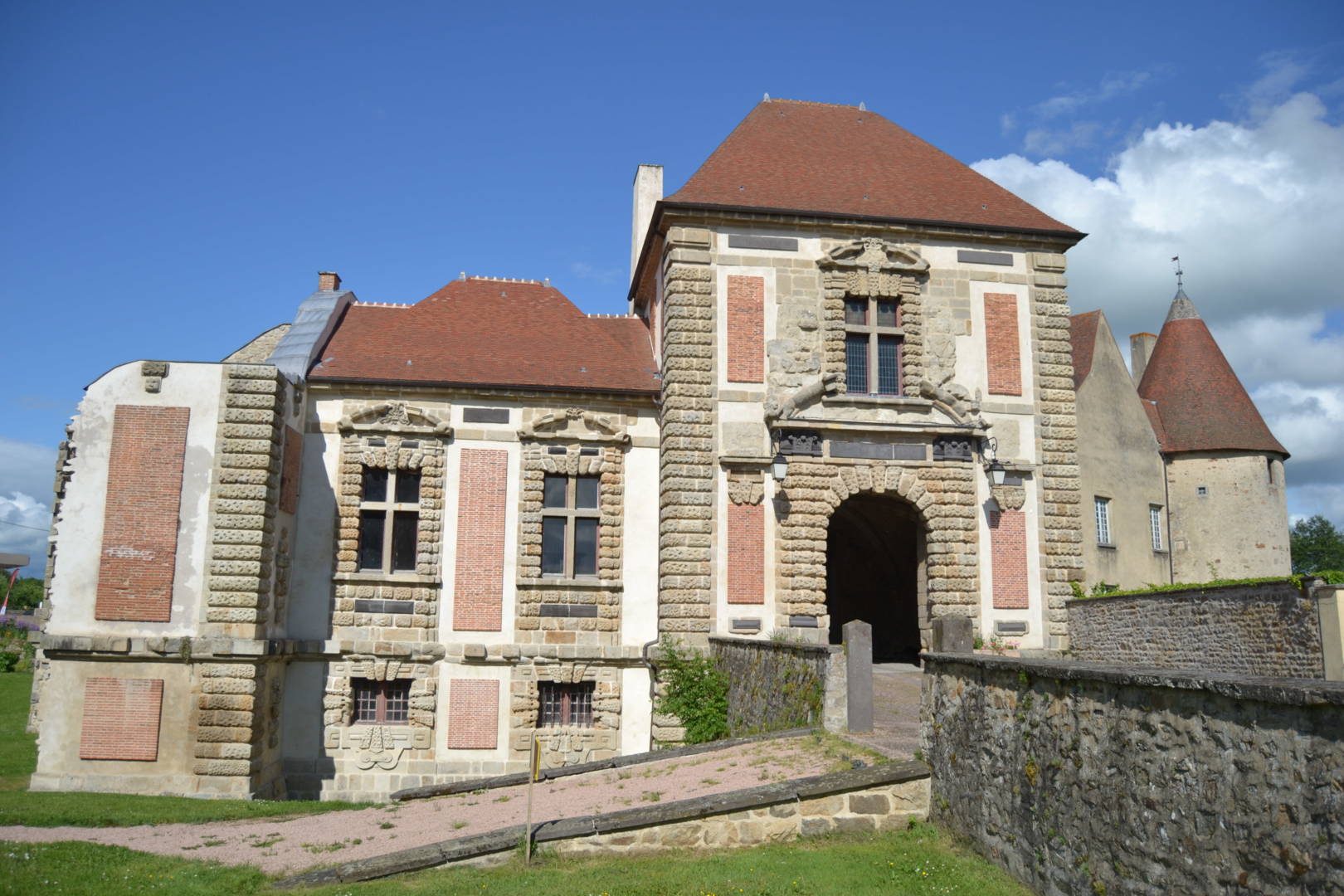
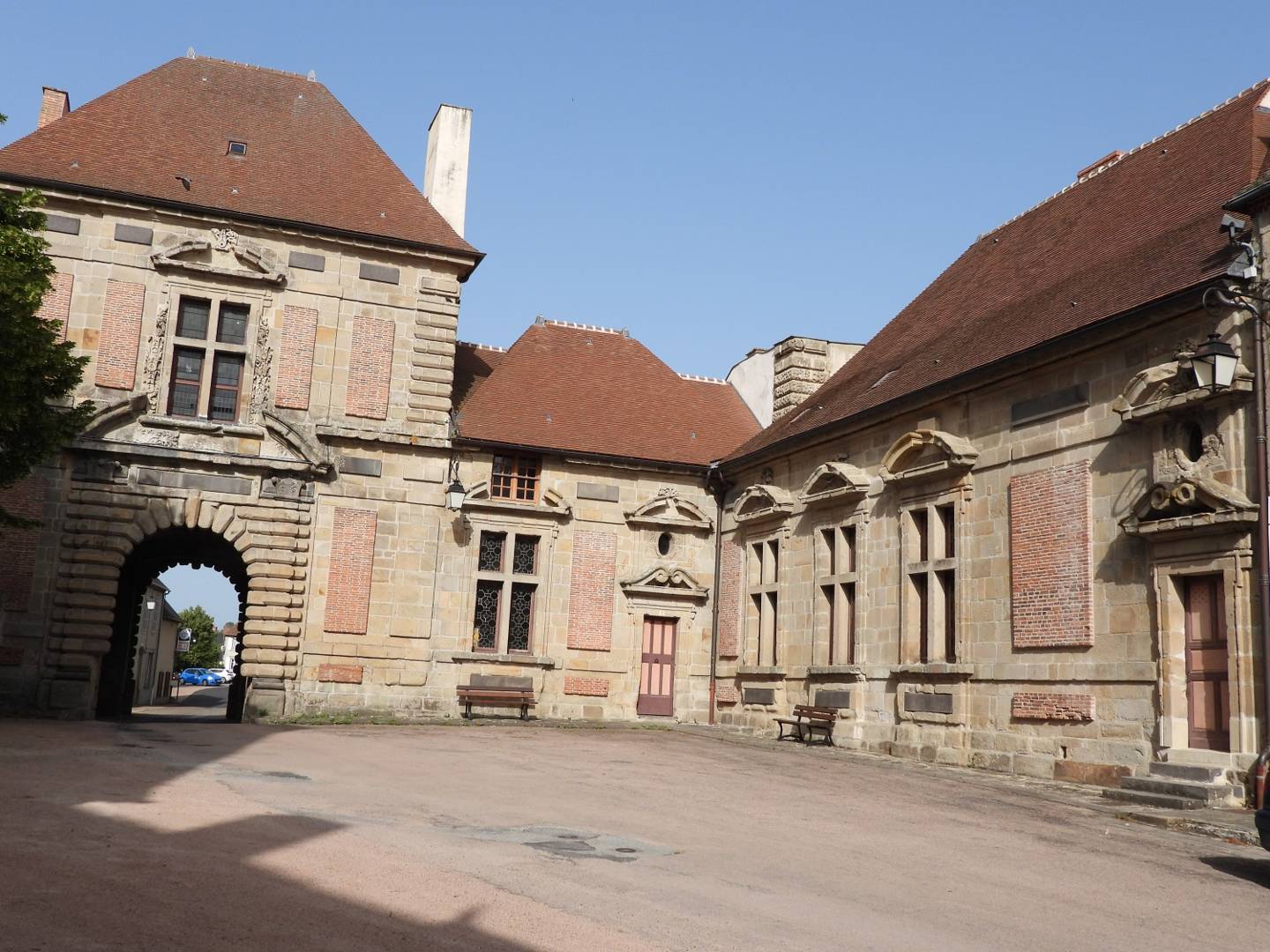
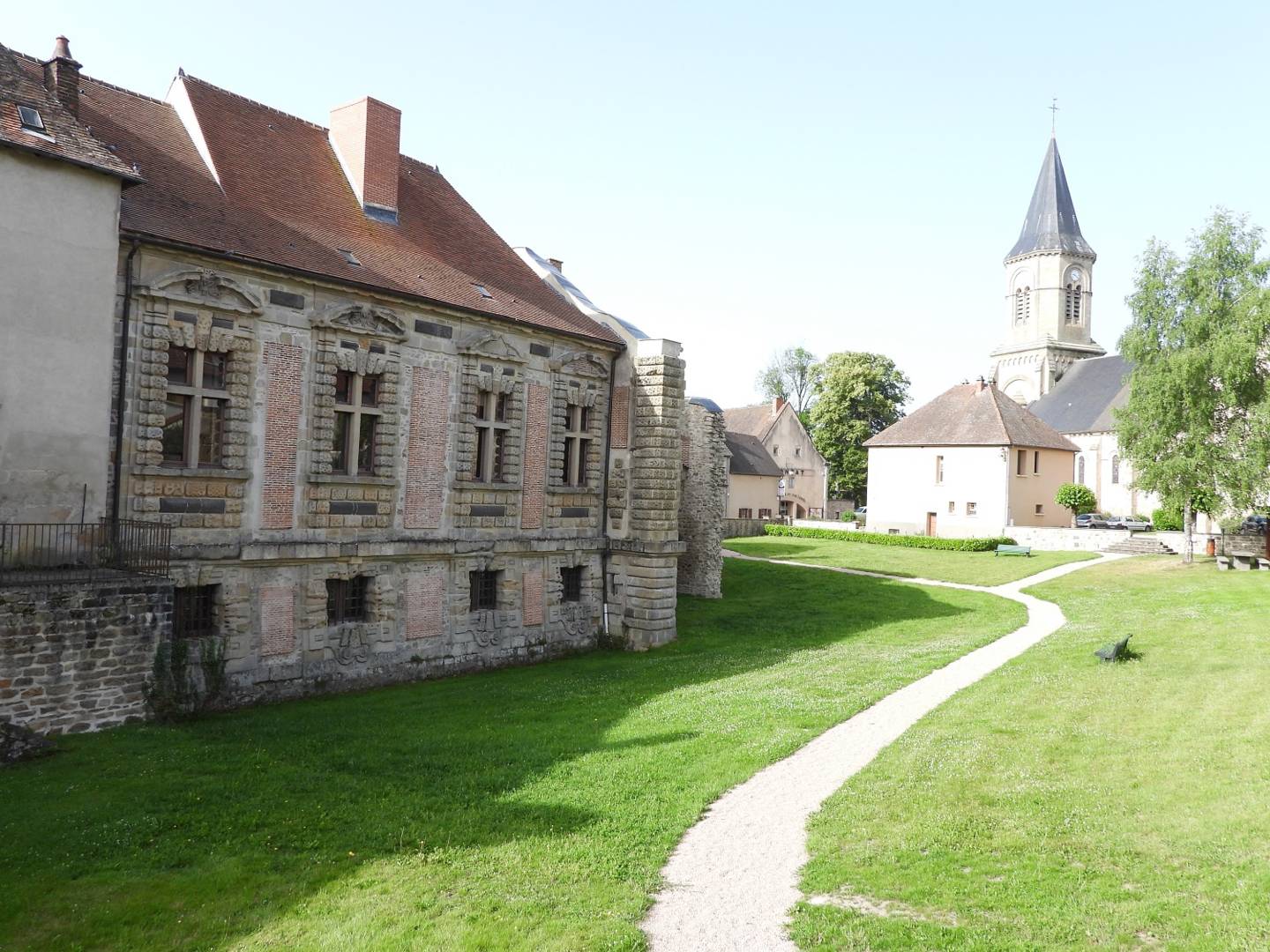
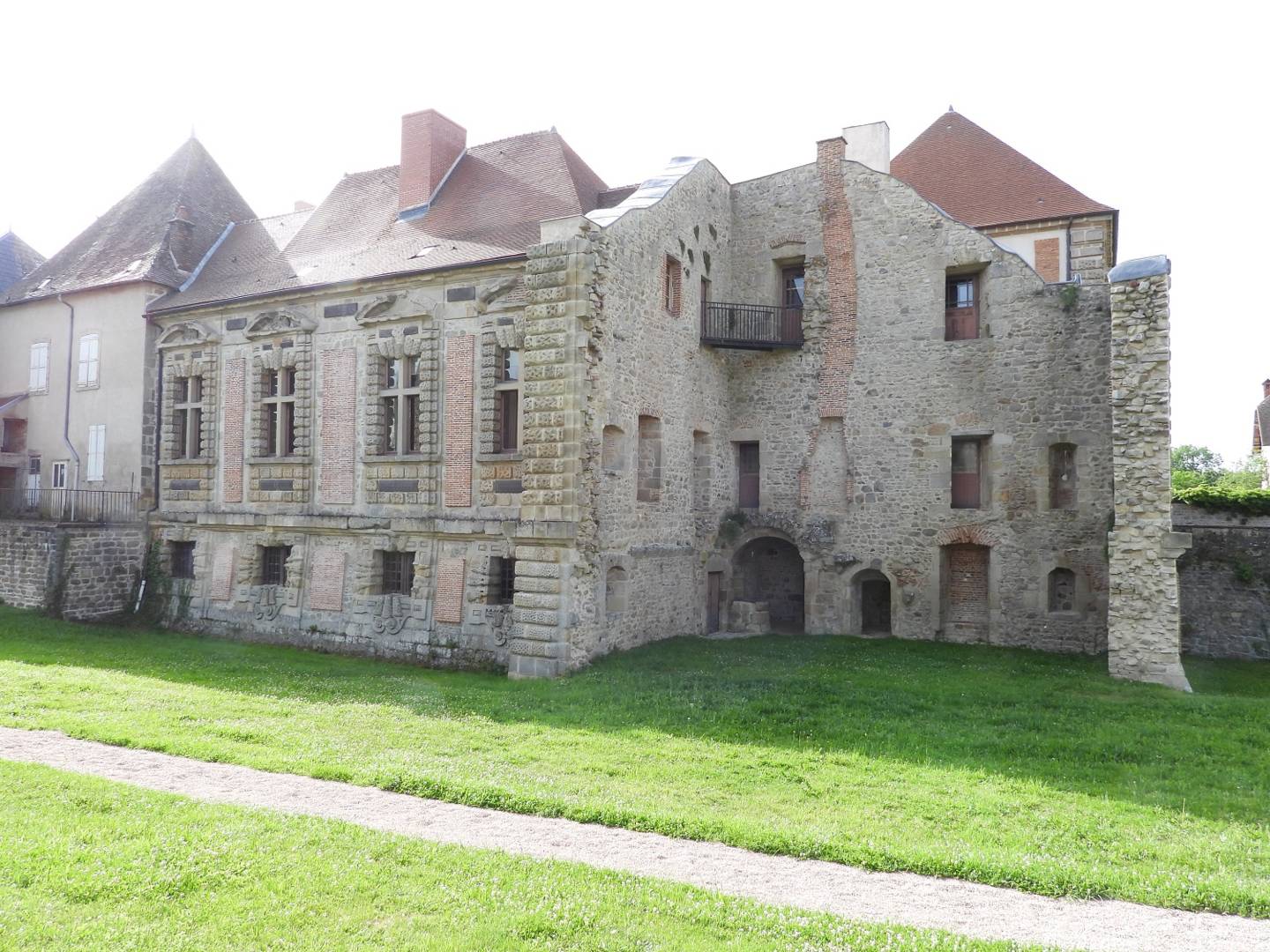
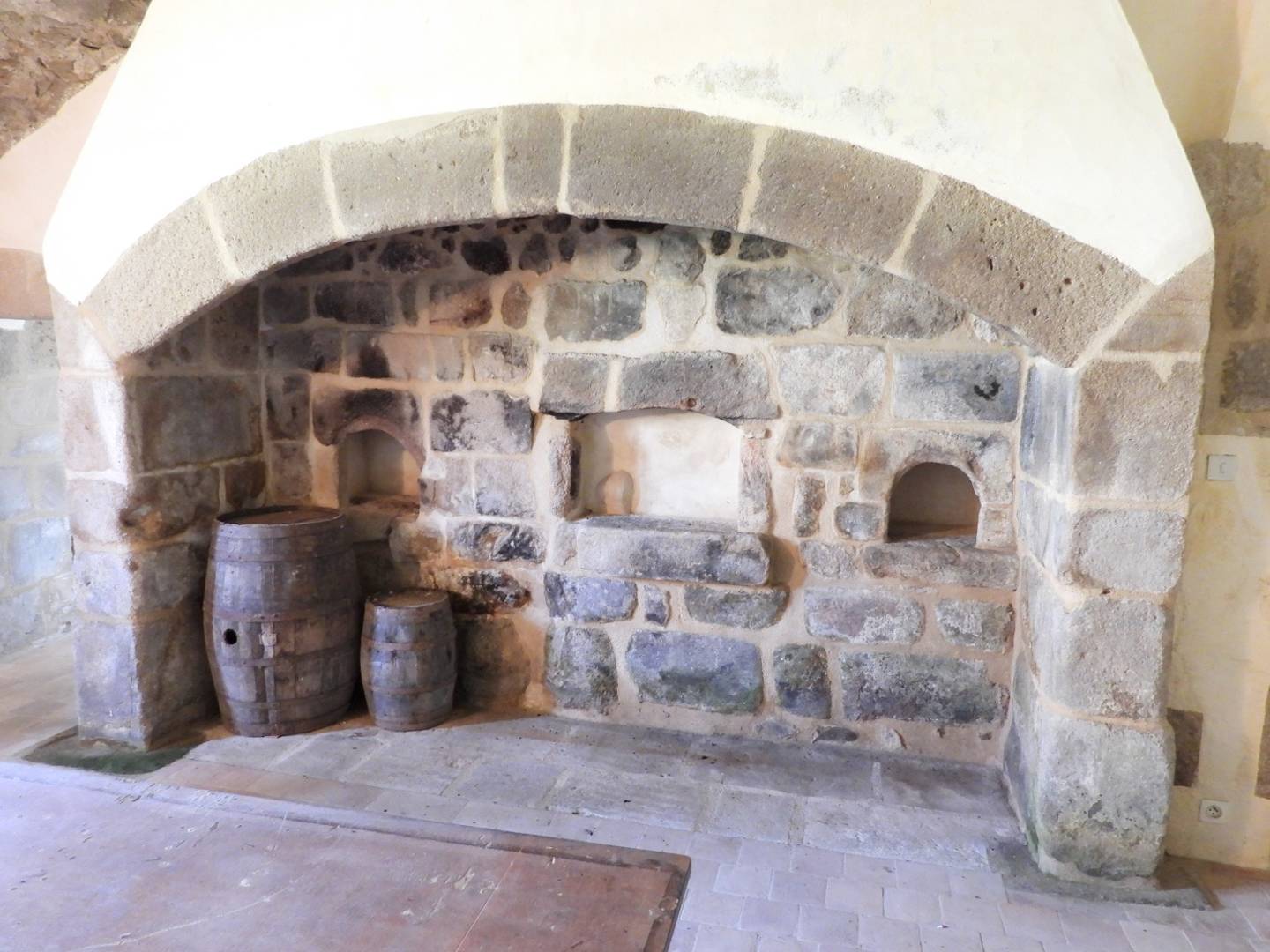
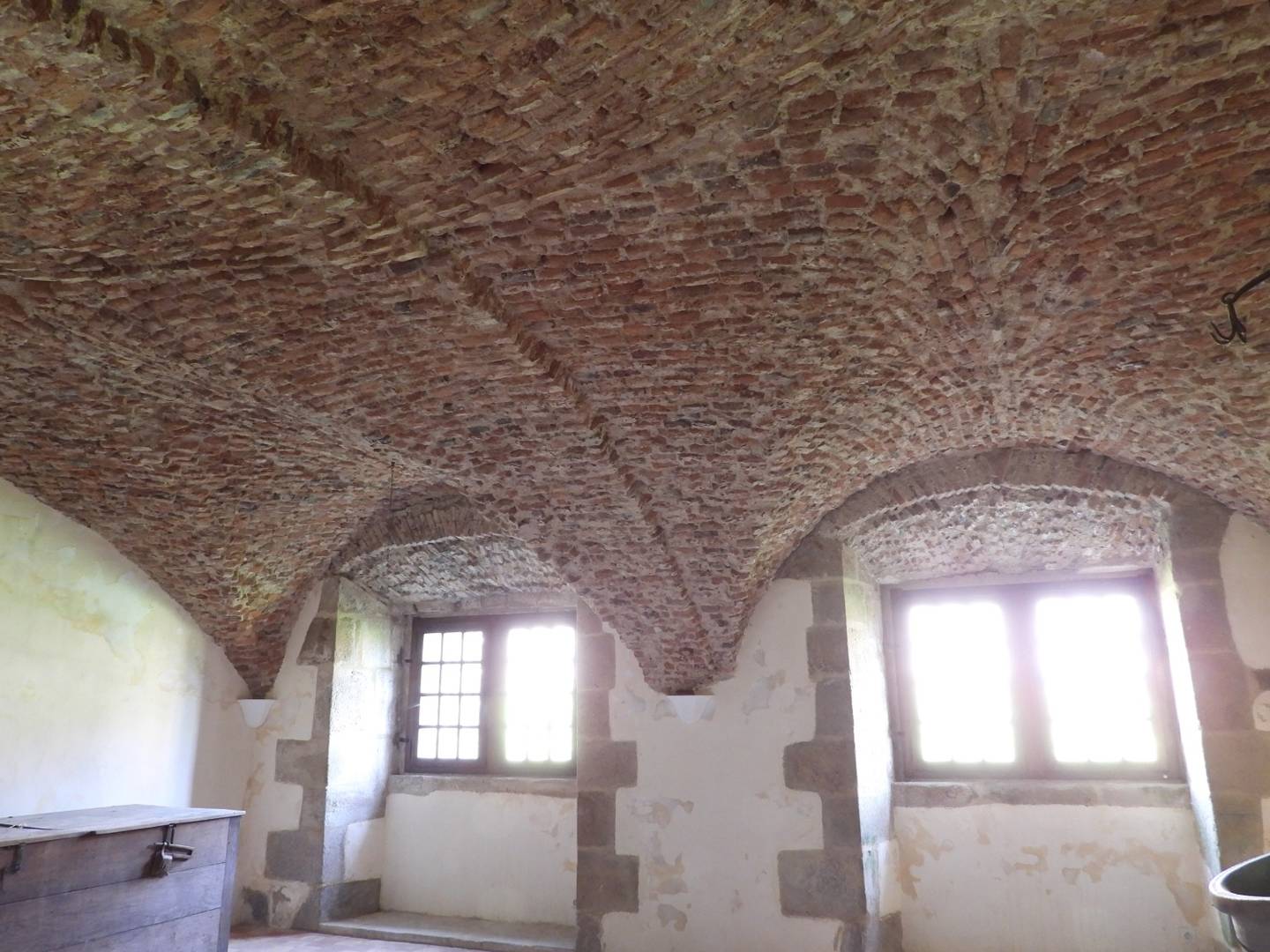
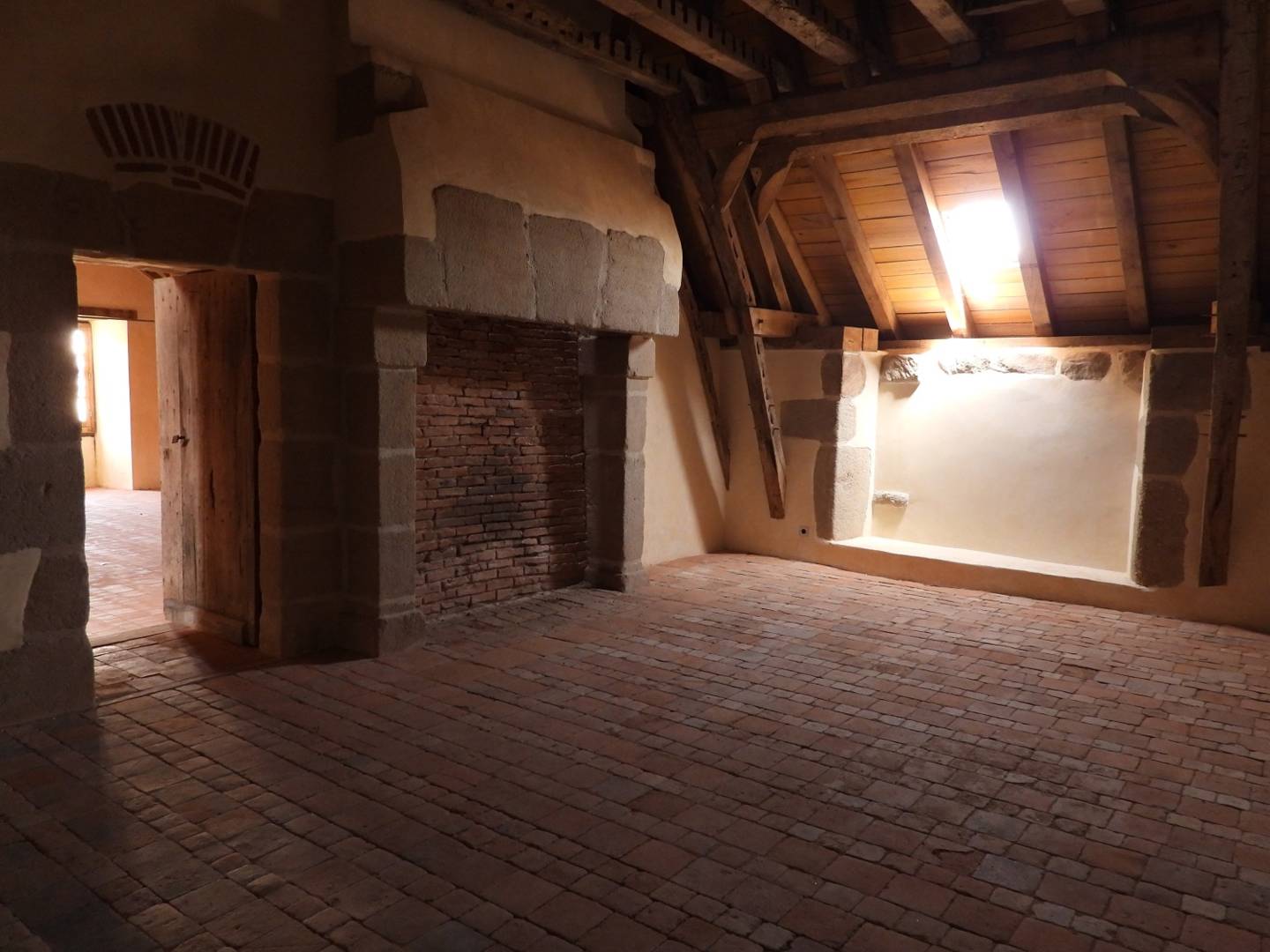
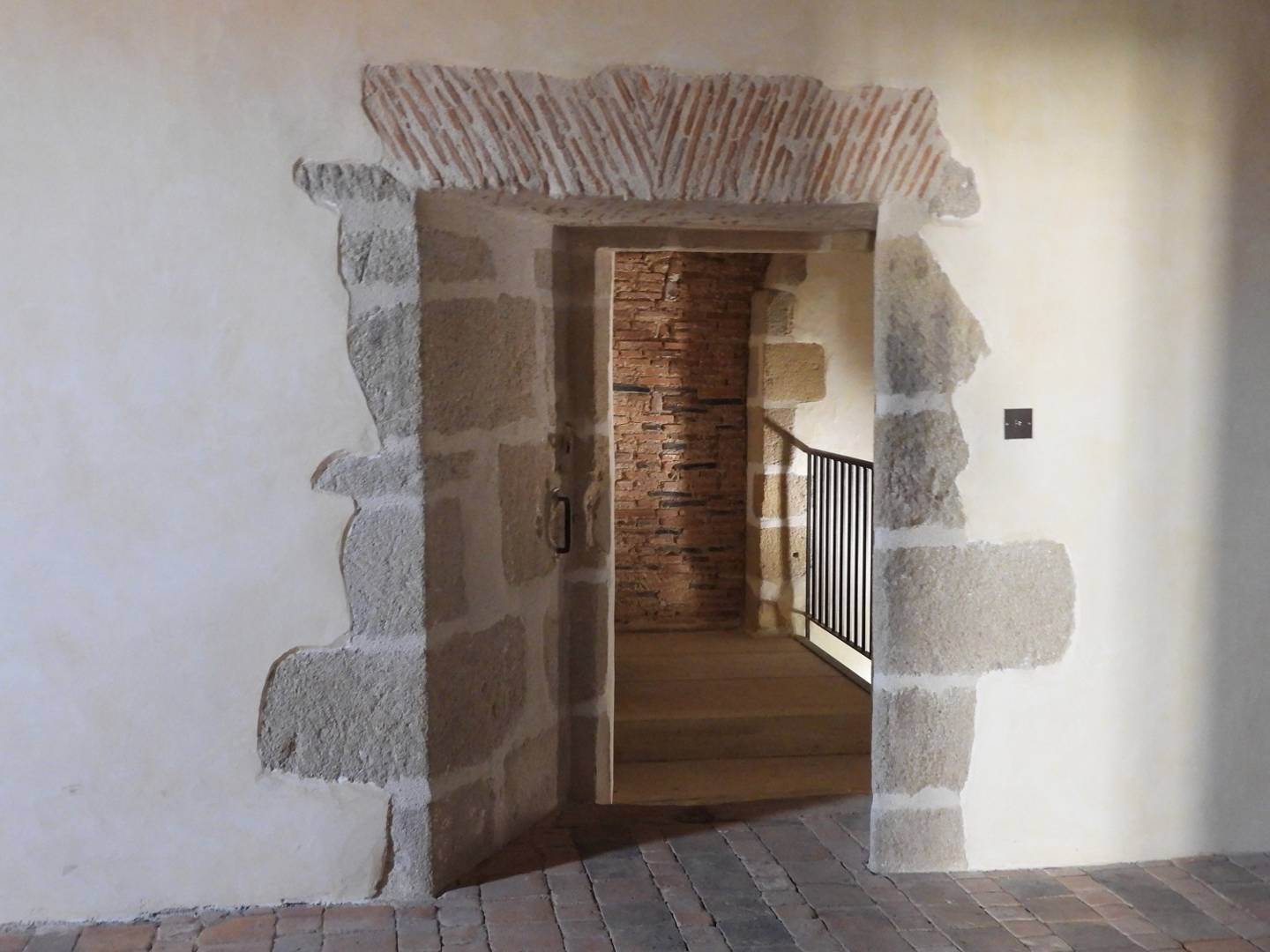
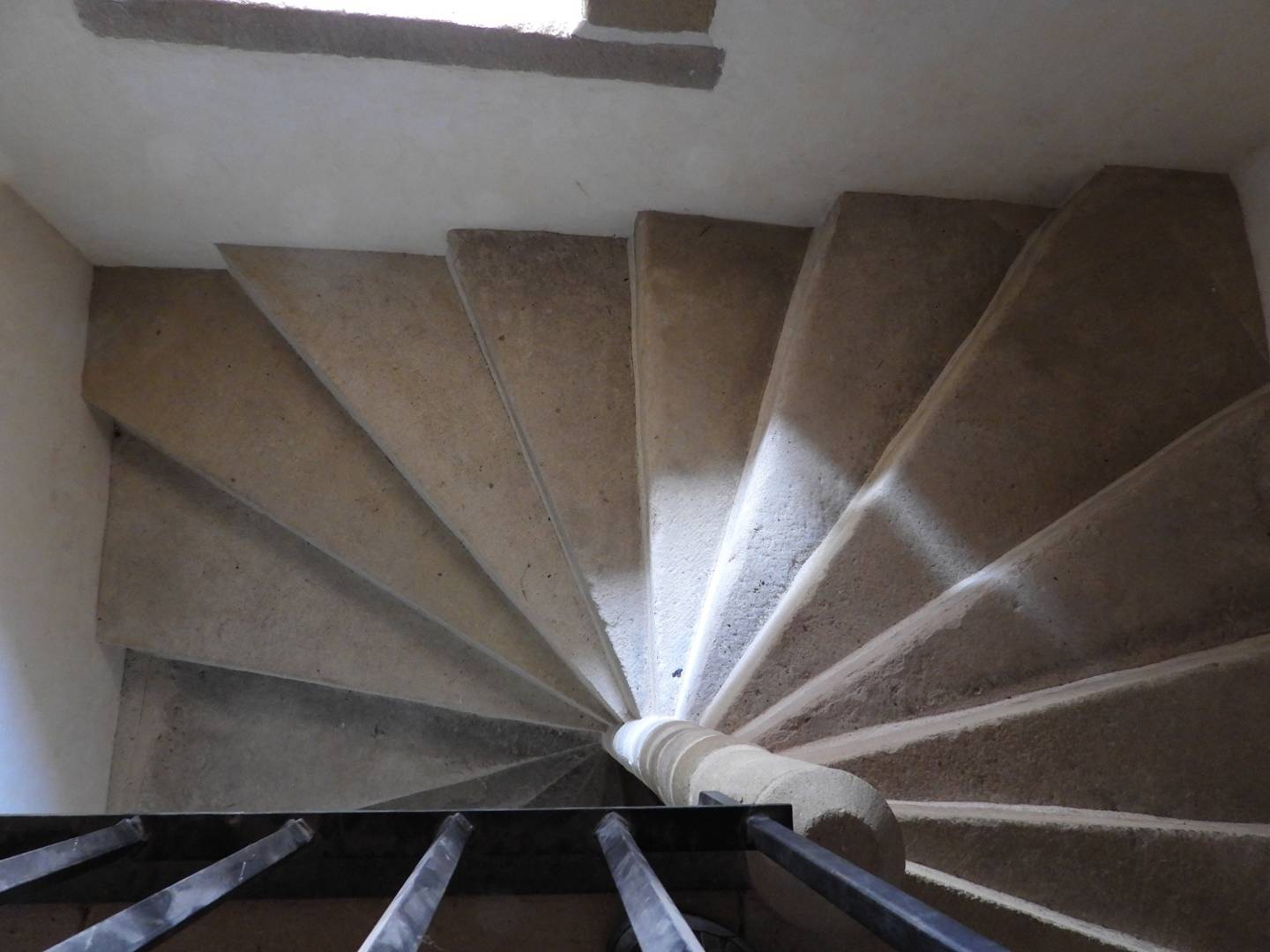
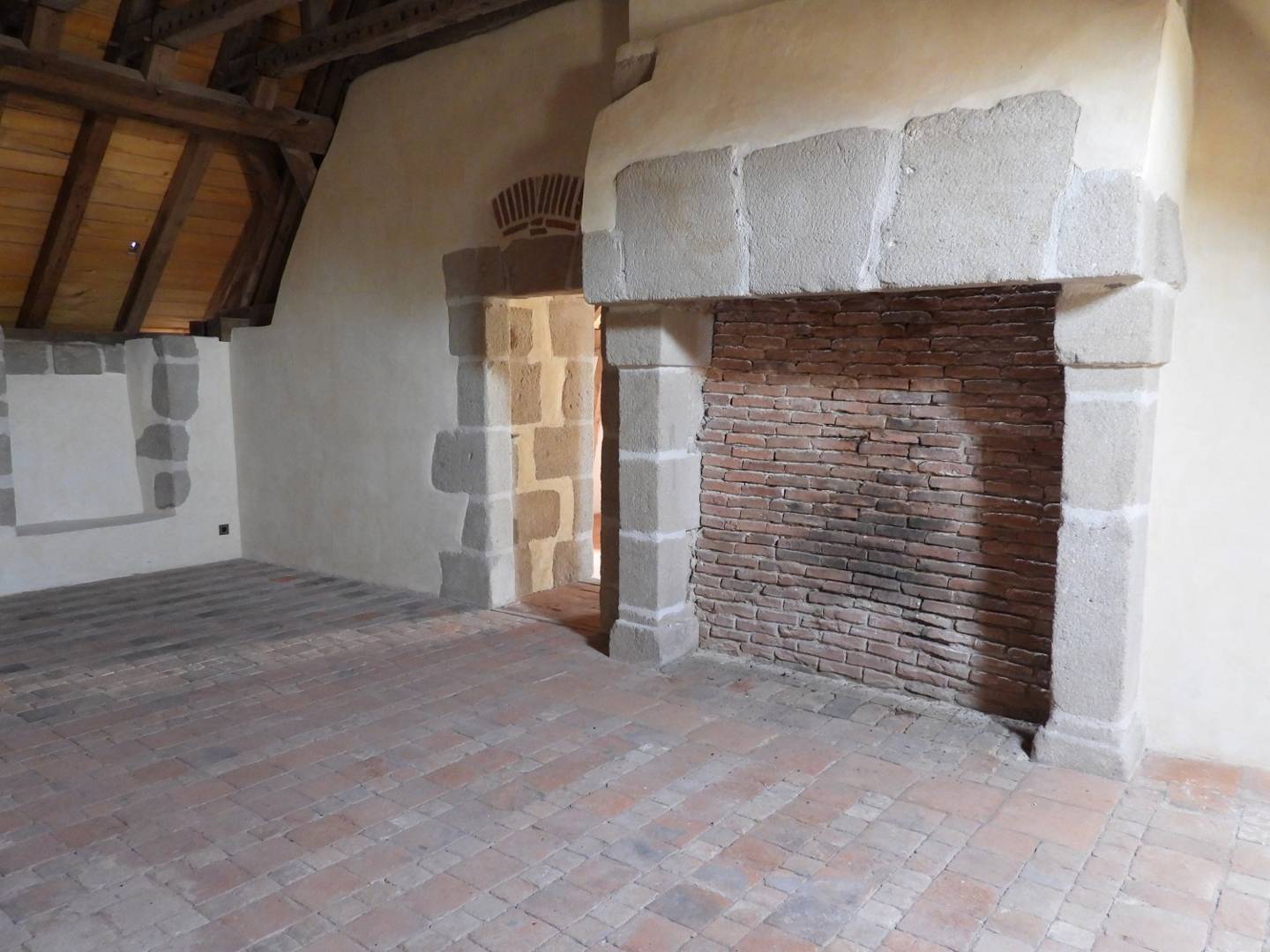

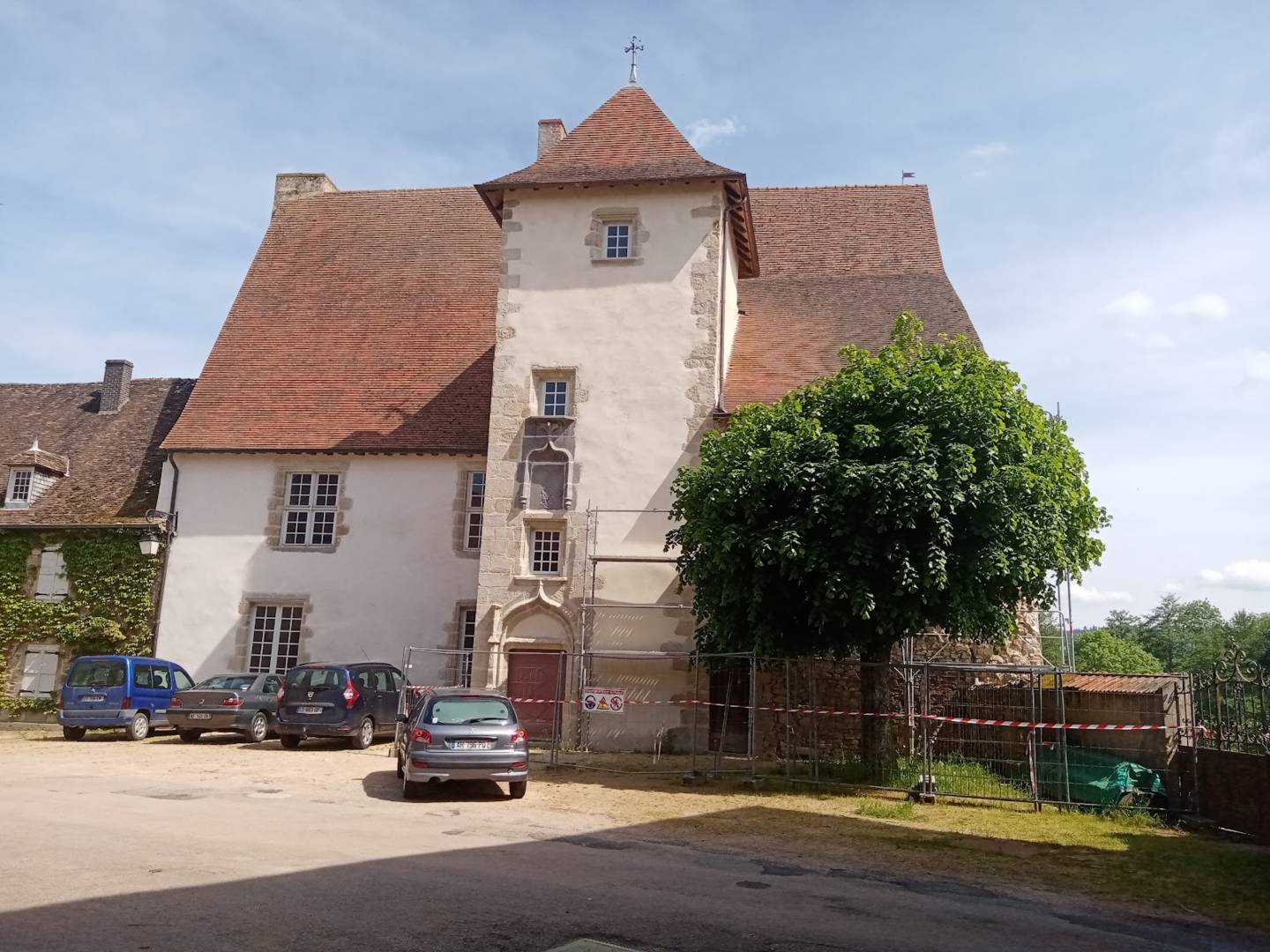
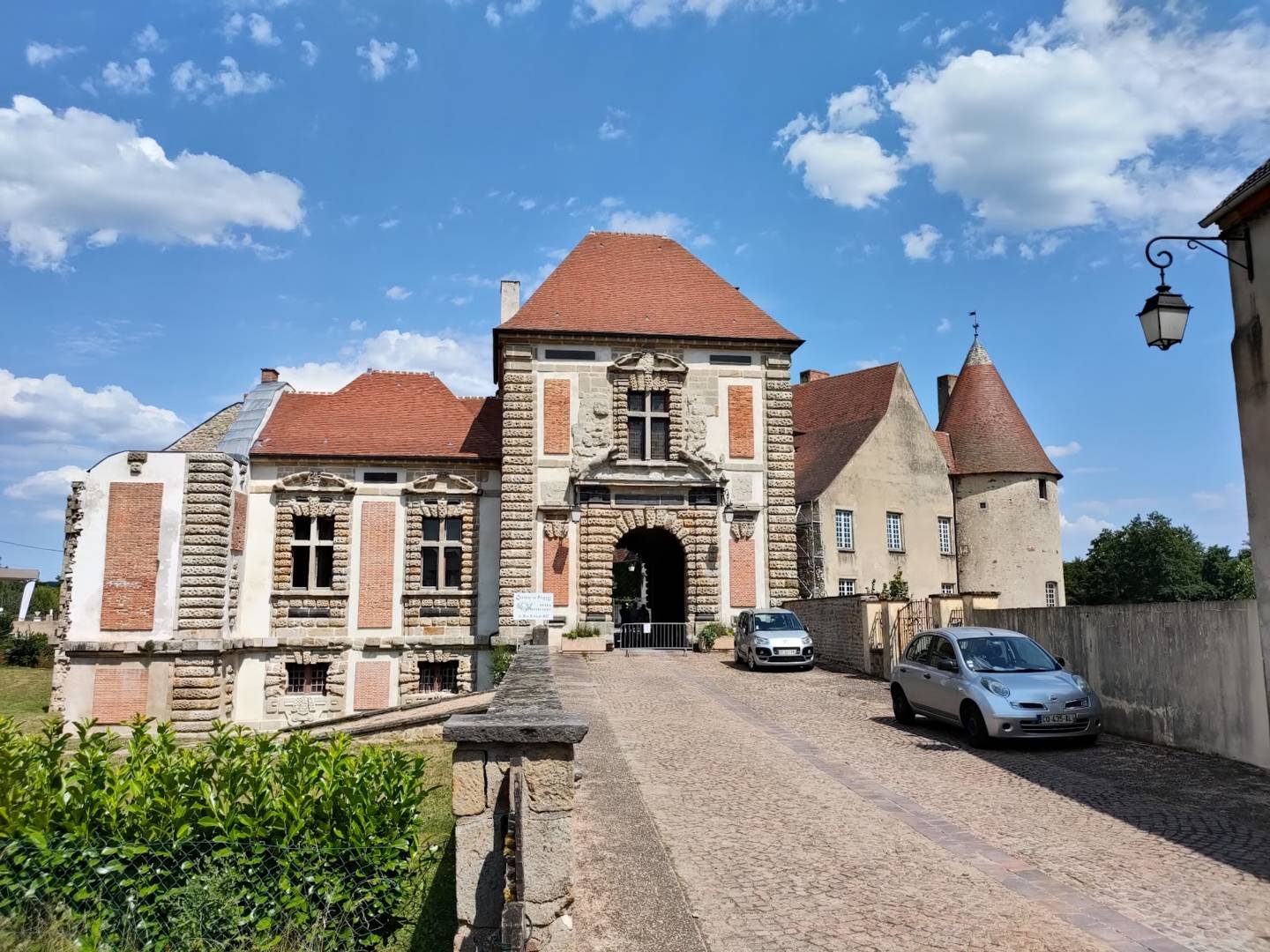
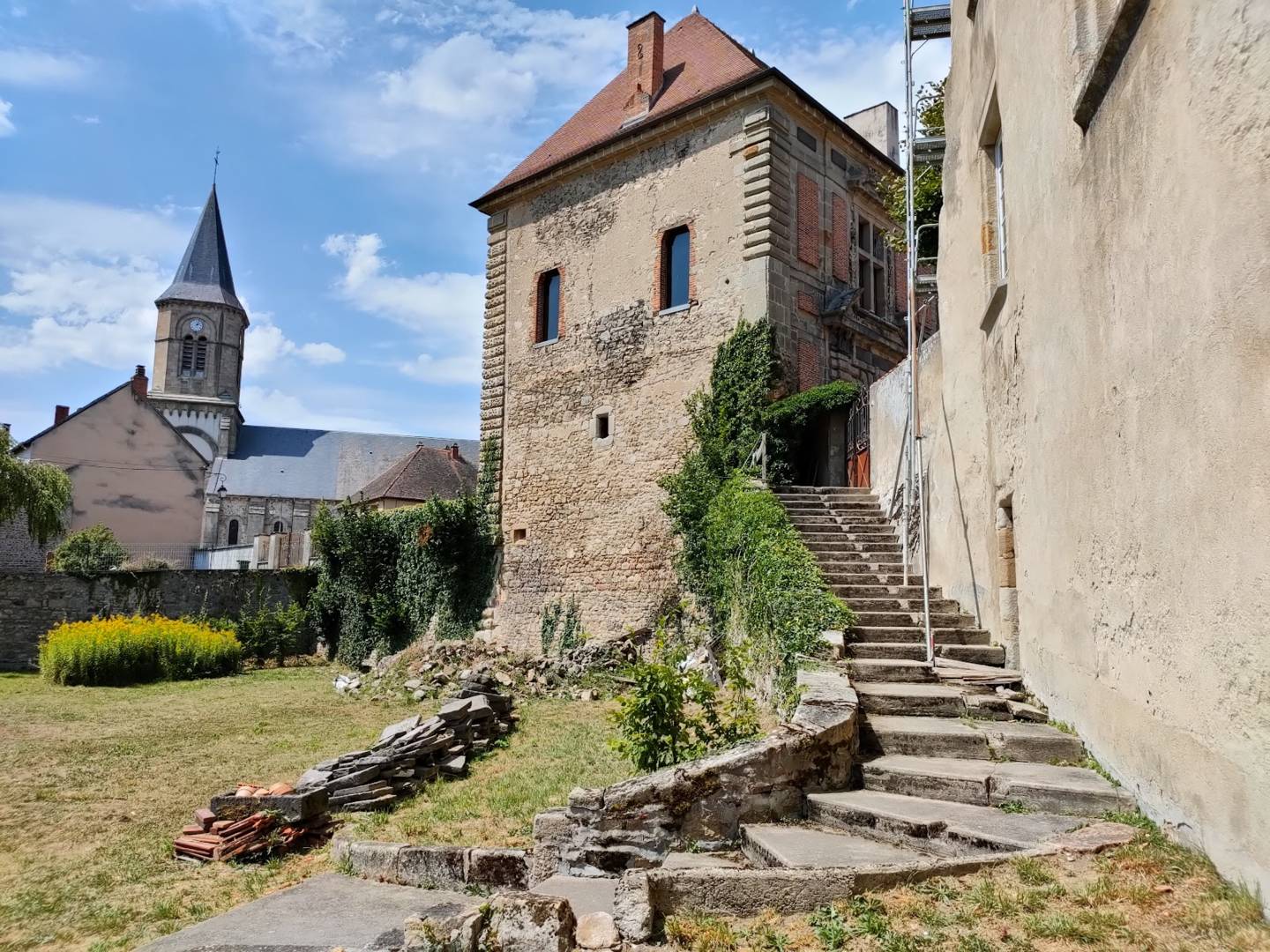
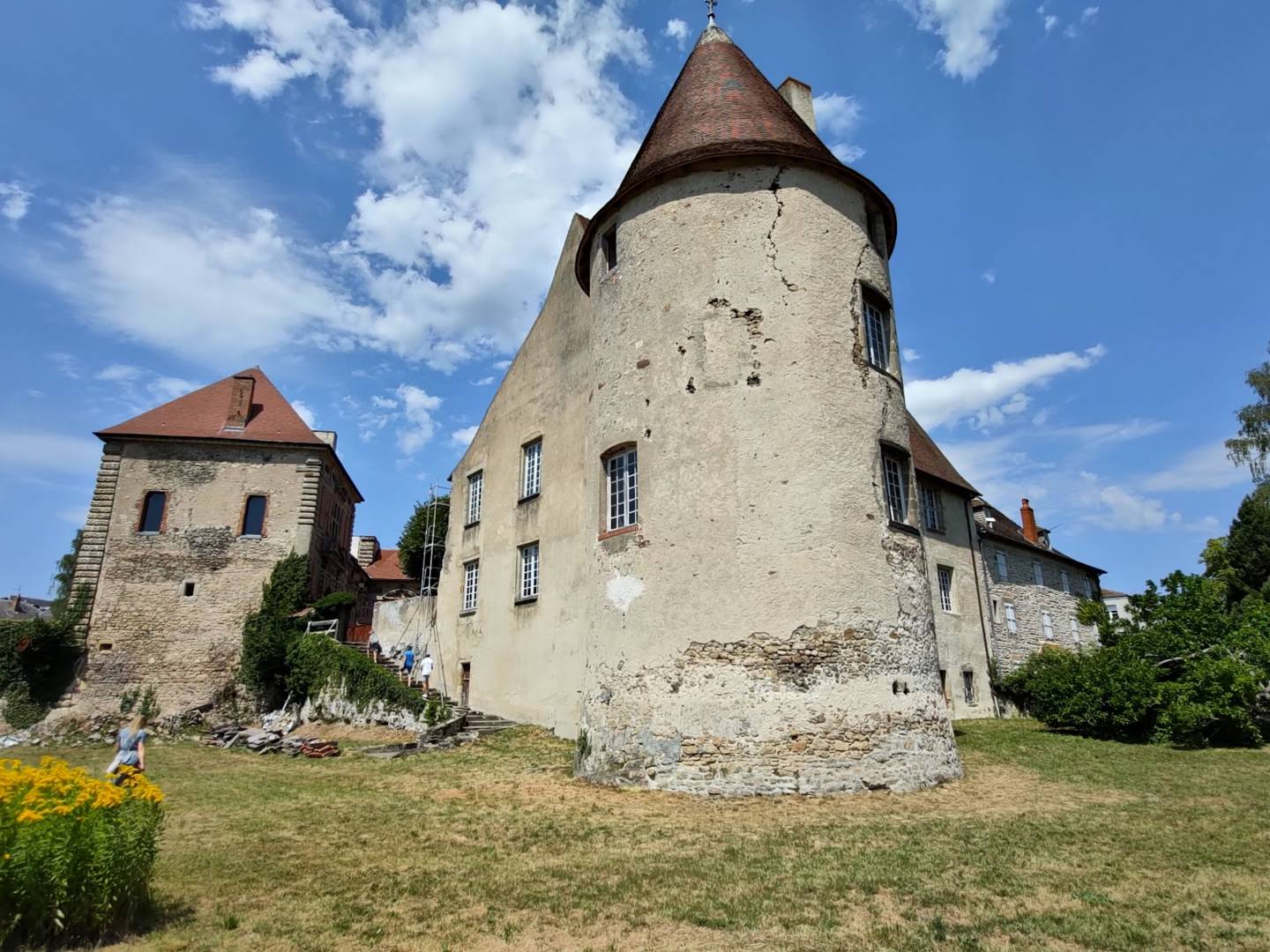
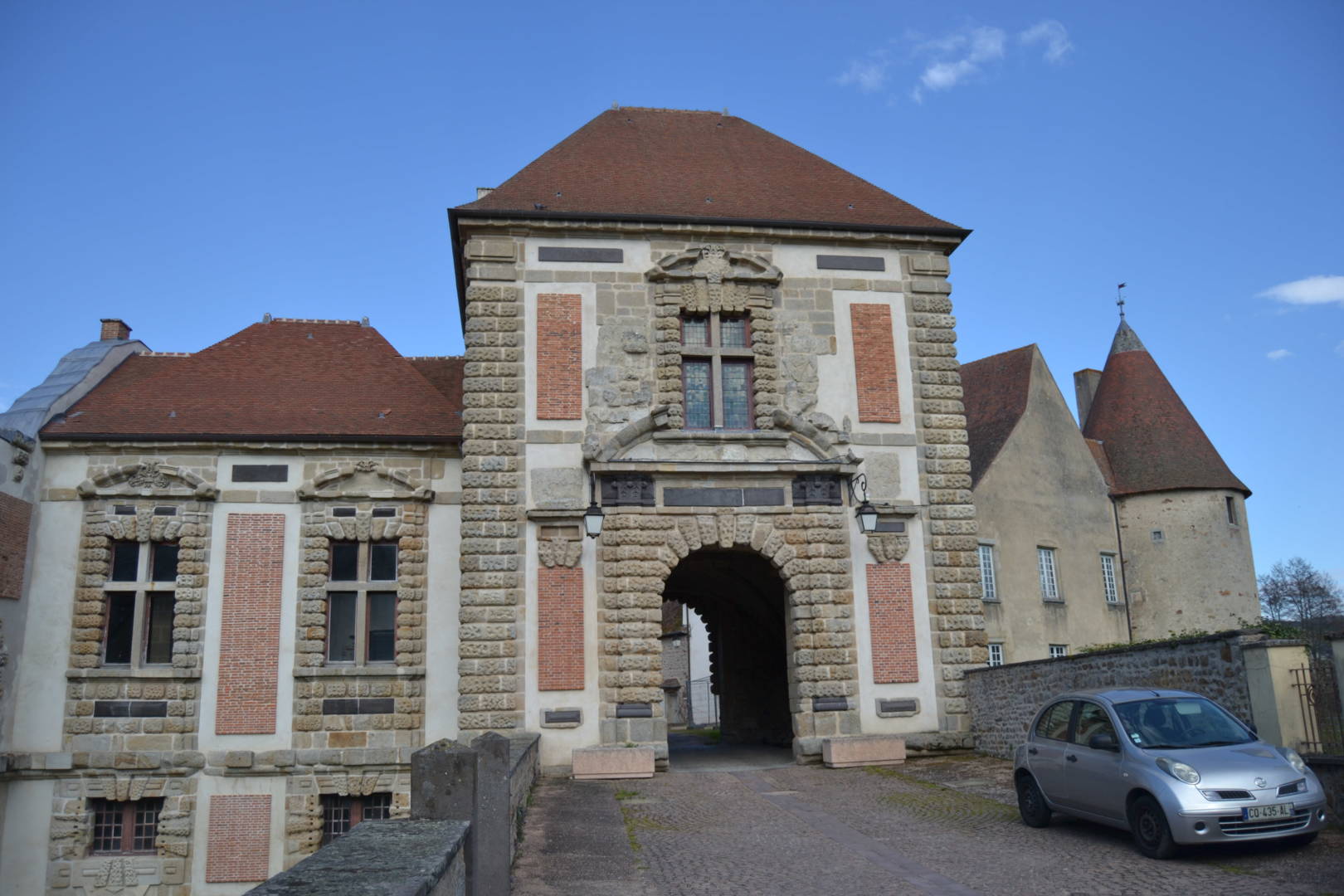
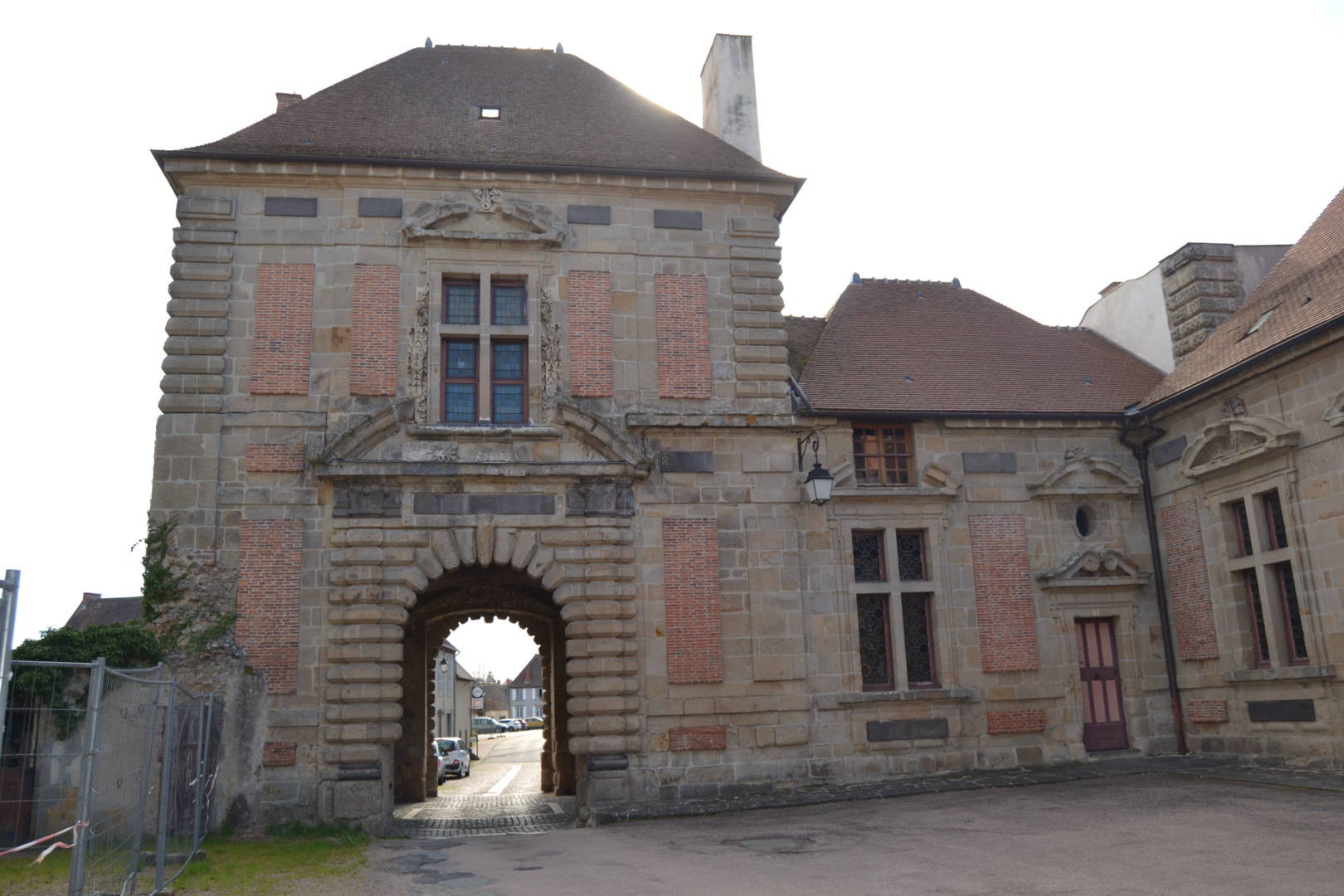
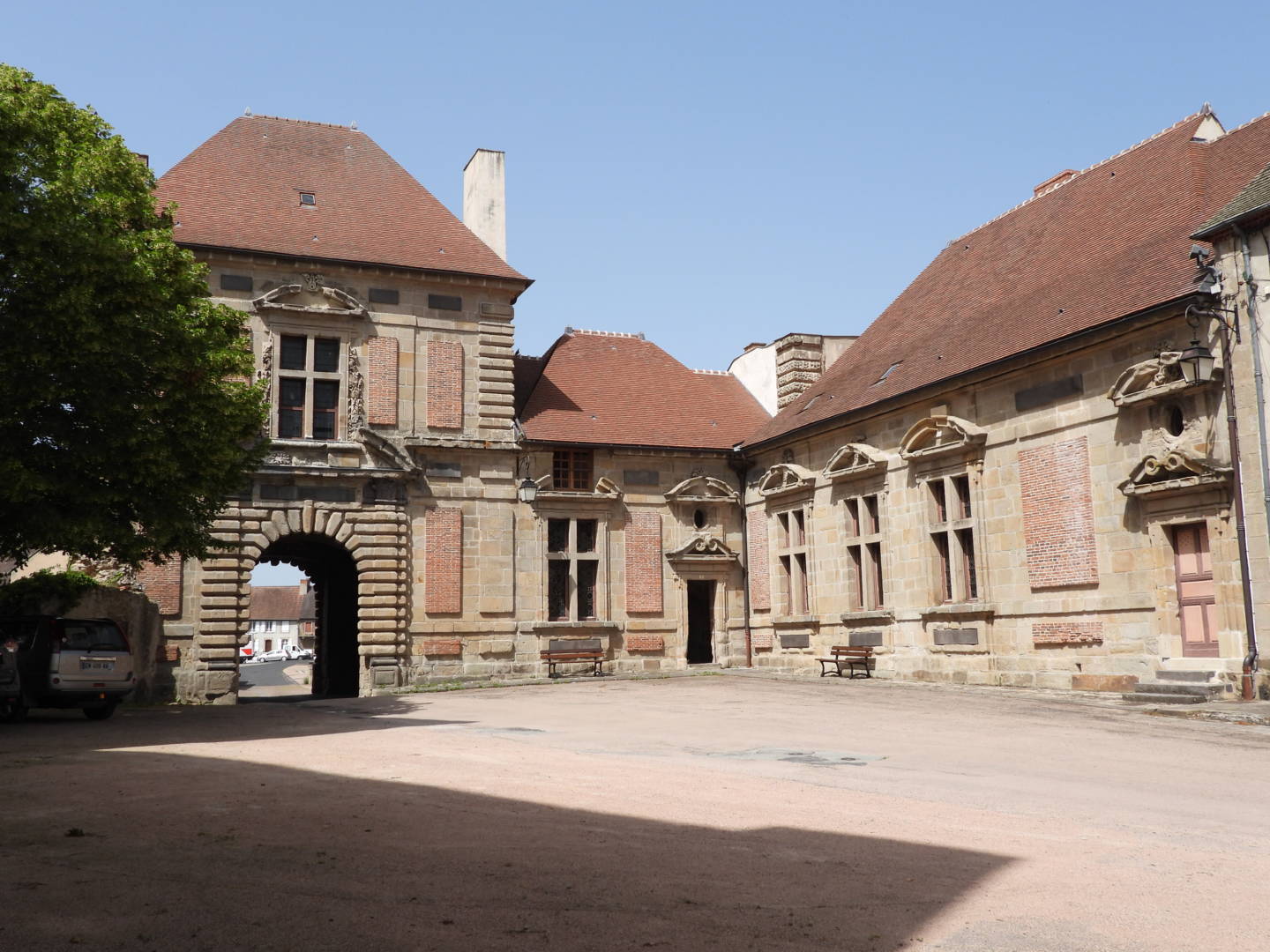
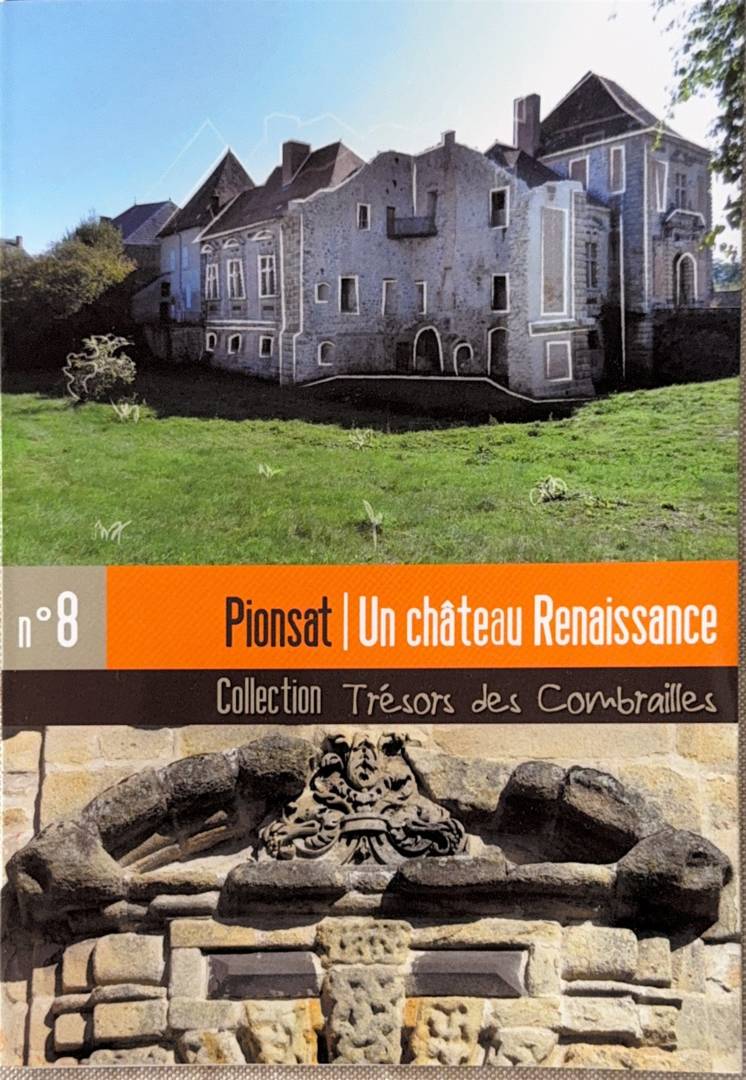
The Château de Pionsat is unique in the Auvergne because it combines two different architectural styles : medieval and Renaissance.
Each main building has been listed as a Monument Historique (Renaissance wing since 1920) and as a Monuments Historiques (medieval wing since 1962).
Château de Pionsat is unique in the Auvergne region for its combination of two different architectural styles : medieval and Renaissance.
A treasure trove of early Arvern(…)
Spoken languages
Opening hours
Closed temporarily.
Prices and payment methods
- Free entry for children under 10, accompanying guides, the drivers.
- Group rate available for 20 people or more.
Payment methods :
- Check
- Cash
Comfort, facilities and services
- Car park
- Children’s entertainment
- Coach access
- Coach parking
- Concert
- Educational visits
- Exhibition space
- Guided group tours obligatory
- Guided group tours on request
- Guided individual tours on request
- Guided tours
- Parking nearby
- Permanent entertainments organiser
- Picnic area
- Public WC
- Shop
- Stroller-accessible
- Temporary exhibition
- Tourist information
Additional information
A heritage guide is available for €3 in our tourist information offices in Saint-Gervais-d’Auvergne, Châteauneuf-les-Bains, Pontgibaud and Les Ancizes-Comps, as well as on our online shop.
Capacité maximale :
Jusqu’à 60 personnes
Location
Environnements
In the country, Village centre
You might also like…
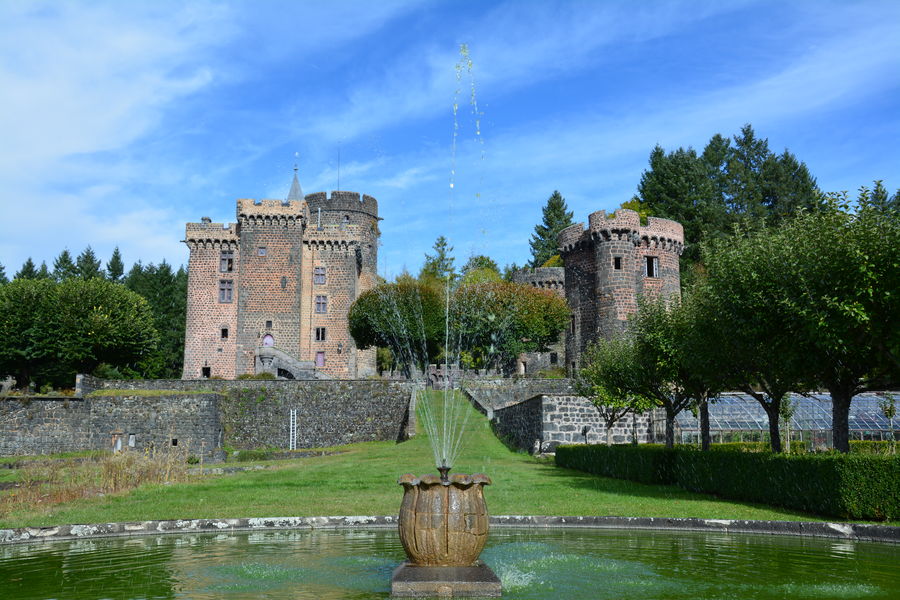
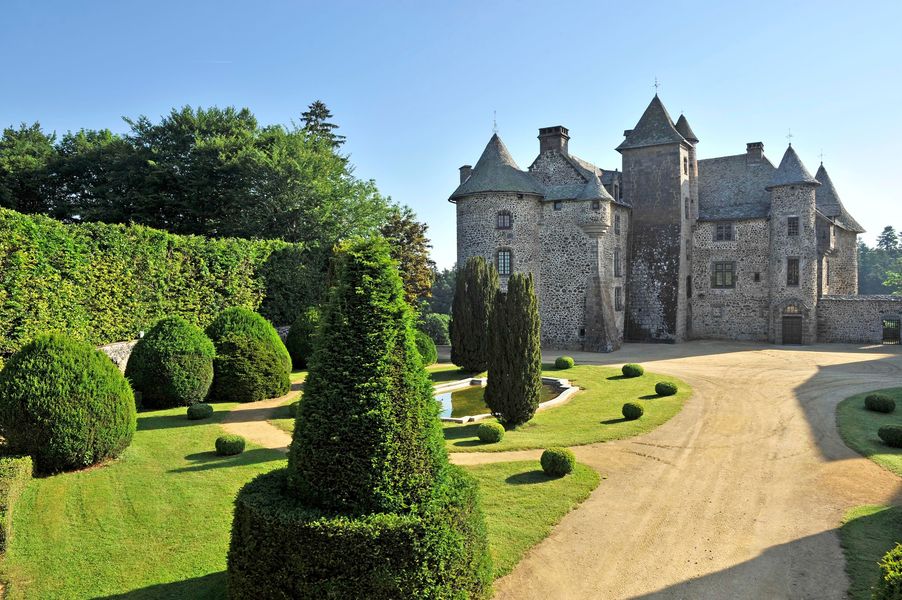
Photo credits : OT Combrailles, Mairie, Mairie, Mairie, Mairie, Mairie, Mairie, Mairie, Mairie, Mairie, Mairie, Route des Châteaux, Mairie, Mairie, Mairie, Mairie, Mairie, Mairie, Mairie, OT des Combrailles
 Updated on 16 October 2026 by Office de Tourisme des Combrailles