
Dolmen du Palet de Roland (or de Saillant)
Saint-Nectaire
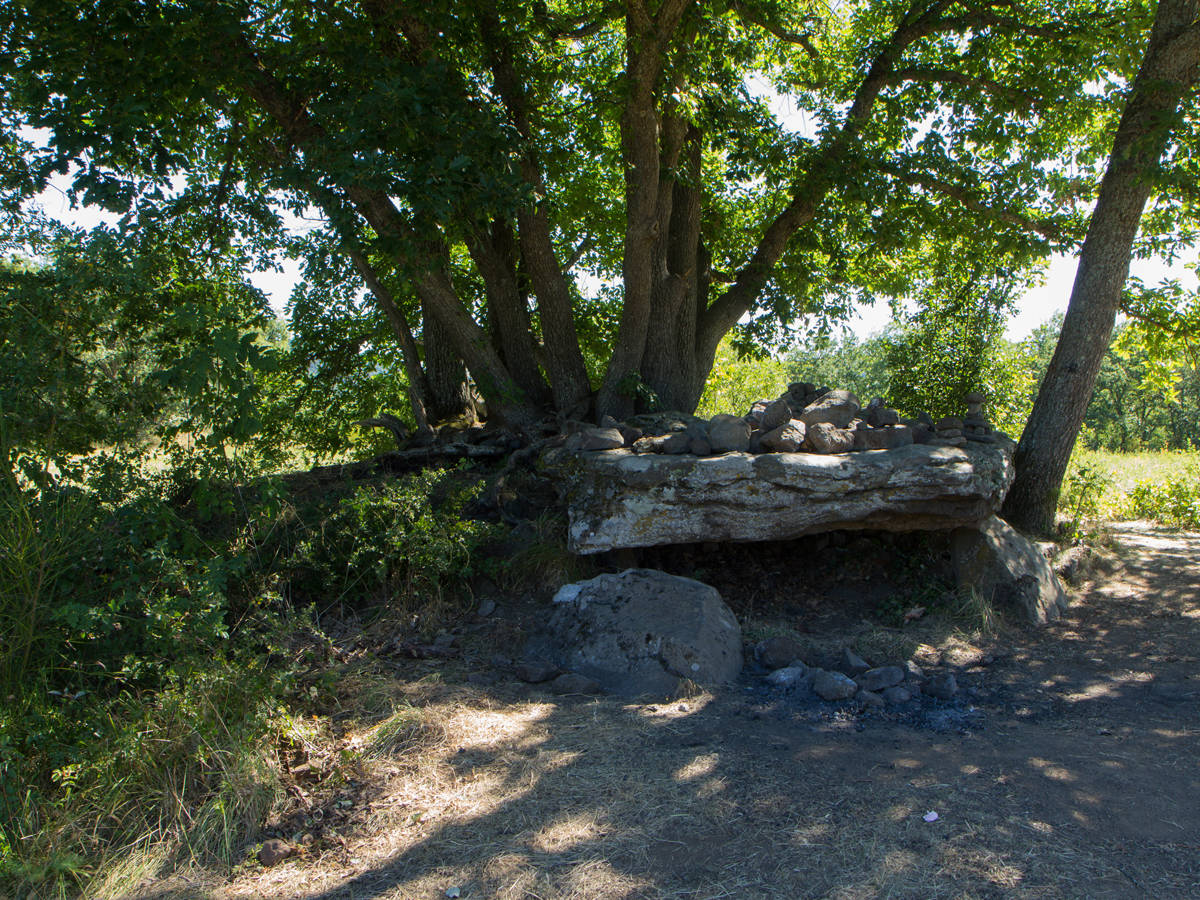
Its origin comes from an old country legend whose hero is called Roland. This young man with supernatural powers would have, while playing, put this enormous puck in the ground.
Dr. François Pommerol excavated the monument at the end of the 19th century, discovering human bones, pottery and flint fragments (after what remained of a pillage that certainly dated back to the Middle Ages).
The remains of human skeletons testify to the dolmen’s sepulchral function, and prove that the(…)
Spoken languages
Opening hours
All year round daily.
Prices and payment methods
- Free access. Free access.
Comfort, facilities and services
- Car park
- Unguided group tours available permanently
- Unguided individual tours available permanently
Location
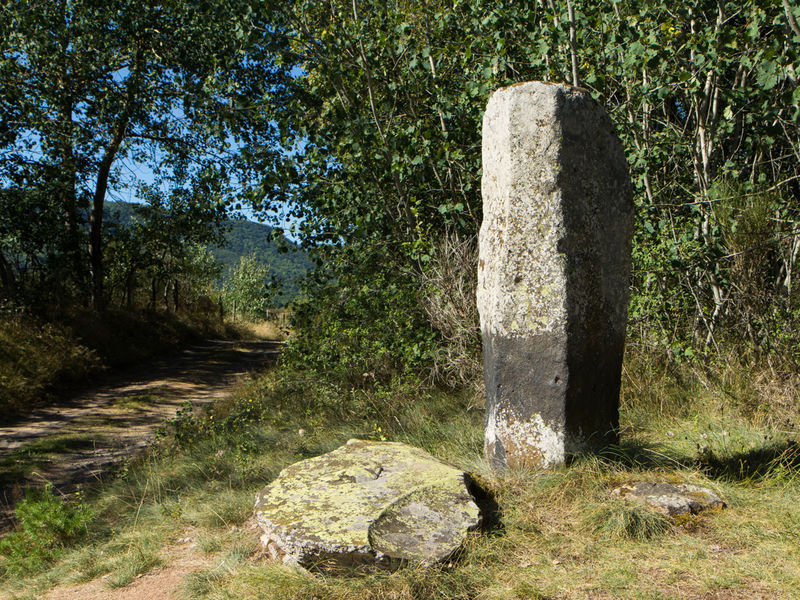
Photo credits : DR Office de tourisme du Sancy
 Updated on 19 May 2026 by Office de Tourisme du Massif du Sancy