The most likely explanation for this concentration is historical. In fact, the commune boasts a large number of pastoral soils, which would have enabled a high population density to be established as early as the Neolithic period. A particular feature of the megaliths is their positioning, always on the reverse(…)
The most likely explanation for this concentration is historical. In fact, the commune boasts a large number of pastoral soils, which would have enabled a high population density to be established as early as the Neolithic period. A particular feature of the megaliths is their positioning, always on the reverse side of plateaus and therefore visible from a long distance. This is due to the choice made by the builders of these monuments to commemorate the memory of their ancestors, or to display the prestige of their community for all to see.
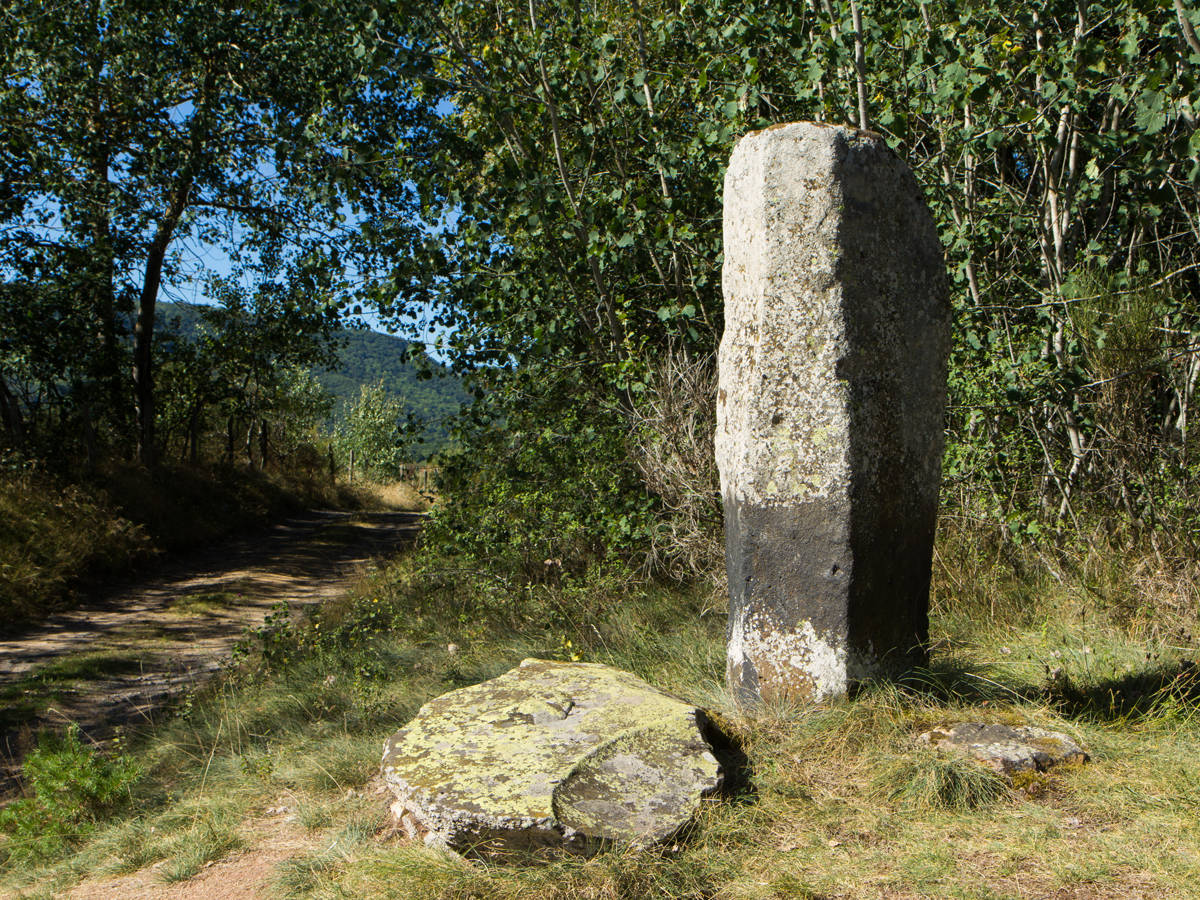
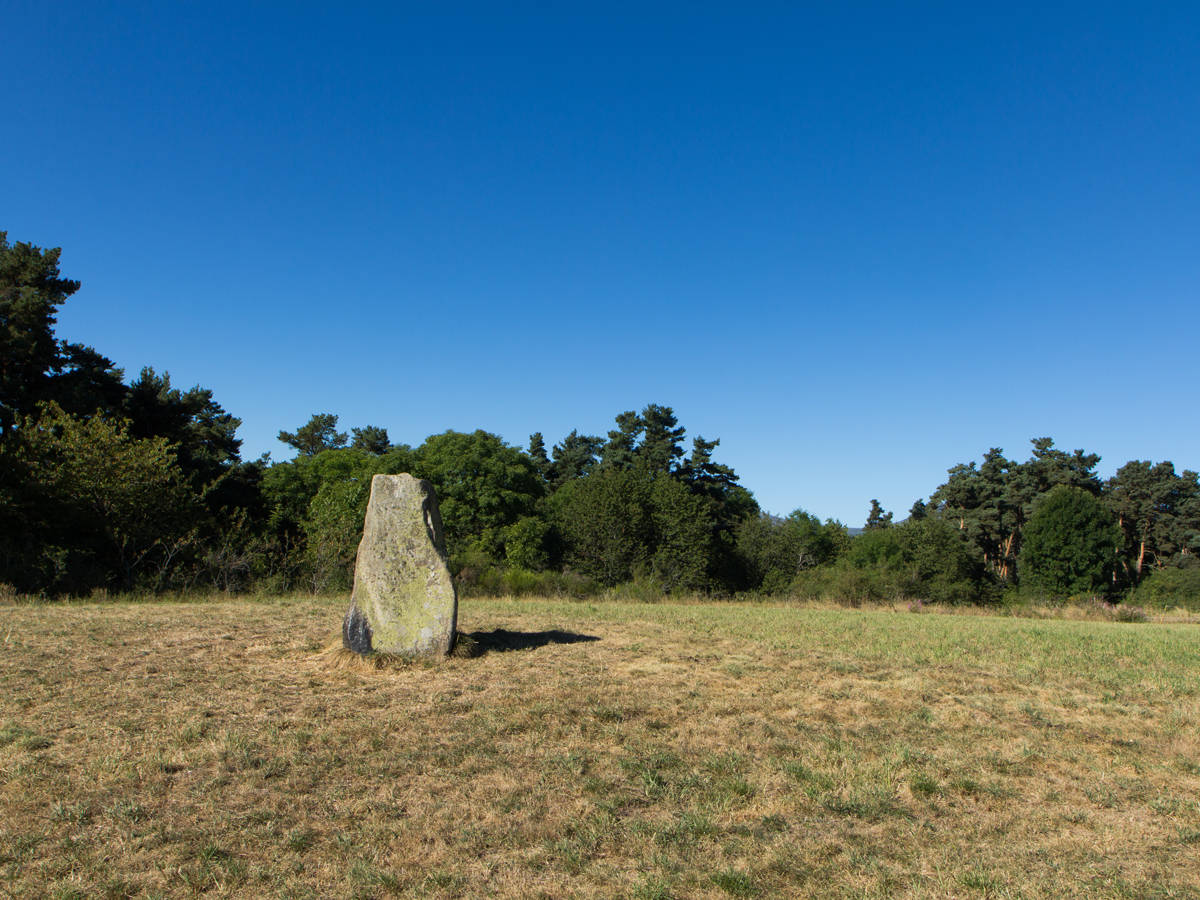
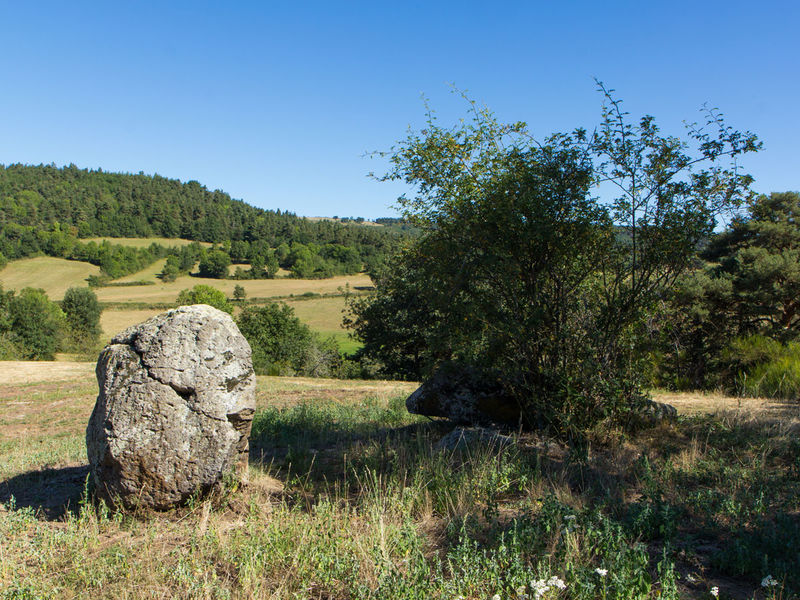
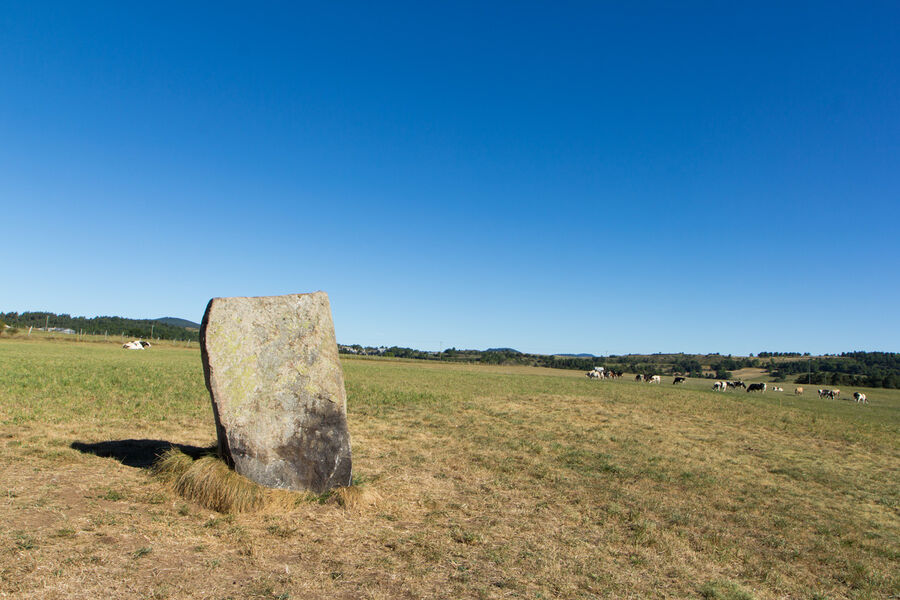
MENHIR DE FREYDEFOND : This is a prehistoric monolith. Set on a tabular basalt plateau, its presence marks the landscape and has been of great interest to local inhabitants throughout history. Dimensions : 1.50 metres high, topped by a small basalt block on which a cross was placed to Christianize the monument.
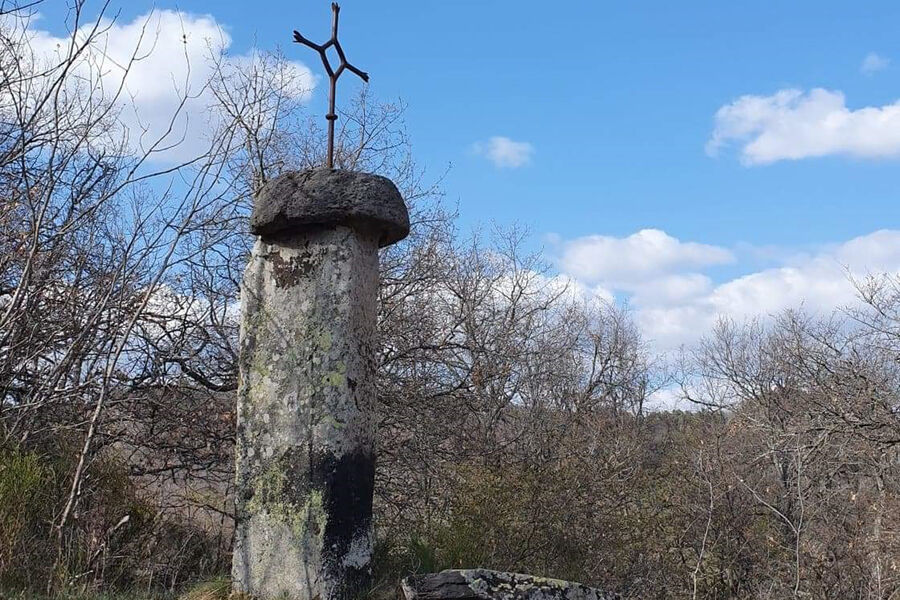
MENHIR DE LA CROIX SAINT-ROCH : prehistoric monolith. It owes its name to the iron cross dedicated to Saint-Roch, which was set into a round stone (probably of Gallo-Roman origin) in medieval times. It’s another example of the clergy’s appropriation of ‘pagan’ monuments and cults.
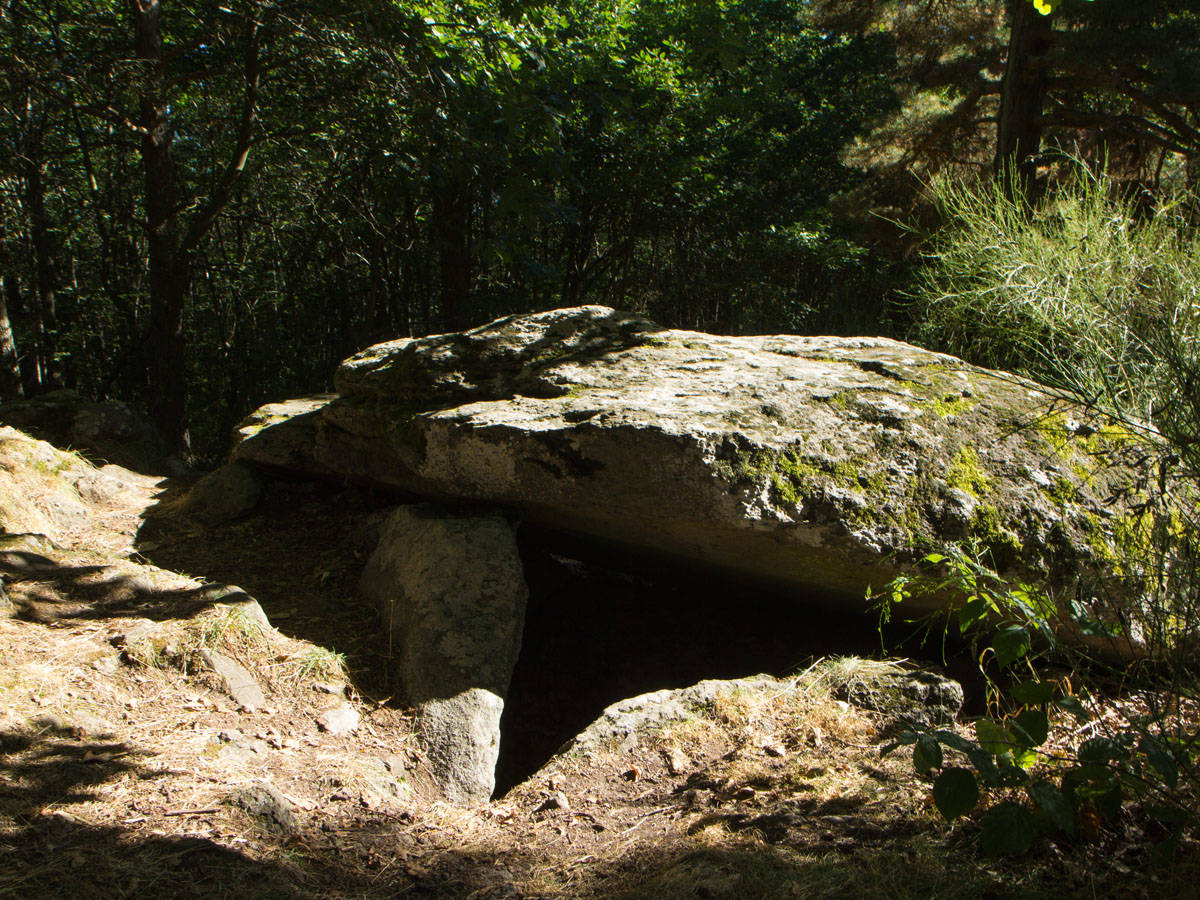
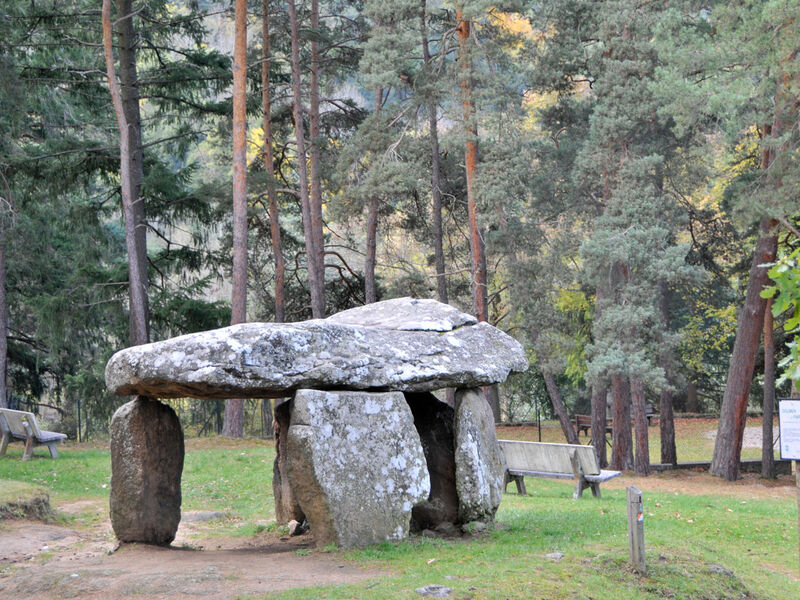
DOLMEN DU PARC : The first megalith in the Puy de Dôme to be protected as a Historic Monument (1875), it was once surrounded by Celtic huts. However, the dolmen retains much of its mystery, as the surrounding tumulus was levelled and the inner chamber completely looted. It dates back to the Neolithic period and has been listed as a Historic Monument since 1862.
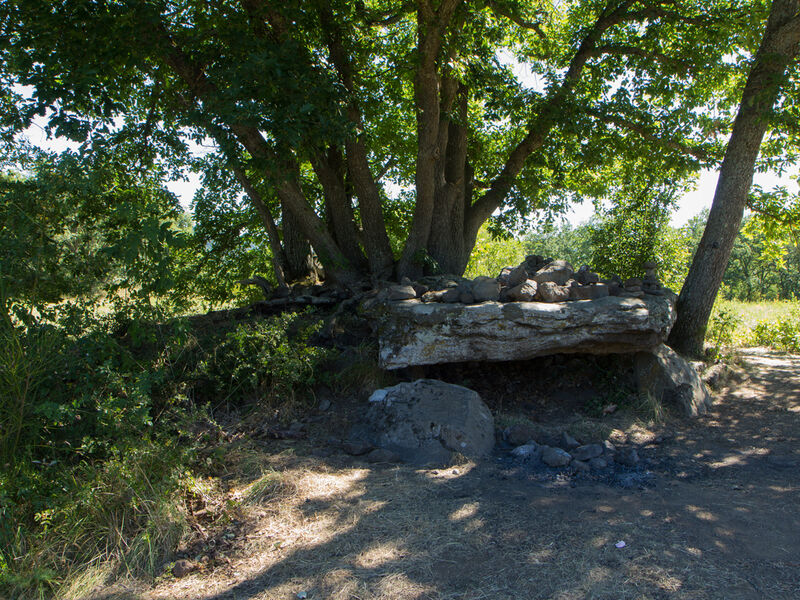
DOLMEN DE LA PINEYRE : Located between puy de Châteauneuf and Freydefond. This dolmen appears to have a complex architecture, unlike the other simple dolmens in Saint-Nectaire. This Neolithic dolmen was classified as a historic monument in 1923.
DOLMEN DE SAILLANT : Dr. François Pommerol excavated the monument at the end of the 19th century, discovering human bones, pottery and flint fragments (after what remained of a looting operation that certainly dated back to the Middle Ages).
DOLMEN DE SAPCHAT : Today, this monument is badly damaged and has suffered greatly over the years. It still has 3 collapsed supports on which rests a beautiful roof slab weighing around 15 tonnes.
To find out more about the megaliths of Saint-Nectaire, a document is available in French or English from the Tourist Office in St Nectaire.
Saint-Nectaire’s Menhirs and Dolmens are indicated on the paper town map, available directly from the tourist office.

 Dogs allowed : Pets on a leash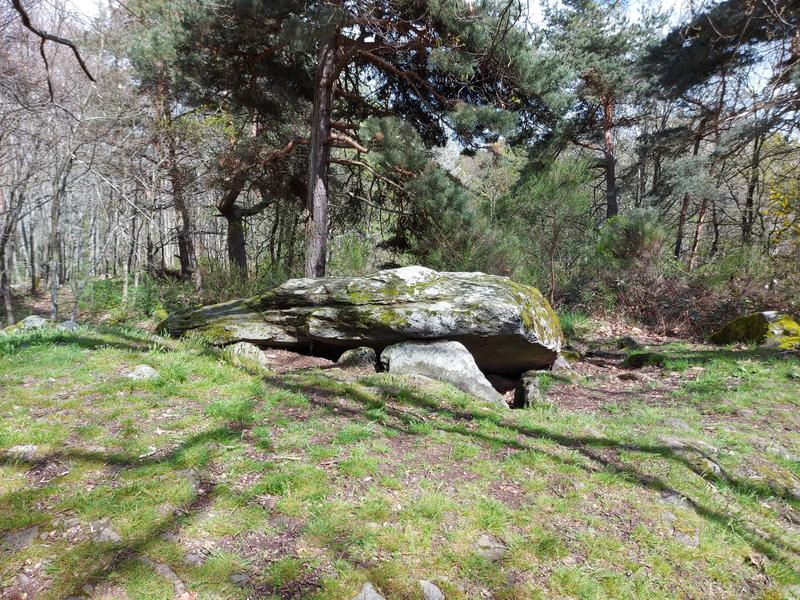
 Updated on 18 March 2026 by Office de Tourisme du Massif du Sancy