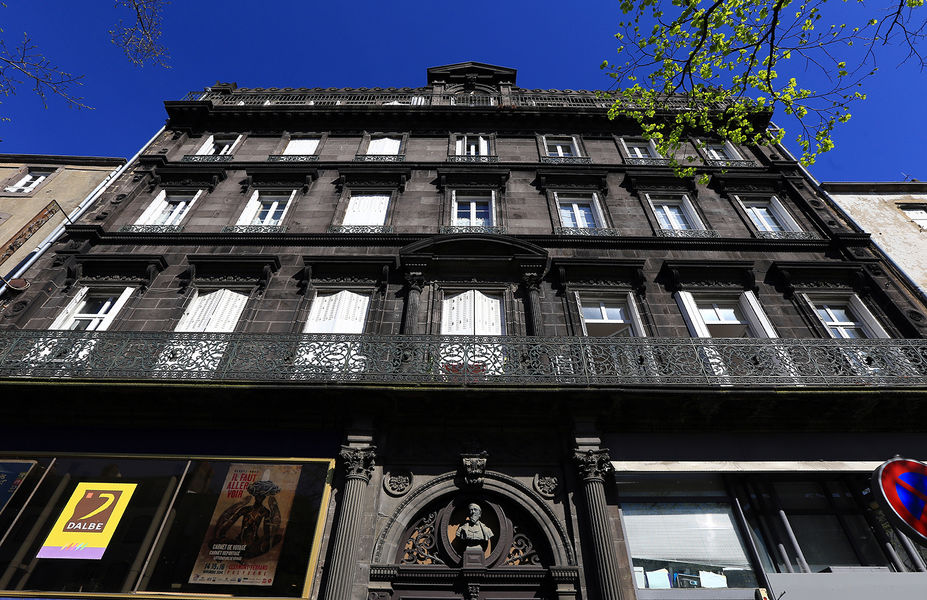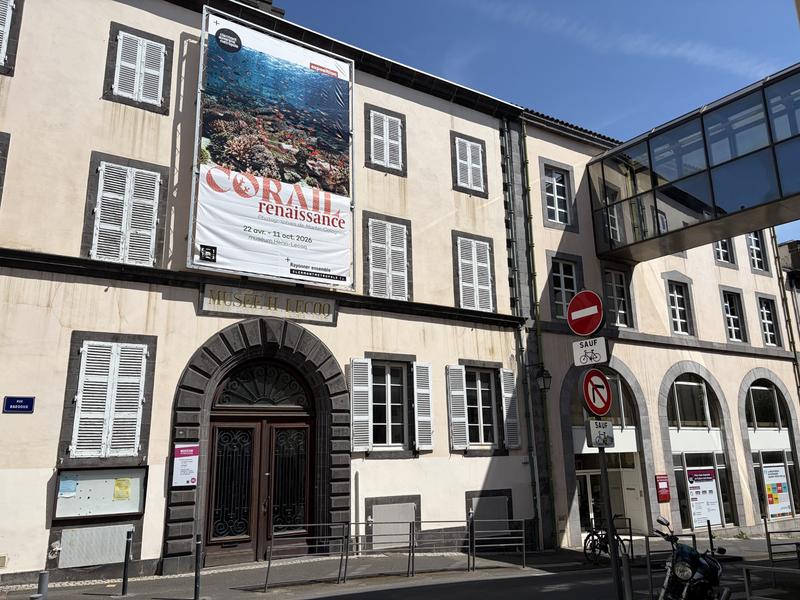
Housed in a neoclassical building inaugurated in 1903, until 2024 the Musée Bargoin presented non-European textile and archaeological collections, mainly from the Clermont-Ferrand area and the Puy-de-Dôme département.
In 2025, a new chapter in the museum’s history begins. In preparation for the move of the collections in storage to(…)
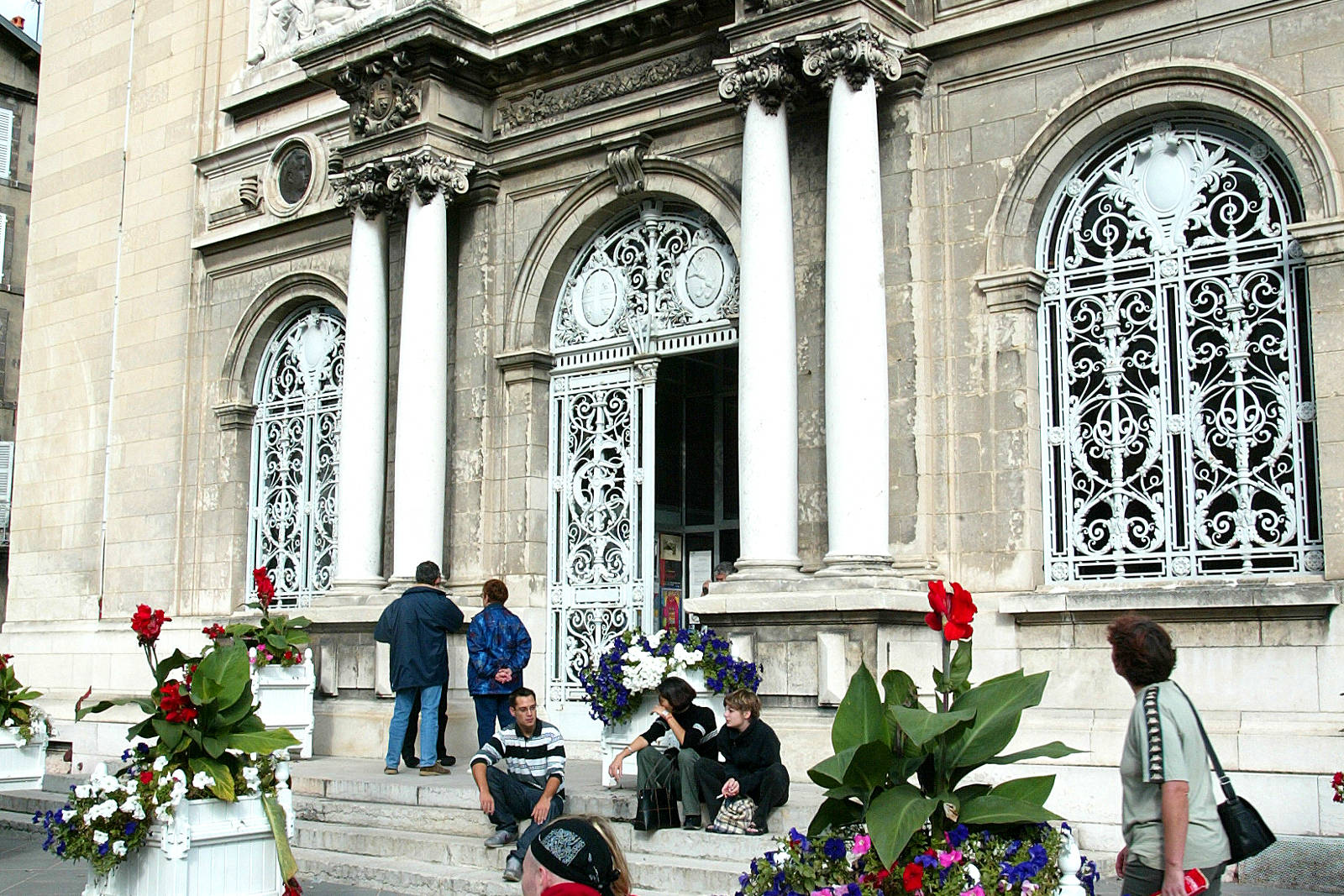
Housed in a neoclassical building inaugurated in 1903, until 2024 the Musée Bargoin presented non-European textile and archaeological collections, mainly from the Clermont-Ferrand area and the Puy-de-Dôme département.
In 2025, a new chapter in the museum’s history begins. In preparation for the move of the collections in storage to the new conservation center for metropolitan museums, currently under construction, the museum team will begin a vast project to remove dust, consolidate, computerize and package the collections, which will require the use of exhibition spaces.
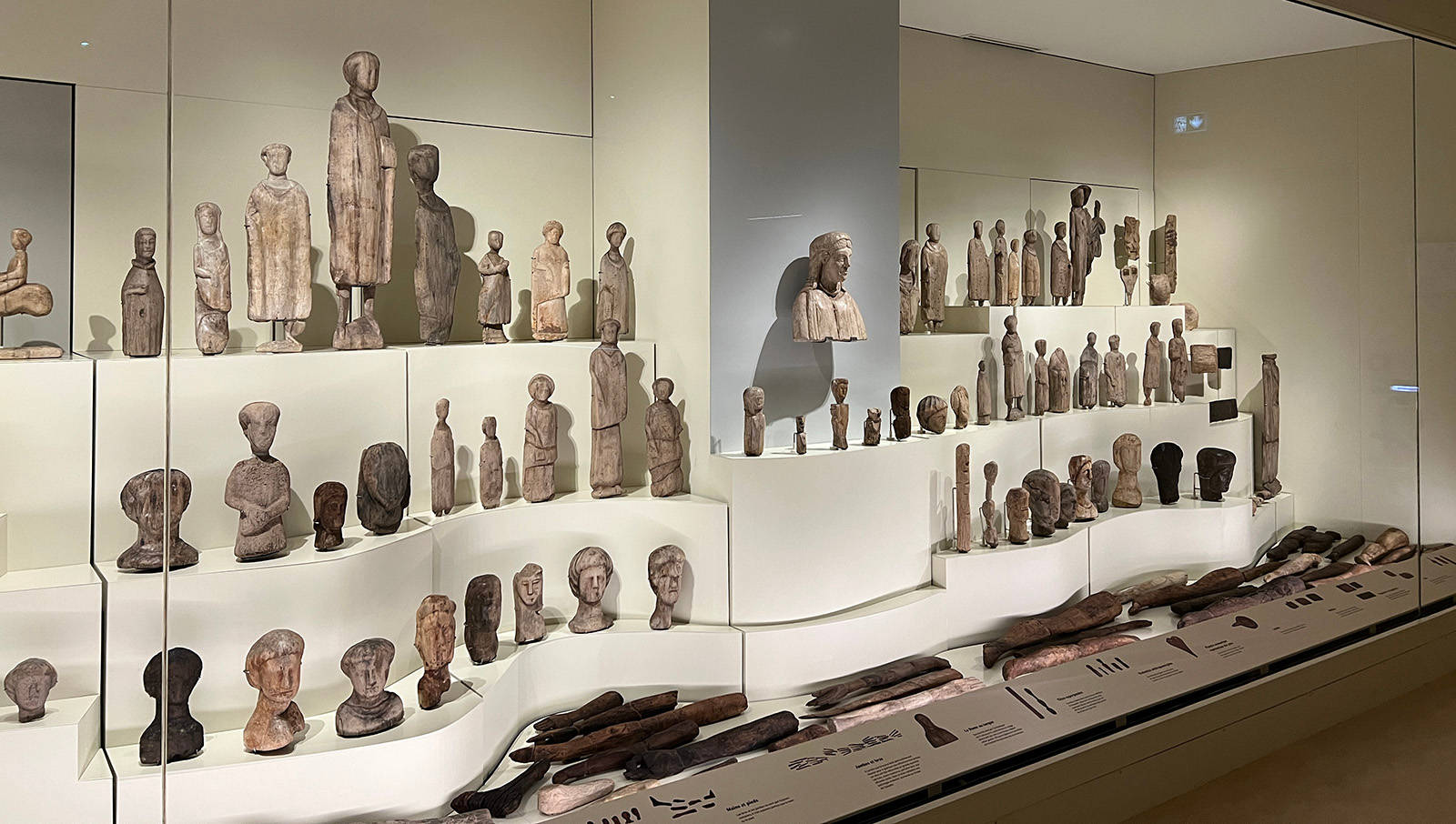
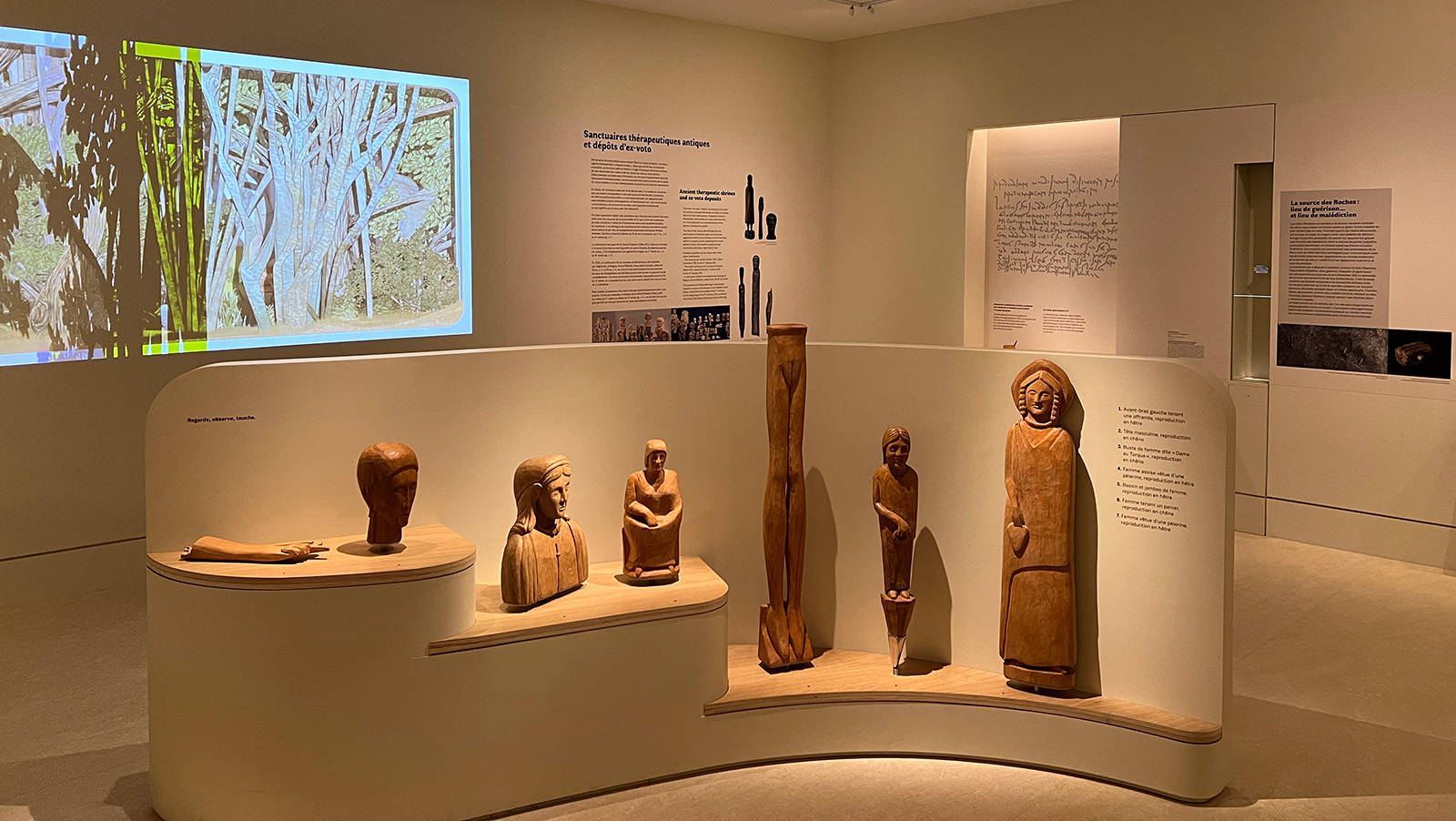
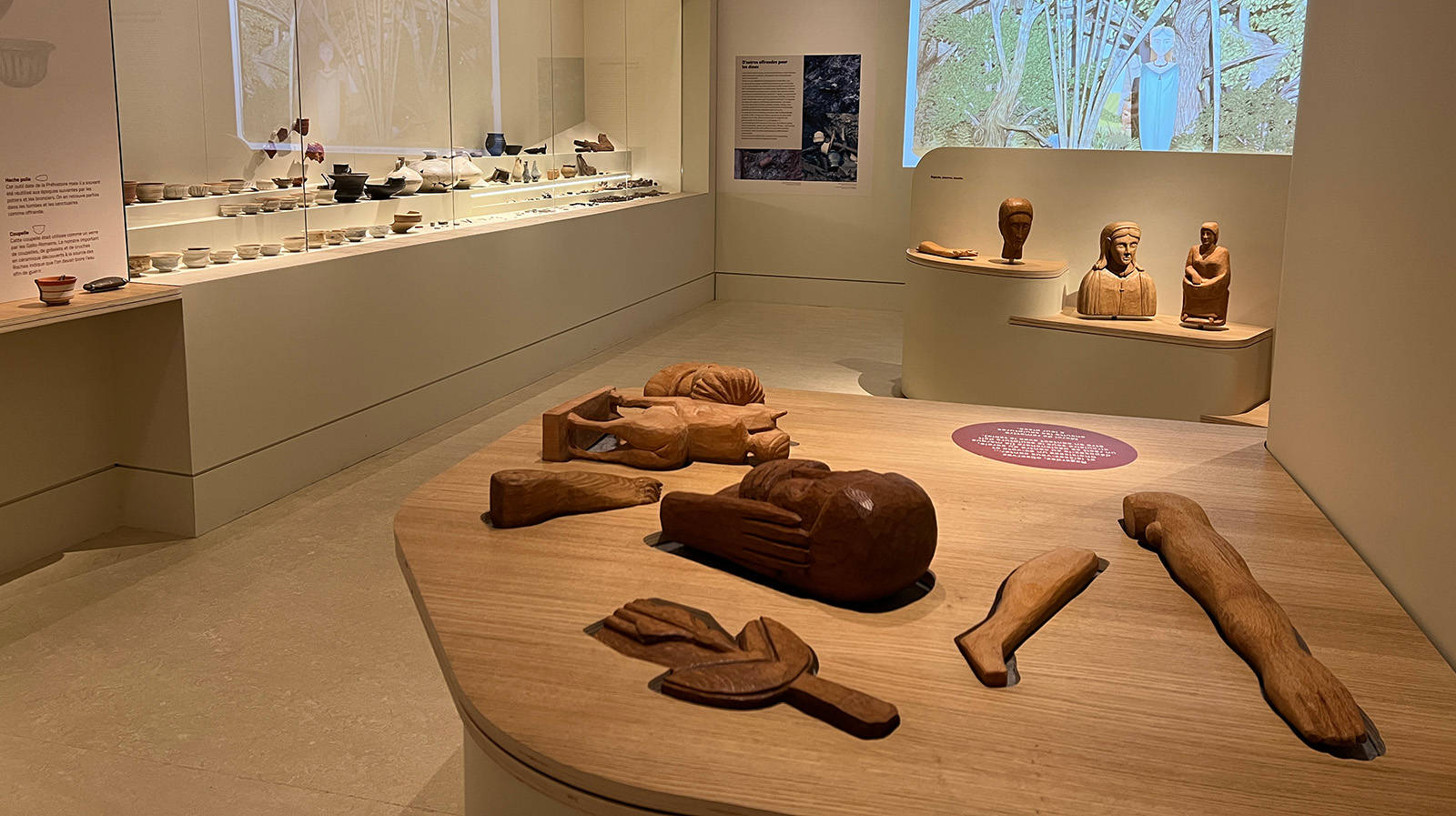
As of January 14, 2025, the museum will therefore only be partially open to carry out this operation. The recently renovated room of the sanctuary of the source des Roches will still be accessible, as will the exhibition space in the hall, which in mid-March will welcome one of the highlights of the archaeological collections: the equestrian statue of the god Jupiter striking down an anguiped monster from Egliseneuve-près-Billom, acquired, thanks to the financial support of the State and the Region, in 2018 and which benefited from a major restoration in 2024.
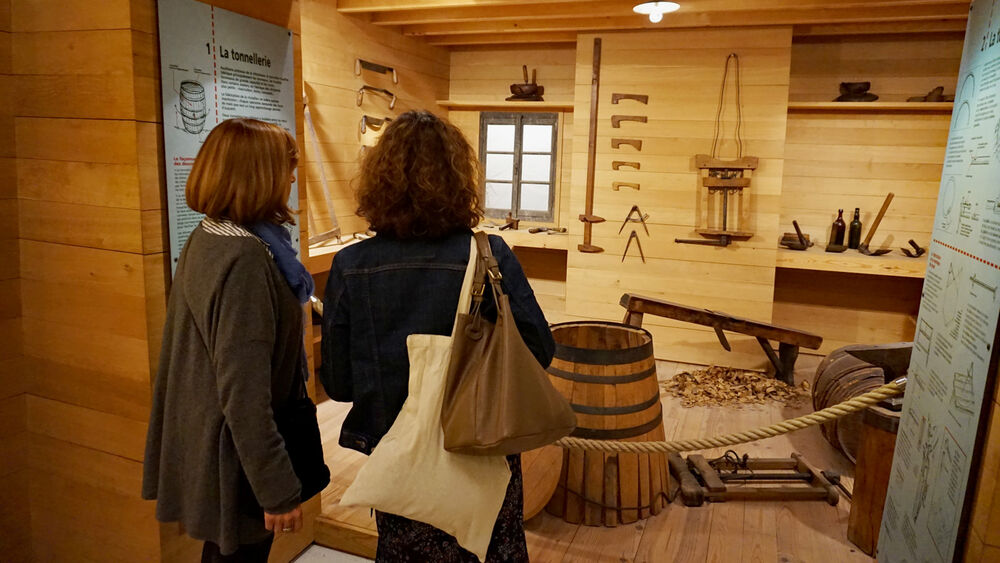
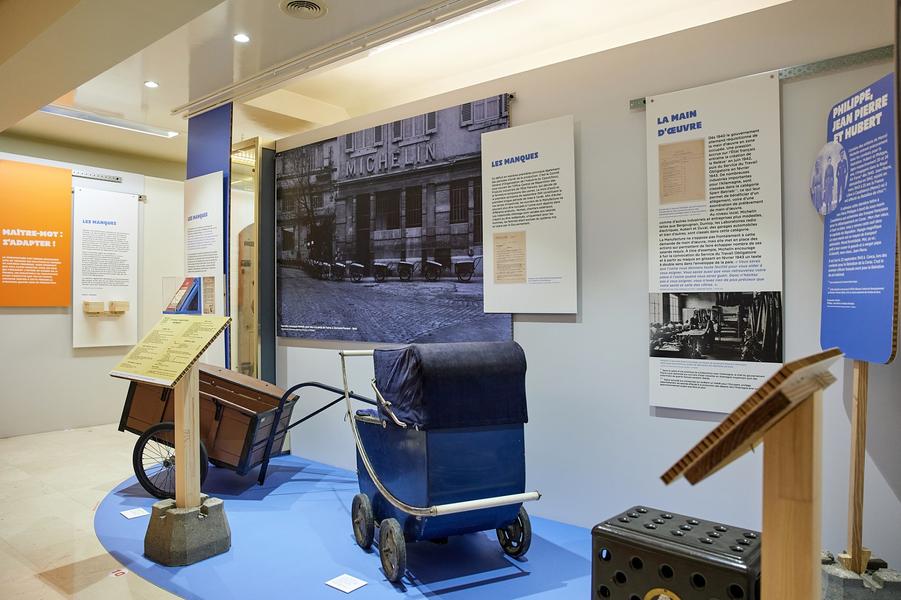
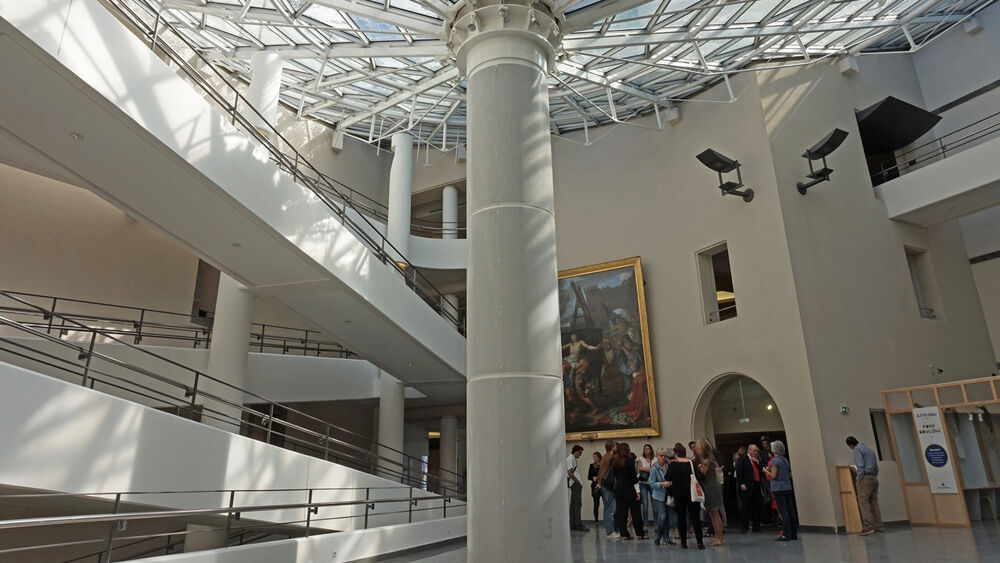
Although its exhibition space will be temporarily reduced, the museum will continue to welcome the public and offer behind-the-scenes visits. Some of the museum’s collections will also be on display at other venues, notably the Maison archéologique des Combrailles in Voingt. The museum will also be taking part in major cultural events: Museum Night, the European Archaeology and Heritage Days, the Arts en balade weekend…
At the end of this work on the collections, the Bargoin museum will embark on a phase of renovation. When it reopens, it will be entirely devoted to the archaeology and history of the region, and the non-European textile works will join the collections of the Musée d’art Roger Quilliot.