
Le puy des Goules
Orcines
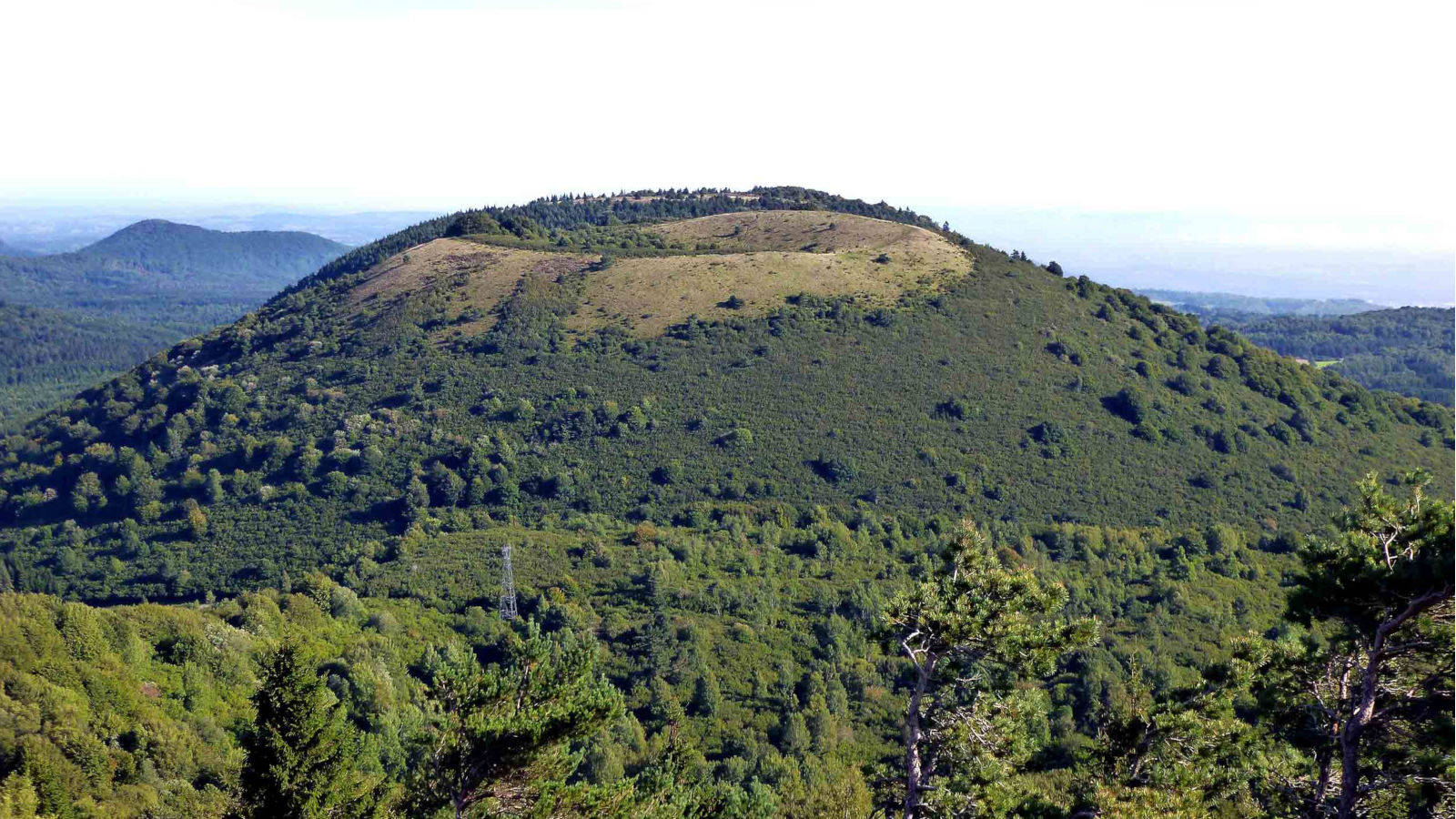
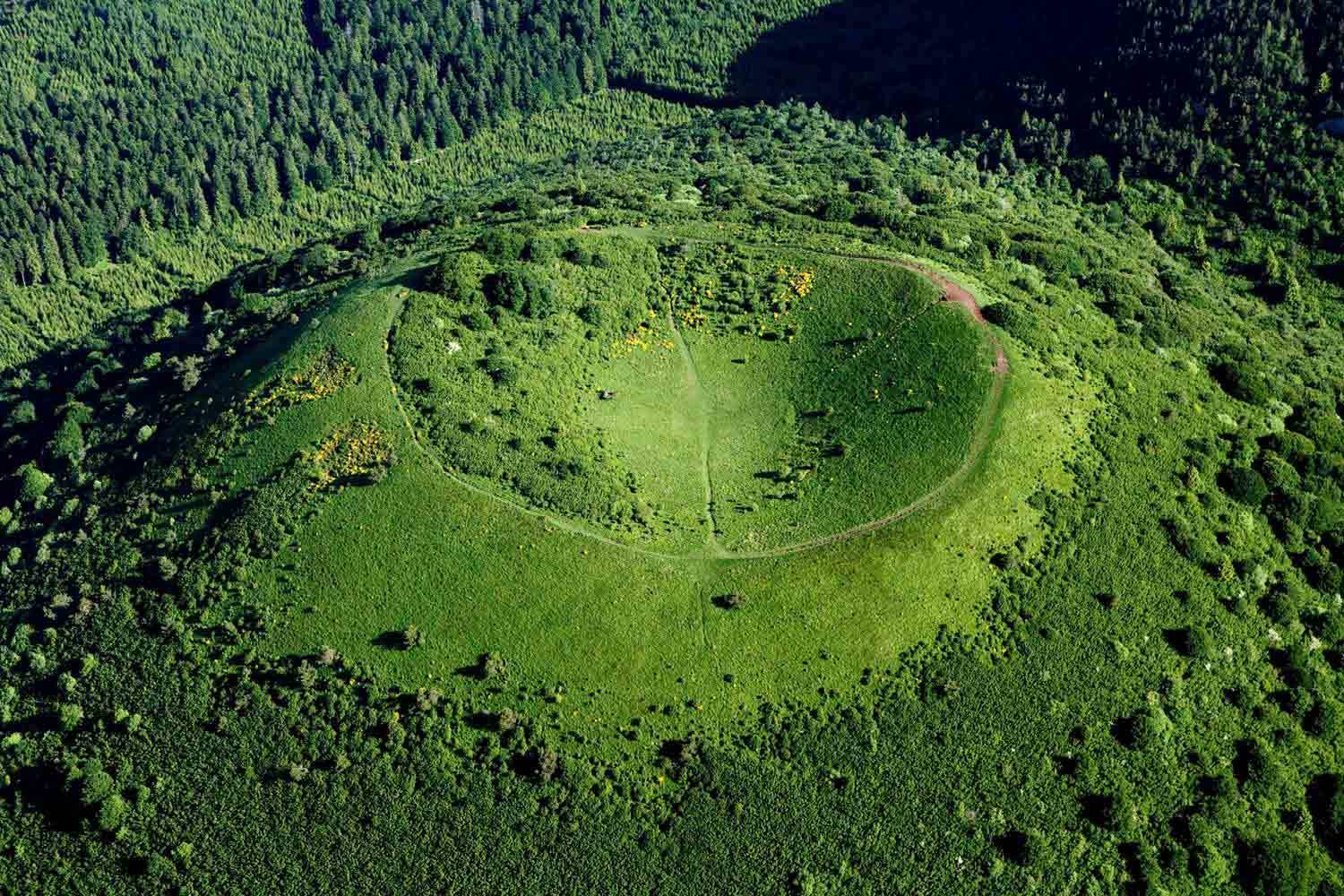
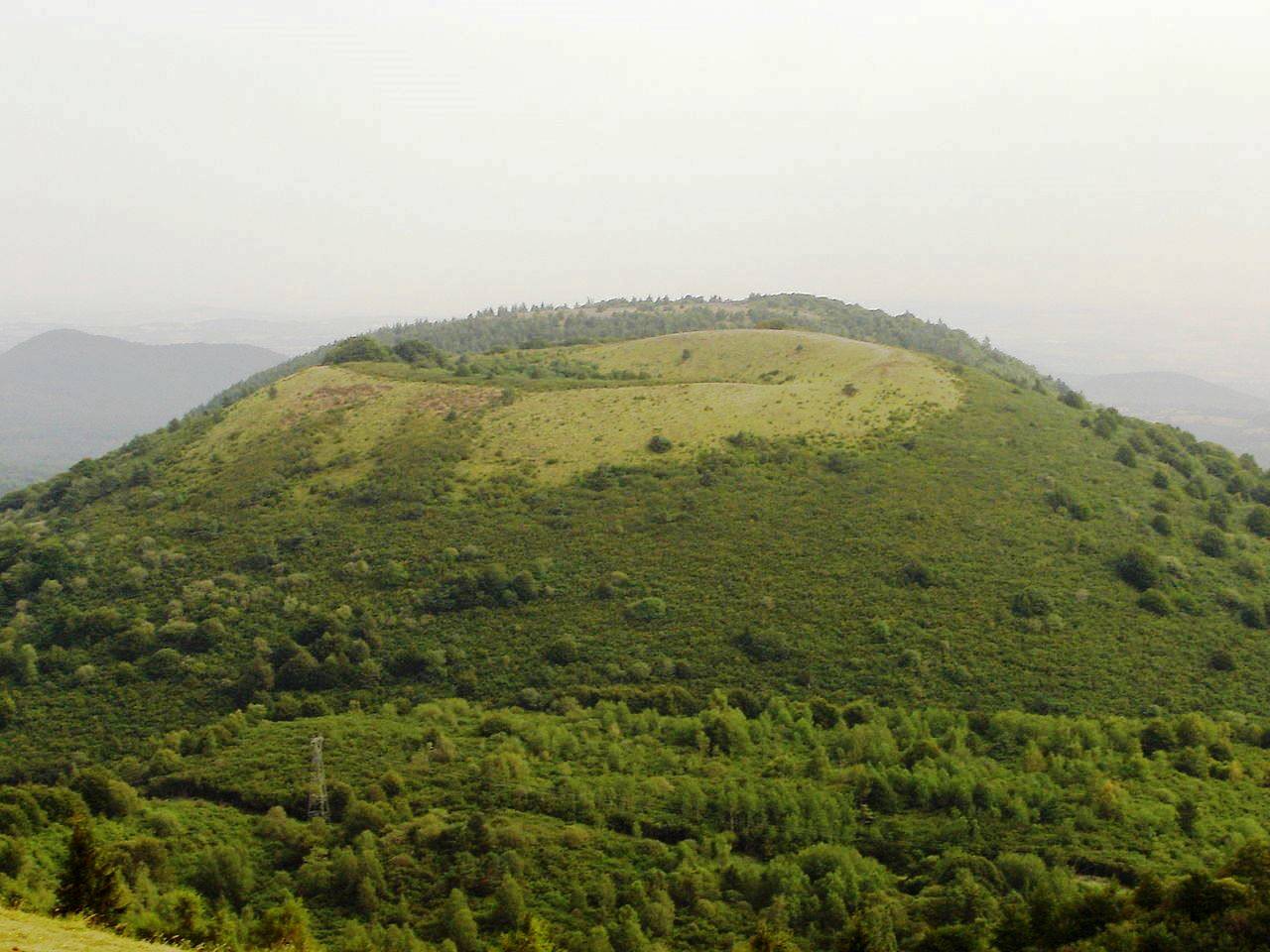
The summit offers superb panoramic views of the Grand Sarcoui, the Puy de Dôme and the southern part of the Chaîne des Puys. The puy des Goules takes its name from the Latin “gula” meaning “gorge”.
Puy des Goules rises to 1,146 m : its regular crater is 200 m in diameter and 40 m deep. The volcano has no known lava flows, which may be masked by more recent deposits.
The volcano’s northern flank was partly destroyed around 13,000 years ago by the eruption of the(…)
Opening hours
All year round daily.
Prices and payment methods
- Free access.
Comfort, facilities and services
- Parking nearby
Location
You might also like…
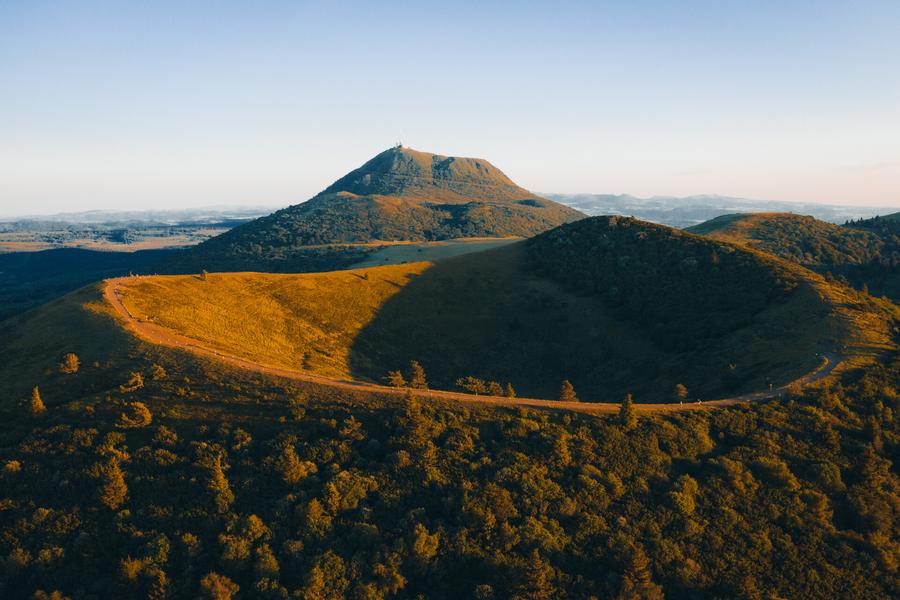
Photo credits : Gegeours, Conseil départemental du Puy-de-Dôme, Promethee33 CC BY-SA 3.0
 Updated on 21 May 2026 by Clermont Auvergne Volcans