
Le puy de Dôme
Orcines
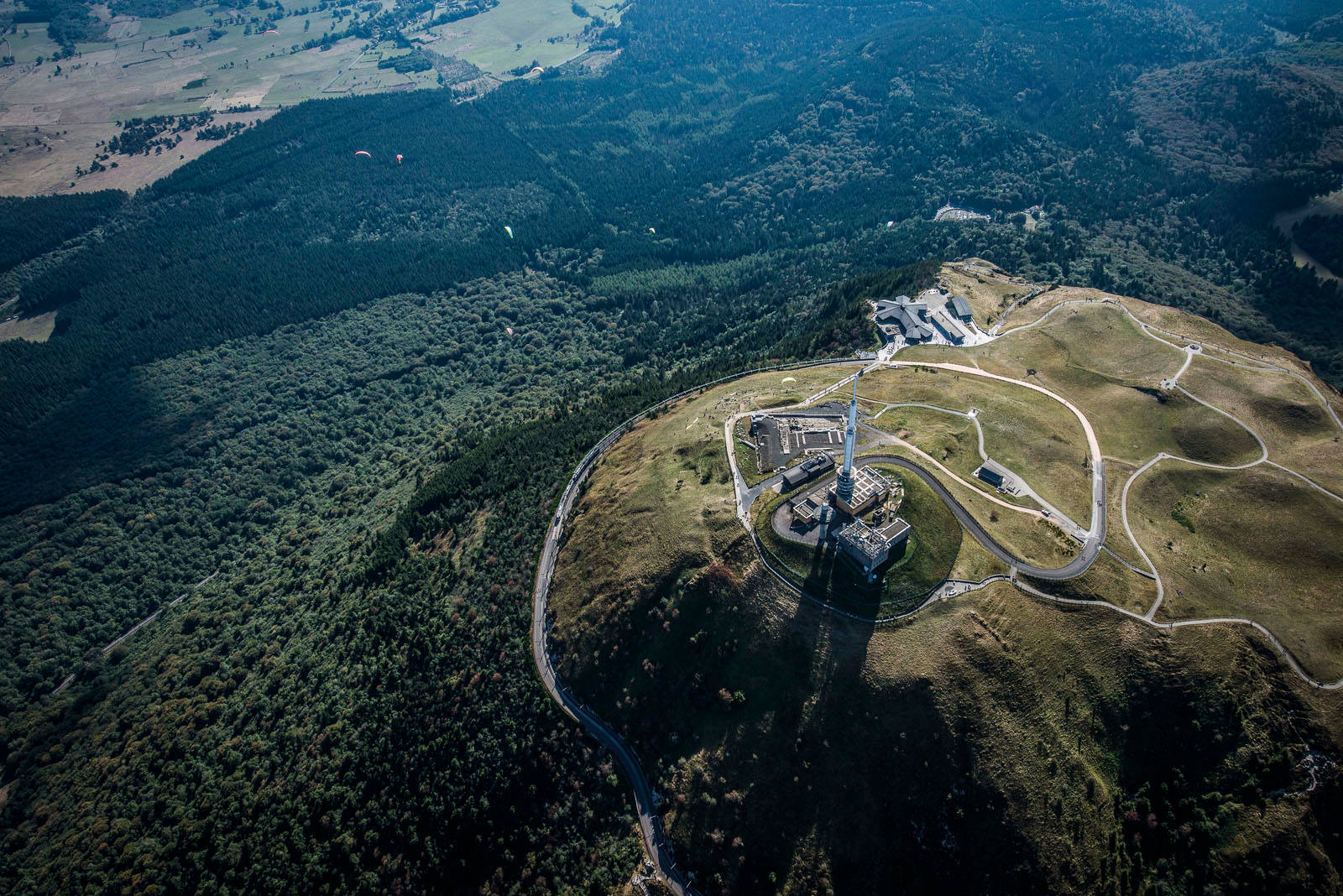
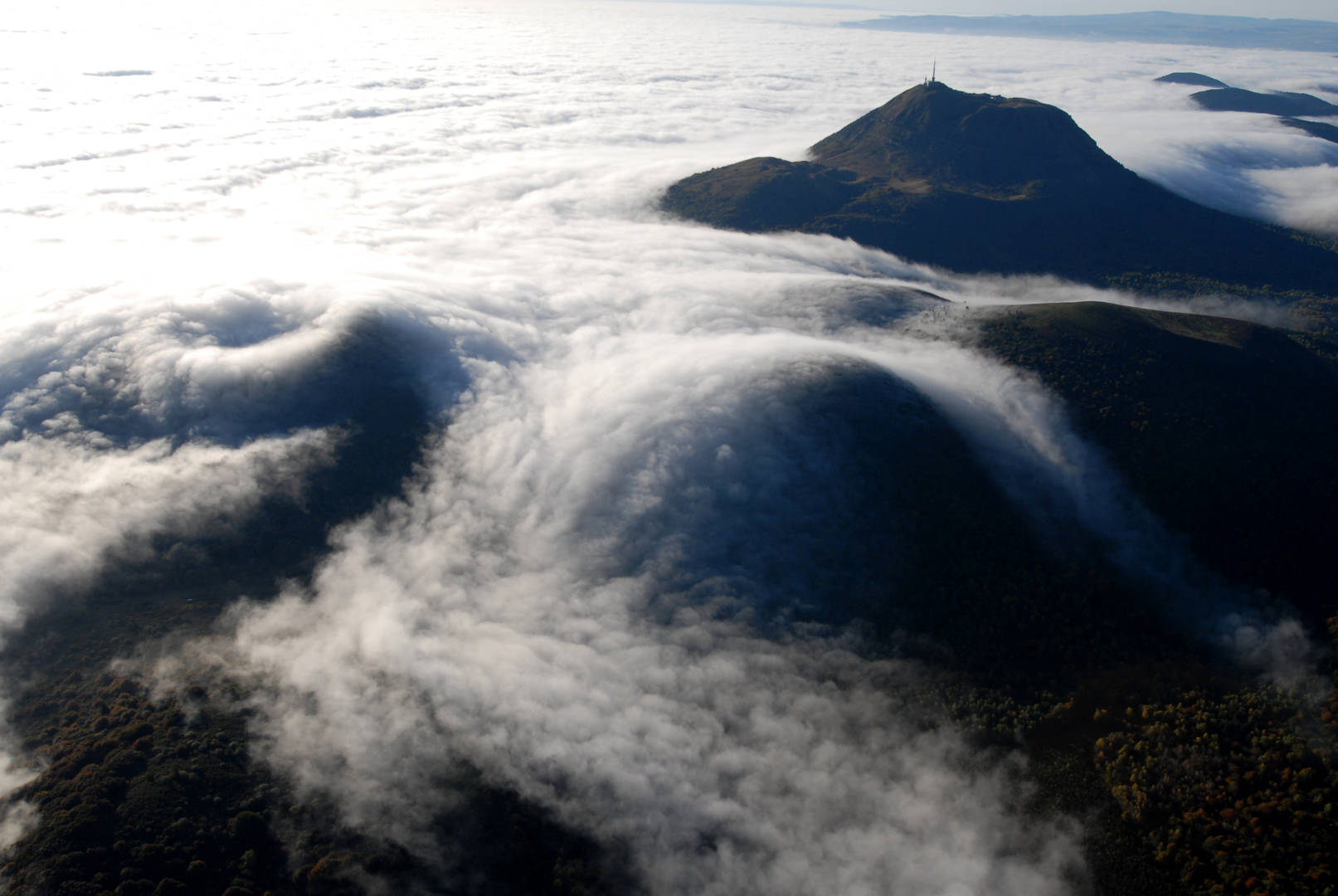
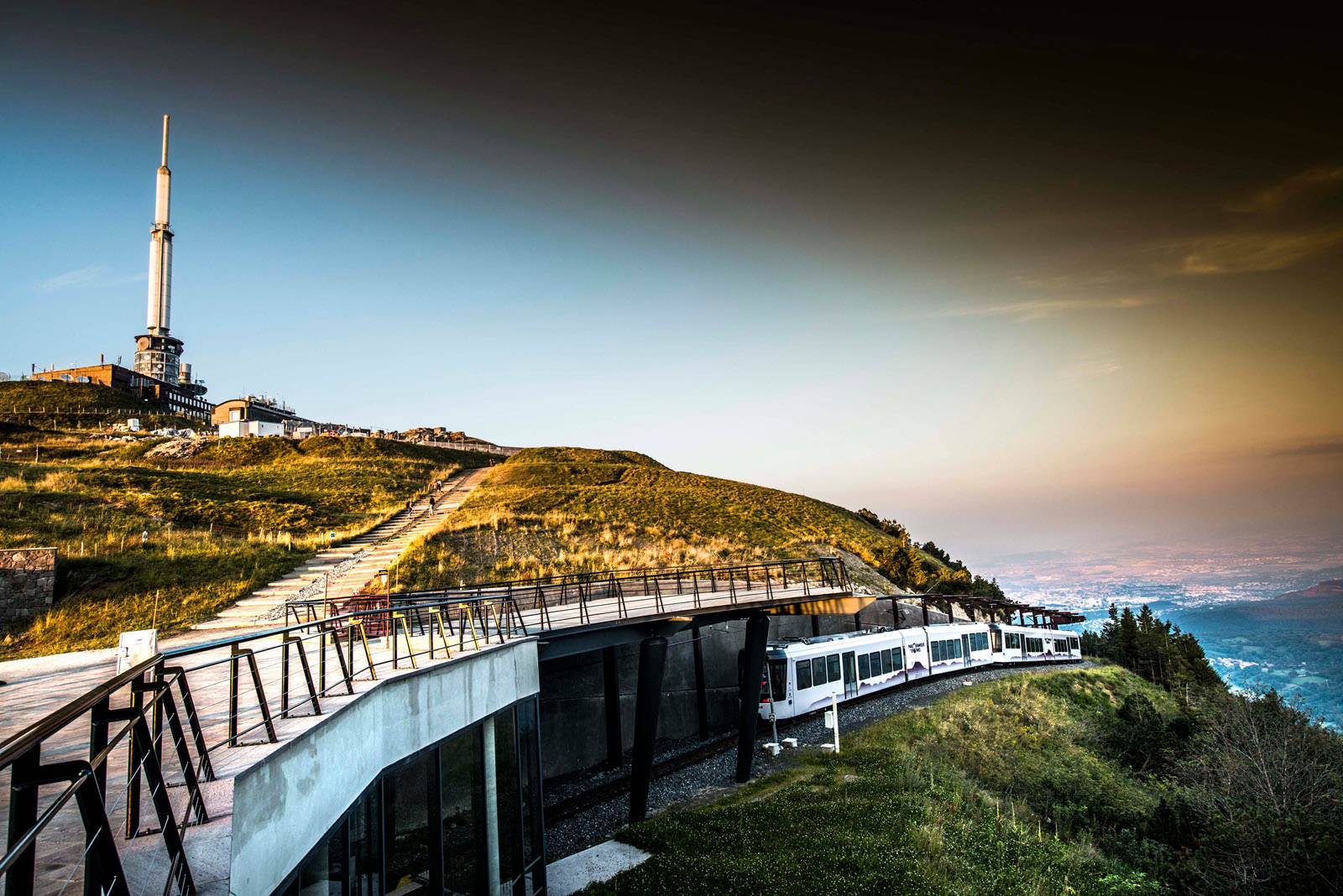
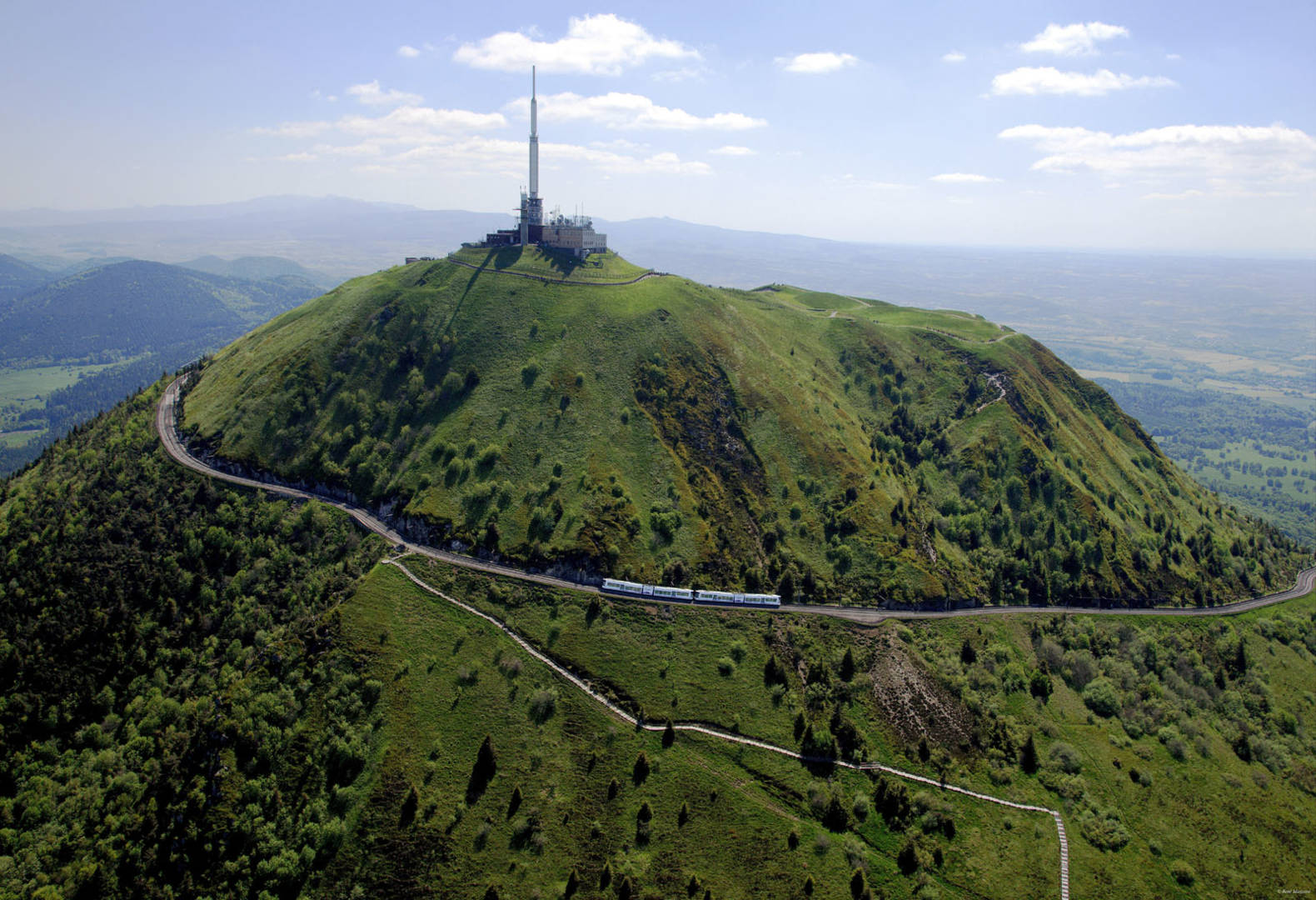
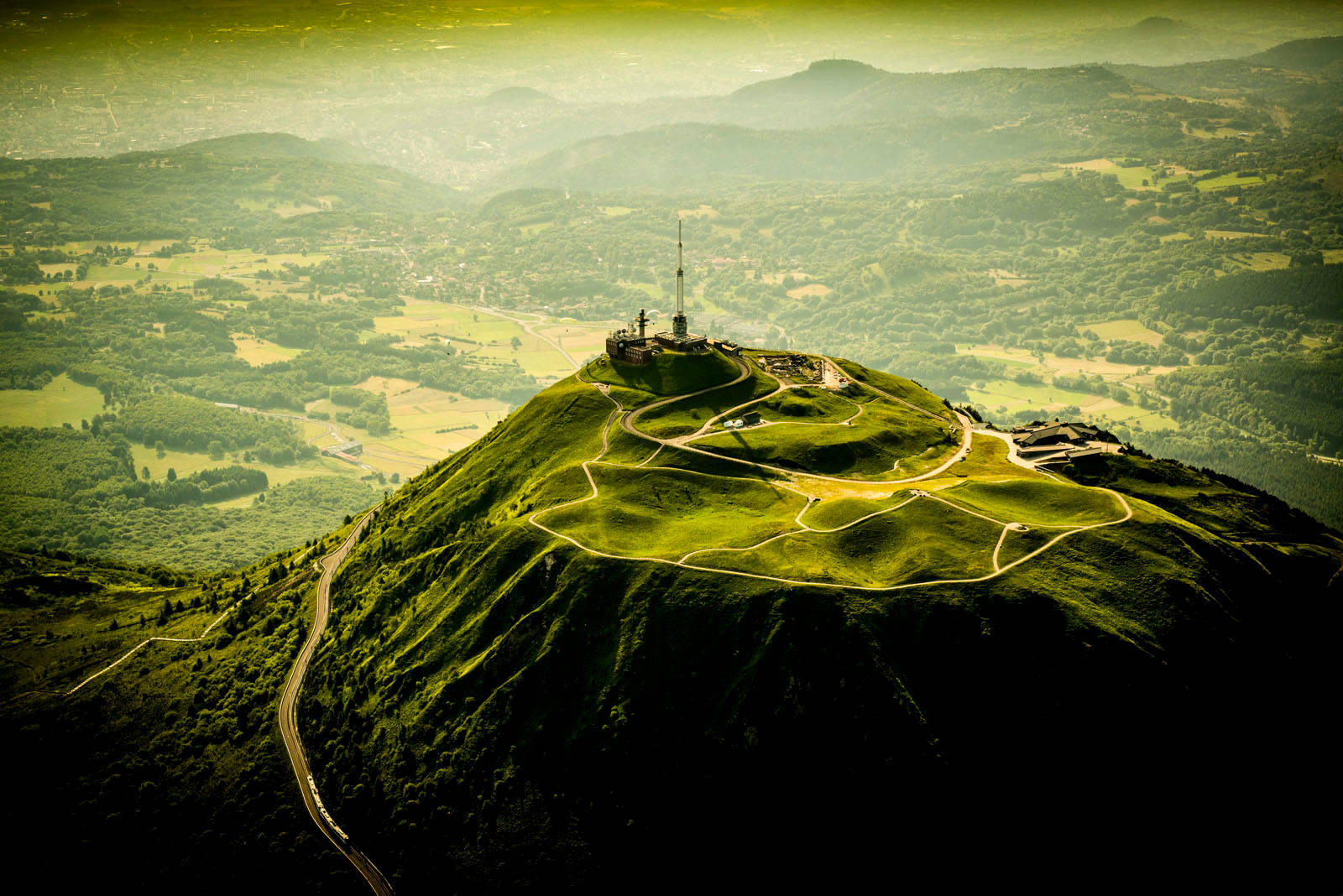
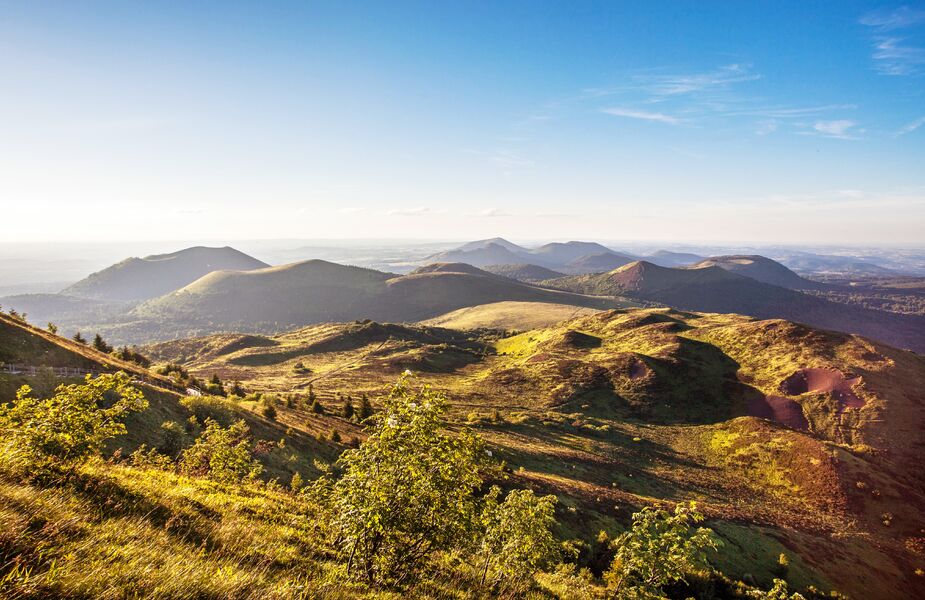
This jewel of the Chaîne des Puys offers a unique panorama of the entire range, with its lakes, coulees and views of the Sancy massif, the Limagne plain and Clermont-Ferrand.
The Puy de Dôme is the best-known volcano in the Chaîne des Puys. Reaching a height of 1,465 metres, it overlooks a group of 80 volcanoes.
This Pelean volcano is the result of a succession of eruptive phases. At 11,000 years old, it is now dormant. This volcano has no(…)
Spoken languages
Prices and payment methods
- Free access.
Downloadable :
Comfort, facilities and services
- Coach access
- Educational visits
- Guided tours
- Parking nearby
- Restaurant
- Shuttlebus
- Tour free of charge
Location
You might also like…
-
-
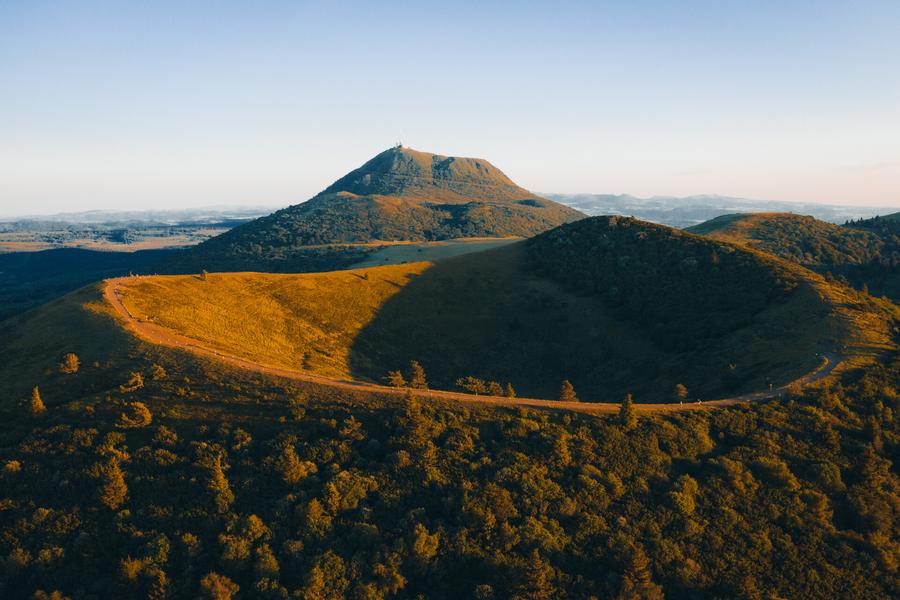
Puy de Pariou – Volcano of the Chaîne des Puys – Limagne fault (UNESCO)
-
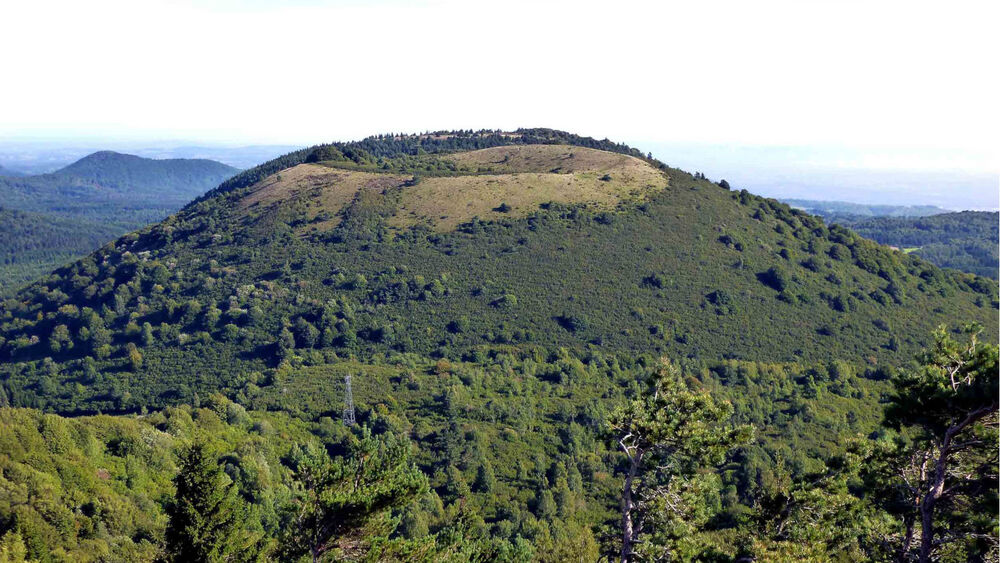
Le puy des Goules
-

La Table d’Épicure
-
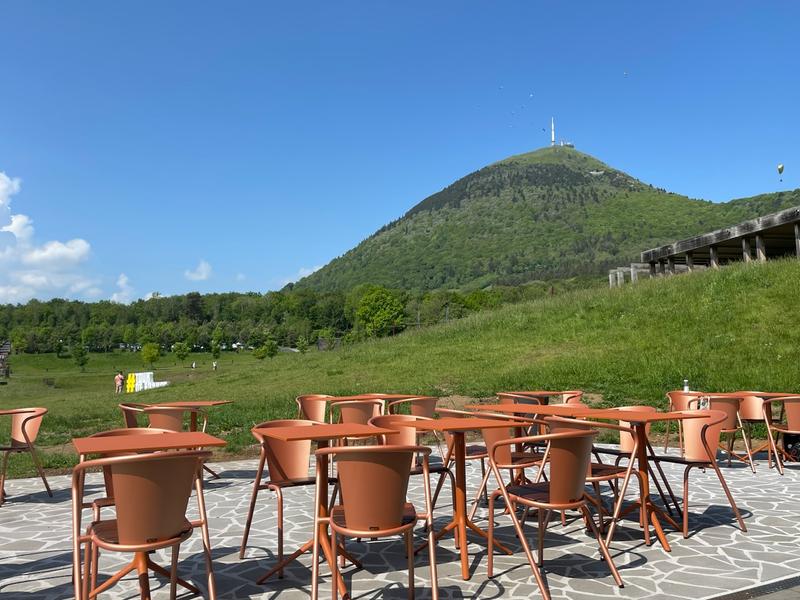
Bistrot par Epicure
-
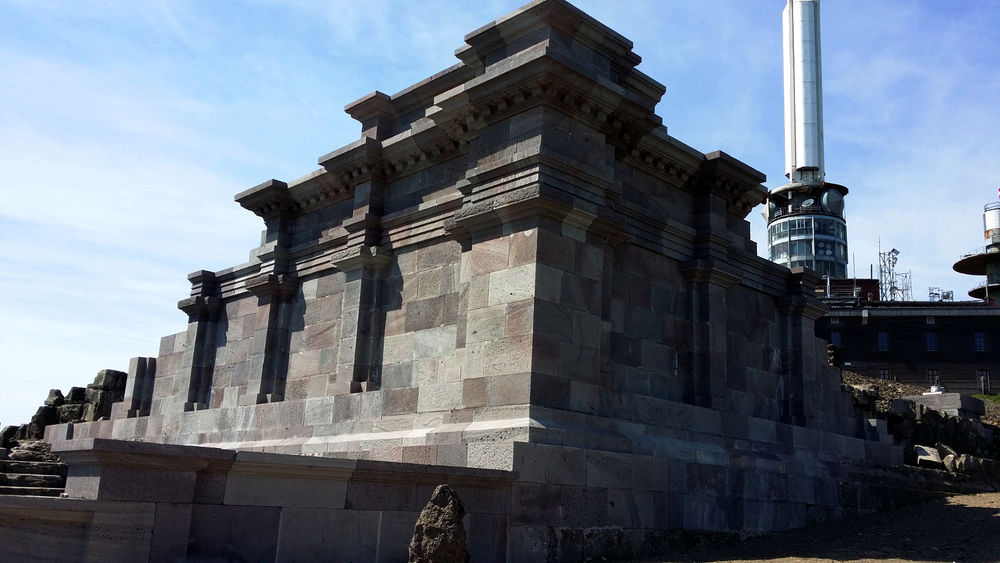
Remains of the Temple of Mercury
-
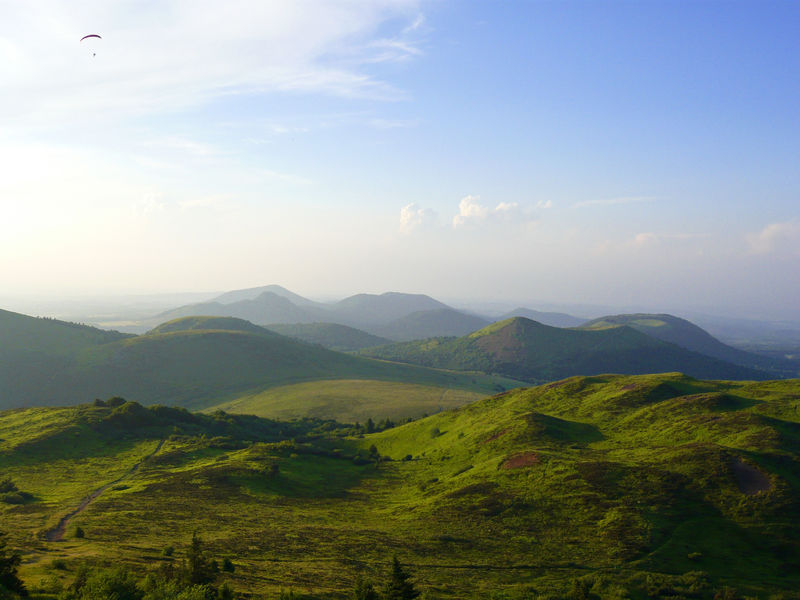
Chaîne des Puys – faille de Limagne
-
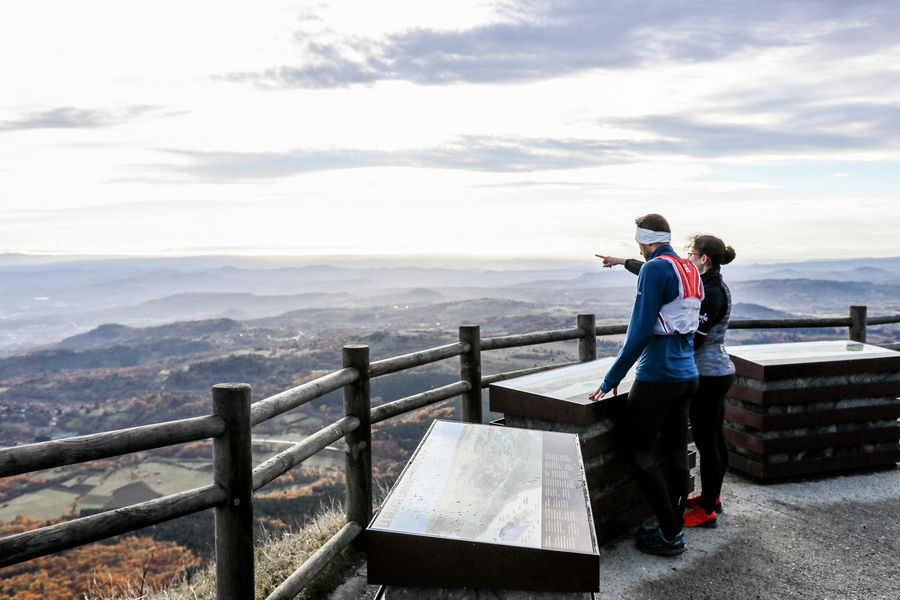
La boucle des Dômes – Parcours trail
-
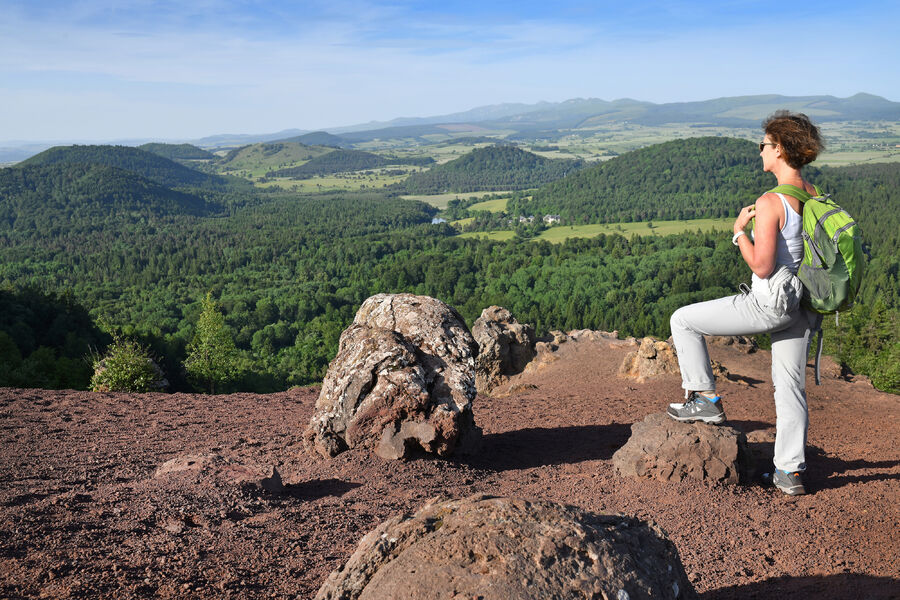
GR® 441 : Tour of the Auvergne volcanoes
-
GR® 4 : From the Mediterranean to the Atlantic
-
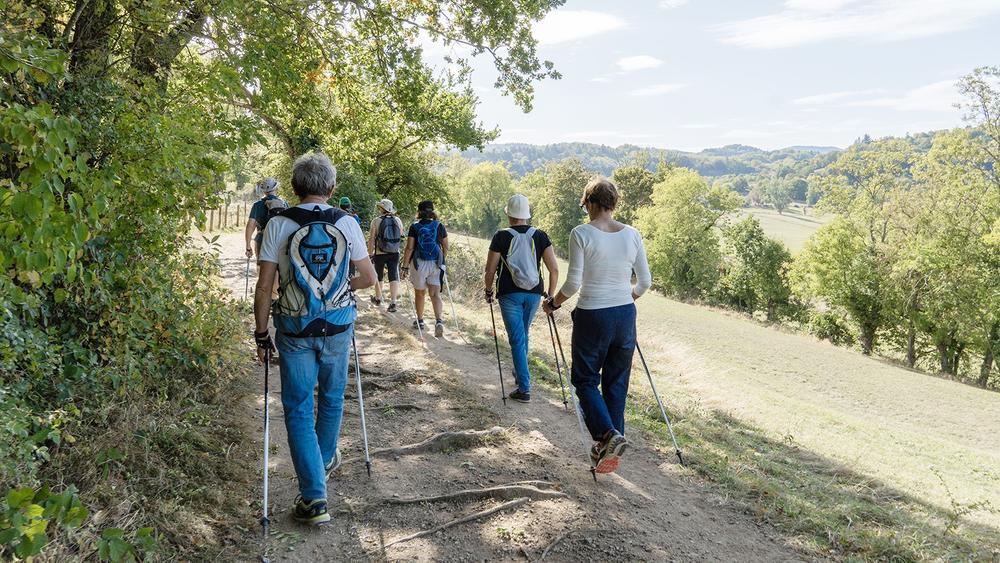
Les séances de marche nordique
-

Festival Les Nuées Ardentes | 8ème édition
-
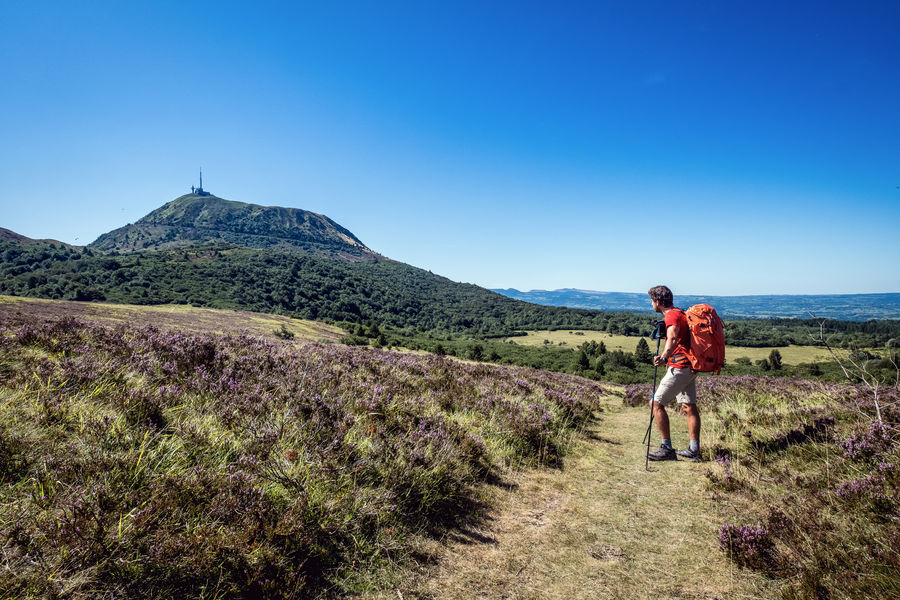
The Dômes loop (62 km)
-
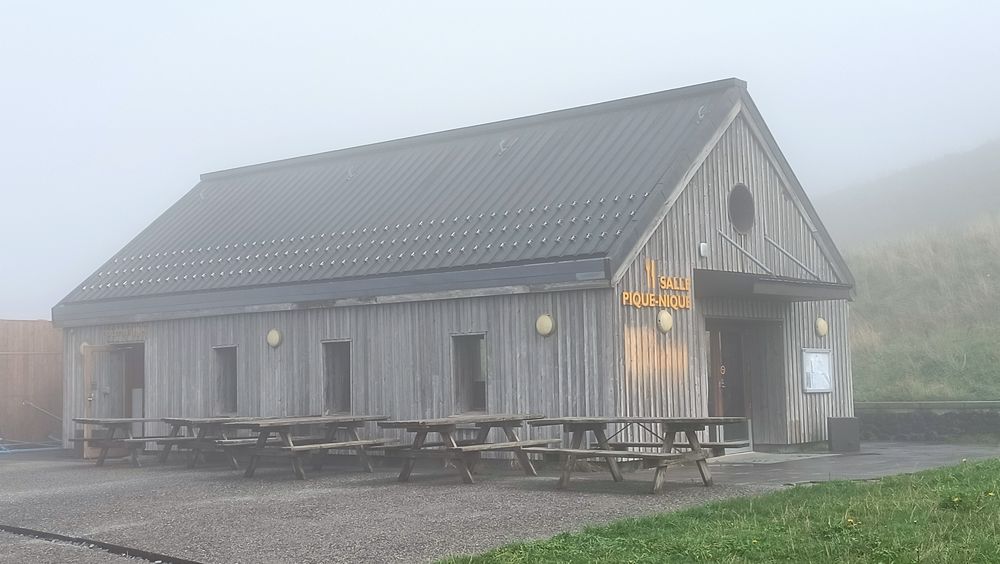
Salle pique-nique au sommet du puy de Dôme
-
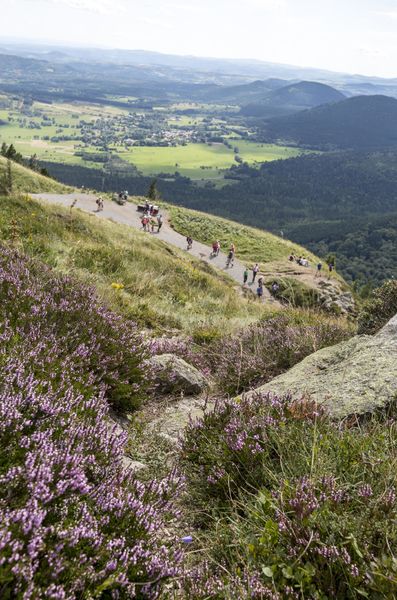
The Puy de Dôme via the Muleteers’ path
-
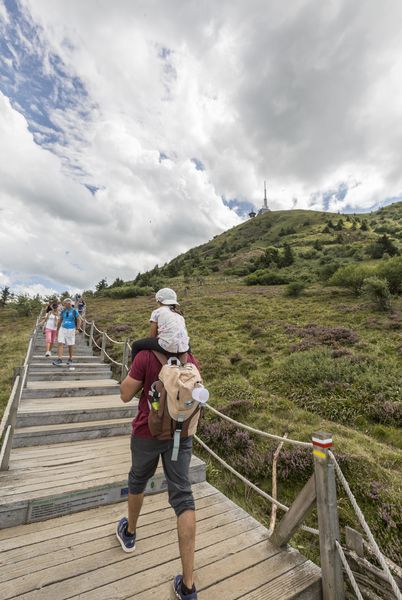
The Puy de Dôme via the Chemin des Chèvres
-
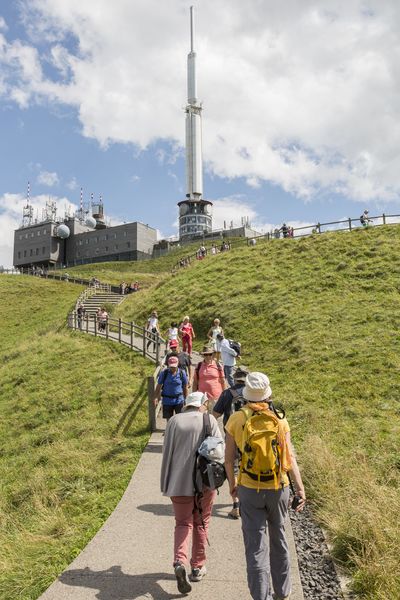
Puy de Dôme summit walkway
-
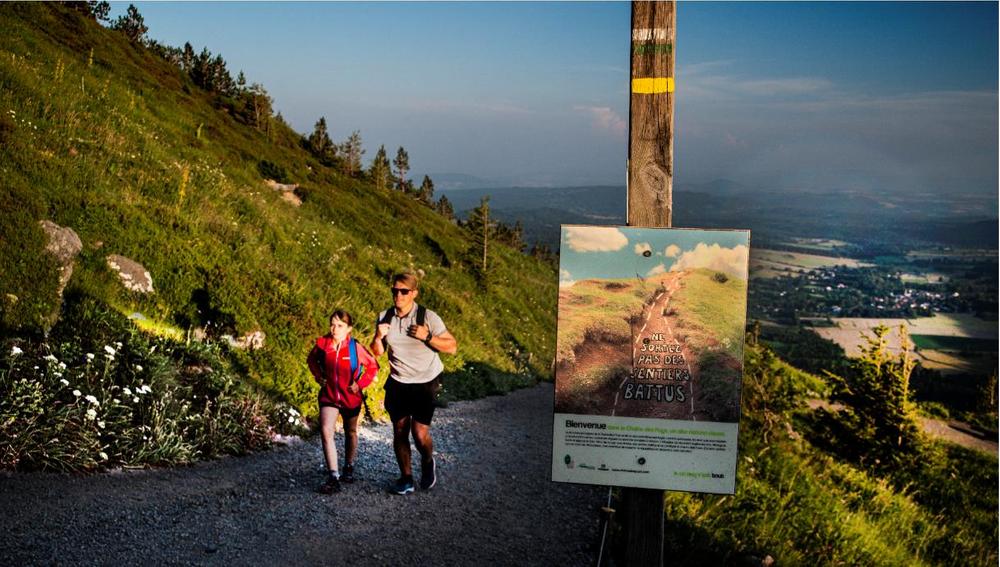
The Puy de Dôme
-
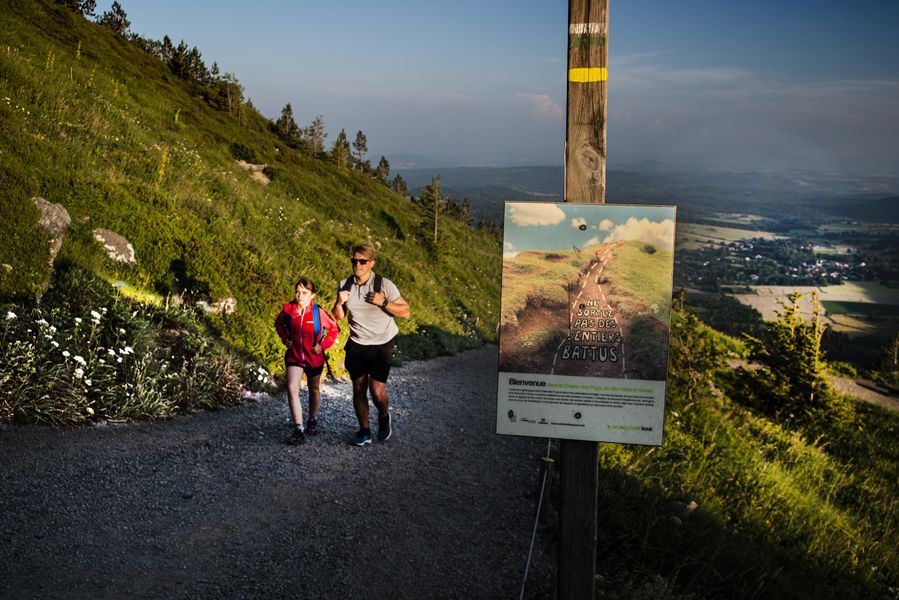
Puy de Dôme (hiking)
-

La légende des sorciers
-

Les balades pilates
Photo credits : Gérard Fayet TC Dôme, J. Way – CD63, Gérard Fayet TC Dôme, René Manzone TC Dôme, Gérard Fayet TC Dôme
 Updated on 11 March 2024 by Conseil départemental du Puy-de-Dôme