
Nature Reserve of Cheires and Volvic’s Caves
Volvic
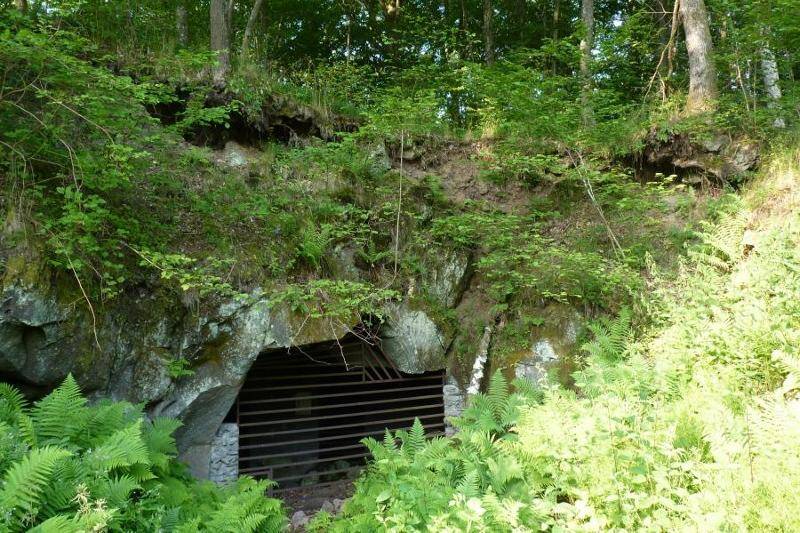
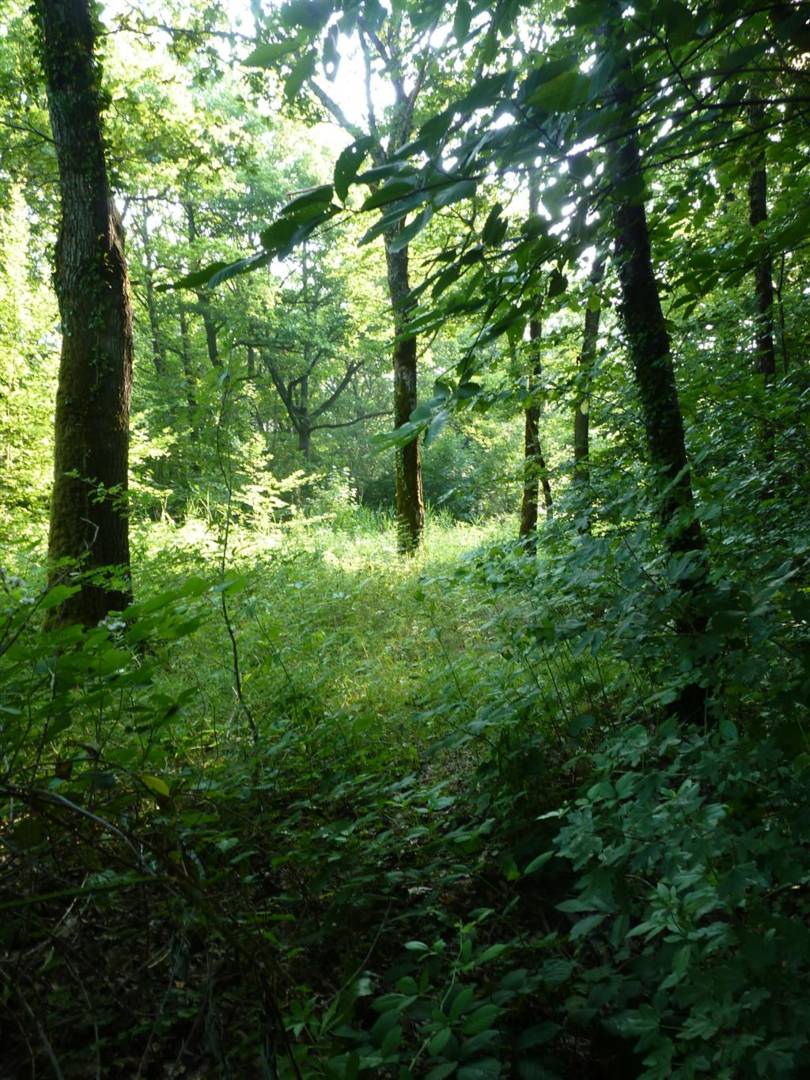
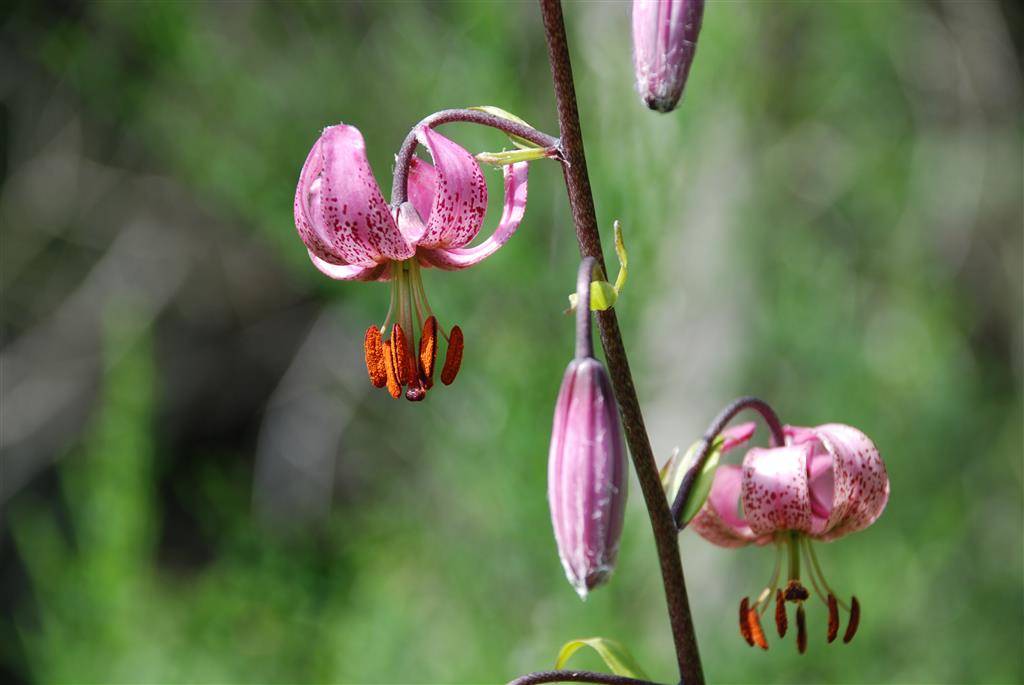
The Cheires et Grottes de Volvic Nature Reserve extends over the ancient lava flows of Puy de la Nugère and covers 61.3 hectares. It was created in 2014 to guarantee the protection of a major bat hibernation site in Auvergne.
The reserve extends over the ancient Puy de la Nugère lava flows (~12,000 years old) and covers just over 61 ha. These lava flows, with their boulders and chaotic surface, are known as “cheires”. Pierre de Volvic has been quarried here since at least the Middle Ages, either underground or(…)
Spoken languages
Opening hours
All year round daily.
Prices and payment methods
- Free access.
Comfort, facilities and services
- Pets welcome
Pets welcome
 Dogs allowed : Dogs must be kept on a leash throughout the reserve.
Location
Photo credits : JJ Lallemant, JJ Lallemant, JC Gigault
 Updated on 9 April 2026 by Office de Tourisme Terra Volcana, les Pays de Volvic