Let yourself be surprised by the flavors that the Pays d’Issoire has to offer : must-tries like cheese or AOC Côtes d’Auvergne wine, as well as hidden delights. Meet passionate producers who will share their expertise with you. To complete your basket of local produce, visit one of the many markets in the area !
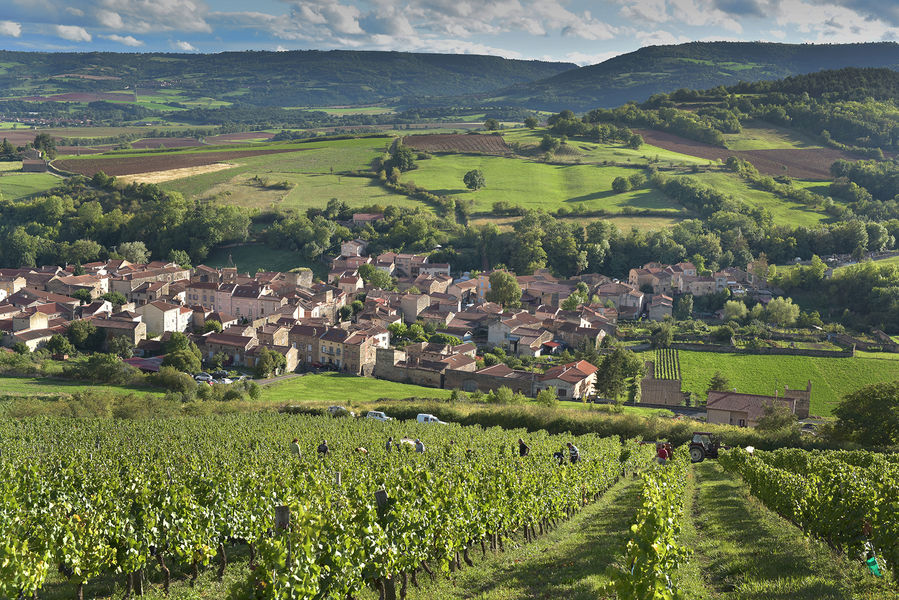
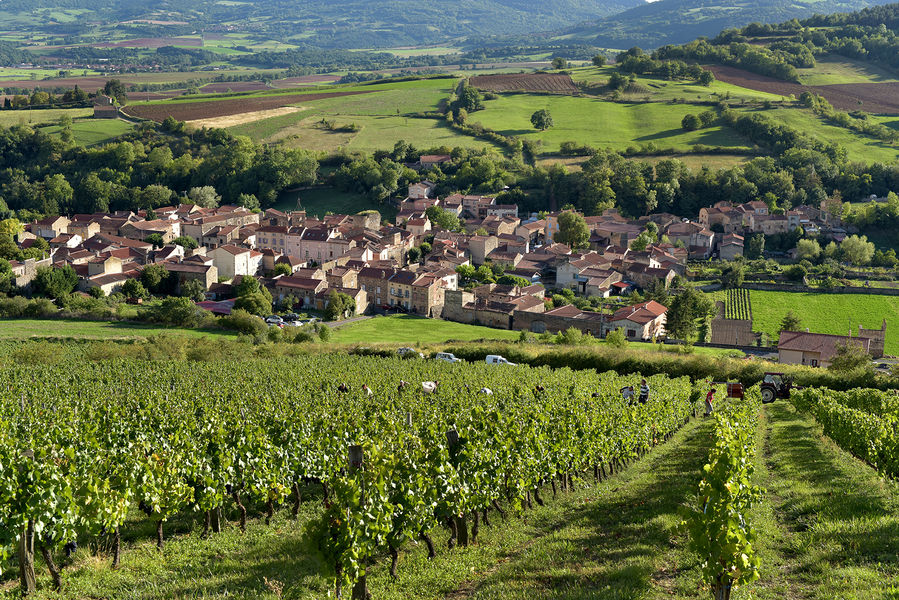
Since 2010, Auvergne wines have been recognized with the AOC Côtes d’Auvergne. Since 2022, the Côtes d’Auvergne destination Volcans region has been awarded the “Vignobles & Découvertes” label. Several wineries, accommodations, restaurants and tourist sites in the Pays d’Issoire have been awarded the label.
Stage 1 : Boudes
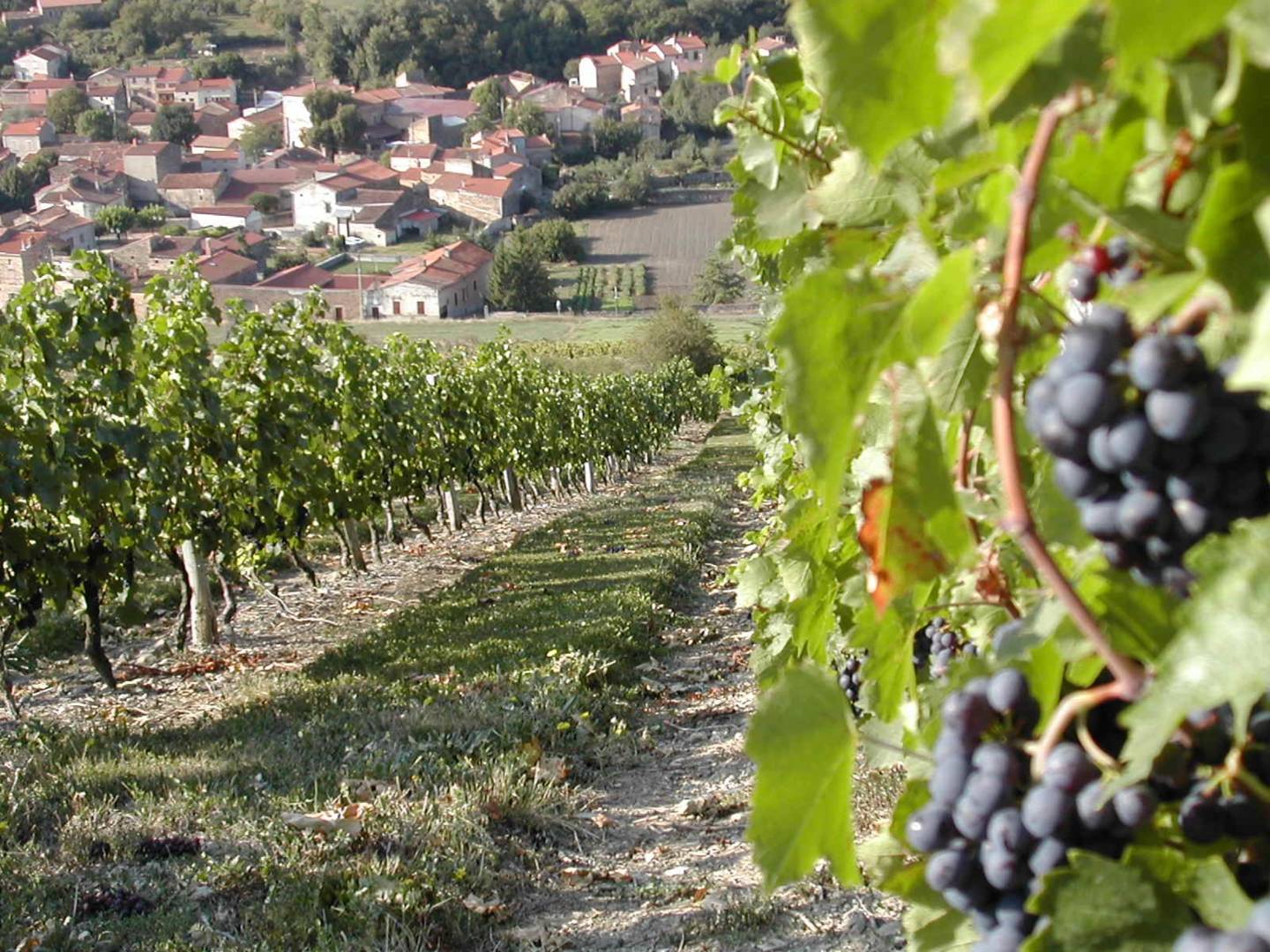
This winegrowing village is famous for the red rocks of the Vallée des Saints. This site, classified as an “Espace Naturel Sensible”, can be explored on a 6 km signposted walk. On the way back to the village, take a path through the vineyards. After the effort, the comfort, go to one of the village cellars for a tasting of Côtes d’Auvergne de Boudes wines : Domaine Charmensat, Boudes Plaisirs or Annie Sauvat. With the latter, your tasting can be enhanced by an oenobalade or other activities in the vineyards.
Discover truffles with truffle dog Vicky. Stroll through the truffle field, cavage demonstration with Vicky, presentation of the profession and the truffle, tasting of homemade truffle butter, direct sales on site.
Stage 2 : Chalus
In Chalus, too, the vine is king. Discover the winegrowers’ houses and the Cave Abonnat. This small, family-run, organic winery also makes liqueurs from plants, fruit and flowers grown in their own gardens and plots. The harvest is vinified on the estate, which is a member of the Vignerons Indépendants de France.
Stage 3 : Le Broc, Petites Cités de caractère
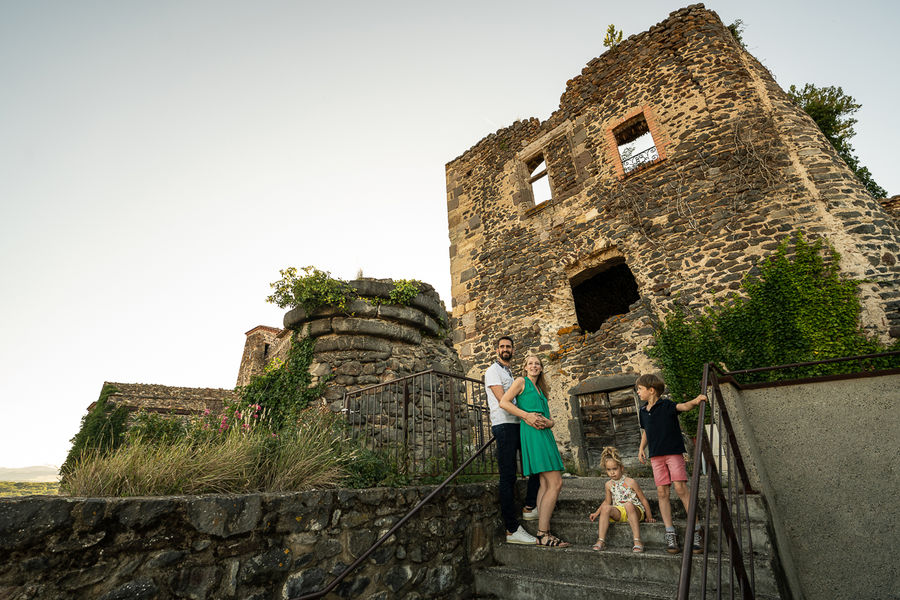
In the heart of the fortified village, rue de l’église Saint-Etienne, visit the Au Chaudron percé workshop to taste a typical medieval beverage : hypocras (by appointment). En route to Issoire, stop off at Domaine de Parpasset to fill up on red fruits at La saveur des fruits rouges : coulis, vinegars, jams, syrups, sweet cookies and fruit jellies.
Stage 4 : Issoire, Plus Beaux Détours
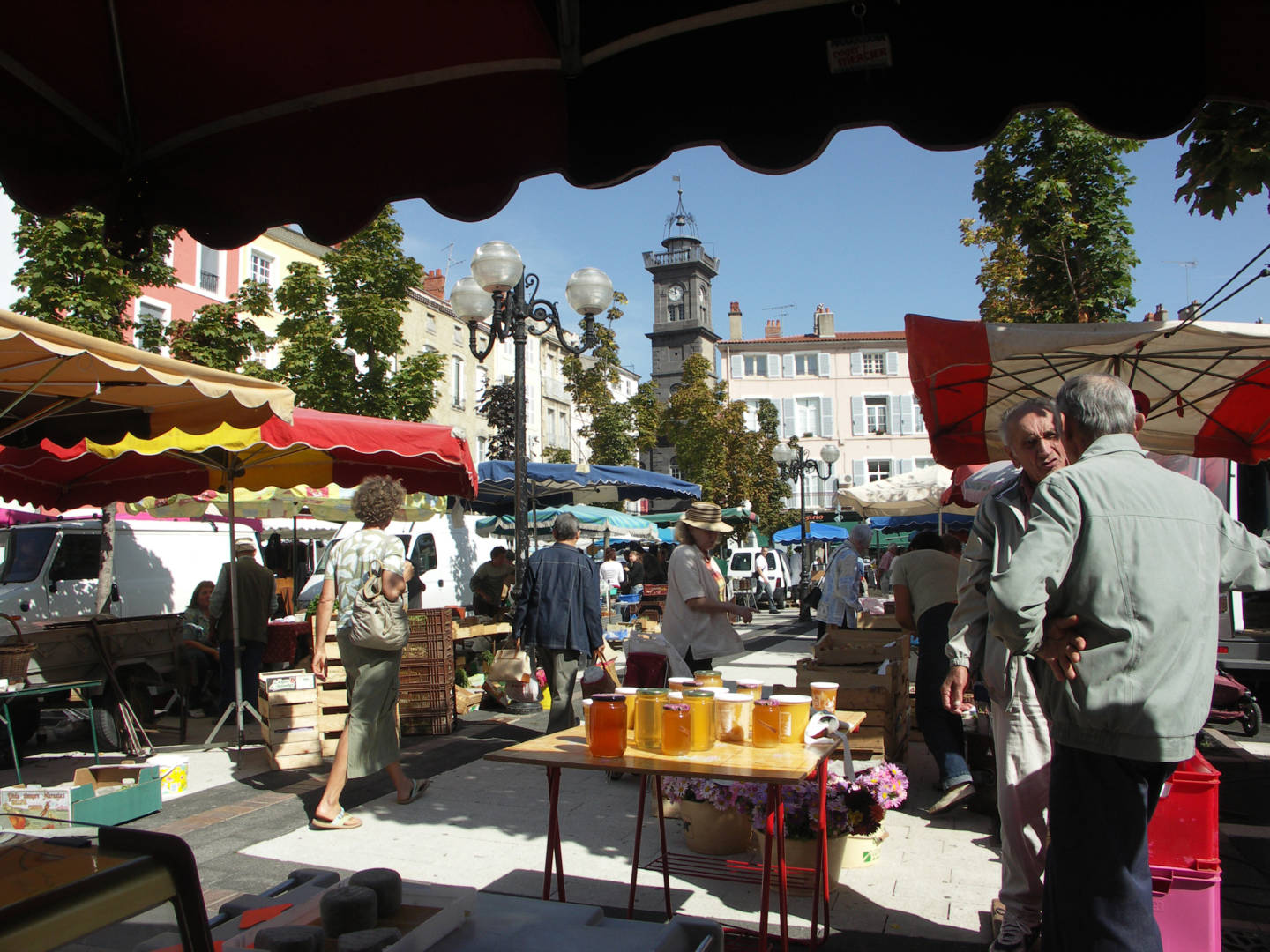
The Issoire market, the second largest in the department, is a must on Saturday mornings. If you can’t make it on a market day, make up for it at the La Paysanne Rit farm store. For epicureans, opt for a gourmet tour of the town center with Balad’O’Papilles. Don’t leave without Issoire’s specialties : l’Yssoirien cheese from the Houlbert cheese dairy, le Suprême d’Issoire pastries from the La Couronne d’Arthur bakery, Pavés d’Issoire chocolates from the Cyril Devessier pastry shop and Chez Mylo chocolates flocked with Issoire monuments.
Stage 5 : Montpeyroux
In the heart of Montpeyroux, one of France’s most beautiful villages, visit the Les Chemins de l’arkose estate, named after the blond rock quarried in the village. Explanation of winemaking, discovery of organic farming, tasting. Meet at chemin de Fontnouvelle, rue de la moulerette.
Stage 6 : Neschers
Take a break under the arbour of the Domaine Miolanne wine bar, facing the vineyards.
During the summer months, Laure and Jean-Baptiste will be delighted to serve you a selection of local cheeses and charcuterie. The estate is farmed organically on volcanic soil. To match the wines you’ve bought at the estate with a local cheese, head to Ferme des Prés Pommiers, a goat farm where the milk is transformed directly into bricks or crottins.
Stage 7 : Champeix
Discover this village, classified as a “Petites Cités de caractère” and “Cité jardin”, as well as the Beerarium microbrewery. 10 route de Montaigut is a must for any lover of artisanal beers.
Stage 8 : Montaigut and the 140-cellar site
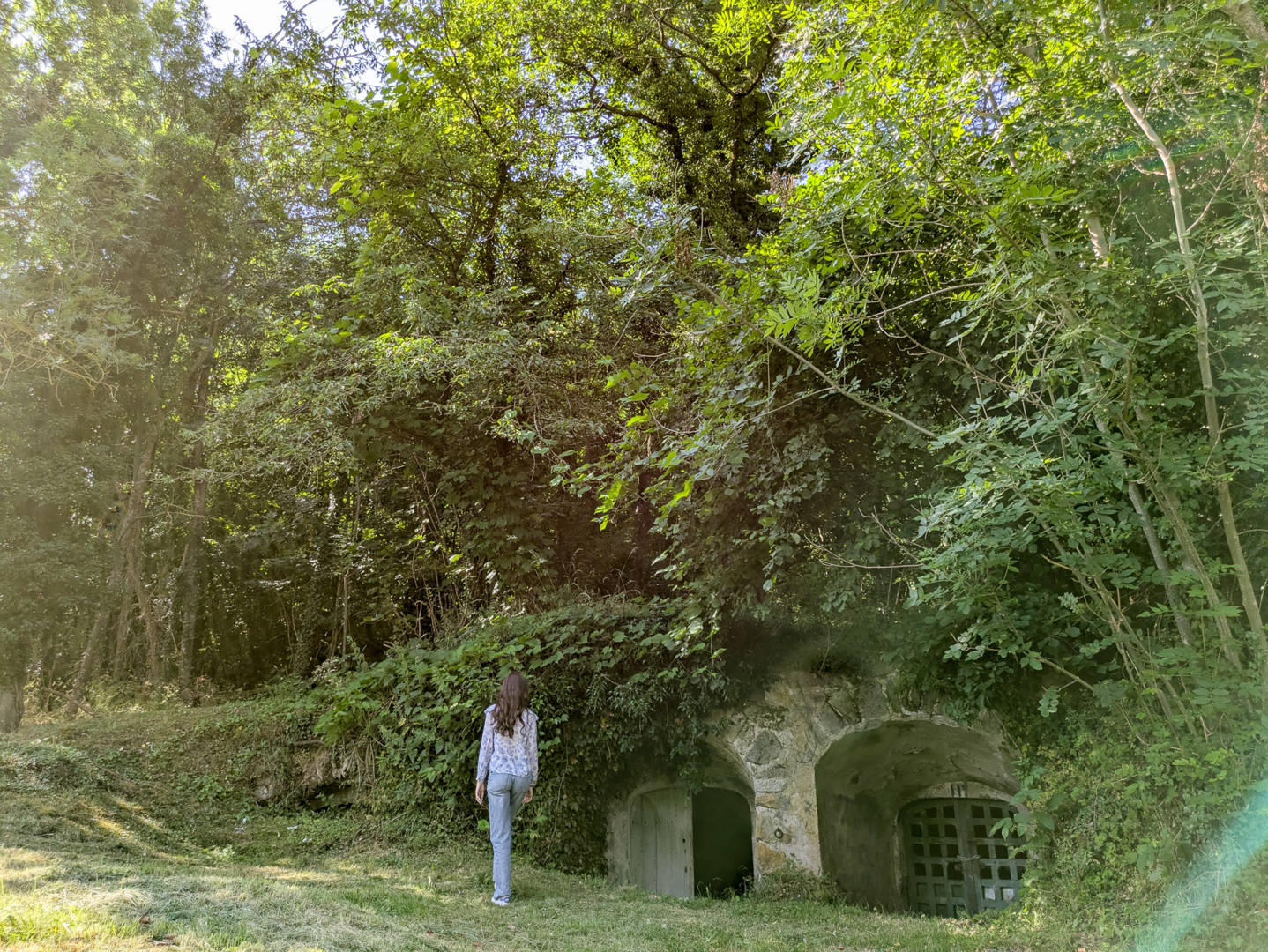
Most of these cellars were built at the end of the 19th century to accommodate the boom in Auvergne’s vineyards. This prosperity came to an abrupt halt at the beginning of the 20th century, when phylloxera hit the vines and the country was hit by the First World War, followed by the rural exodus.
Some of these cellars were eventually converted to the maturing of Saint-nectaire cheese. Today, they offer walkers an unusual stroll along the cellar path. But beware, they are private, so don’t go in ! Go up to the top of the village of Montaigut on the right-hand side of the D639, and taste the farmhouse Saint-nectaire from the GAEC, where milk from the dairy herd is processed and sold directly from the farm.
Stage 9 : Saint-Floret, “Petites Cités de caractère
In the listed village of Saint-Floret, discover two producers. The GAEC du Chastel offers fruit for direct sale and pick-your-own by appointment, chemin des jardins de Noyol. Le Potager de la Couze, rue La Prade, offers free picking of vegetables, fruit, flowers and herbs from June to October, and direct sales from the garden (walnuts, hazelnuts, almonds and squash in autumn and winter). Sale of processed products (walnut oil, hazelnut oil, etc.).
Stage 10 : Mareugheol village fort
Learn to identify and cook wild plants with Herbulathêkê. Workshops on wild cooking, herbalism, creativity and botanical walks.

 Updated on 3 July 2026 by Auvergne Pays d’Issoire