
Tonne of Vines
Cournon-d’Auvergne
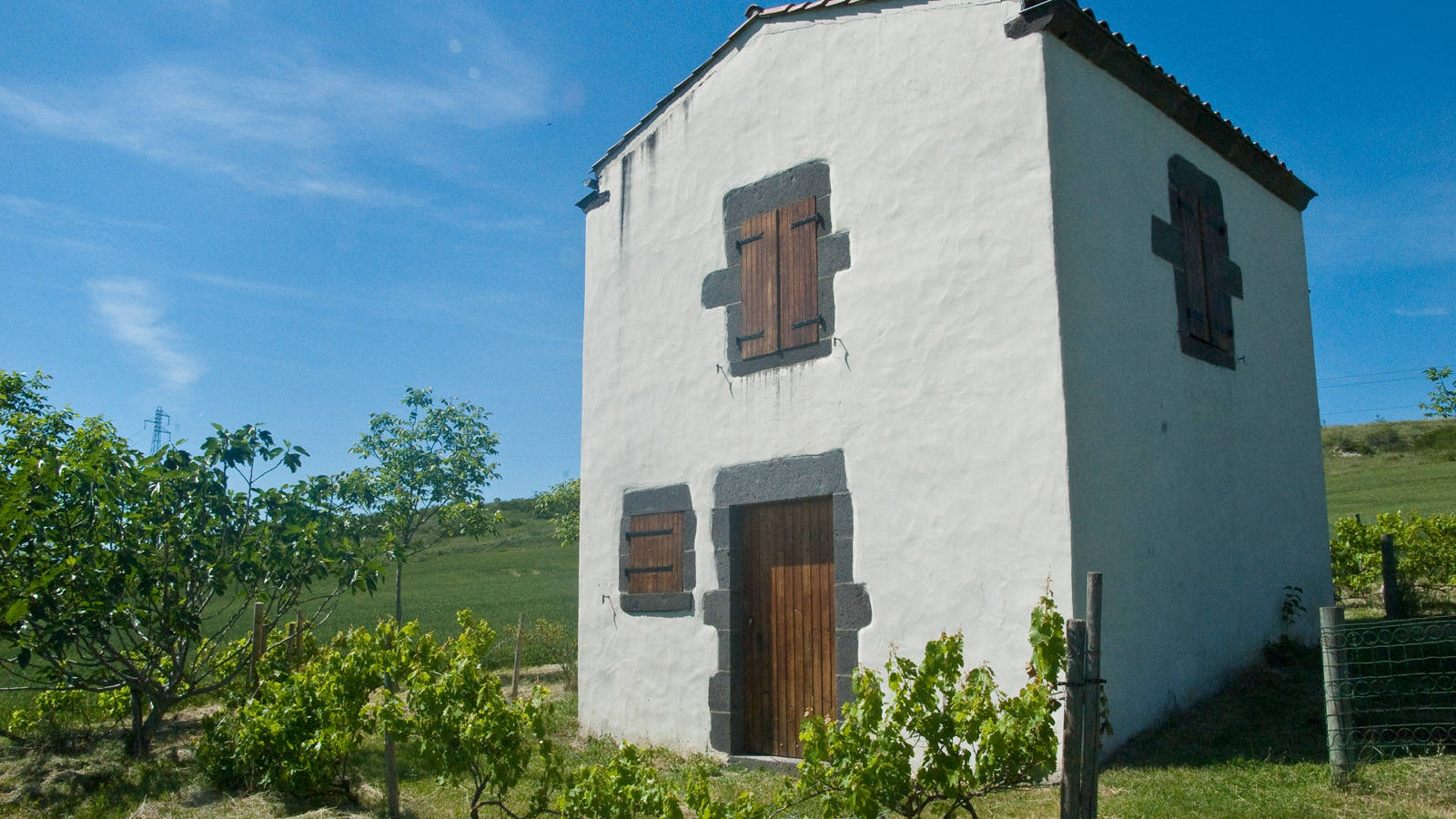
The “tonne” is the local name for this small building built in the middle of the vineyard and used for the vine growing business.Often built on a traditional model, some of them nonetheless have original features.
The “tonne de vigne” is the local term for a small building in the middle of the vineyard, once used to store tools and provide shelter during the harvest. The tonne could also house a vat for storing and fermenting freshly crushed grape must. Some tons have been converted to(…)
Opening hours
All year round daily.
Prices and payment methods
- Free of charge.
Location
You might also like…



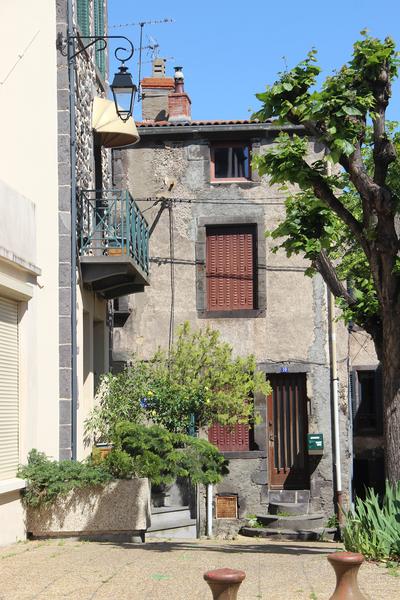
Photo credits : Ville de Cournon-d’Auvegne
 Updated on 12 May 2026 by Clermont Auvergne Volcans