
Saint-Martin Church
Cournon-d’Auvergne
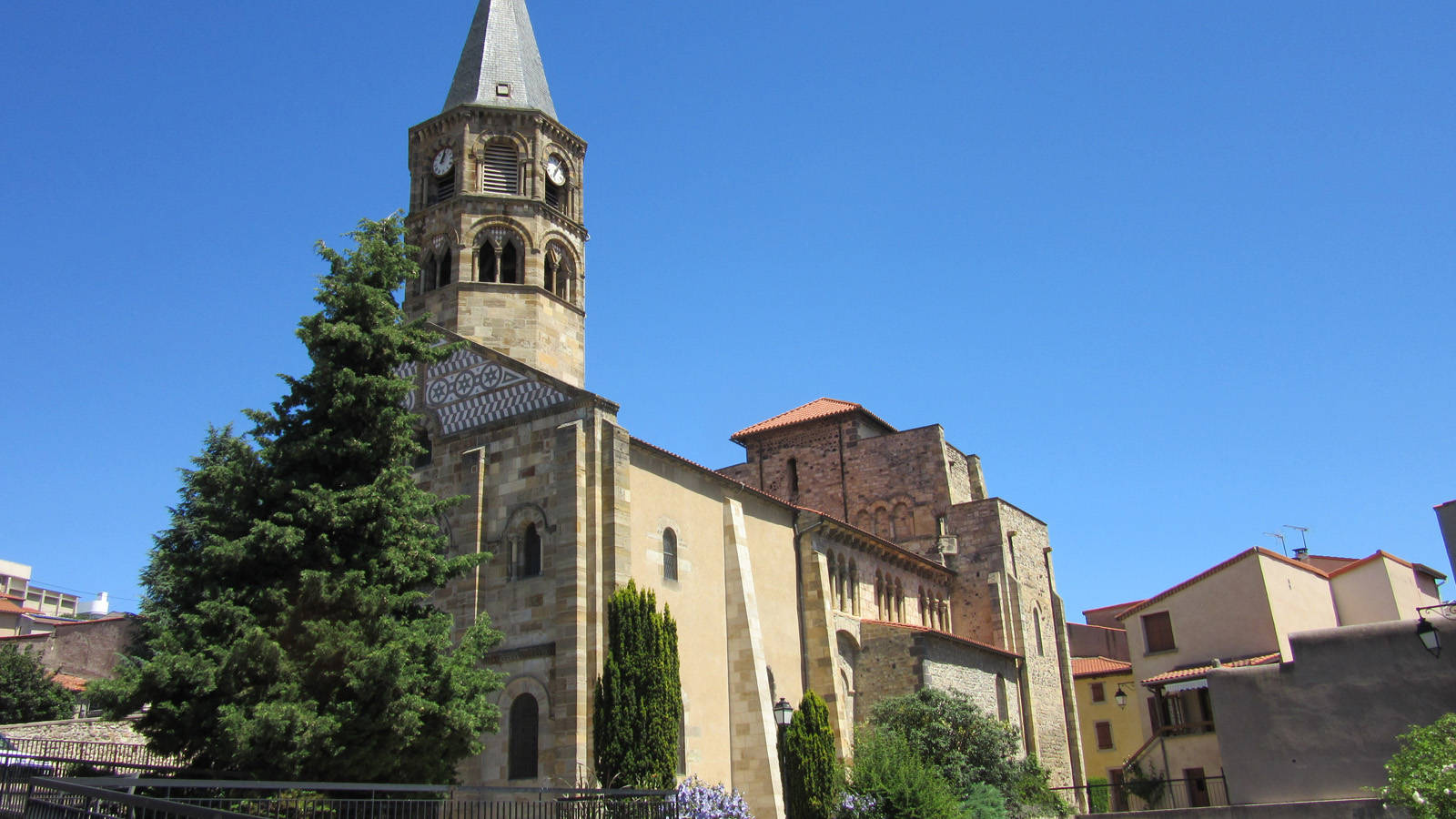
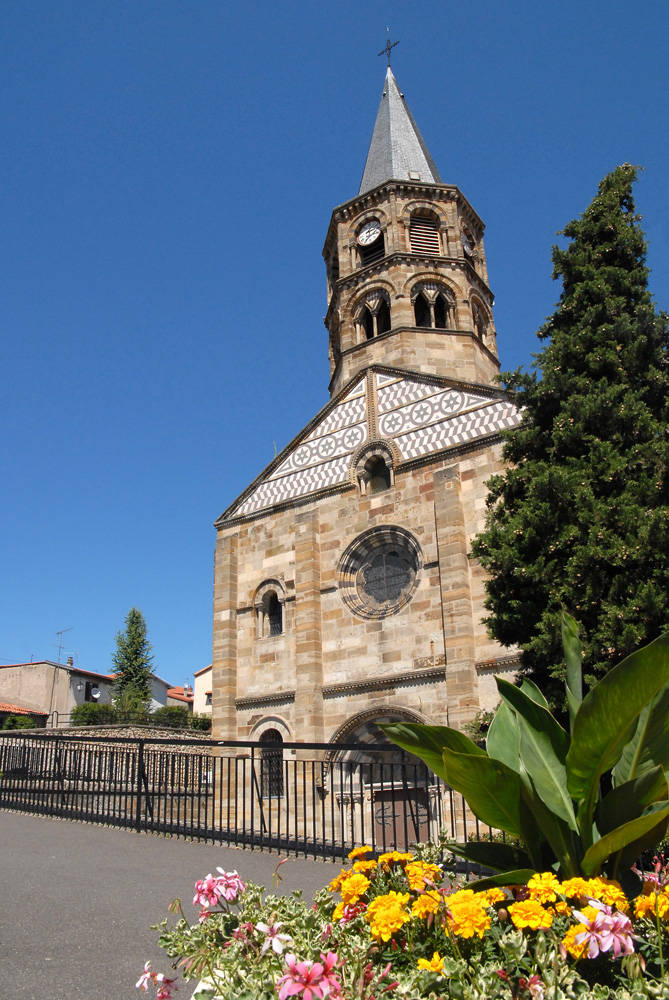
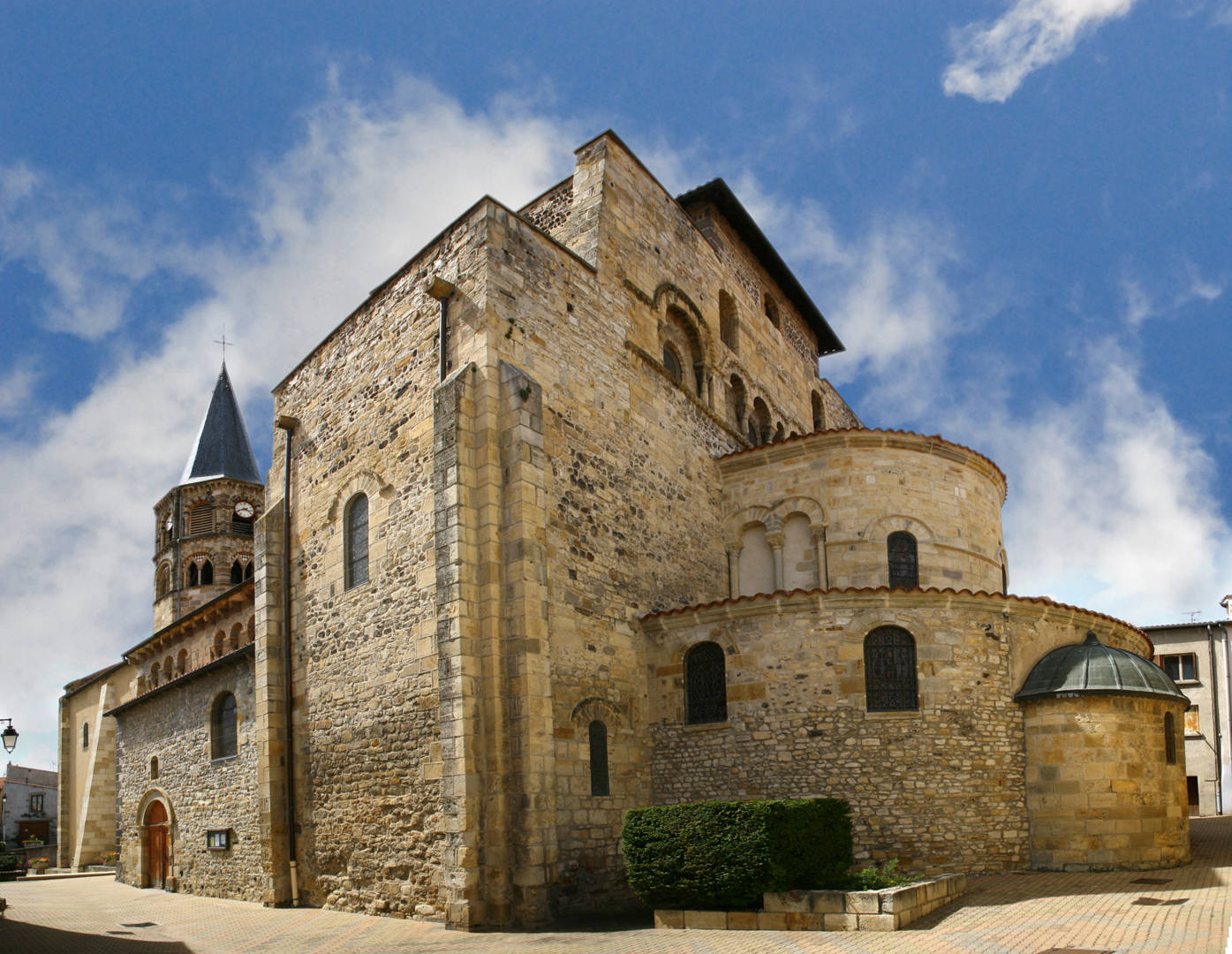
Listed as a historic monument, Église Saint-Martin dates back to the 12th century and illustrates the main features of Romanesque style. It has undergone several restorations which have revealed 14thcentury murals.
Saint-Martin church was built in the 12th century on a site that had long been occupied, notably by an ancient monastery dating back to the 6th century. It coexisted with the church of Saint-Hilaire, destroyed in 1888. Some remains of the Saint-Hilaire church can still be seen on rue Saint-Hilaire.(…)
Opening hours
Exterior visit only
Prices and payment methods
- Free access.
Location
Environnements
Bus stop < 500 m, Close to a public transportation
Accès
Cournon J. Gardet stop, line C.
You might also like…
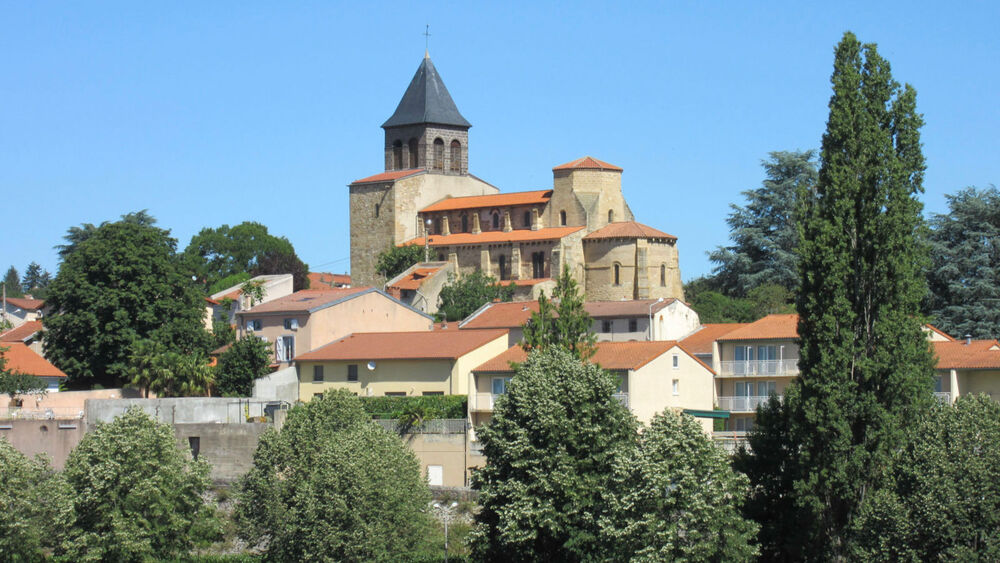
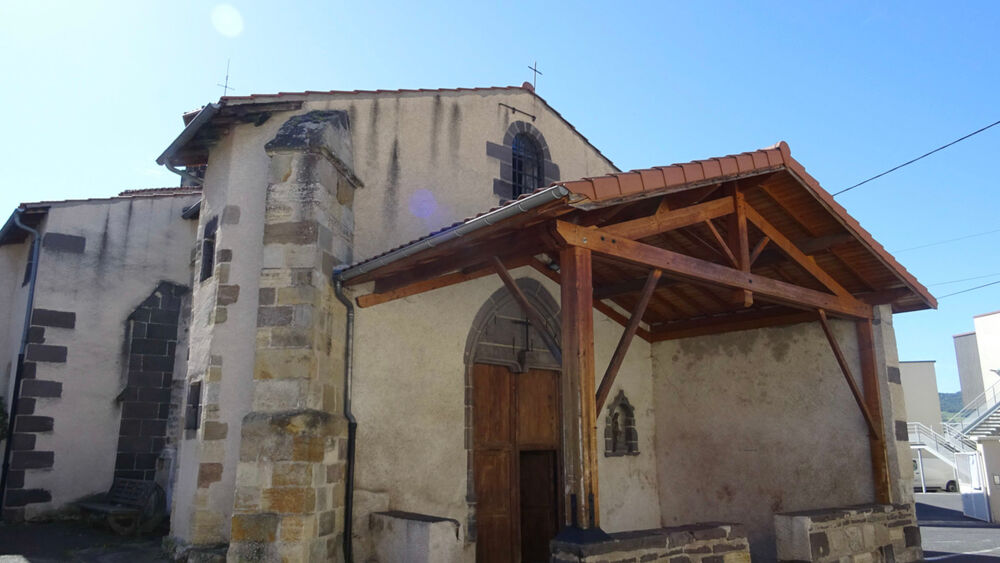

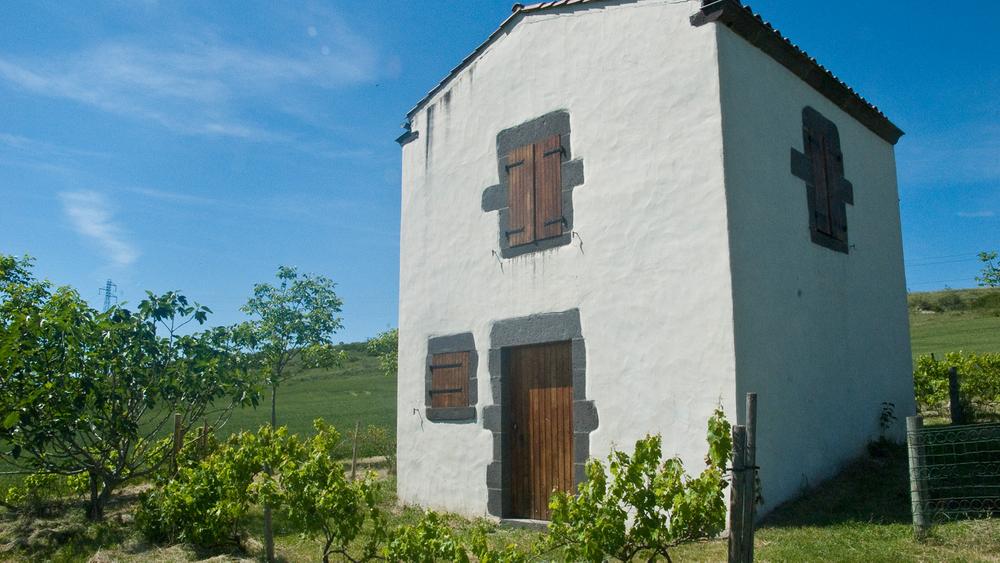
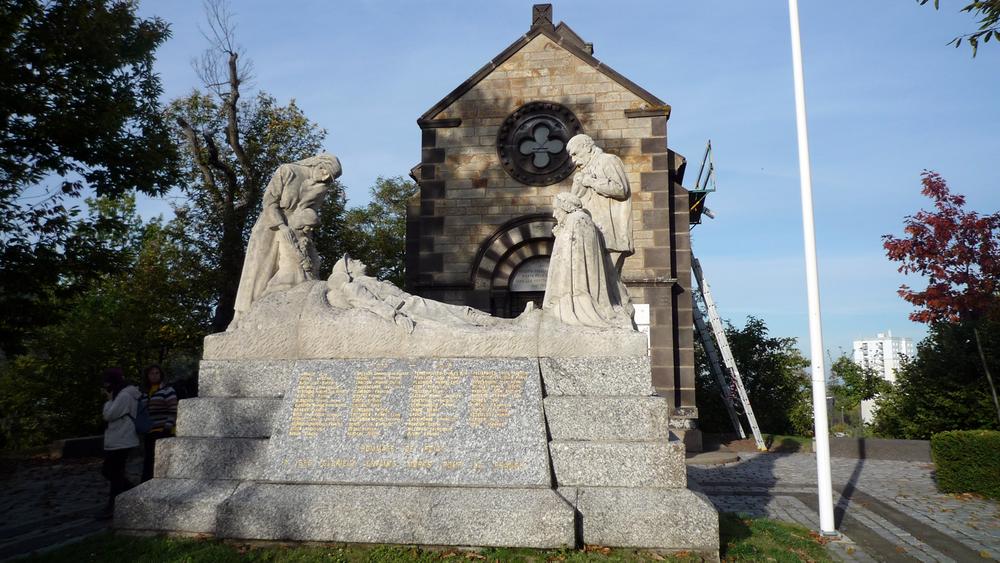
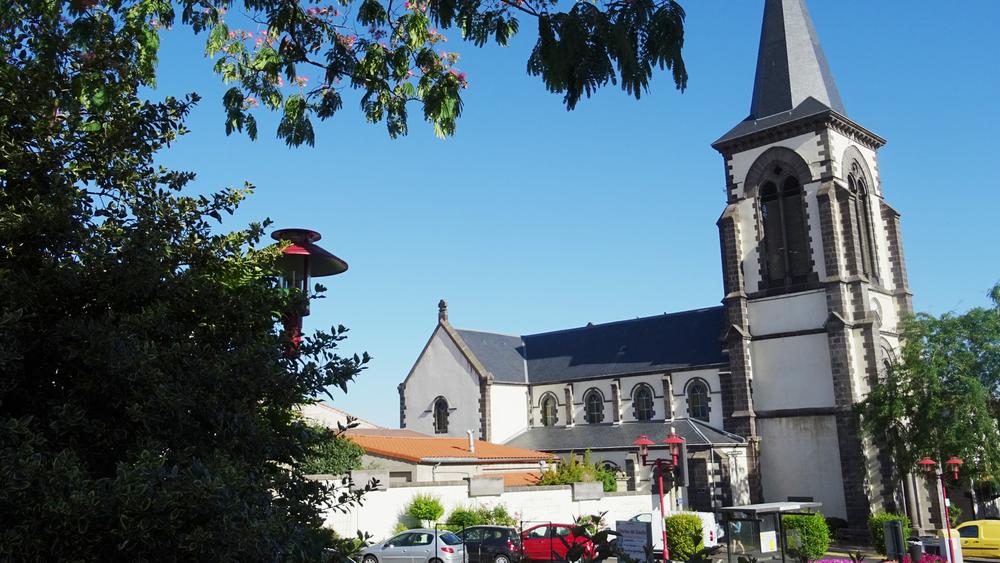
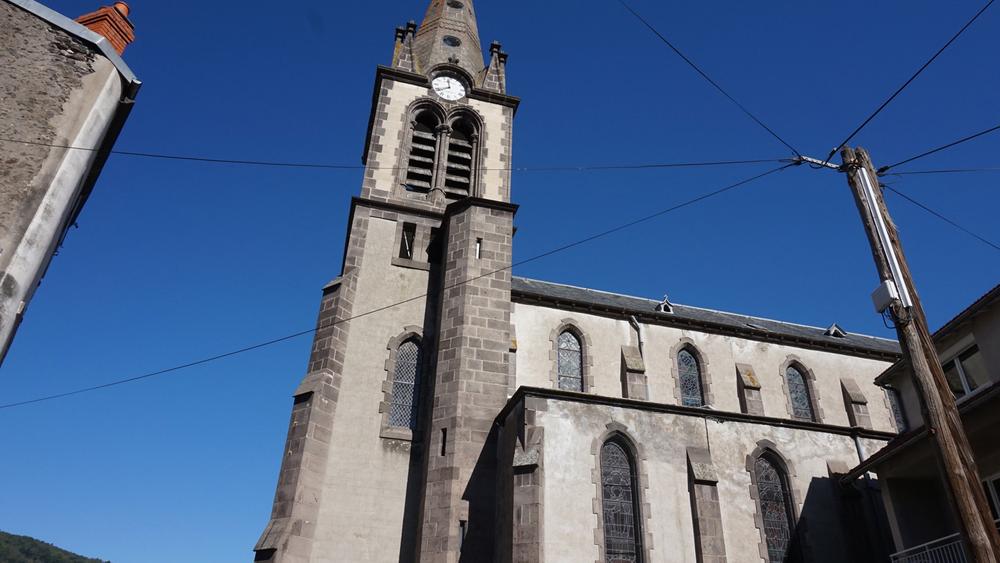
Photo credits : Office de Tourisme Clermont Auvergne Volcans, A.Coskun / Ville de Cournon-d’Auvergne, Ville de Cournon-d’Auvegne
 Updated on 12 May 2026 by Clermont Auvergne Volcans