
Medieval district of Montferrand
Clermont-Ferrand
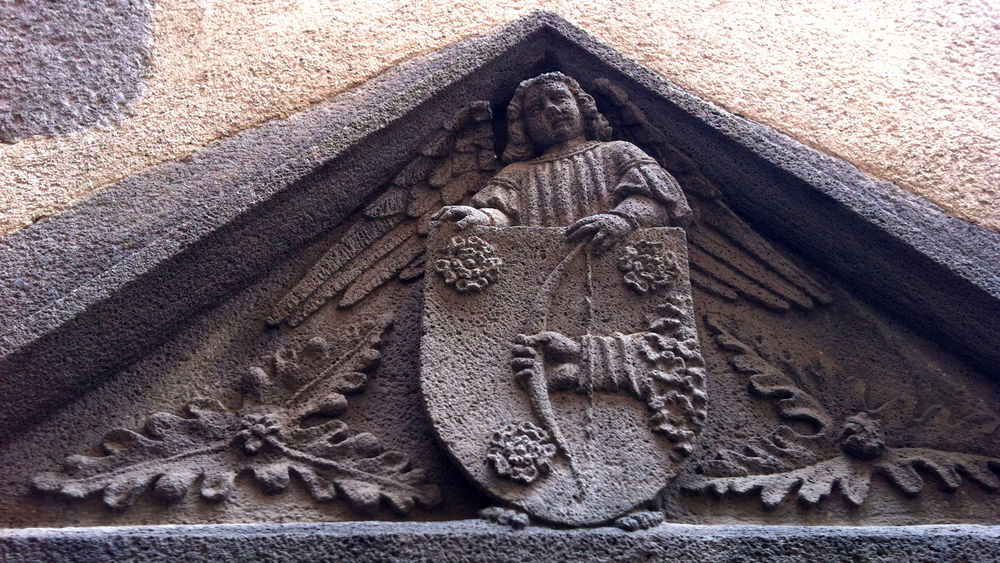
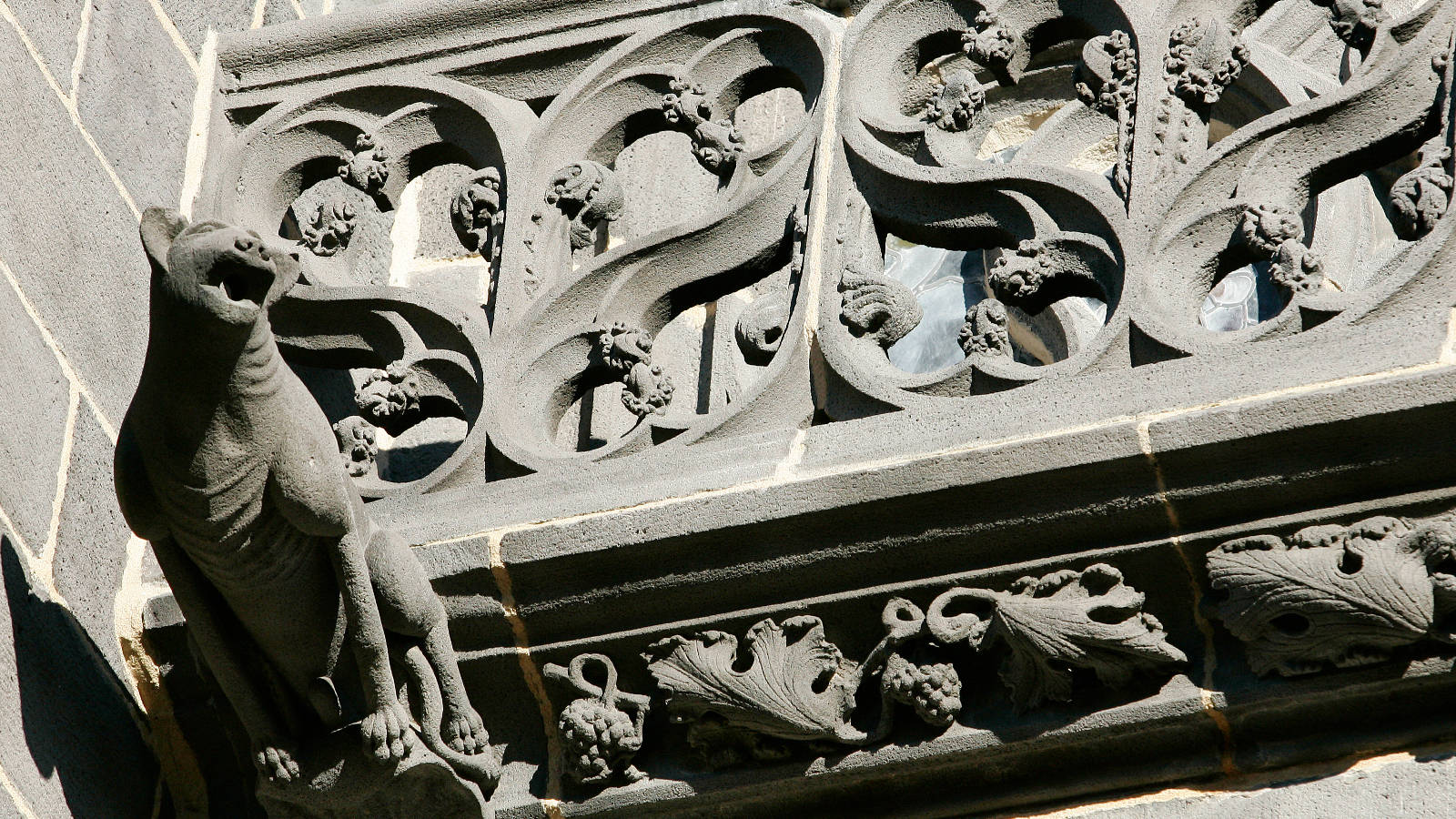
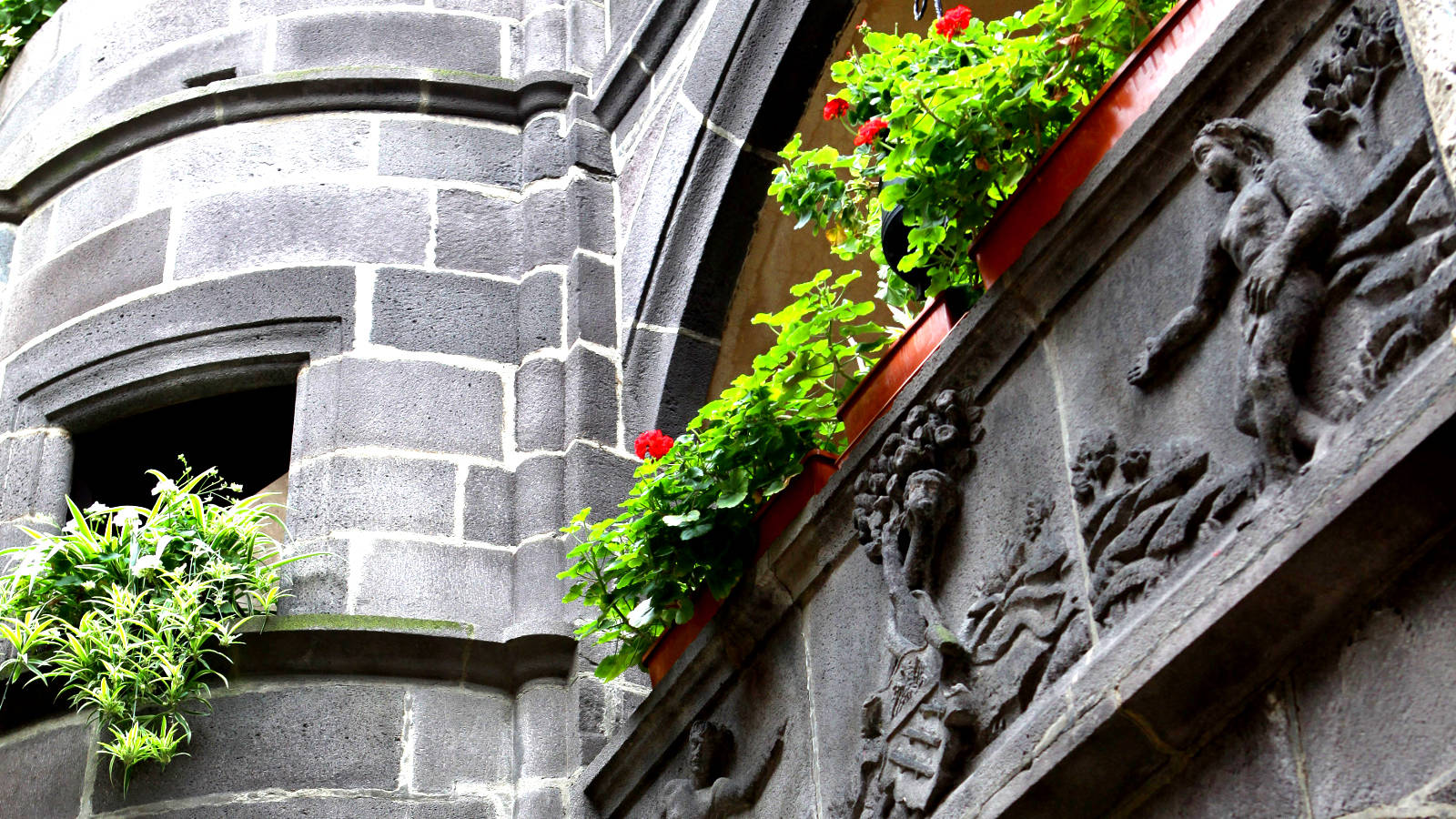
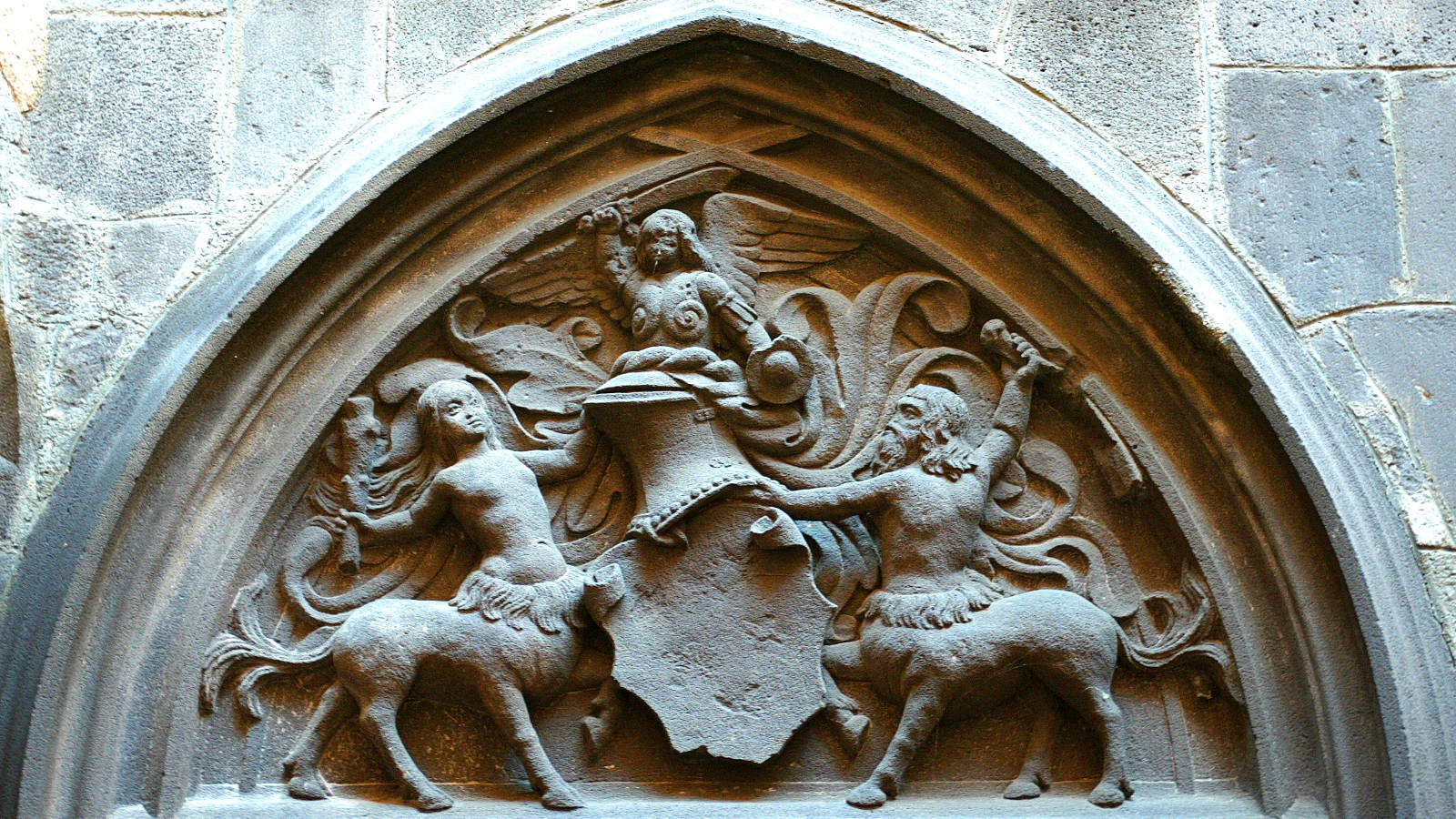
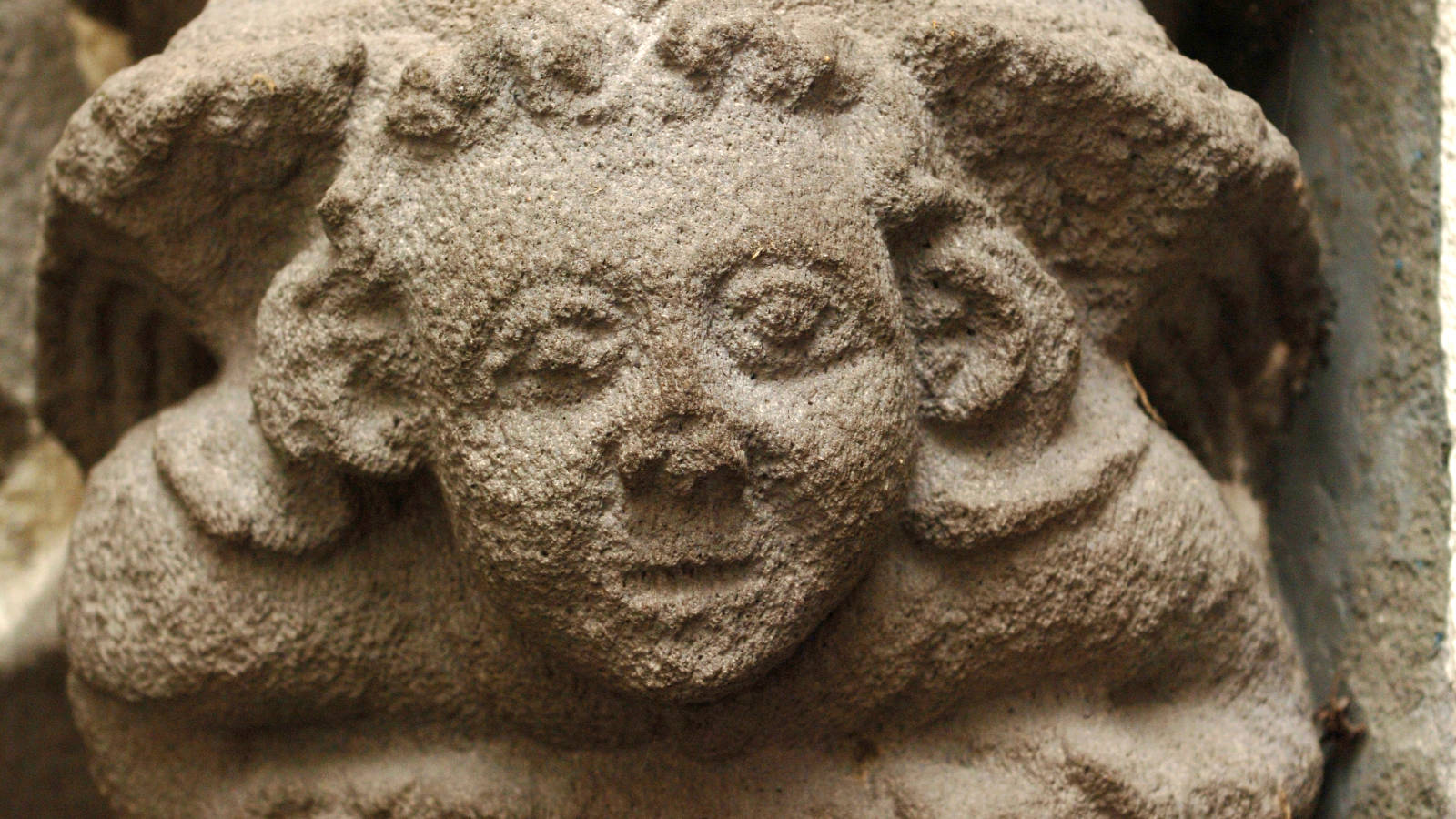
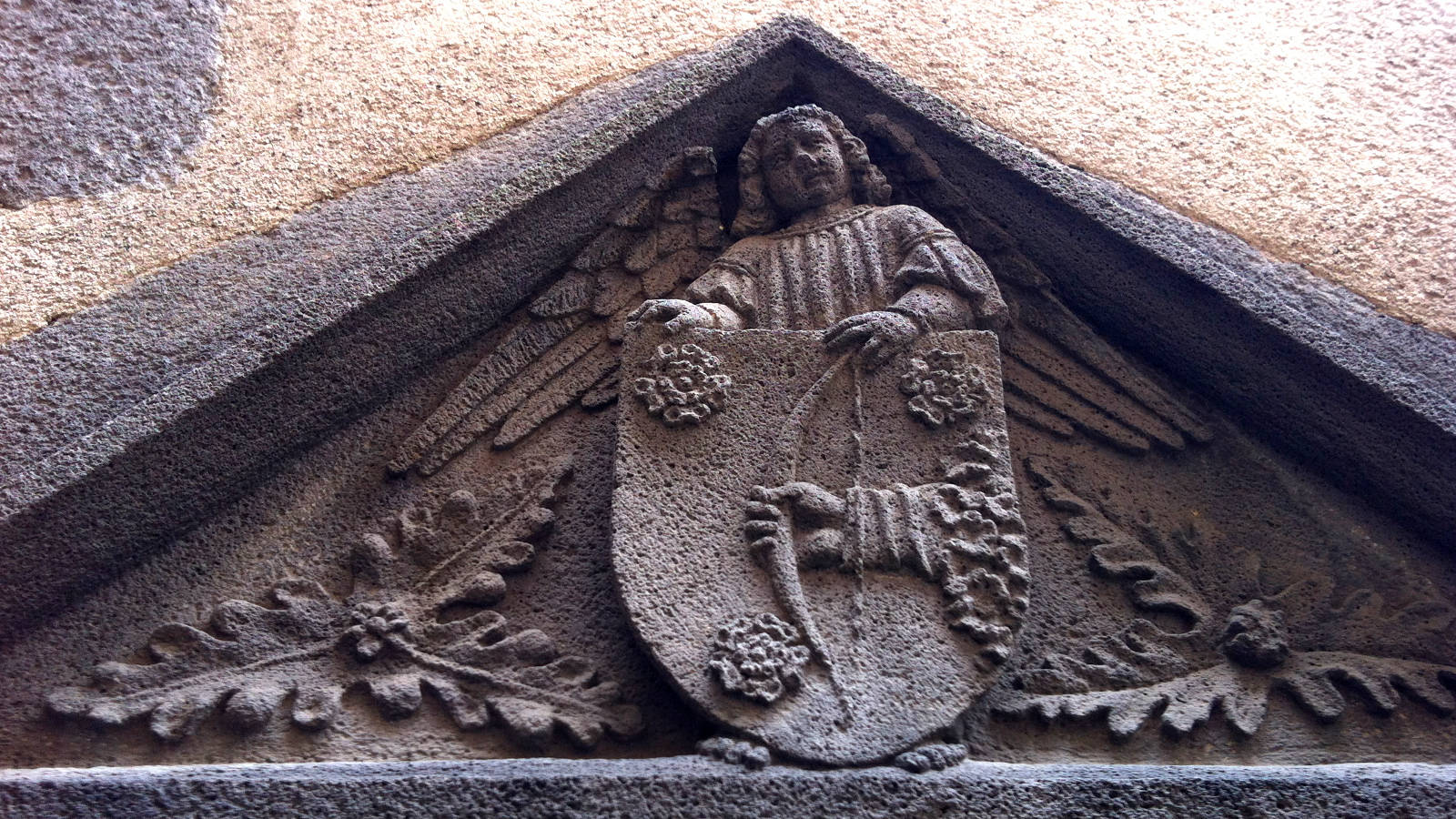
Discover the historic center of Montferrand in Clermont-Ferrand, one of Auvergne’s most remarkable medieval and Renaissance ensembles. Stroll through its unique checkerboard layout, its lava stone mansions and its secrets of history.
Located northeast of Clermont-Ferrand, in the Puy-de-Dôme département, Montferrand’s historic center is one of the richest and best-preserved medieval and Renaissance urban ensembles in the Auvergne-Rhône-Alpes region.
Founded ex nihilo around 1120 by Count Guillaume VI of Auvergne to compete with the episcopal city of Clermont, Montferrand was an(…)
Opening hours
All year round daily.
Prices and payment methods
- Free access.
Comfort, facilities and services
- Parking nearby
Location
Environnements
Close to a public transportation, Bus stop < 500 m, Tram station < 500 m
Accès
Bus T2C, Montferrand Fontaine stop, Tram A and C-Vélo station nearby. Musée d’Art Roger-Quilliot” stop, Tram line A and bus lines 20, 21, 25, 31, 33, C-Vélo station.
You might also like…
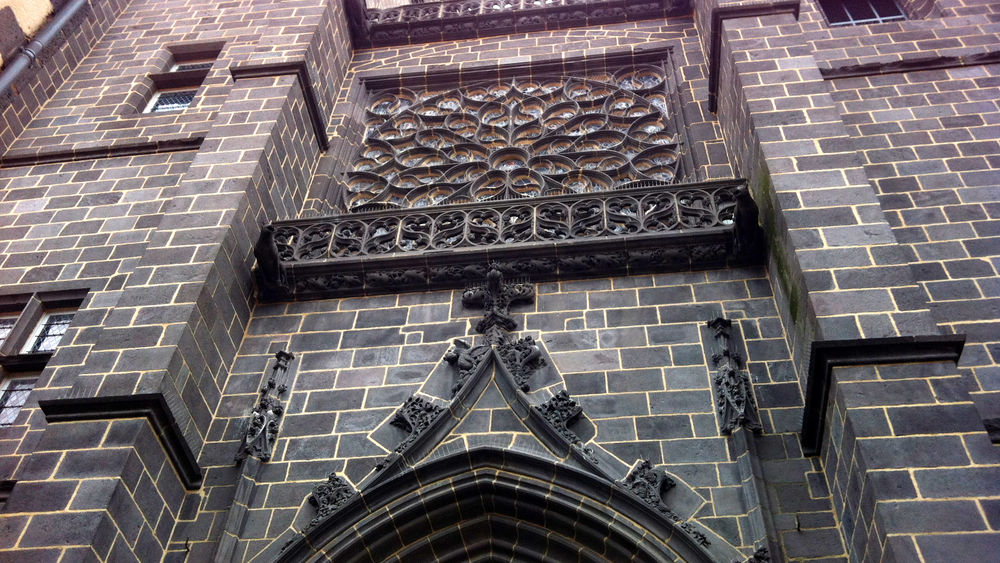
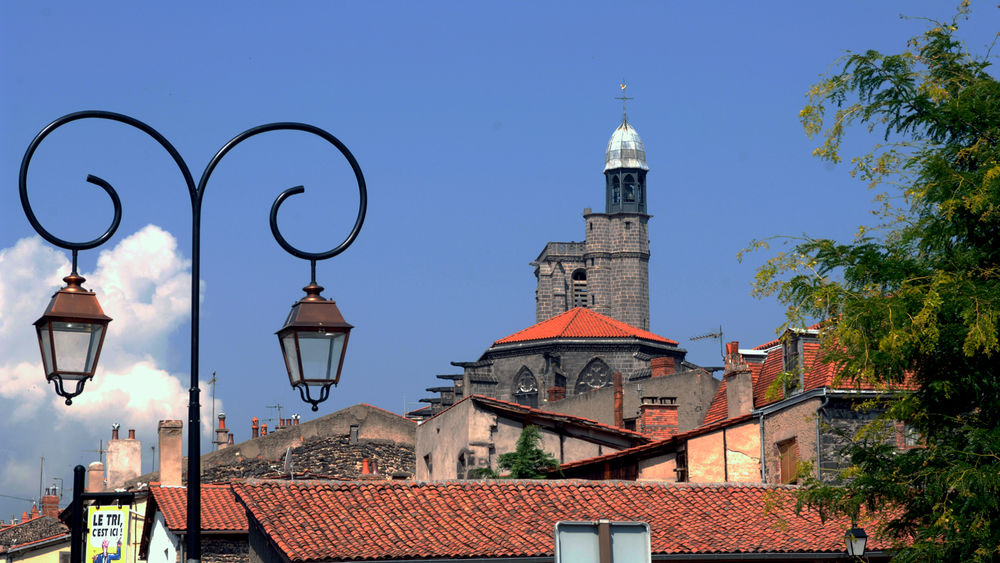
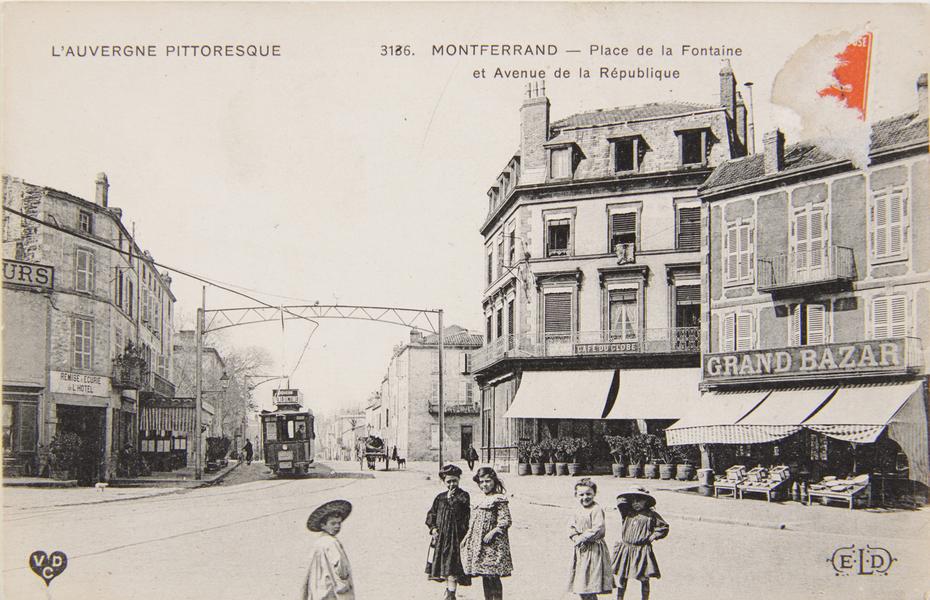
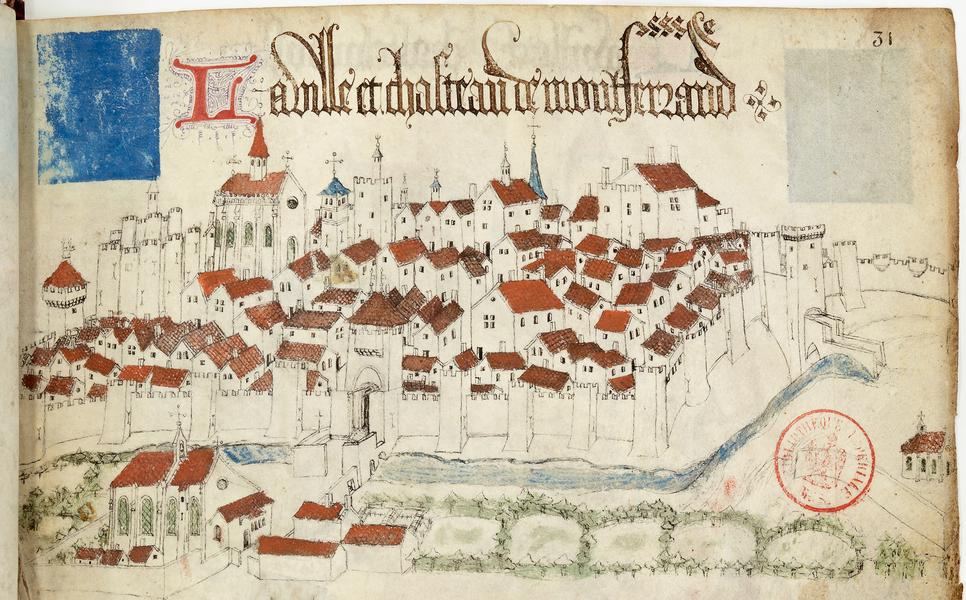
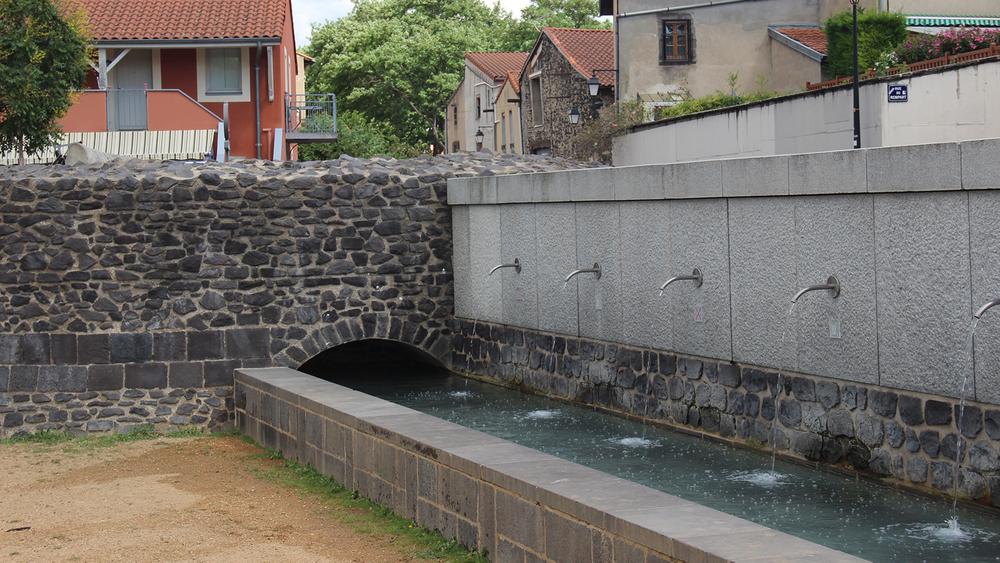
Photo credits : clermont auvergne tourisme, clermont auvergne tourisme, clermont auvergne tourisme, clermont auvergne tourisme, clermont auvergne tourisme
 Updated on 28 May 2026 by Clermont Auvergne Volcans