
Place de la Fontaine, Montferrand
Clermont-Ferrand
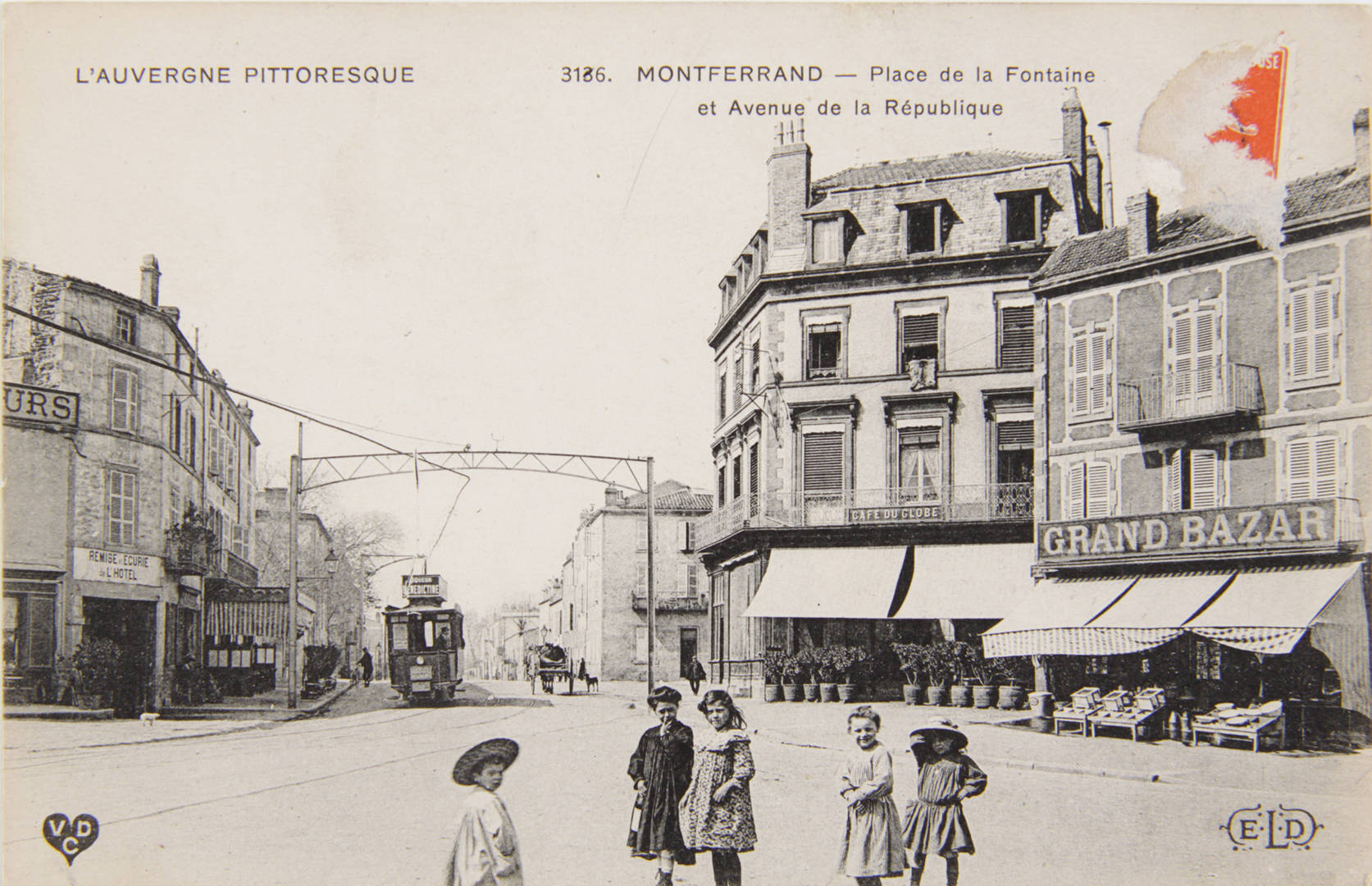
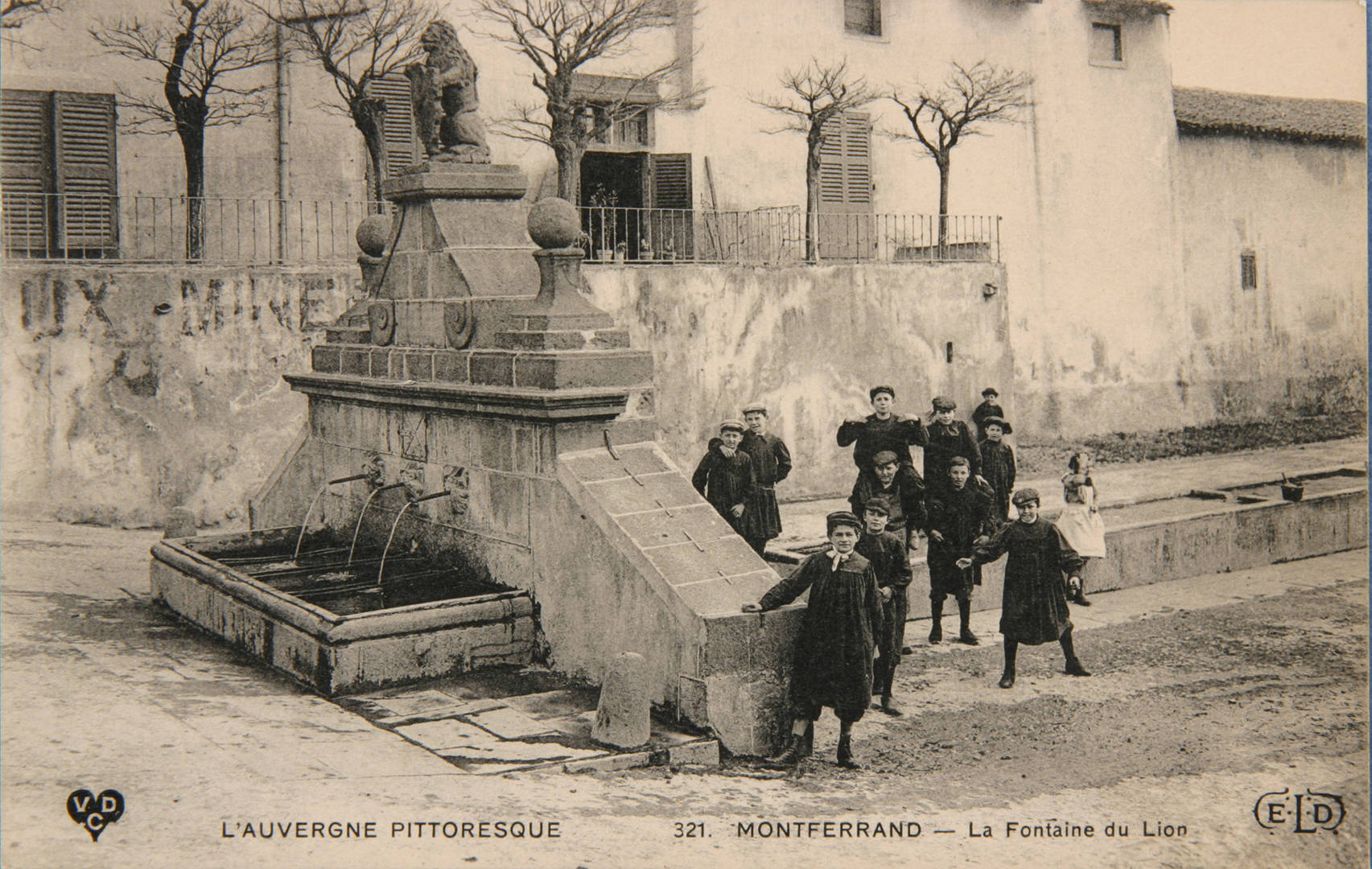
Located at the southern entrance to the medieval town, Place de la Fontaine recalls the arrival of running water in Montferrand in the 17th century. A place of passage, it was also the stage for the famous “White Mules” cavalcade in 1814.
This square now forms the main entrance to the medieval town. It lies just south of the former Porte de l’Hôpital, which opened onto the road to Languedoc. The adjoining city hall incorporates an interior courtyard framed by galleries over porticoes, a remnant of the former 18th-century hospital.
Until(…)
Spoken languages
Opening hours
All year round daily between 8 am and 6 pm.
(including Sundays and public holidays).
Prices and payment methods
- Free of charge.
Comfort, facilities and services
- Parking nearby
Location
Environnements
Close to a public transportation, Tram station < 500 m
Accès
By streetcar : Montferrand La Fontaine or Musée d’art Roger Quilliot stop, line A
You might also like…
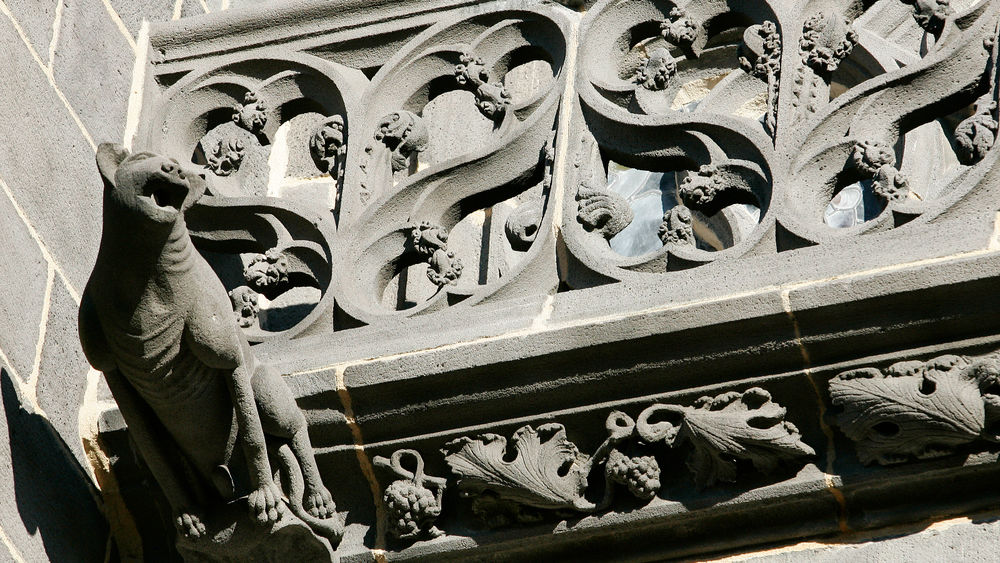
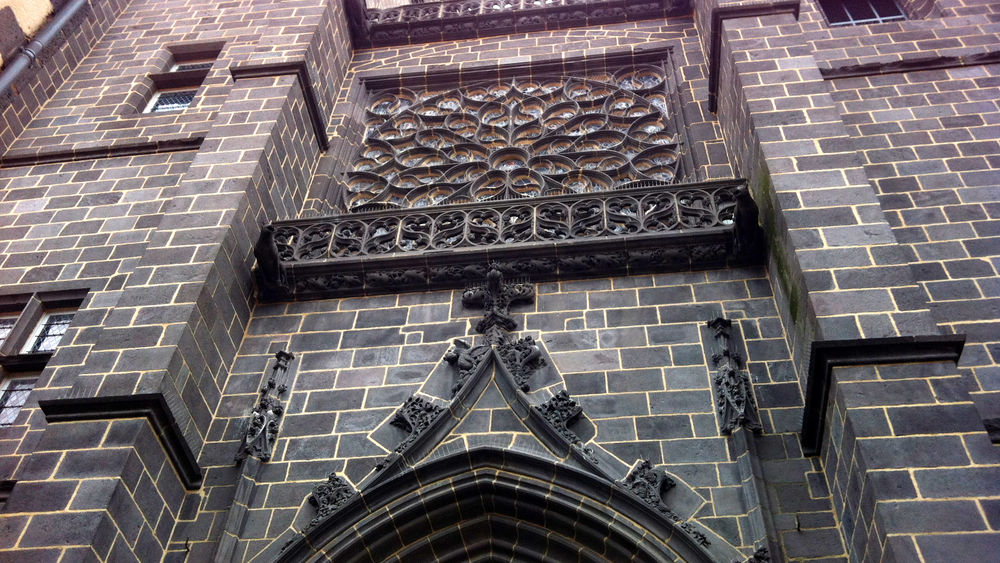
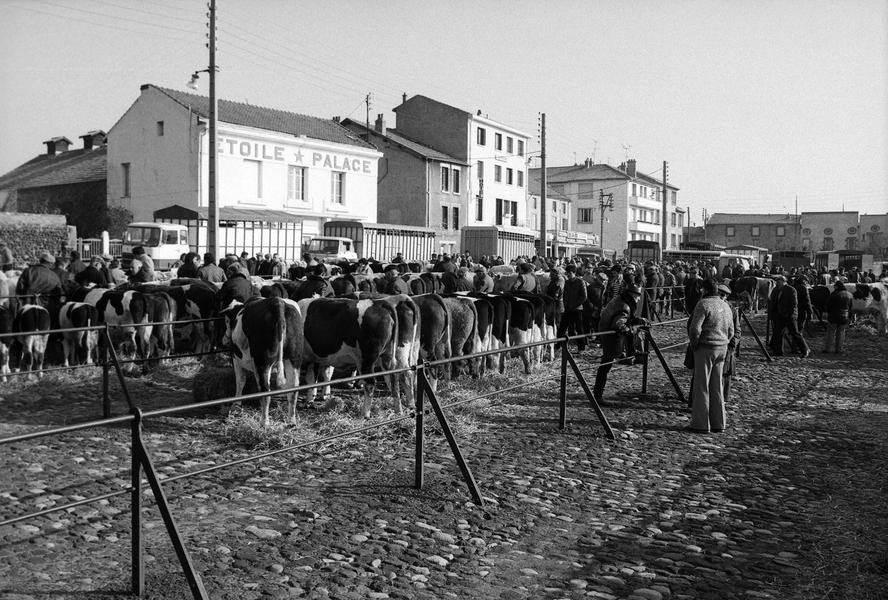
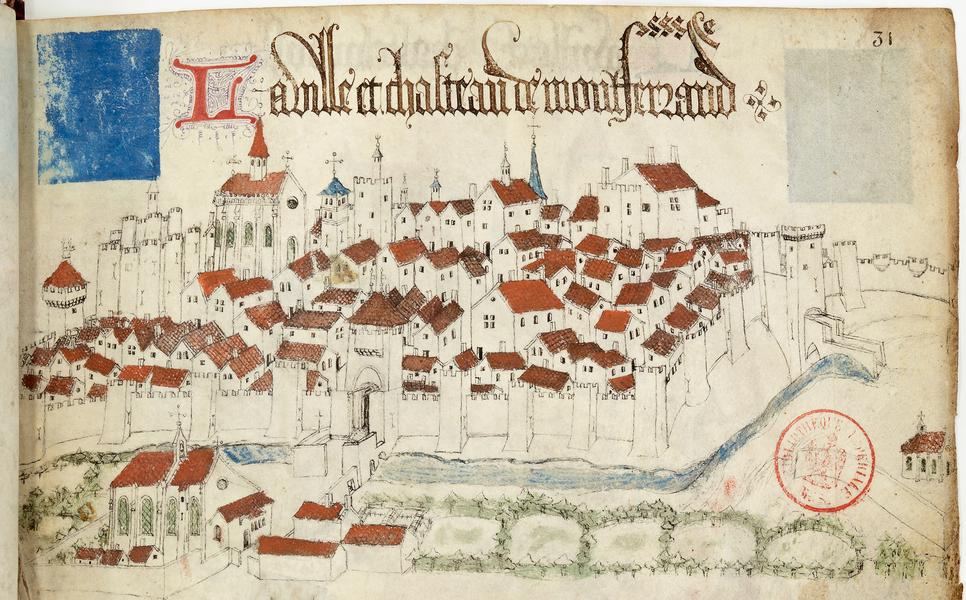
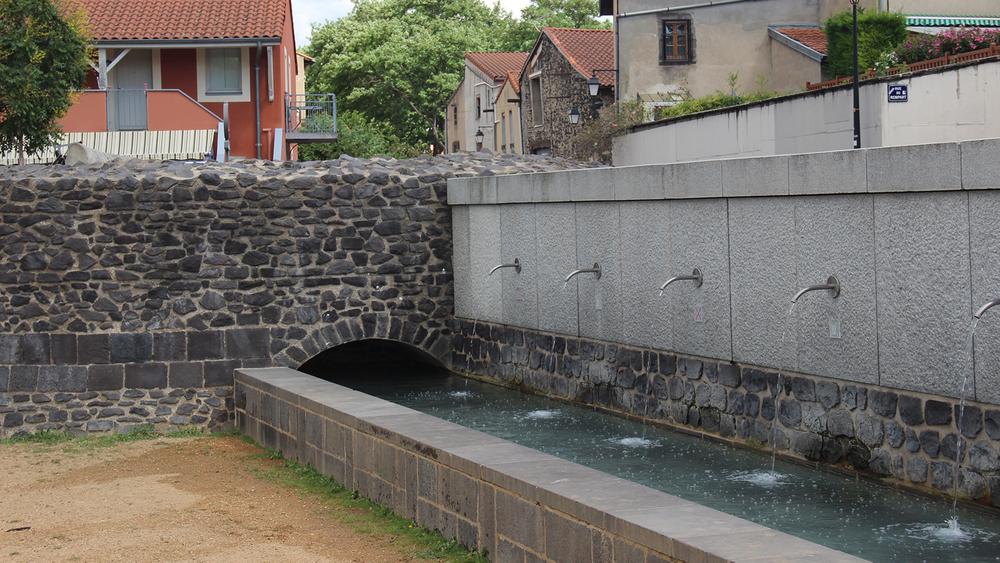
Photo credits : Photothèque63 – TOUS DROITS RÉSERVÉS, Photothèque63 – TOUS DROITS RÉSERVÉS
 Updated on 12 May 2026 by Clermont Auvergne Volcans