
Porte de Bise in Montferrand
Clermont-Ferrand
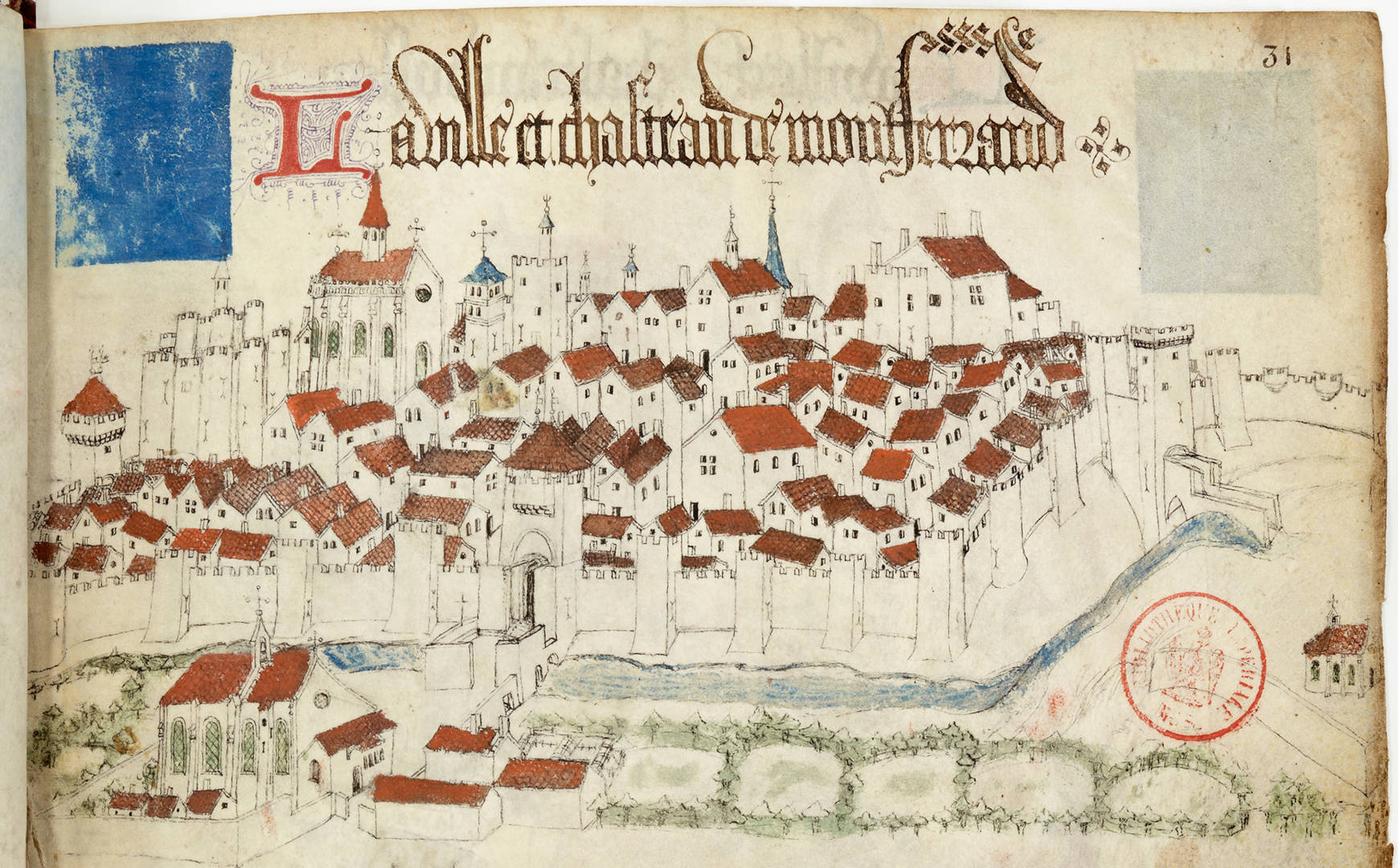
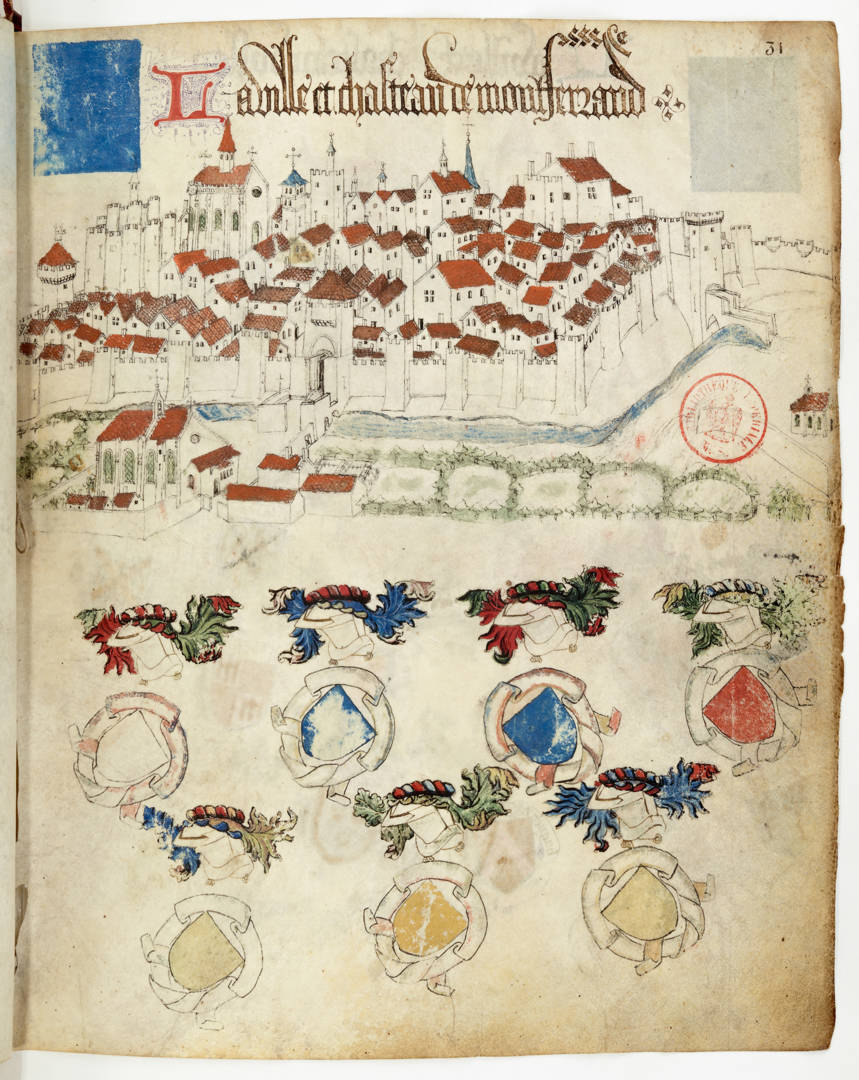
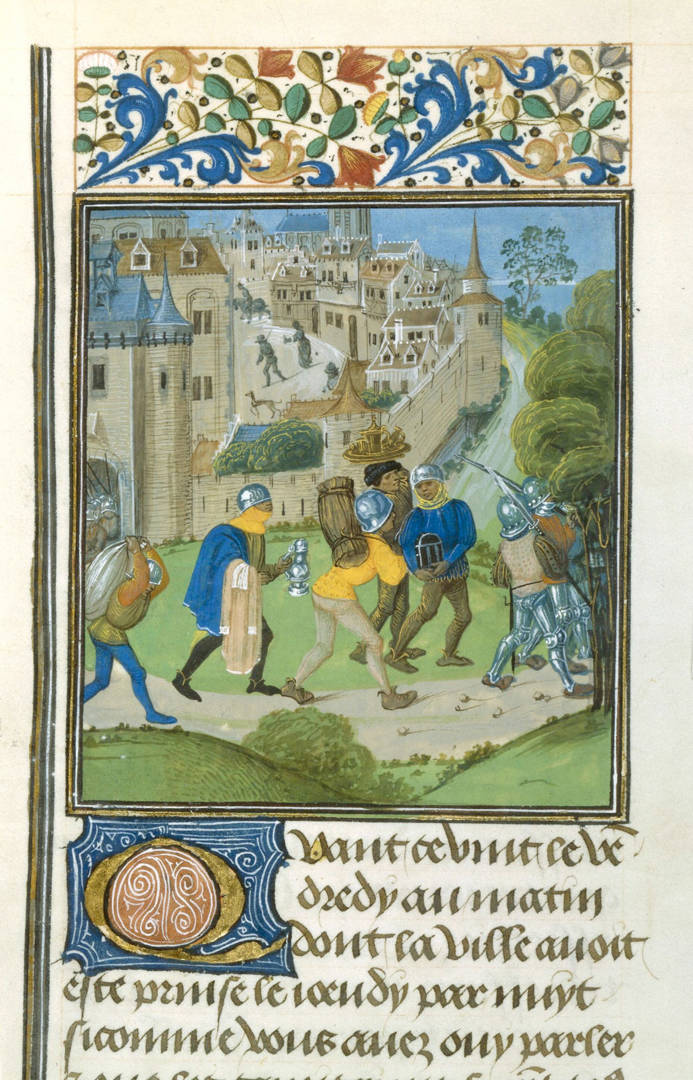
To the north of Montferrand, the Bise Gate controlled access to the town from Paris. Built in the 13th century, it formed part of a vast defensive enceinte, 900 metres of which have recently been uncovered and restored.
From its founding around 1120, Montferrand needed defensive walls to protect itself from its rival, Clermont. With the growth of the merchant town and the envy provoked by its wealthy inhabitants, a new enceinte was built in the early 13th century. Stretching 1,700 metres, it encircled all the districts.
Spoken languages
Opening hours
All year round daily between 8 am and 6 pm.
(including Sundays and public holidays).
Prices and payment methods
- Free of charge.
Comfort, facilities and services
- Parking nearby
Location
Environnements
Close to a public transportation, Tram station < 500 m
Accès
By streetcar : Montferrand La Fontaine or Musée d’art Roger Quilliot stop, line A
You might also like…
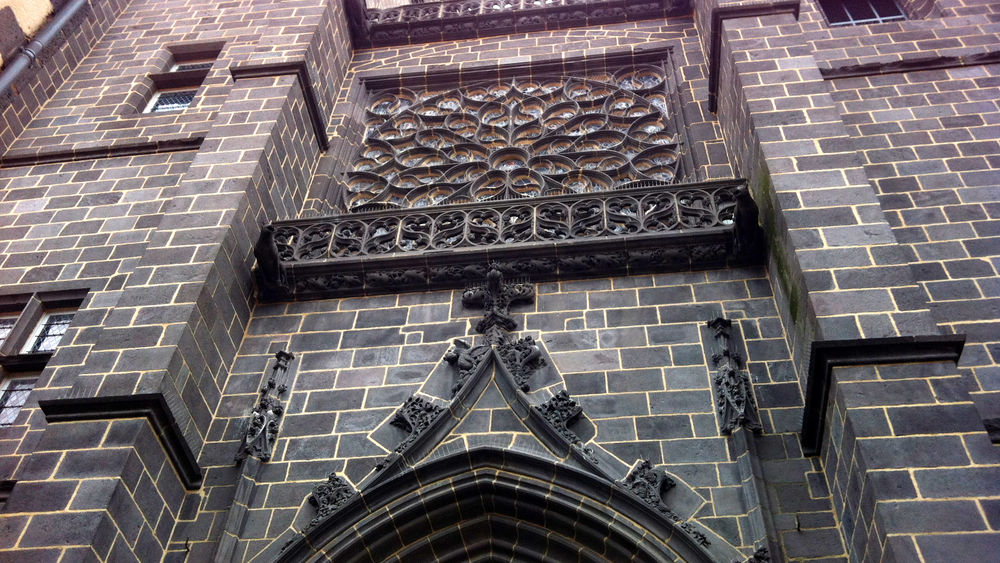
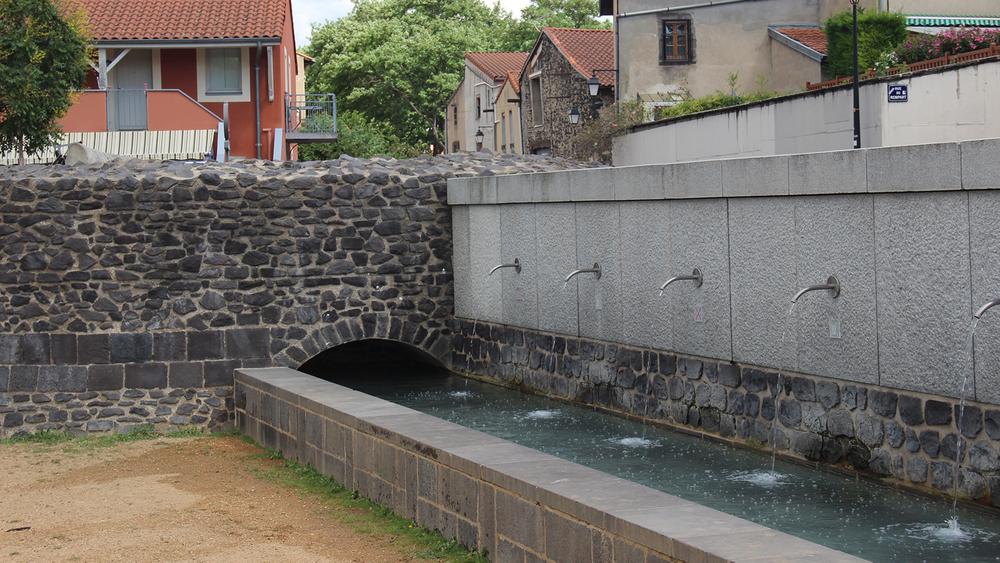
Photo credits : Bibliothèque Nationale de France, Bibliothèque Nationale de France, Bibliothèque Nationale de France
 Updated on 28 May 2026 by Clermont Auvergne Volcans