
Water inlet tower at Montferrand
Clermont-Ferrand
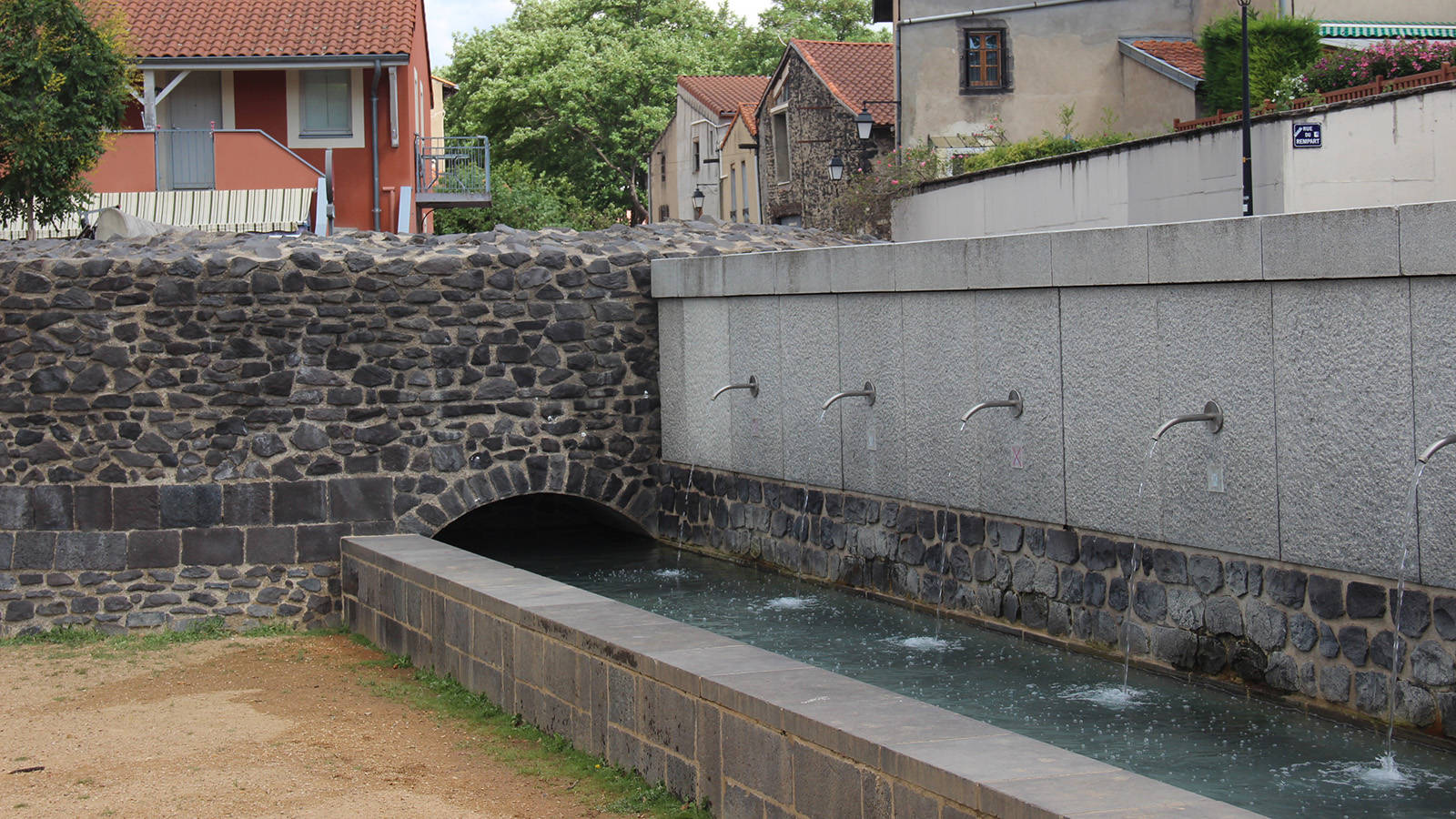
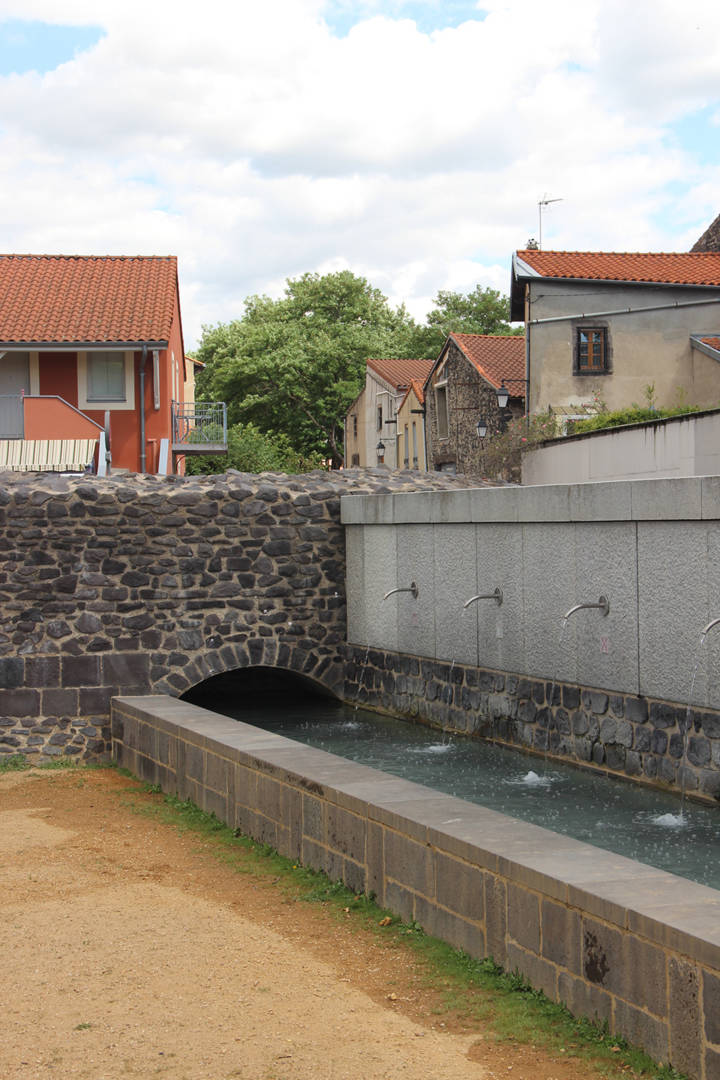
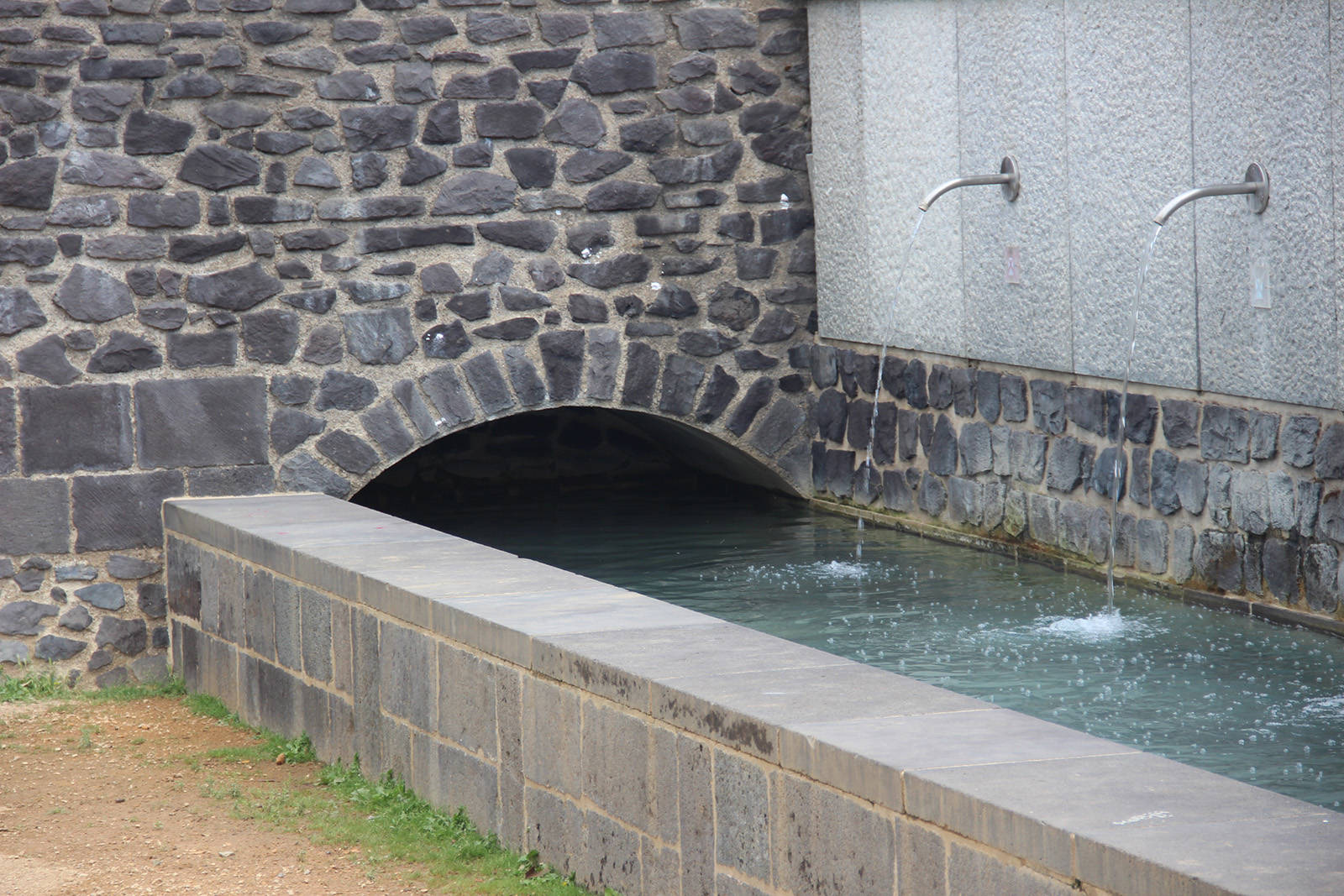
The water entry tower, located at the highest point of Montferrand, controlled the arrival of the diverted Tiretaine stream. This ingenious system fed mills and workshops, guaranteeing flour and resources in spite of sieges.
The Entrée de l’Eau tower was not the most imposing, but it was undoubtedly the most strategic in the medieval town. Originally, the butte de Montferrand was surrounded by two streams flowing from the Tiretaine. In the 13th century, Montferranders diverted the northern stream to force it to enter the(…)
Spoken languages
Opening hours
All year round daily between 8 am and 6 pm.
(including Sundays and public holidays).
Prices and payment methods
- Free of charge.
Comfort, facilities and services
- Parking nearby
Location
Environnements
Close to a public transportation, Tram station < 500 m
Accès
By streetcar : Montferrand La Fontaine or Musée d’art Roger Quilliot stop, line A
You might also like…
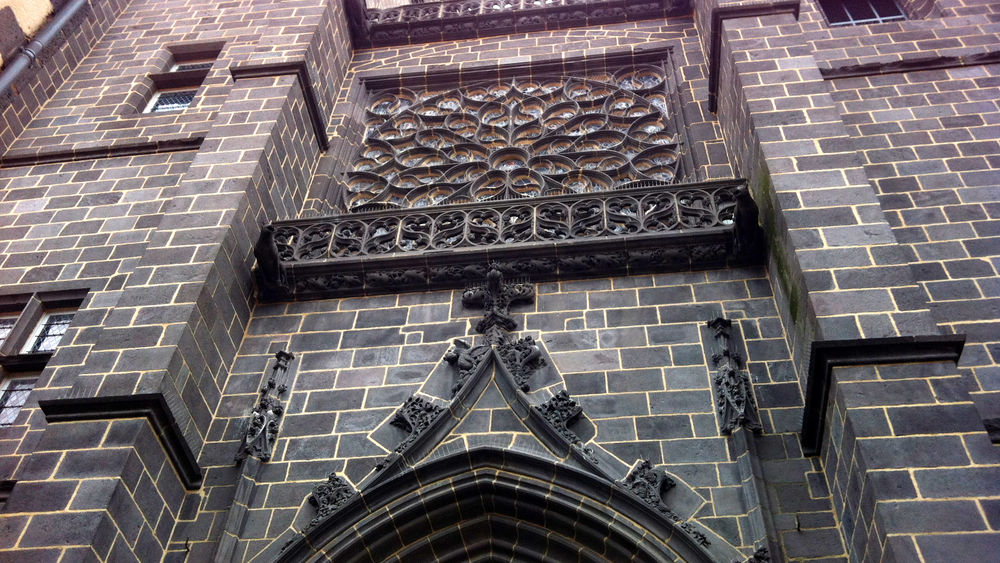
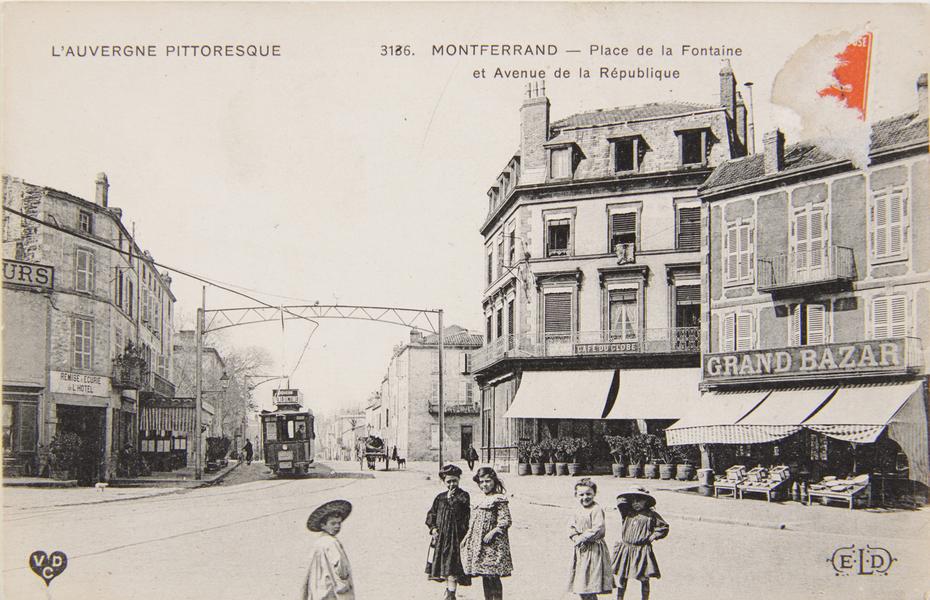
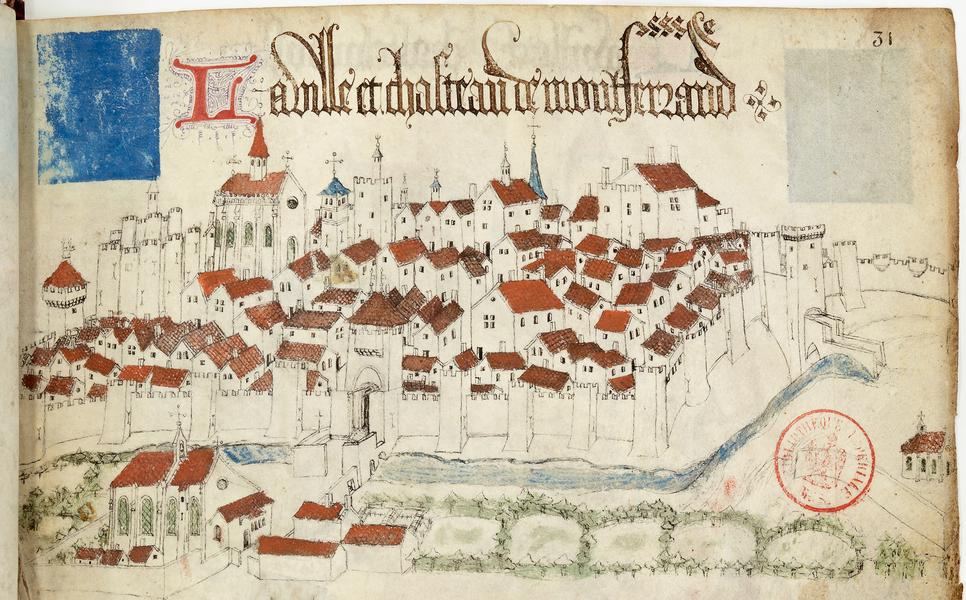
Photo credits : Clermont Auvergne Métropole, Clermont Auvergne Métropole, Clermont Auvergne Métropole
 Updated on 12 May 2026 by Clermont Auvergne Volcans