
Notre-Dame Church
Chamalières
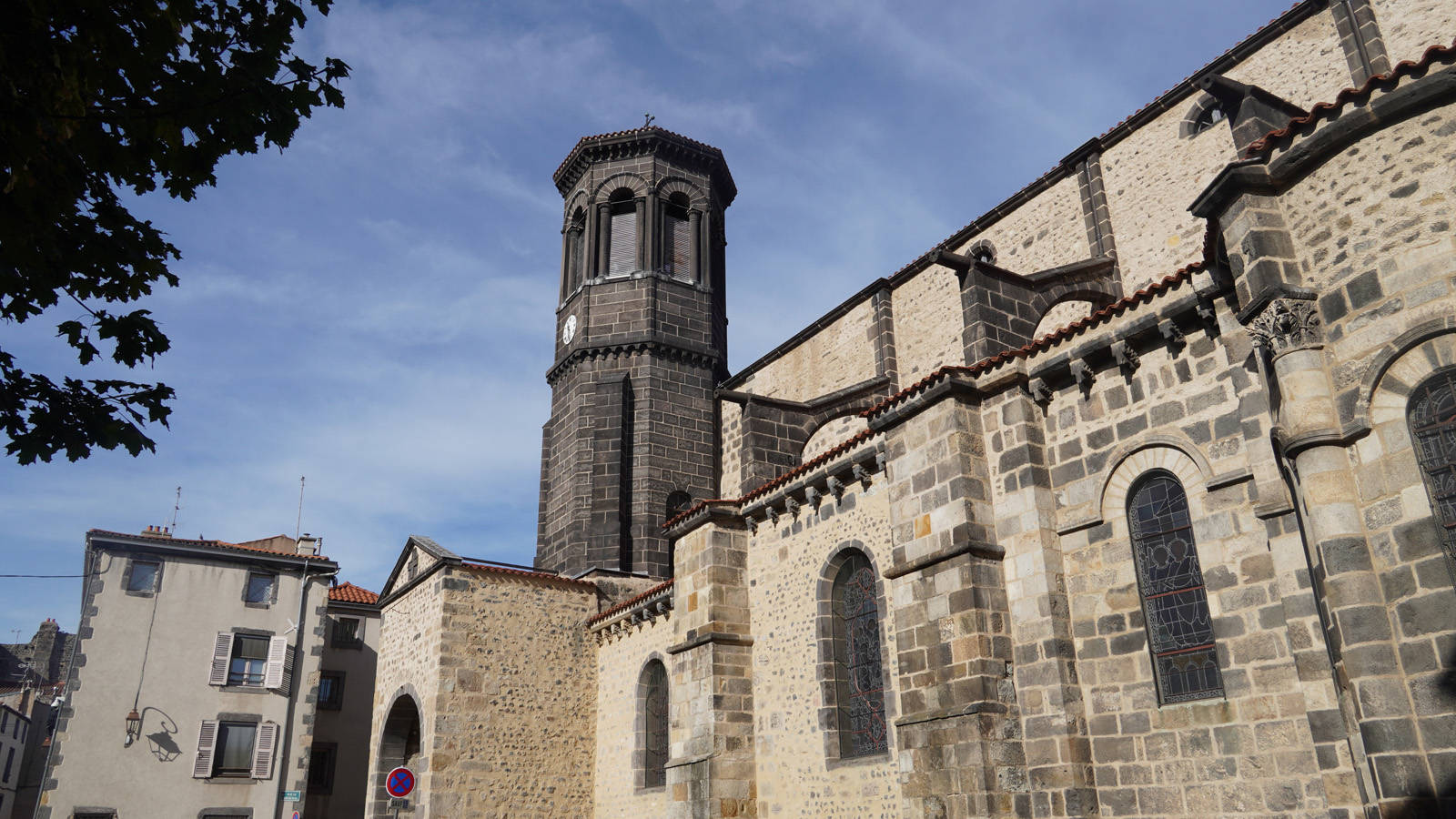
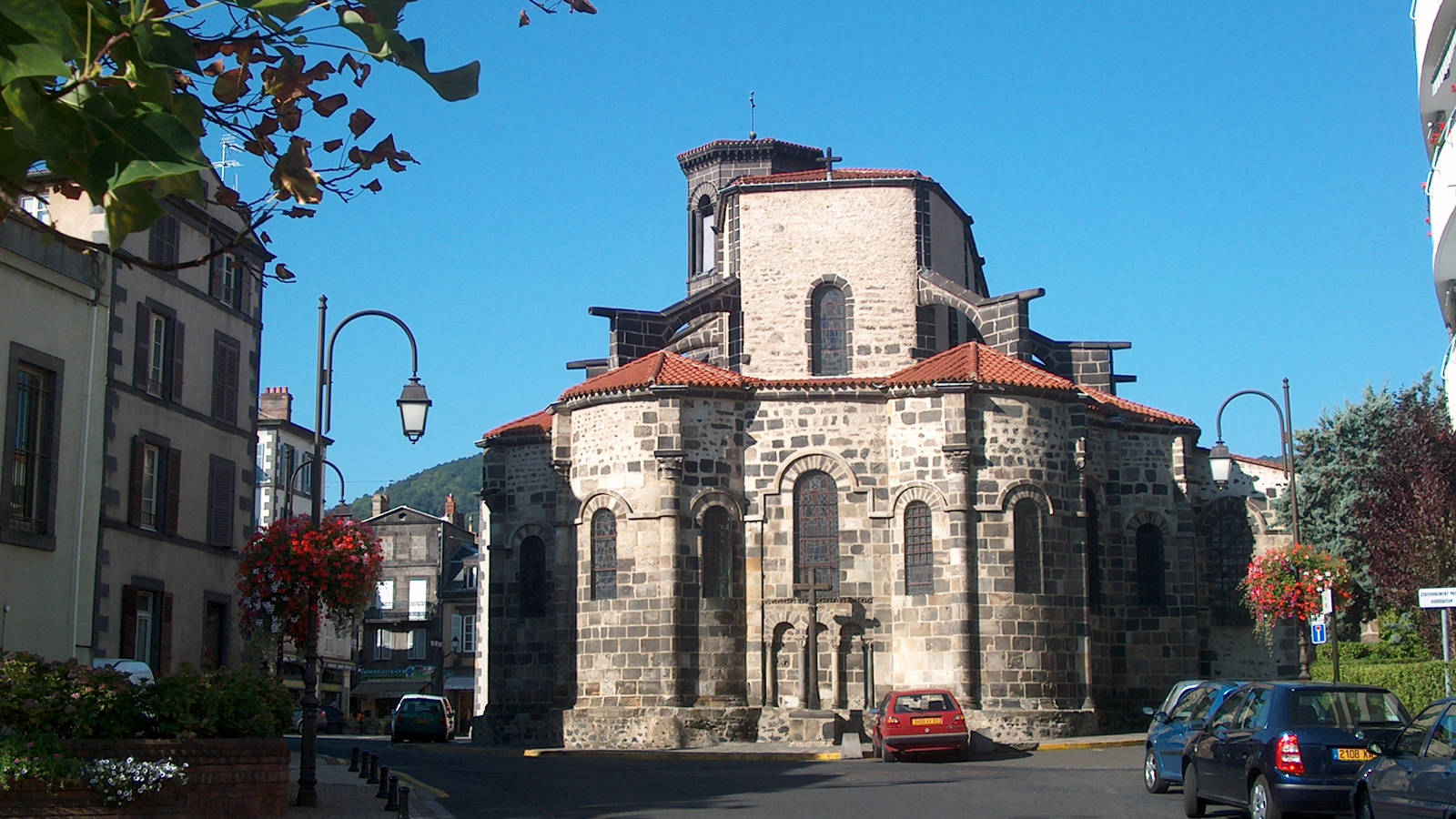
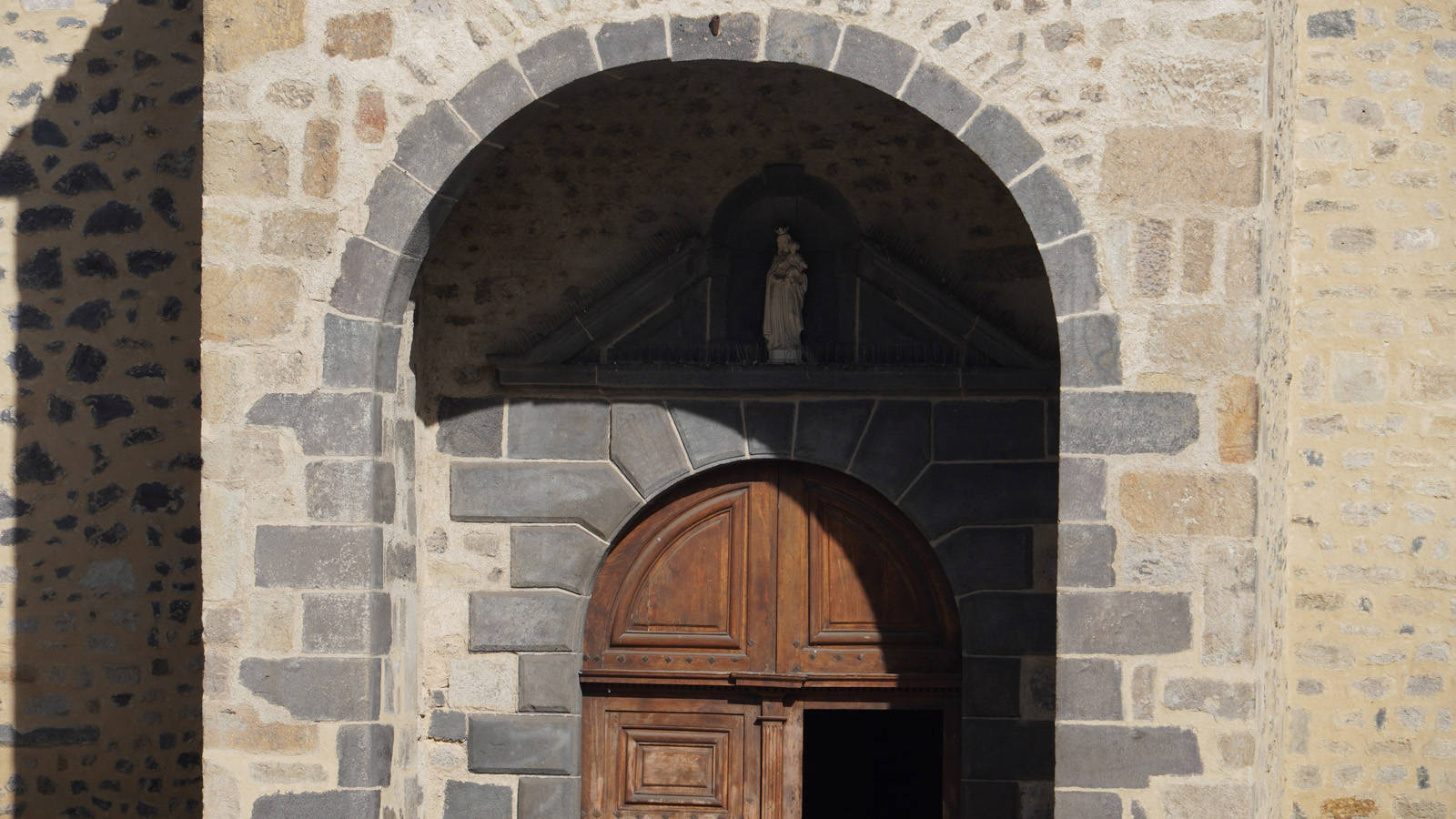
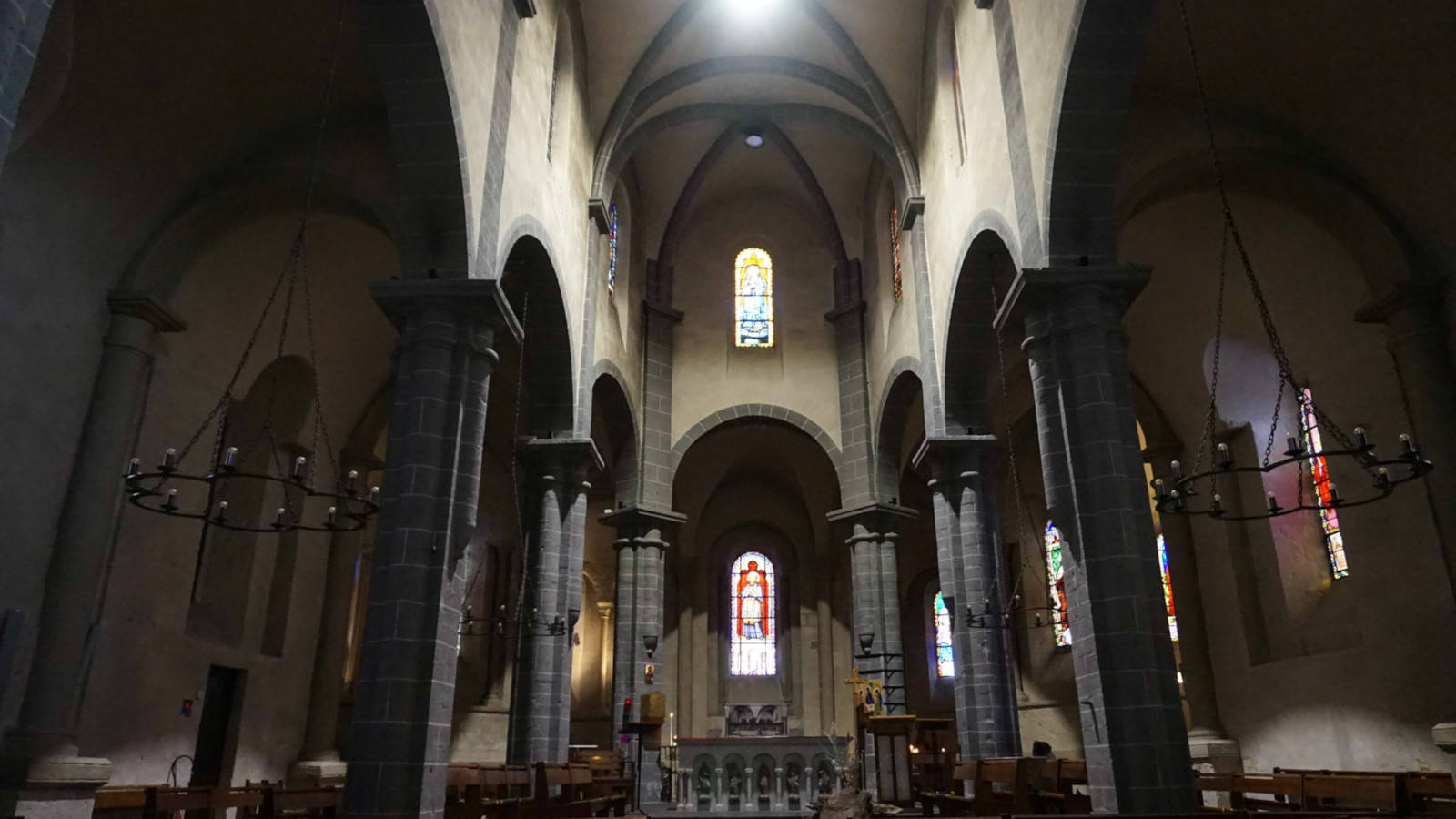
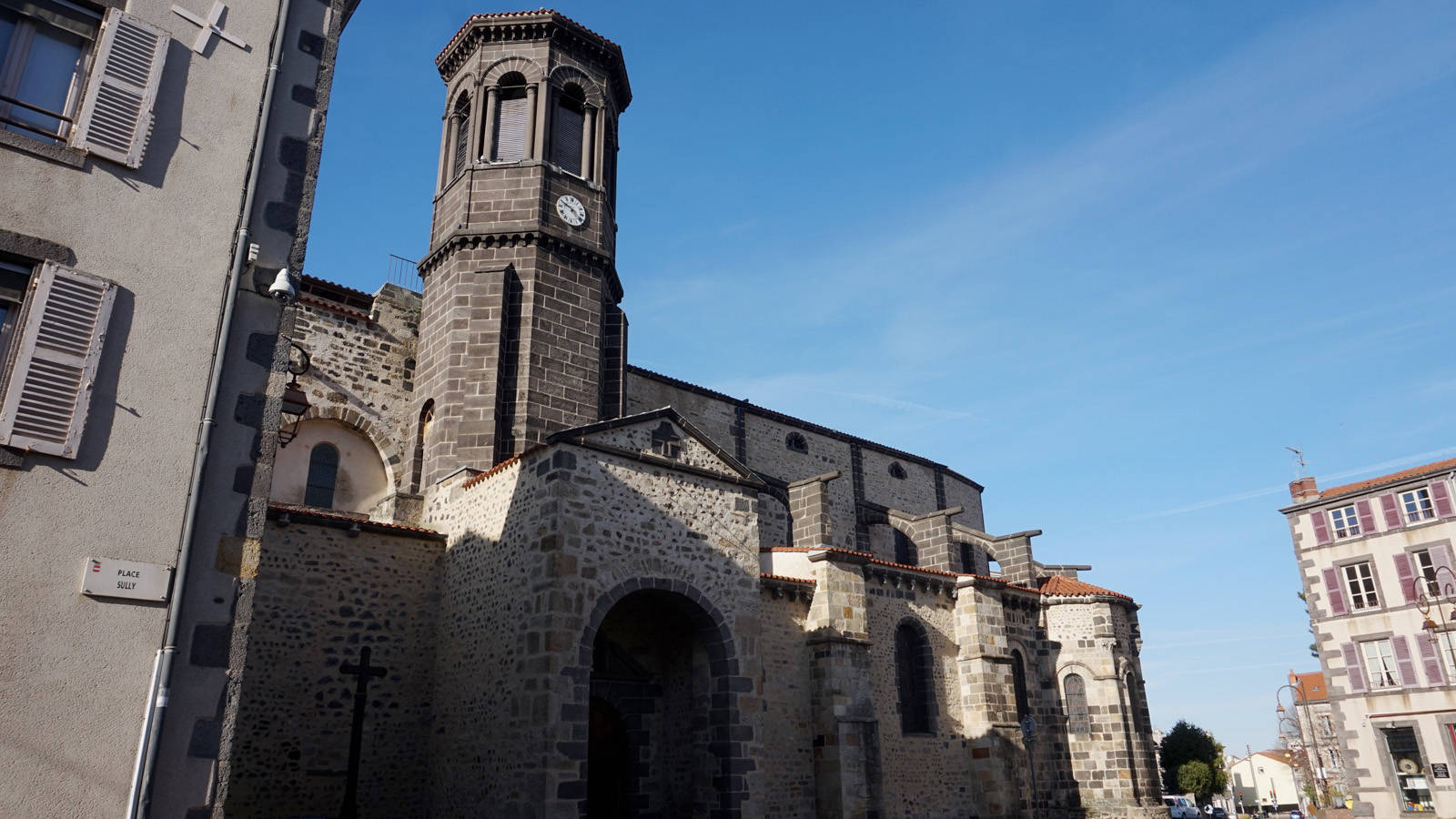
Église Notre-Dame is from the late 10th century and was an important place of worship. It was listed as a historic monument.
Built at the end of the 10th century, Notre-Dame church is the only building to have survived from the medieval sanctuaries inside the fortified walls (Saint-Paul, Saint-Pierre, Saint-Jean-du-Marthuret, Sainte-Croix). Some remains of the Saint-Paul church can still be seen in Place Sully. Once a collegiate church, Notre-Dame was managed by(…)
Opening hours
All year round daily.
Prices and payment methods
- Free access.
Comfort, facilities and services
- Parking nearby
Location
Environnements
Bus stop < 500 m, Close to a public transportation
Accès
Chamalières Mairie stop, line B.
You might also like…
Photo credits : Simon Leplat / Clermont Auvergne Tourisme, clermont auvergne tourisme, Simon Leplat / Clermont Auvergne Tourisme, ESM-CAT, ESM-CAT
 Updated on 12 May 2026 by Clermont Auvergne Volcans