Living heritage : discover the Pays d'art et d'histoire® in Puy-de-Dôme
In the heart of its natural setting, the Puy-de-Dôme boasts no fewer than four Villes et Pays d'Art et d'Histoire®. This national label is awarded to areas that are committed to preserving their rich heritage and bringing it to life for the general public. Discover their history.
Varied and inspiring landscapes
At the foot of the Puy-de-Dôme, between the Chaîne des Puys and the Limagne plain, the region offers a diverse range of landscapes. From the torrents of the Enval gorges to the hillsides of the Pays Brayaud and the wine-growing villages, each panorama tells its own story.
Riom, an open-air museum
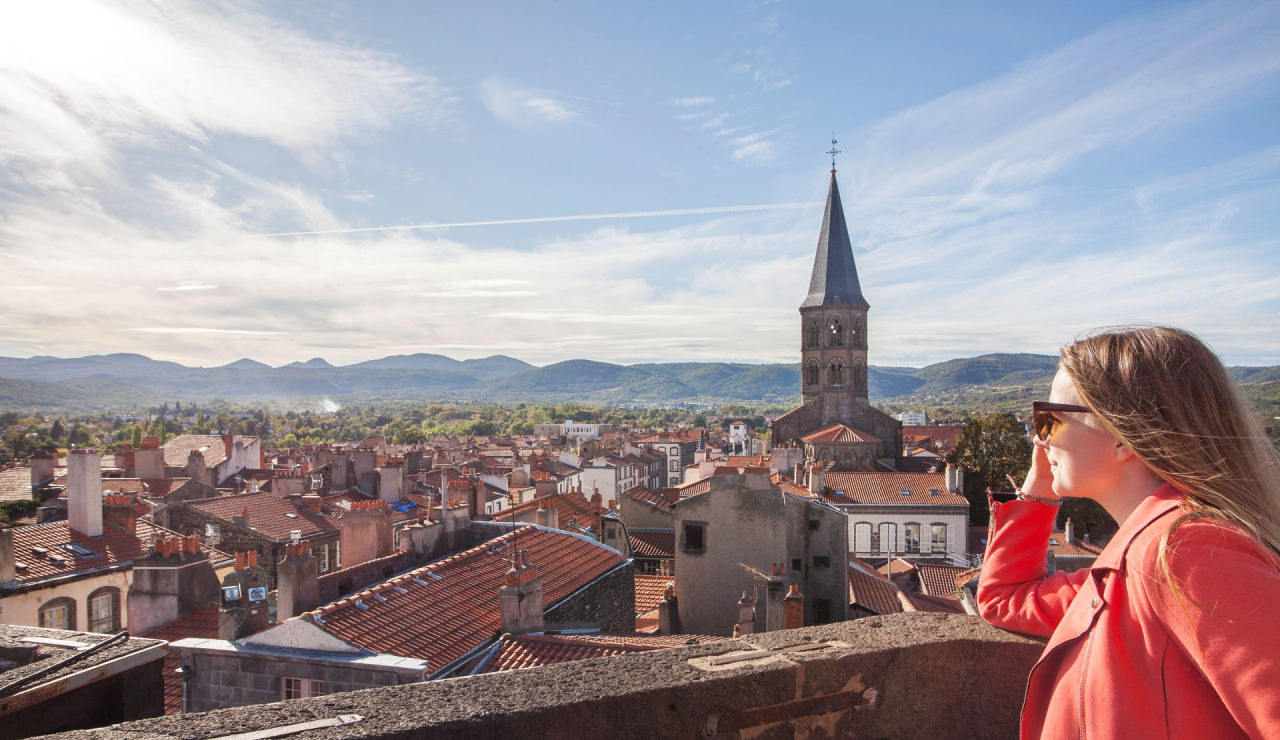
The former capital of the duchies of Auvergne, Riom will amaze you with its Renaissance facades of Volvic stone. The town's remarkable buildings include the Sainte-Chapelle, the Saint-Amable basilica, the Tour de l'horloge and its town houses.
Nearby, the Romanesque abbey church of Saint-Pierre de Mozac is a Cluniac site renowned for the quality of its sculpted capitals.
A vibrant and accessible culture
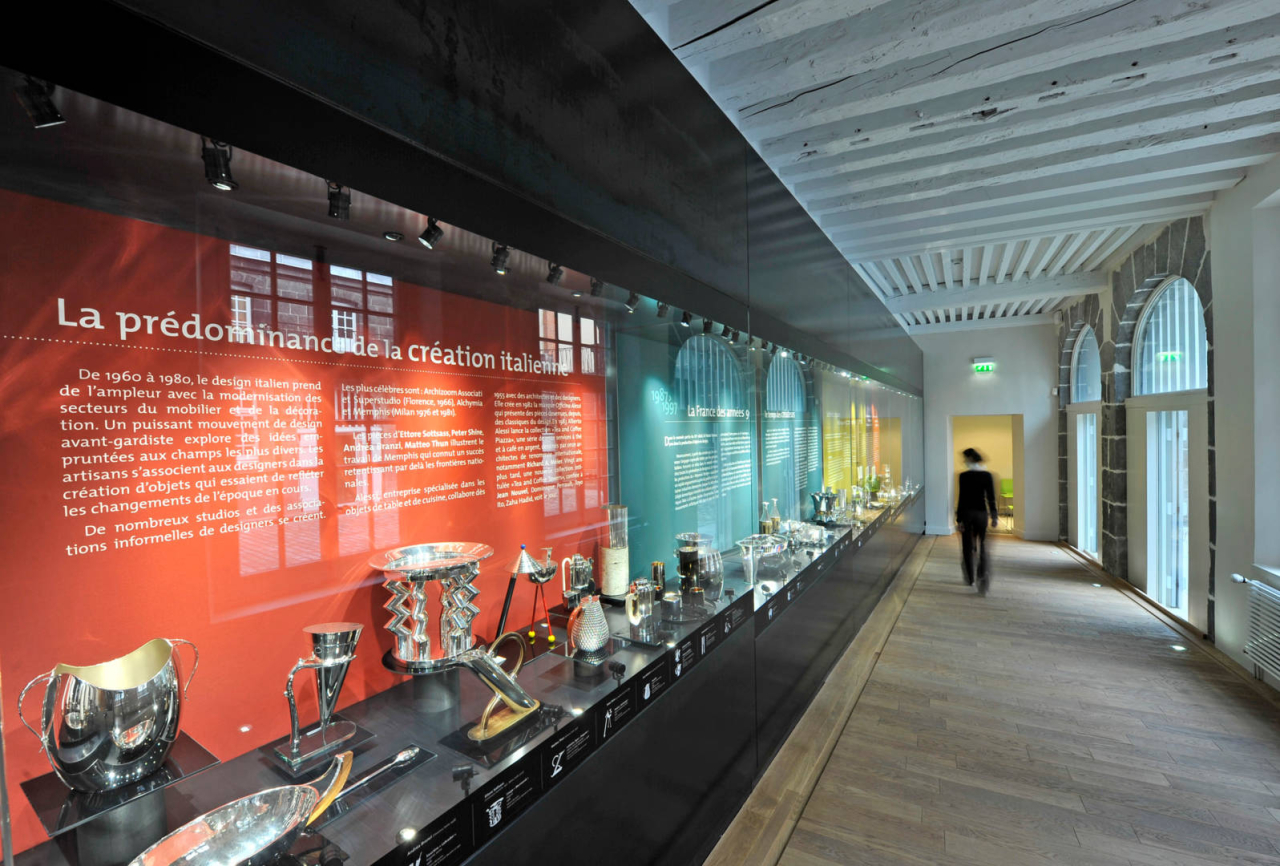
The Musée Mandet and the Musée Régional d'Auvergne preserve local memory, while venues such as the Centre Départemental des Musiques et Danses Traditionnelles bring music, dance and gastronomy to life.
Intangible heritage remains at the heart of the region's identity, thanks to dynamic local initiatives.
- The programme of events and visits is available from Riom Tourist Office.
Romanesque art at the heart of the region's heritage
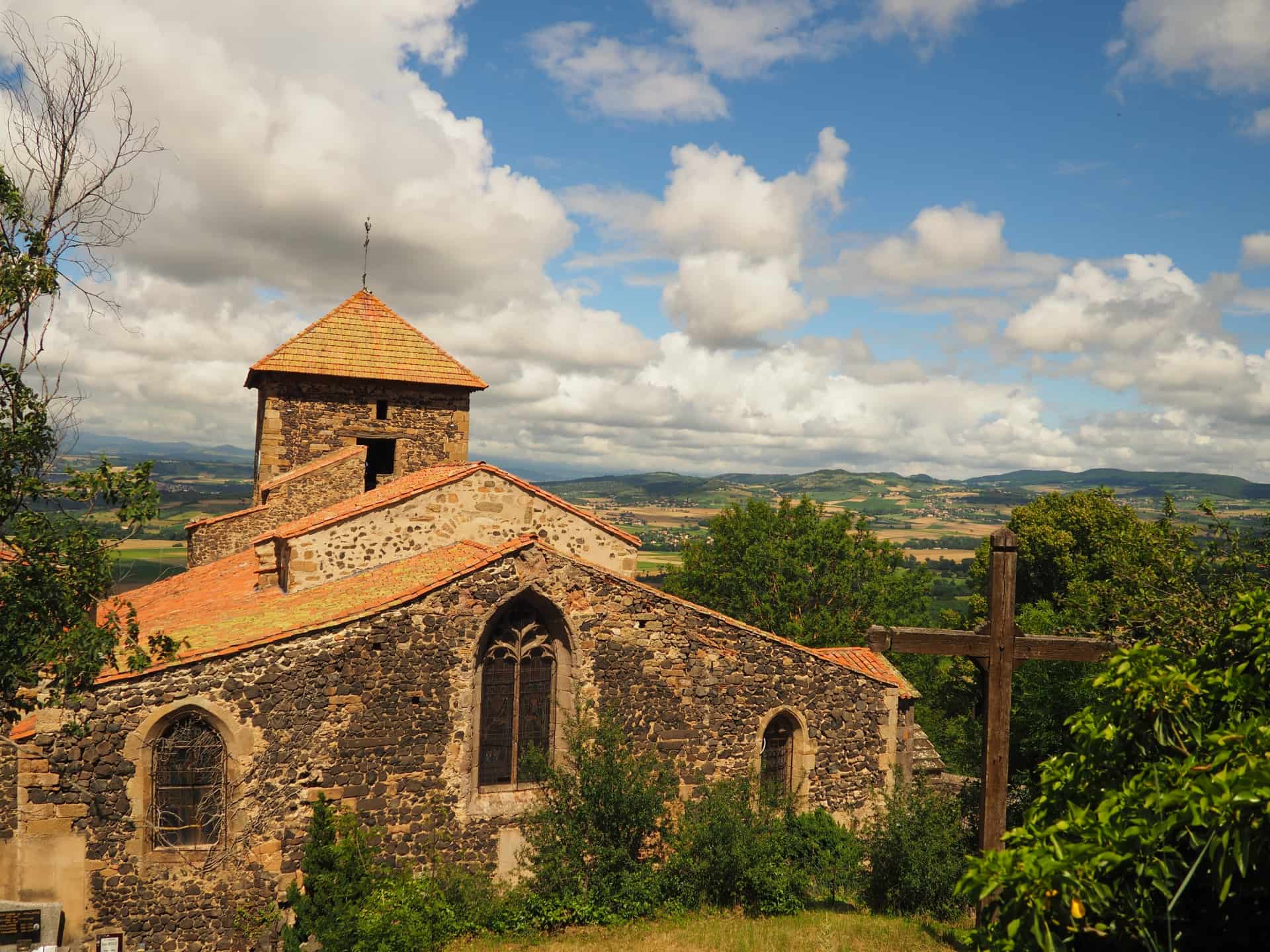
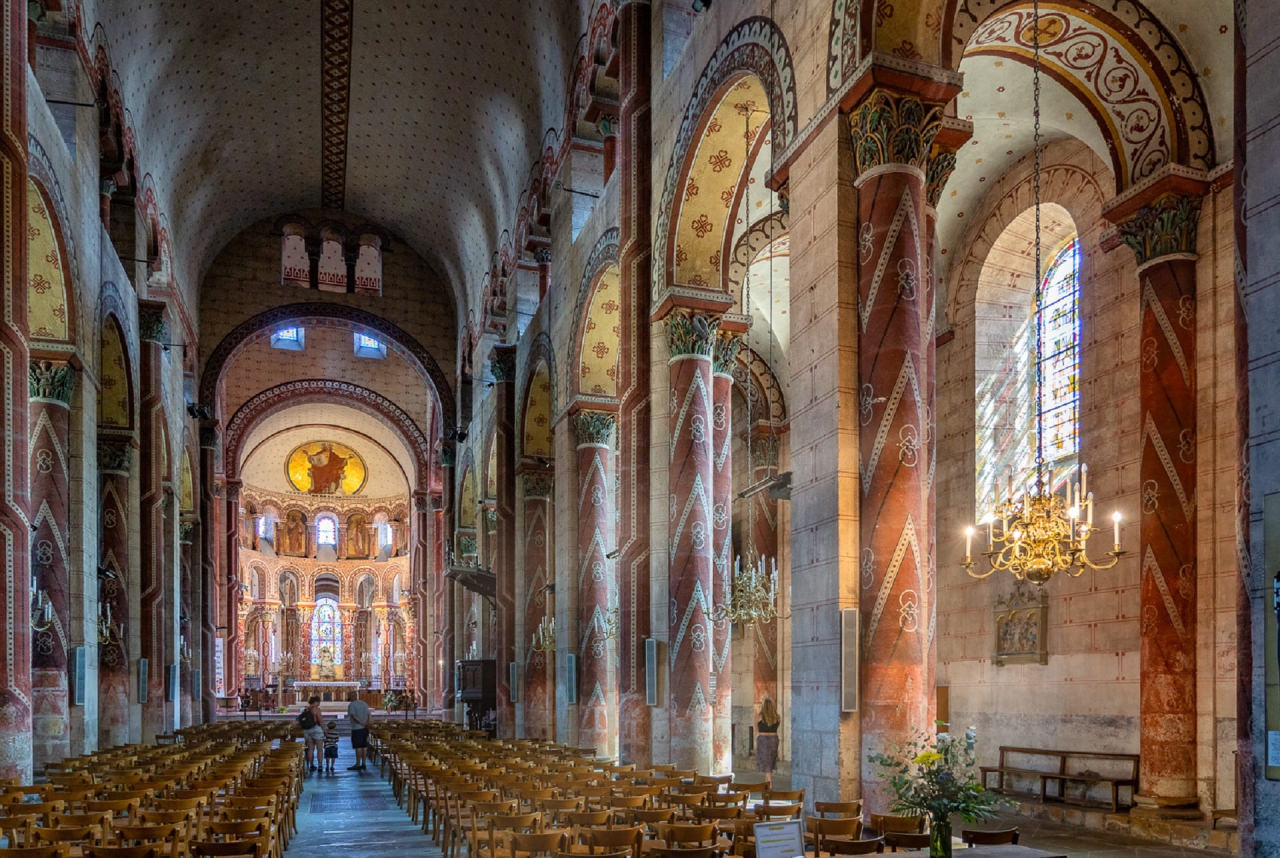
The Middle Ages left a rich legacy, with Romanesque abbeys and churches such as the abbey church of Saint-Austremoine in Issoire and the church of Notre-Dame in Mailhat, as well as castral chapels perched on rocky promontories.
Medieval fortifications and historical treasures
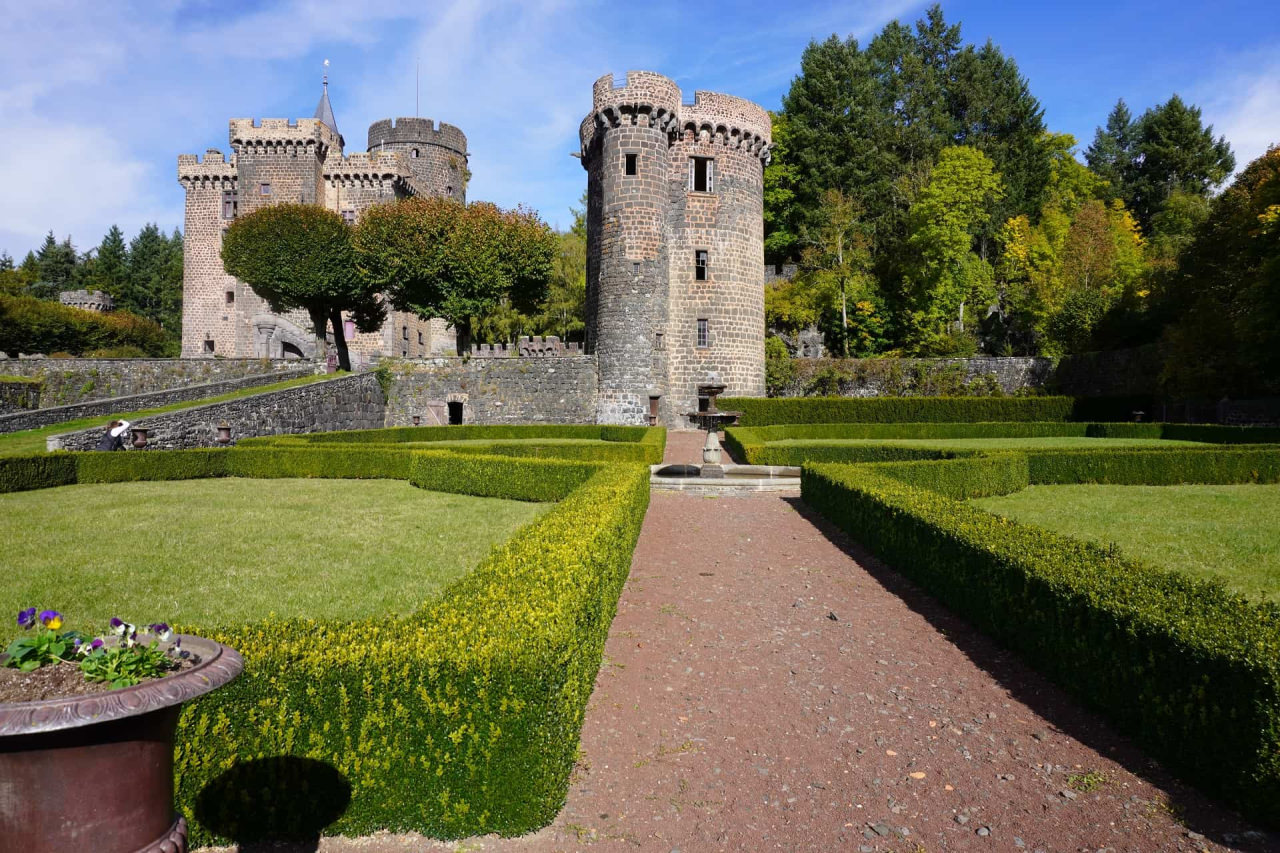
Castles and fortresses such as Nonette-Orsonnette and Usson bear witness to the power of the lords, while the refined decor of the châteaux of Saint-Floret and Parentignat evokes the luxury of bygone eras.
A living industrial and craft tradition
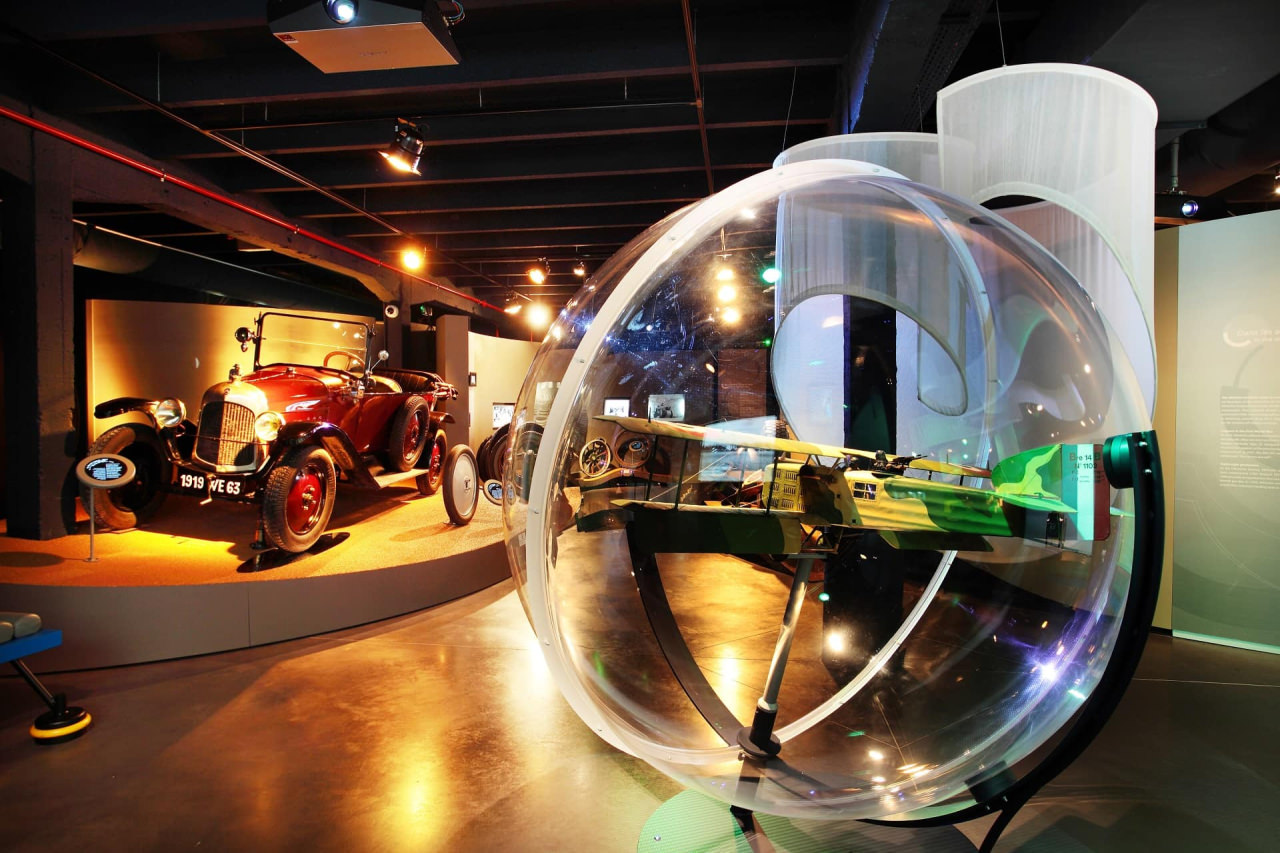
The "Côtes d'Auvergne" winegrowing region around the village of Boudes and Montpeyroux, designated as one of France's most beautiful villages, continues to thrive, as does innovation in sectors such as aluminium and aeronautics. The industrial past of the Brassac basin, marked by coal mining, is preserved in the mine museum.
- The programme of events and visits is available from theIssoire Tourist Office.
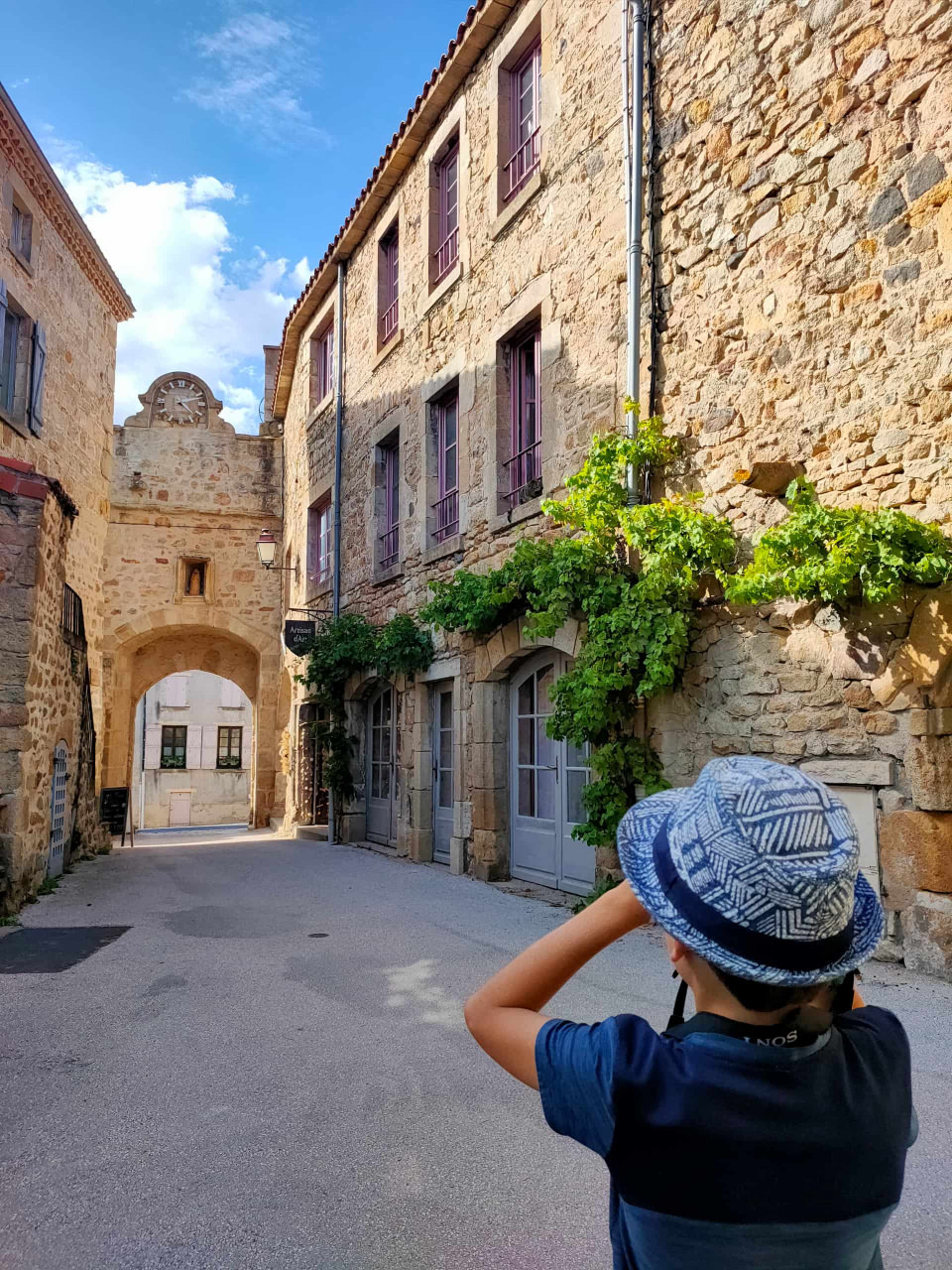
A medieval heritage marked by the lords
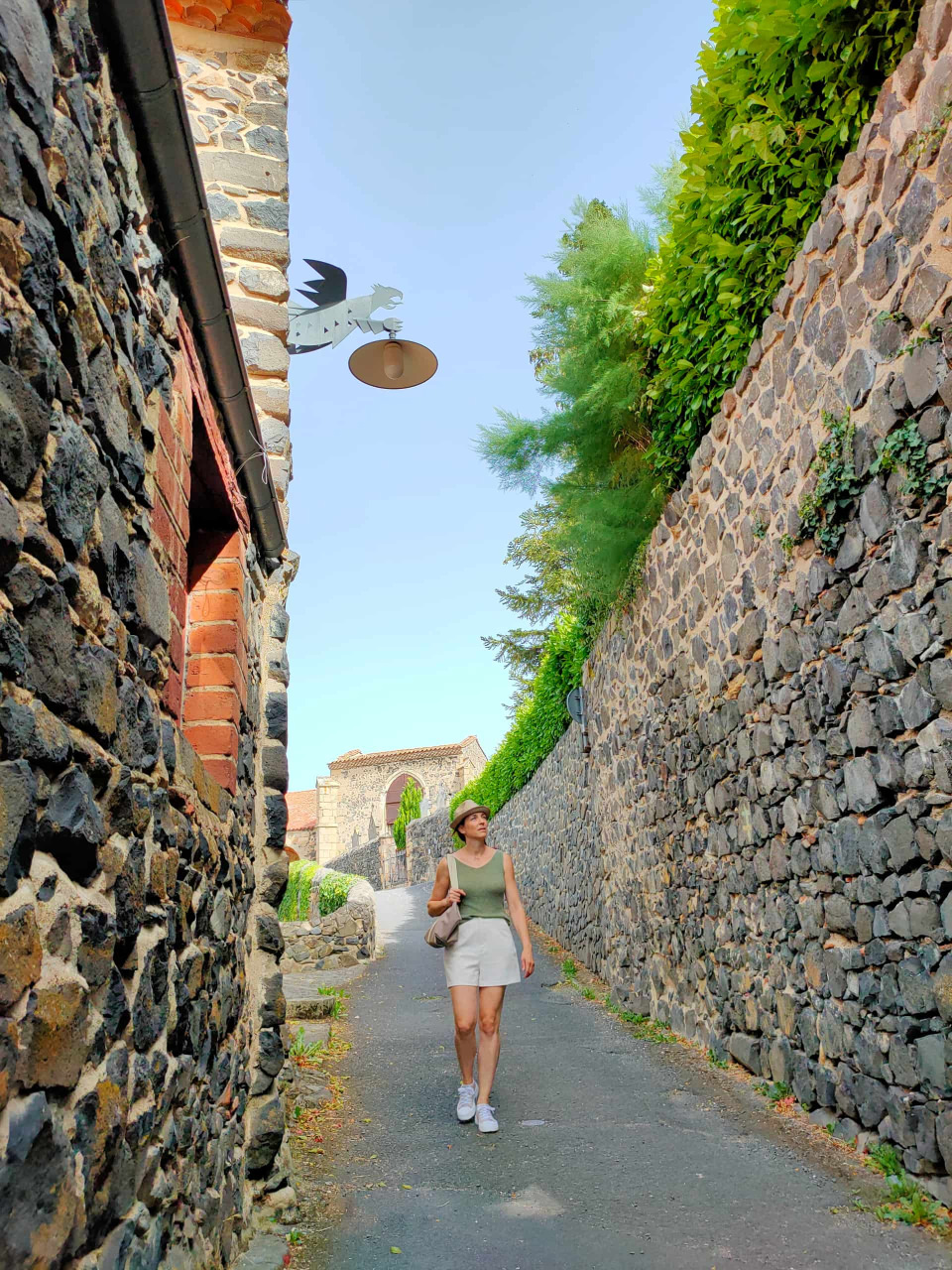
Medieval churches, priories and castles such as those at Montmorin and Montaigut-le-Blanc reflect the influence of the region's powerful religious orders and lords.
An industrial boom in the 18th and 19th centuries
Industrialisation in the 19th century gave a new lease of life to local agriculture and industry, and although this activity had ceased, the area remained dynamic thanks to its crafts and culture.
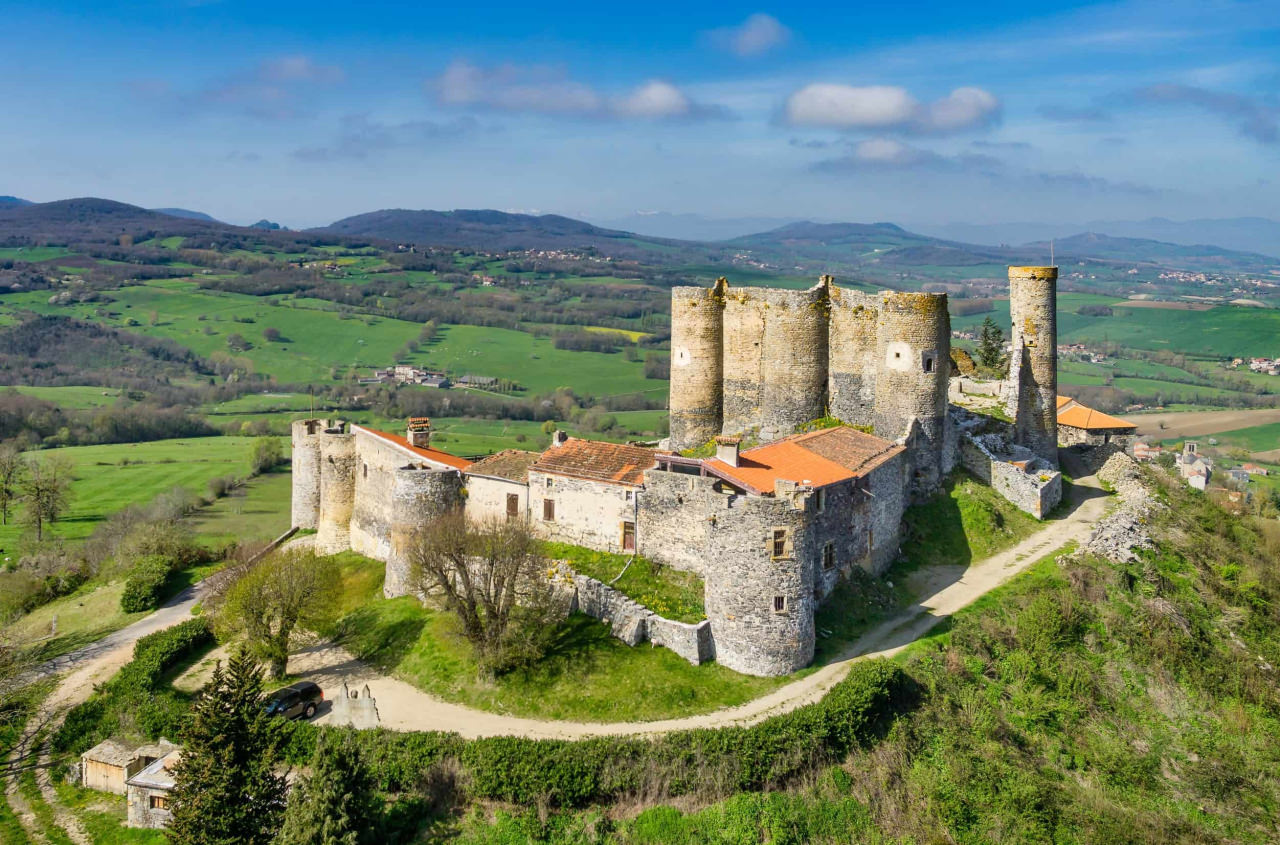
Religious and architectural heritage
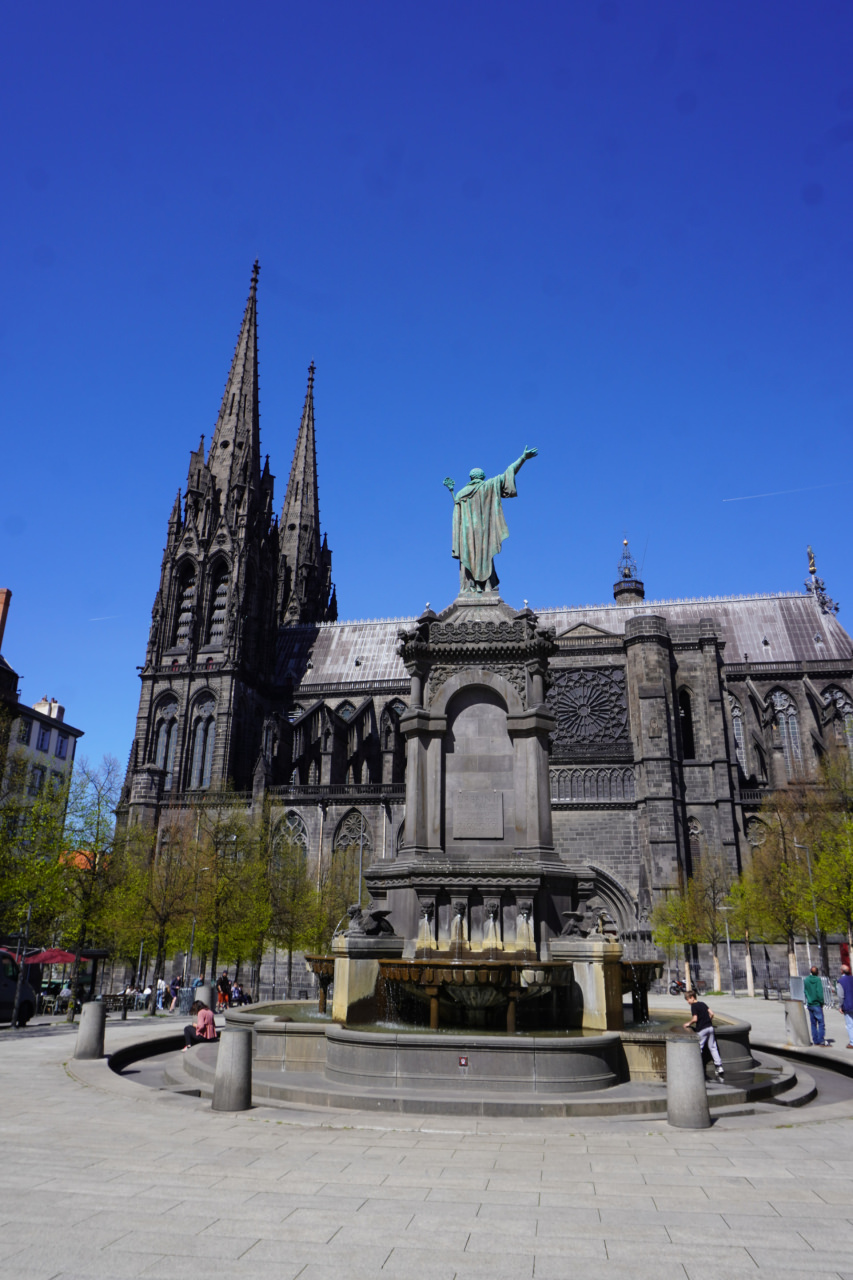
From the cathedral of Notre-Dame de l'Assomption, a true symbol of the city, to the basilica of Notre-Dame-du-Port, a UNESCO World Heritage Site, Clermont-Ferrand's religious architecture offers a journey through the centuries.
20th century architecture
With 88% of its buildings dating from the 20th century, Clermont Auvergne Métropole stands out for its modern architecture. From Art Deco to functionalist architecture, the city reflects the changing styles and urban needs of the last century.
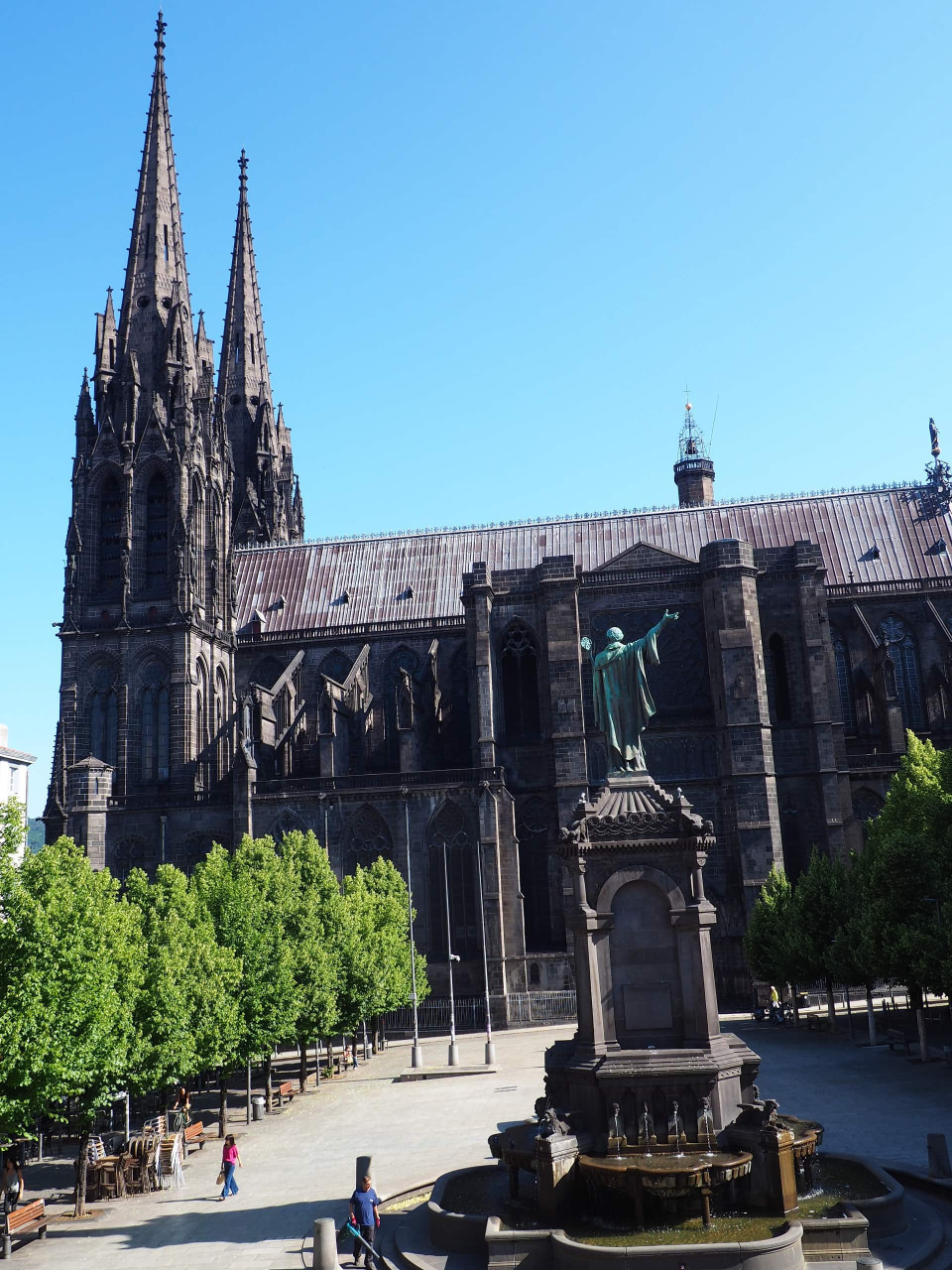
Industry and workers' housing estates
The region's industrial heritage also includes factories, workers' housing estates and evidence of coal mining and the development of the metal and textile industries in the 19th and 20th centuries.
The Michelin factory, emblematic of Clermont-Ferrand, illustrates this industrial wealth with the rise of the tyre industry and its major impact on the local economy and urban planning.